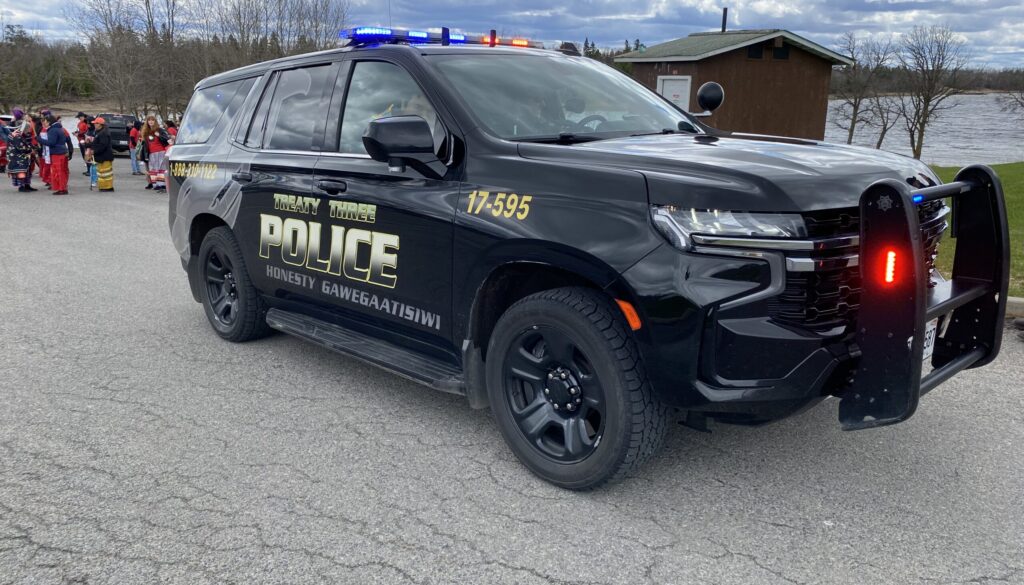
Treaty Three Police Chief tells MPs service struggles to meet area policing needs
The Police Chief for Treaty Three Police says her department continues to struggle with underfunding.
Cheryl Gervais told a recent federal committee looking into Indigenous policing that the funding issues they face are having an impact on the communities they serve.
“Treaty Three Police Service was formed to reclaim our relationship with policing,” says Gervais.
“Yet 20 years later, we continue to struggle to meet the needs of our communities.”
Gervais points to the funding model that Indigenous police services are required to follow.
She says it does not reflect their unique needs.
“This is systemic racism in practice when structures built without us are still imposed on us,” says Gervais.
“The expectations for us to use models or systems that are not built for us, that don’t take the cultural responsiveness piece into consideration, the expectations of our communities on Treaty Three Police Service to provide effective service and equitable service to them in terms of public safety and them feeling safe in our communities, we are failing.”
Gervais says innovative policing programs have been implemented, but the progress made is slowed by one-time funding that fails to recognize the need for ongoing training, staffing or infrastructure.
“No other police service in Canada is asked to compromise so consistently between safety, wellness and sustainability.”
Treaty Three Police, along with Anishinabek Police Service (APS) and United Chiefs & Councils of Manitoulin (UCCM) Anishnaabe Police, turned to the courts two years ago after refusing to accept the government’s terms for a new funding deal.
It did result in an interim decision to flow funding.
The three police services are also part of a Human Rights case against the federal government that is still pending.
Gervais says there are some bright spots, citing a community cadet program and the introduction of a campaign that encourages positive interaction between youth and police.
Gervais says they have also become used to doing more with less, but it has a downside for her officers.
“Brings challenges when it comes to the mental health of my staff because of the geography we cover, the types of calls for service we respond to, the lack of supports and even resources when we’re trying to support our communities.”