Tennis dome loan would carry risks for city, say senior staff
By: Clint Fleury, Local Journalism Initiative Reporter Source: TBnewswatch.com
THUNDER BAY – Lending city funds to help to pay for the tennis bubble would come with a degree of risk, according to Keri Greaves, commissioner of corporate services
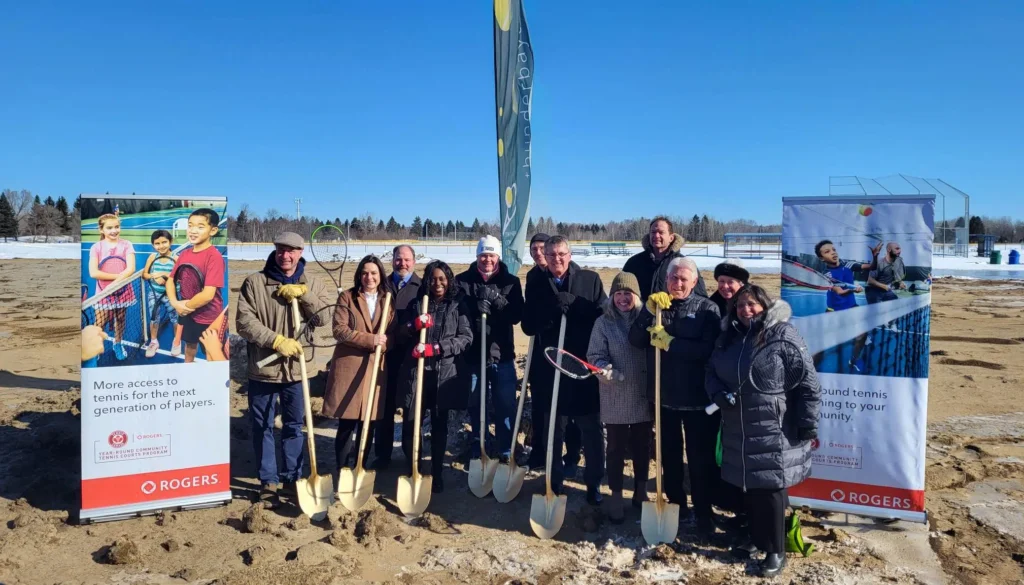
Council will soon decide how, and whether, to help the Thunder Bay Tennis Centre cover a $630,000 budget shortfall.
After a lengthy debate on Tuesday, the finance and administration standing committee decided unanimously to task administration with developing loan options to put before city council in one week.
Administration recommended against giving the Tennis Centre any more than the $1.5 million already committed and against disbursing funds early, before project milestones are met, but said a loan backed by reserve funds could be acceptable.
“We’ve got this wonderful partner doing a lot of work in the community, going to provide an unbelievable level of service to the community. And we’re telling them ‘No. $1.5 million, it’s not fiscally prudent for us to do any more for you.’ I don’t buy that,” Coun. Mark Bentz said.
The loan would be unsecured (not backed by collateral), said Greaves, because the Tennis Centre already has a secured loan.
Jamie Grieve, director of the tennis centre, told Newswatch they had secured a loan of roughly $500,000 from a private supporter.
Coun. Michael Zussino asked what would happen if the tennis centre defaulted on the loan provided by the city.
“In all likelihood, we’d be back in front of council, asking for direction on whether or not we should forgive the loan or take legal action,” Greaves said.
“The secured loan would obviously take precedence over the unsecured loan in terms of payment, and therefore, they would have more right to it,” Zussino said.
If the tennis centre defaulted on its secured loan, said Greaves, “the creditor would be able to take the dome itself.”
Another risk Greaves raised was the impact on city reserves of withdrawing the funds.
The council report lists the municipal accommodations tax (MAT) and Renew Thunder Bay reserve funds as options for backing a loan, but said the tennis bubble project may not fit with the purposes of those funds. It also indicates the stabilization reserve, which funded the initial contribution, does not align at all.
Greaves initially told the committee council would need to set aside the rules around their purpose to dip into those funds, but changed his stance somewhat after hearing the tennis centre’s deputation.
The possibility of the dome hosting tennis and pickleball tournaments, said Greaves, creates a fit with the MAT parameters because of the tourism connection.
Furthermore, as the project has received funding from provincial and federal governments, it could align with the policy set out to use the Renew Thunder Bay fund, he said.
“I do have some reservations on potentially using the stabilization reserve…We do have a healthy stabilization reserve, I’d like to keep it that way,” he said.
However, Greaves said that he was still hesitant to use either the MAT and Renew Thunder Bay funds.
There is $6.9 million in uncommitted funds in the Renew Thunder Bay reserve fund, according to the report.
The MAT reserve is fairly “lean” with $118,000 left in the fund, he said. Less that the amount needed to complete the bubble.
“We are projecting to put $2.25 million into the MAT reserve during 2026, but we’re already spending that. We’re spending a half million dollars towards the art gallery. We’ve got $675,000 that was approved in the capital budget just last night. And we are contemplating some recreational operating funding. So, we’re looking at about almost exactly $643,000,” said Greaves.
“So, we would be basically draining the MAT reserve for this project,” Greaves said.
Administration provided the option of a loan so that in the future, if the tennis centre cannot pay back the loan, council would have options to “forgive the loan or further delay the loan,” said city manager John Collin.
“The loan does at least send a message at the strategic level that once we have agreements in place, additional funding should come with a commitment, if at all possible, to repay it,” he said.