Winter? It’s for the Birds!!
People often ask me how I endure such long & cold winters here in Northwestern Ontario… and my response is always the same – “by embracing whatever winter has to offer.”
I have always enjoyed winter activities and getting outdoors – skating; skiing; snowshoeing; snowmobiling; ice fishing; hockey; etc.
But not everyone is driven to spend as much time outdoors in winter like me, so there are other things to consider that can help get your mind off the winter blahs and bring some excitement to the season you might least enjoy.
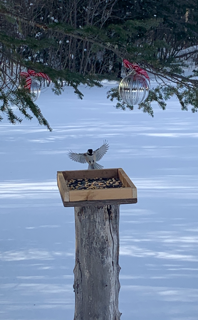
One of the most enjoyable (for me anyways) and underrated winter activities in my repertoire is setting up my winter bird-feeding stations and cataloging all the different species that stop by for a little sustenance when their natural food supplies can be scarce. Kids love it too as they get to see and hear the birds up close.
Birds are generally not that shy when they find your feeders, and it’s surprising how entertaining they can be by observing how they feed, and how the various species interact.
For example, I find that Blue Jays and Gray Jays – as beautiful as they are – tend to be bullies and gluttons at the feeders. They sift through the seed mix spilling lots down to the ground until they find something they like… all the while chasing other smaller birds away until their bellies and crops are full.
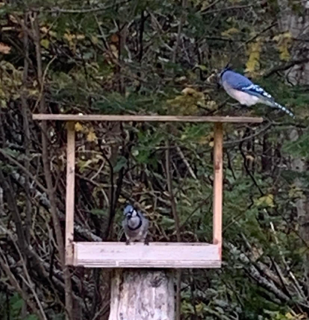
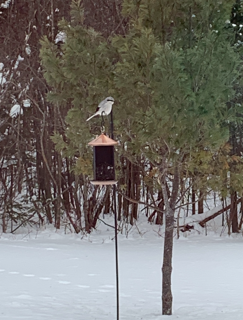
Chickadees and Nuthatches on the other hand, are opportunists and flitters – they fly in, quickly grab a single seed and retreat to a nearby branch where they peck it apart… and then they repeat the process over and over… I often wonder how they can expend so much energy flitting about for a single seed!!
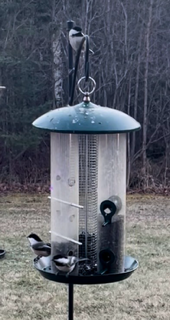
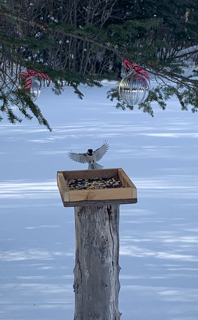
Other species like Dark-Eyed Juncos, Red Polls, American Redstarts and various Sparrows don’t mind yielding the actual feeder to other birds as they clean up the spillage on the ground thanks to the Blue Jays.
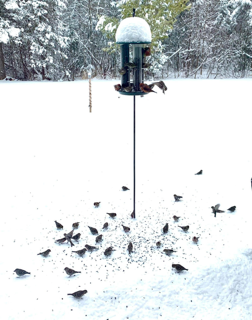
Purple Finches, Gold Finches and Pine Siskins love feeding at tube feeders where they can perch and feed together.
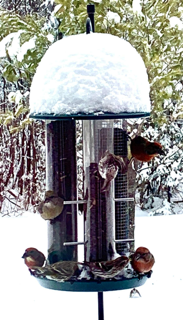
In one of our most eventful feeding seasons (fall through spring) we documented more than 21 different species that routinely visited our feeders!! I would have to say that our favorites are the very colorful Evening and Pine Grosbeaks.
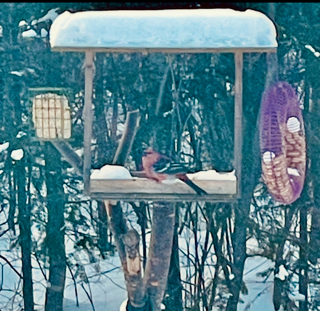
We generally try to provide feeder styles and seeds that accommodate all the different feeding preferences of the birds that inhabit our woodlands and those that migrate through.
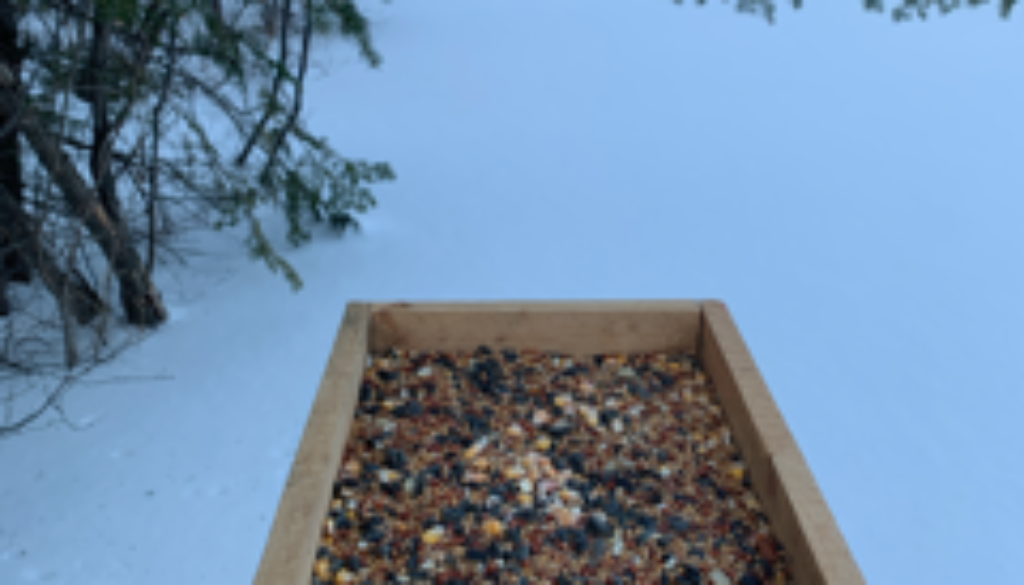
These include platform feeders; cannister feeders; tube feeders; suet cages and peanut rings.
We fill all of our feeders with the #1 choice of most winter birds – black-oil sunflower seeds… they have a high caloric conversion value for the birds. In addition, we mix in both whole & shelled peanuts and some cracked corn in smaller amounts too.
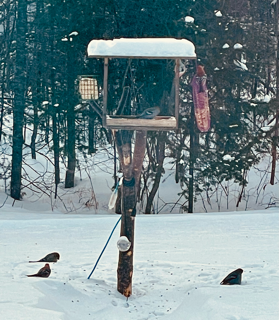
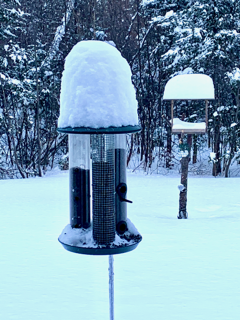
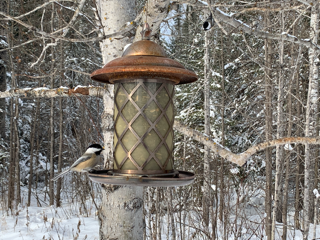
The suet cages are particularly important if you are trying to attract Woodpeckers… we’ve been fortunate to see Downey, Hairy & Pileated Woodpeckers all enjoying the suet & seed cakes that we make ourselves.
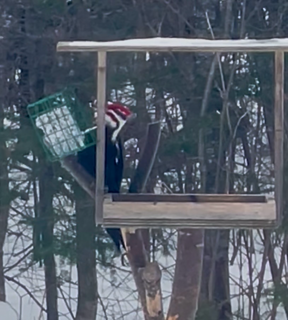
This is a wonderful activity to get you out and enjoying the sights and splendor of our great outdoors… and it gives the birds in your vicinity a much needed cold-weather boost.
But keep in mind that once spring arrives (usually mid-May) you want to take your feeders down to avoid any unwanted visitors… enjoy!!
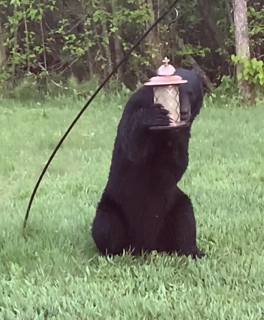
If you want more information or advice on how you can get started, check out the information & resources available from our very own Thunder Bay Field Naturalists, or the Lakehead Region Conservation Authority.