Feds fund projects to protect Saint John River
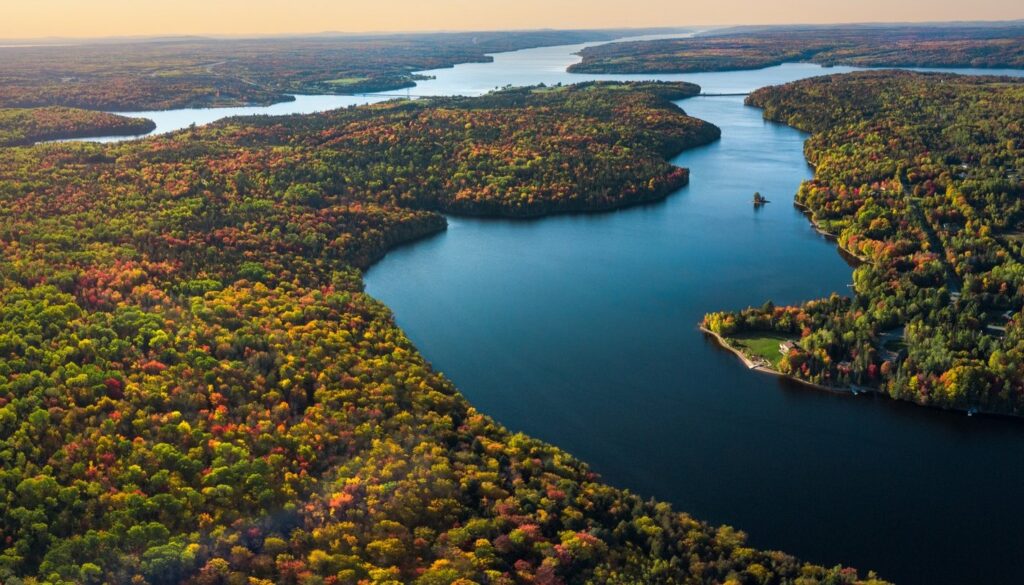
The federal government announced an investment in protecting and restoring the Saint John River.
Wade Grant, parliamentary secretary to the minister of environment, climate change and nature, unveiled more than $2.3 million to fund 14 partner-led projects on Saturday.
A press release from the Canada Water Agency described the Saint John River, or Wolastoq, as more than water.
“For the Wolastoqiyik people, the Wolastoq (or Beautiful and Bountiful River) is part of their identity, language and culture,” the release said. “
The river also supports critical economic sectors like hydroelectricity, agriculture, forestry, food manufacturing, and tourism. Moreover, its watershed is home to more than half of New Brunswick residents.”
Environment Minister Julie Dabrusin said there are numerous stressors affecting the health of the Saint John River freshwater ecosystem, including agricultural, industrial and urban activities.
“Its protection is crucial to many Indigenous communities and people living within its watershed,” Dabrusin said in a release.
“With strong community support, these local projects will enhance water quality and broader ecosystem health.
The projects are funded through the Wolastoq/Saint John River Freshwater Ecosystem Initative, part of the Freshwater Action Plan.
The investment targets several priorities, including reducing excess nutrients, science and knowledge advancement, and support for Indigneous-led efforts to understand and address water quality issues.
Among the recipients of the funding is the Maliseet Nation Conservation Council.
The MNCC will get $195,000 over two years to train Wolastoqey community members to conduct water quality monitoring and analysis throughout the watershed and to address the impacts of excess nutrients, harmful algal blooms and pollutants on river health.
“The Wolastoq is central to the culture, identity and stewardship responsibilities of the Wolastoqey Nations,” said MNCC executive director Aruna Jayawardane.
Jayawardane said this will allow the council to improve its ability to address various ecological challenges by bringing together Indigenous knowledge and scientific research.
“With this support, MNCC can advance meaningful, evidence-based action to protect the health and integrity of the Wolastoq for future generations,” he said.
The Belleisle Watershed Coalition will receive $133,000 over three years to assess per- and polyfluoroalkyl substances (PFAS) in the lower Saint John River.
“Learning about the impacts of these ‘forever chemicals’ is crucial to the long-term health of the river,” said coalition executive director Colin Forsythe.
“This initiative also provides an opportunity to build partnerships and engage local communities on PFAS and water protection.”