Council to discuss three proposed encampment sites Wednesday
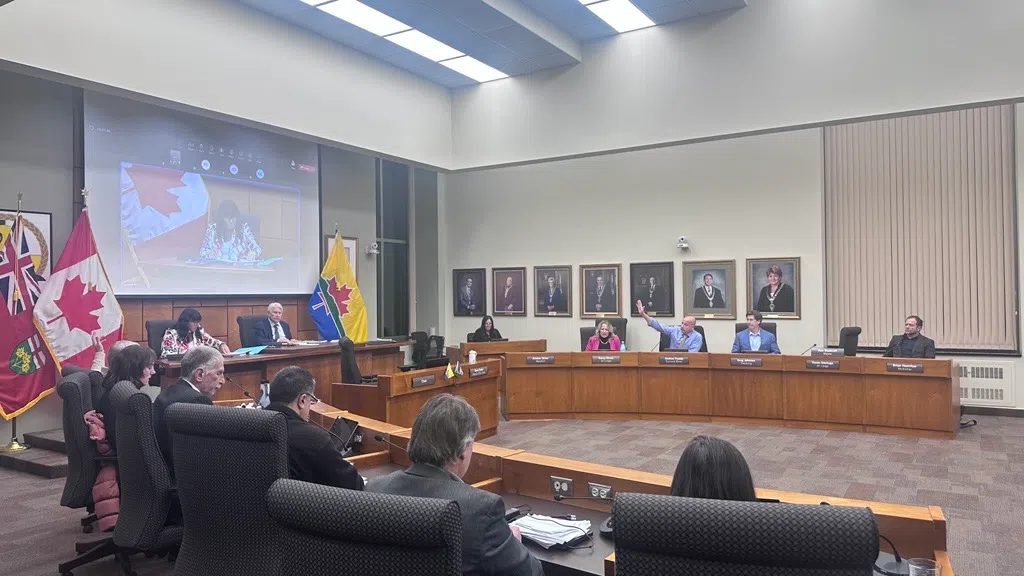
On the agenda for Wednesday’s Special Committee of the Whole meeting is a report that recommends three designated encampment sites for the homeless.
Six sites were initially proposed. Three sites were recommended out of that group based on their history of encampment activity, proximity to transit and social services, and flat terrain to support emergency response, operational feasibility, and year-round operability.
The three recommended encampment sites are:
- Simpson Street and George Street
- Community feedback: generally strong among most groups.
- Public survey rank: 1st (out of 6)
- Service providers: 2nd
- People with lived experience: 3rd
- Moderate concern from business owners
- Community feedback: generally strong among most groups.
- Current River Park near Boulevard Lake
- Community feedback: mixed.
- Public survey: 3rd
- Service providers: “moderate support”
- People with lived experience: 1st
- Relatively low concern from business owners
- Community feedback: mixed.
- Freedom Park off North Water Street
- Community feedback: lowest overall ranking among recommended sites.
- Public survey: “Lower overall ranking”
- Service providers: 3rd
- People with lived experience: 2nd
- Highest level of concern from business owners, citing concerns related to safety, surrounding land uses, and potential impacts on tourism and business
- Community feedback: lowest overall ranking among recommended sites.
Poll rankings and findings are from Thunder Bay’s 2026 Growth Strategy & Engagement Report. Data was taken from public drop-in sessions held in March.
Encampment sites at Island Drive, the Kam River Heritage Park and McKellar & Vickers were not recommended, generally due to environmental sensitivity and safety risks.
Council will also discuss investing $208,500 to install fencing and privacy screening around these encampment sites.
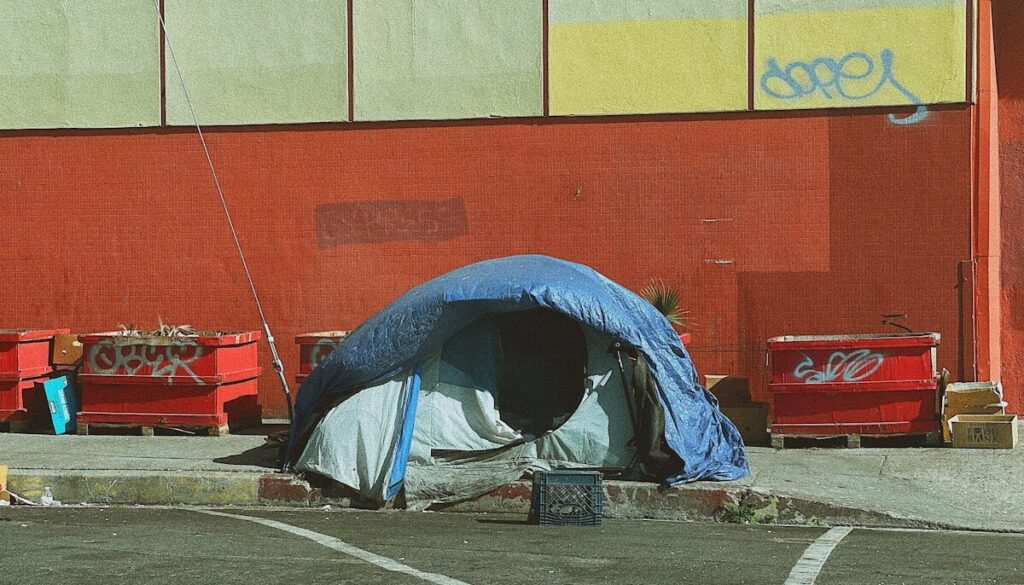
“Designated encampment sites are a temporary, managed response to outdoor sheltering,” the report reads. “They are not a replacement for housing. Their purpose is to improve outcomes, coordinate services, and better manage the use of public spaces while longer-term housing solutions continue to advance in the community.”