Minnesota prepares to implement high-profile crypto kiosk ban
By Mike Moen – Producer/Minnesota News Connection
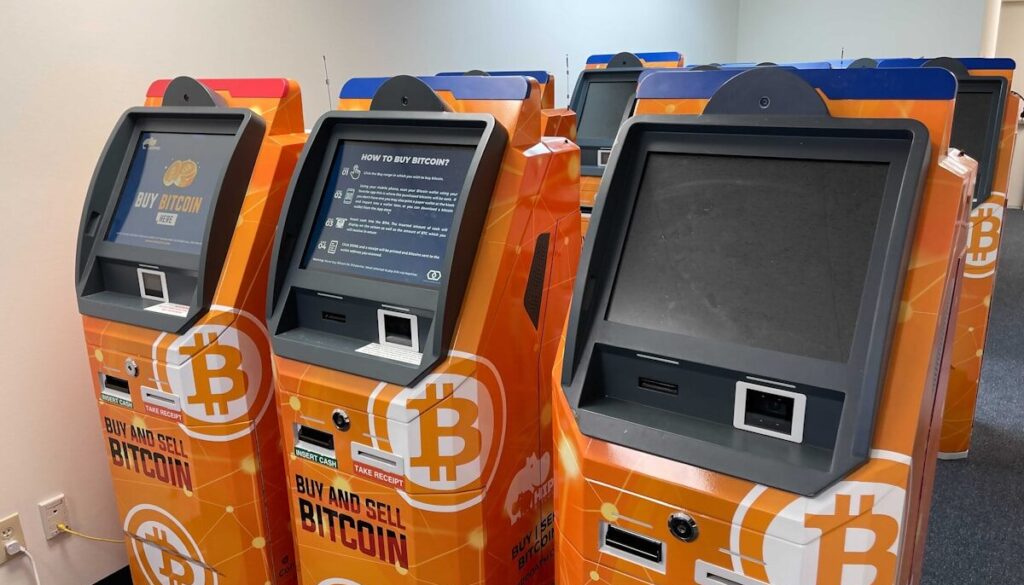
Minnesota retail sites have until August 1 to comply with a new state law banning cryptocurrency kiosks.
The state joined a short list of jurisdictions to outlaw the machines amid mounting concerns over people being scammed.
Gov. Tim Walz signed the ban hailed by consumer advocates and police departments on May 5th.
AARP reported,nationwide, machines handling virtual currency transactions were used in scams, leading to nearly $390 million in reported losses in 2025.
Jay Haapala, associate state director of community engagement for AARP Minnesota, says because there is a three-month window before the law takes effect, there is a good chance more people will be targeted.
“In between now and the start of August, people can still send money using these machines, and people will be scammed,” Haapala cautions.
“If anyone who said you ought to send them money using a crypto kiosk, it’s a big red flag.”
He stresses that if you do get scammed this summer, you need to reach out to local law enforcement and the kiosk operator to seek a refund.
A 2024 state law paved the way for relief, but Haapala acknowledges there are still loopholes, necessitating the pending ban.
Machines need to be offline starting August 1st and need to be removed from gas stations and other host sites by December 31st.
The crypto industry has fought back against tighter restrictions taking shape around the U.S.
Sara Payne, assistant commissioner of enforcement for the Minnesota Department of Commerce, says people can still make transactions through online platforms regulated by the state.
She points out that her agency will work with operators on preparing for the kiosk ban while educating the public on reporting violations.
“There are about 400 kiosk locations in the state of Minnesota,” Payne explained. “They’re found in gas stations, convenience stores and grocery stores, which make them extremely convenient for scammers and difficult for victims to resist under pressure.”
Haapala emphasized the emergence of crypto scams adds to the psychological effects older Minnesotans feel when bad actors use all kinds of technology to steal from people.
He notes the constant “second-guessing” can be disruptive.
“It’s bad enough when people lose their life savings,” Haapala observes.
“But we’ve heard stories from consumers just about the uncertainty that they have approaching their daily life, whether it’s making payments or just responding to the requests they receive by email or text.”