Auditor general warns on highways, deficit and debt
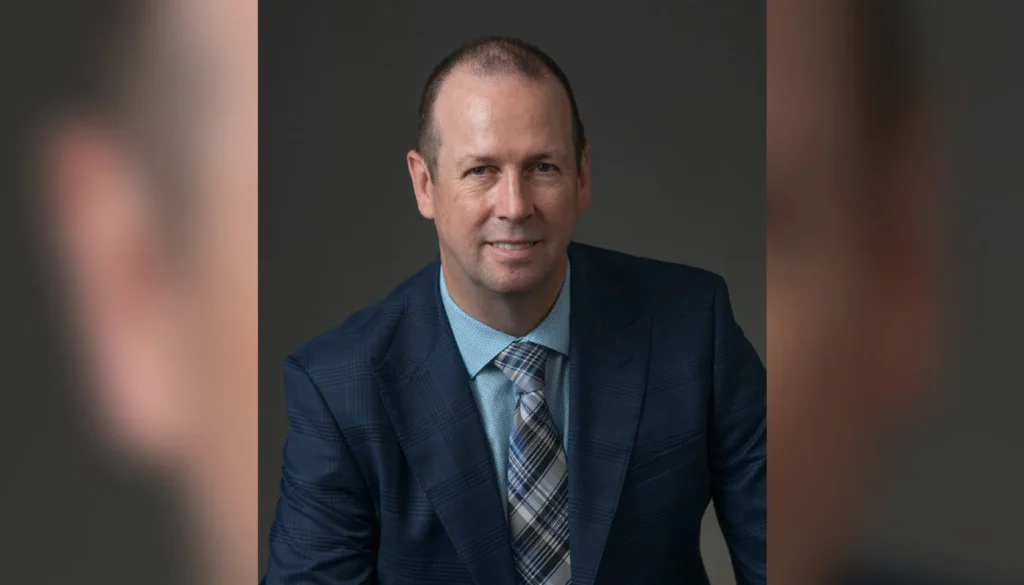
New Brunswick’s highways are falling behind on safety and maintenance, according to Auditor General Paul Martin.
In his latest report, Martin said 43 per cent of the 17,000 kilometres of department‑operated highways were rated poor or very poor in 2023‑24.
He told the legislative assembly that the Department of Transportation and Infrastructure has not developed a provincial road safety strategy.
New Brunswick recorded the highest per capita highway fatality rate among Canadian provinces last year.
Martin’s office also found delays in processing collision data, with some reports taking more than two years to be entered into the system.
He said the lack of timely information led to fatalities being under‑reported in 2020 and 2022 when Transport Canada published estimates.
The report noted gaps in oversight of public‑private partnership highways, no monitoring of winter road maintenance, and inconsistent prioritization of high‑risk repairs.
Martin made 24 recommendations to improve highway safety and oversight, all of which were accepted by the department.
Province records first deficit in eight years
Martin also tabled his office’s financial statement audit of the provincial government for 2024‑25.
He issued an unqualified, or clean, audit opinion on the financial statements but reported a $104‑million deficit — the first in eight years.
He said the shortfall was driven by a $1.1‑billion increase in spending, mainly in the departments of Health and Social Development.
Net debt rose by $500 million to $12.3 billion, with capital assets such as schools, hospitals, roads and bridges accounting for 80 per cent of that total.
Martin noted the government recorded $156 million in revenue from a tobacco settlement with companies sued for health‑care costs.
He also raised concerns about NB Power’s ability to sustain its operations and said more than $300 million in receivables owed to the province had not been collected.
His office recommended that Service New Brunswick reinspect residential and non‑residential properties more regularly, after finding most had not been visually checked in more than a decade.