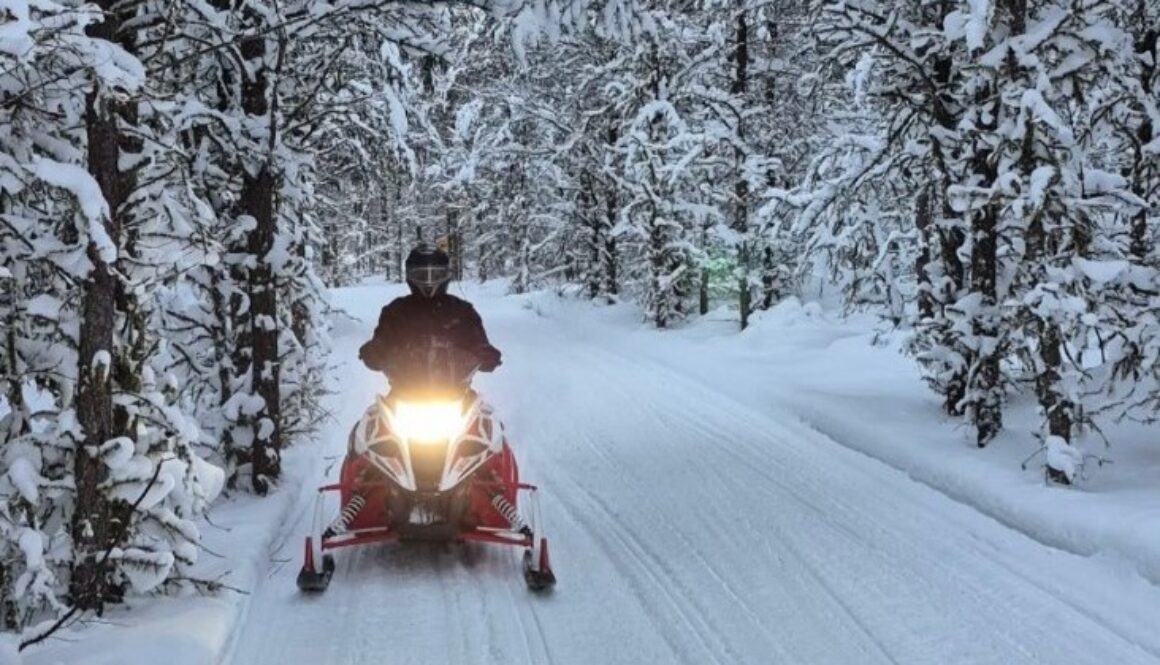
There’s a certain magic to Northwestern Ontario that reveals itself the moment the snowpack settles deep into the forests and lakes. Early mornings hum with the sound of a snowmobile engine warming up, sending echoes through the frosted pines. Riders follow winding white trails that weave through endless evergreens, each turn offering a fresh breath of crisp, cold air.
“Nature’s Beauty” Photographed by Remo Knecht
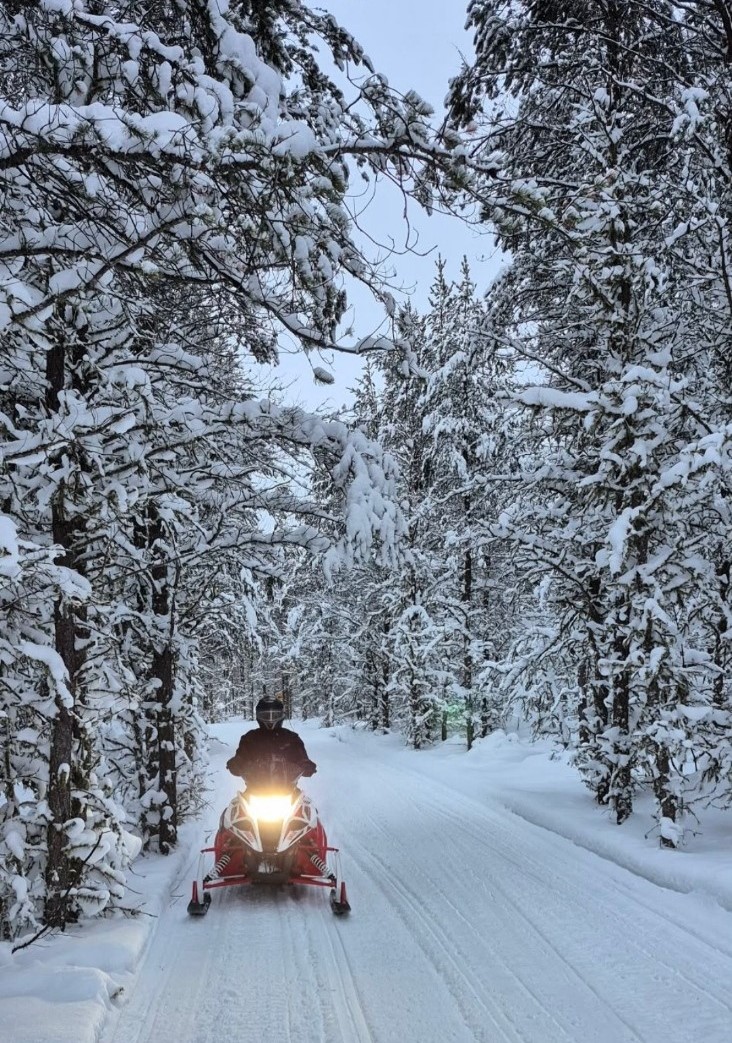
By afternoon, the cold settles in with its familiar bite, the kind that stings your fingertips. Out on the open stretches, the landscape feels vast and untouched, frozen lakes shimmering faintly under the pale sky, and spruce trees dusted with fresh snow. It’s the kind of cold that demands respect but rewards adventure, turning a simple ride into a journey through an untouched northern world.
“Fresh snow on trees on a crisp morning” Photographed by Wayne Morrison
And when night comes, the real magic happens. The sky erupts in sweeping curtains of green and red, dancing across the darkness like something alive. The aurora borealis paints the horizon above quiet towns and frozen shorelines, reflecting softly off the ice below. Under those lights, with engines quiet and the world hushed, Northwest Ontario reveals its soul, wild, beautiful, and unforgettable.
“Beautiful Grassy Narrows” Photographed by Robert Williamson
📸We would love to see what you see. Grab your Phone or Camera and send me your best shots.
For those of you who haven’t been introduced, I’m Sam, 99.9’s first-ever Jewish journalist.
I moved to Thunder Bay this year from Toronto, a city with a long-standing and historic Jewish community nearly as large as our entire city.
Last week, I decided it might be fun to write something about a Jewish holiday taking place in the lead-up to Christmas.
But earlier today, in Australia, a Jewish event celebrating the holiday was attacked in a brutal and horrifying mass shooting.
At least 11 people have been killed, and 29 wounded in the attack.
In the days and weeks to come, great debates will be had about the motivations of the two individuals who carried out the shooting, but until more information comes to light, there is no use in speculating.
When events like this happen, I am reminded that the spectre of antisemitism, which has haunted Jewish people for two millennia, is alive and well despite the progress we have made since the Second World War.
A constant lesson of our history is the need to carry on no matter the tragedy, immortalized in the phrase this too shall pass.
Through expulsions, pogroms, and mass killings, Judaism has persisted, and its people have continued to proudly bear our label despite the risks.
When I woke up this morning to the news, I considered deleting this piece, feeling the light-hearted tone was no longer appropriate.
I changed my mind: I suspect that the men who attacked the Australian event earlier today would love nothing more than for Jewish folk around the world to spend their Hanukkah in quiet fear, afraid to attend public gatherings or publicly identify with Judaism.
At times like these, it is more important than ever to joyfully share our heritage and traditions, in public and without apology.
So read on if you wish to learn about the holiday of Hanukkah, which has always been my favourite Jewish holiday, and which was being peacefully celebrated on a beach in Sydney when 11 lives were taken this morning.
Hanukkah, our festival of lights, begins tonight and ends on Monday, December 22.
A brief Jewish history lesson
I’ve always loved Hanukkah as a history buff, because the holiday celebrates a well-documented and inspiring historical event that took place a full 1,500 years after the Torah (what you likely know as the Old Testament) was written.
Unlike the biblical events that define most Jewish holiday celebrations, there is no historical ambiguity to Hanukkah. We know, in fairly certain terms, what happened, when, and by whom.
If you hadn’t heard, the Jewish faith traces its roots to the modern-day lands of Israel and Palestine – specifically, in what today makes up the occupied territory of the West Bank in Palestine, which Israel refers to as Judea and Samaria after the ancient Jewish kingdoms that used to exist there.
Judea, the southern kingdom with its capital in Jerusalem, was the centre of Jewish life in the age of antiquity.
Despite centuries of occupation by foreign conquerors, Jews in Judea had been allowed to practice their religion and culture by their occupiers.
But in the 100s BCE, the Seleucid king Antiochus IV, who ruled the Levantine portion of Alexander the Great’s fractured empire, decreed that the Jews would be Hellenized, outlawing the Jewish faith and forcing my ancient ancestors to worship the Greek pantheon.
Alas, Zeus and co. were not really our cup of tea.
The event sparked a great rebellion led by a Jewish family known as the Maccabees.
The rebellion was very much in the vein of a David fights Goliath story, as the small Jewish kingdom of Judea challenged a great empire and emerged victorious against all odds.
Festival of Lights
If you’ve ever heard of the Western Wall in Jerusalem, you may know that in the age of antiquity, that wall used to be one piece of the outer ring of a great Jewish temple that was central to the ancient Jewish faith.
The temple would eventually be destroyed by the Romans, but at this time it still existed and was of great importance to the ancient Jews.
When the Maccabean rebellion broke out, their adversaries, the Seleucid Greeks, sacked the holy temple.
After driving out their occupiers, the Maccabees returned to Jerusalem only to discover the temple in a state of disrepair.
A large menorah, or seven-stemmed candelabra, stood tall in the temple.
It was traditionally meant to illuminate the holy temple 24/7 by burning olive oil.
The menorah had not been allowed to burn its seven flames while under Seleucid occupation.
This is where history becomes legend: upon liberating Jerusalem, the Maccabees could find only one small jar of lamp oil in the temple for the menorah – enough to last for just one day.
Miraculously, the lamp oil from that tiny jar burned for eight days, giving the temple’s caretakers enough time to restock their oil supply.
The story of the burning menorah is central to the holiday tradition: we celebrate Hanukkah for eight days to represent the eight days that the little jar of oil burned.
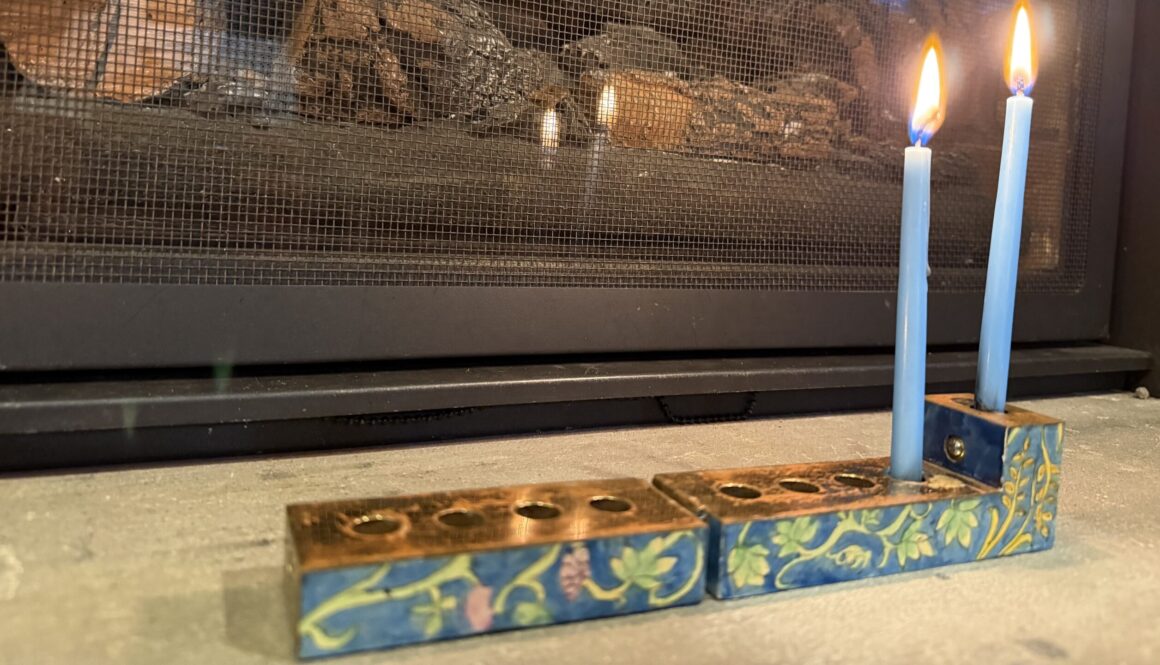
Over the holiday, Jewish families light a modified menorah called a Hanukkiah, which has nine stems, in our homes.
Today, we light candles rather than burning olive oil.
Eight stems on the Hanukkiah represent the eight days of burning, and a ninth stem, the Shamash, or helper in Hebrew, is used to light the other eight.
Each night of the holiday, we light another candle. On the first night, we light one candle, on the second two, and on the final day, we light all eight candles with the Shamash.
But what about the food?
As we all know, a holiday is only as good as its traditional foods.
For Hanukkah, we serve deep-fried Latkes (potato pancakes) as the star dish.
We usually top them with sour cream or apple sauce, though in my family, we sometimes top them with smoked salmon.
Other traditional foods are Sufganiyot, or jelly donuts, and gelt, or chocolate coins.
One of Hanukkah’s traditions is to play dreidel: the four-sided spinning top functions similarly to a dice.
A dreidel, or Jewish spinning top. The four Hebrew letters on the four sides represent an acronym translating to “a great miracle happened there.” (Sam Goldstein/December 10, 2025)
We teach our children the horrors of gambling at a young age by allowing them to gamble their chocolate gelt, so they can feel the pain of losing all their sweet chocolate money when the dreidel lands on the wrong side.
Hanukkah is also a time to bring out other classic Jewish foods: Challah, or Jewish egg bread, Kugel, or egg noodle casserole, apple cake, and, god willing, juicy beef brisket.
If, like me, you’re away from your family this holiday season, I hope it comforts you to think of the traditions, the comfort foods, the stories, and the heritage that you’ve left behind.
But of course, you haven’t really left it all behind. These things live within you everywhere you go, as they do in me.
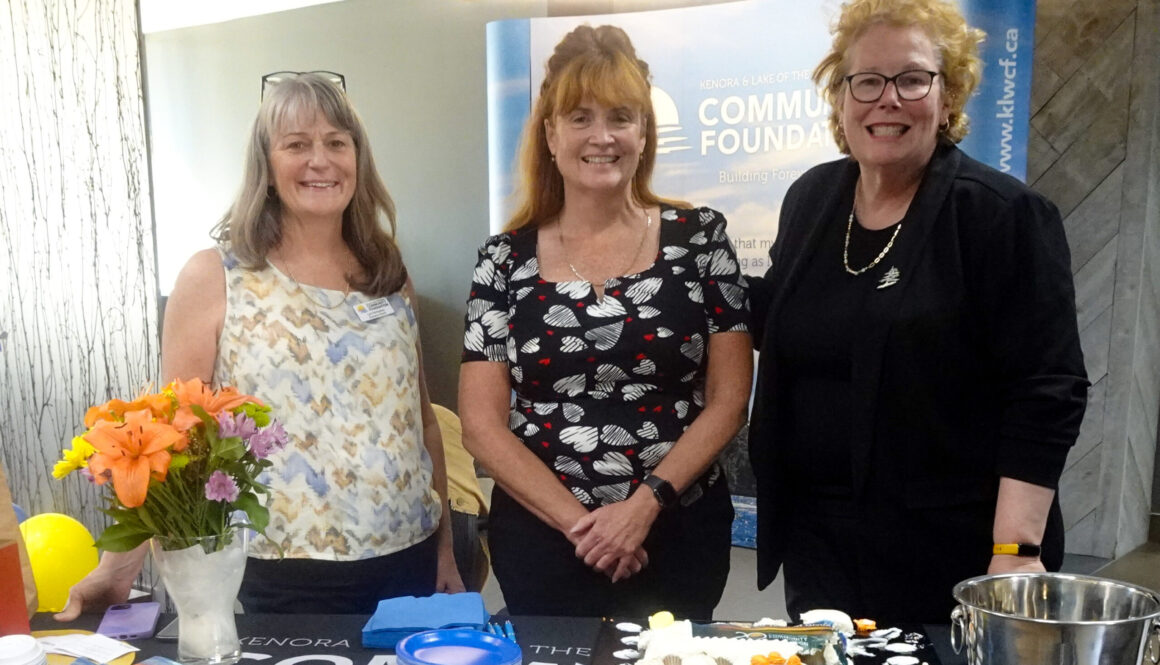
In this month’s Kenora & District Chamber of Commerce Business Spotlight, we’re shining a light on the Kenora and Lake of the Woods Community Foundation – a charitable organization dedicated to strengthening our region. For over 20 years now, the Foundation has played a key role in supporting local charities, youth initiatives, and community projects that make Kenora and the Lake of the Woods region a better place to live. We sat down with Executive Director of the Community Foundation Lynn McAughey and Communications & Community Engagement Coordinator Darlene MacGillivray to learn more about their work, their impact, and the people who help bring their mission to life. Q: Can you share a bit about your background and how you came to lead the Community Foundation in Kenora? Lynn: “I always knew about the Community Foundation in my role as a principal and knew about the grant opportunities that supported children and youth. I spent over 27 years supporting youth and families as an administrator with the Keewatin Patricia District School Board.” “And I’m really pleased to have the opportunity in the last two years to be able to support all of our community, not just youth and families, but elders, seniors, and all different kinds of charities and agencies that are doing quality work in Kenora and the Lake of the Woods Region.” Q: For those who may not know, how would you describe what the Community Foundation brings to the Kenora community? Lynn: “The Community Foundation has three major roles. First, we have a partnership with many community charities and agencies – the City of Kenora, Lake of the Woods Hospital Foundation, and a variety of other charities. We build partnerships to strengthen our community. We have two major financial roles – one is to grant to local charities who are proposing projects to support our community, and the other is to build endowment funds and accept donations. The proceeds of the endowment fund, not the capital – just the proceeds, are what we grant out to the community. In 2024, we granted over $770,000.” “We also have a strong connection to youth in the community through the Youth in Philanthropy program in local high schools. That program allows students to research and learn about local charities, and they do a mock granting process every year where they choose charities of their choice, and we have generous sponsors who support those grants. So, youth in our community are learning about what it means to be a philanthropist, give back to your community, and support others.” Q: Many people may not realize how accessible charitable giving can be. What should the community know about donating to the Foundation? Darlene: “When we first got going 20 years ago, our Board of Directors always thought that this would be built on the legacies and estates of people who had passed on. But as we grew and brought our message forward, living people saw the good work that we were doing, and wanted to make gifts and help make grants. When we had our granting ceremony in June this year, we had about 100 people come out and recipients had the opportunity to thank them and show them the good how the grant was going to be used. It’s very powerful to see those good actions turn into reality.” Lynn: “And not everyone needs $1 million to make a donation. For as little as $42 per month, you can build a named fund in your name to give to a charity of your choice, or an area of granting interests – health and wellness, community grants, animal welfare, memorial funds, etc. There’s many ways to give, and it doesn’t always require a lot of cash.” Q: Volunteers play a major role in the Foundation’s success. Can you share more about the impact they have? Lynn: “The Foundation works with a number of quality volunteers in the community. We have a Finance committee made up of volunteers who are well-versed in investment, accounting, management, and the charitable work of the Community Foundation. We rely very heavily on our volunteers. Our Finance Committee is very important, and our Endowment Building Committee works very hard to help us with our practices around asking for donations, recognizing our community partners, and understanding the importance of giving back to the community.” Darlene: “We’re volunteer driven and volunteer based, so our boards and committee members are all volunteers. They’re like a bulldozer with the blade down, just making it happen. For many years, it was just a one-person operation here, and we’re so lucky to have three of us here now. But the rock that we’re built on, is our volunteers.” Q: What’s the next big event coming up for the Community Foundation? Lynn: “The Festival of Trees on November 29th is a historical, heart-warming event for us and a cherished tradition in our community. It’s an opportunity for philanthropy to join together with the holidays, and everyone loves a good Christmas party.” “This year’s theme is a Mistletoe Masquerade and has a fundraising goal of $50,000. It’s a really important fundraiser for us, and it gives us an opportunity to highlight our strong community partners. We have 11 trees that are decorated and will be auctioned off, and a number of prizes. It’s a really nice thing to do, bring your family, look at the trees, play some games, enjoy the music, and consider making a donation to the Community Foundation. And many people who purchase the trees end up donating back to the community. It’s a beautiful tradition of giving.” Q: What’s next for Foundation as it continues building for the future? Lynn: “I’m very excited to partner with the City of Kenora around the Community Safety and Well-Being Plan and what that might look like. It’s an opportunity to be more informed in our granting. The Foundation of this organization has done incredible good in this community, but the potential to continue to support the community is fairly significant. The struggles in our community are not unique, but we want to help and support our community.” Darlene: “I’m excited about our new billboard!” Q: What makes the Community Foundation’s work so rewarding on a personal level? Lynn: “It’s a lot of fun. It’s really beautiful to see the community’s support and the willingness of people to support the Community Foundation. It’s impressive. I never anticipated just how generous this community could be. It’s really humbling to see each day.” Darlene: “It’s all about the future of Kenora. The Community Foundation is made up of so many people and so many stories. Real people who have made a real difference. And maybe soon, we can help another community in the region to start their own Community Foundation.” The Kenora and Lake of the Woods Regional Community Foundation continues to lead by example – supporting the community, their staff, and Kenora as a whole. The Kenora & District Chamber of Commerce is proud to highlight the important role they play in our community. The KDCC sends a big thank you to Lynn and Darlene for sitting down with us! If you would like your business highlighted, please reach out to the Kenora & District Chamber of Commerce by emailing: communications@kenorachamber.com.
Thank you to our amazing community for sharing their snapshots of Northwestern Ontario!
As we wrap up fall, we’re still in awe of the auroras dancing across the night sky and the last golden hues of autumn. Show us your NWO—submit your favourite shots for next month’s feature!
We’ll be featuring your submissions right here. We’re waiting to see your best shots! Don’t miss the chance to show off your view of Northwestern Ontario.
“A Lunar Halo” Submitted by Angela Edison
“Crimson Aurora” Submitted by Angela Edison
“Symphony of Light” Submitted by Angelle Kabatay
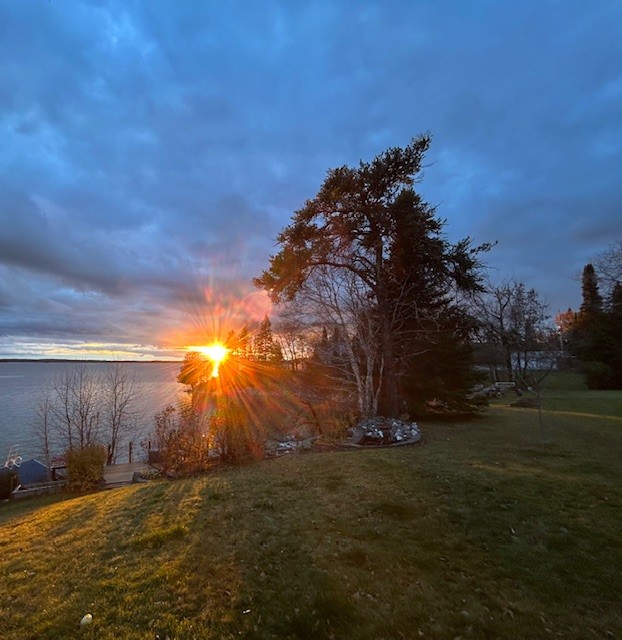
“Sunfire Through the Pines” submitted by Lynne Slack.
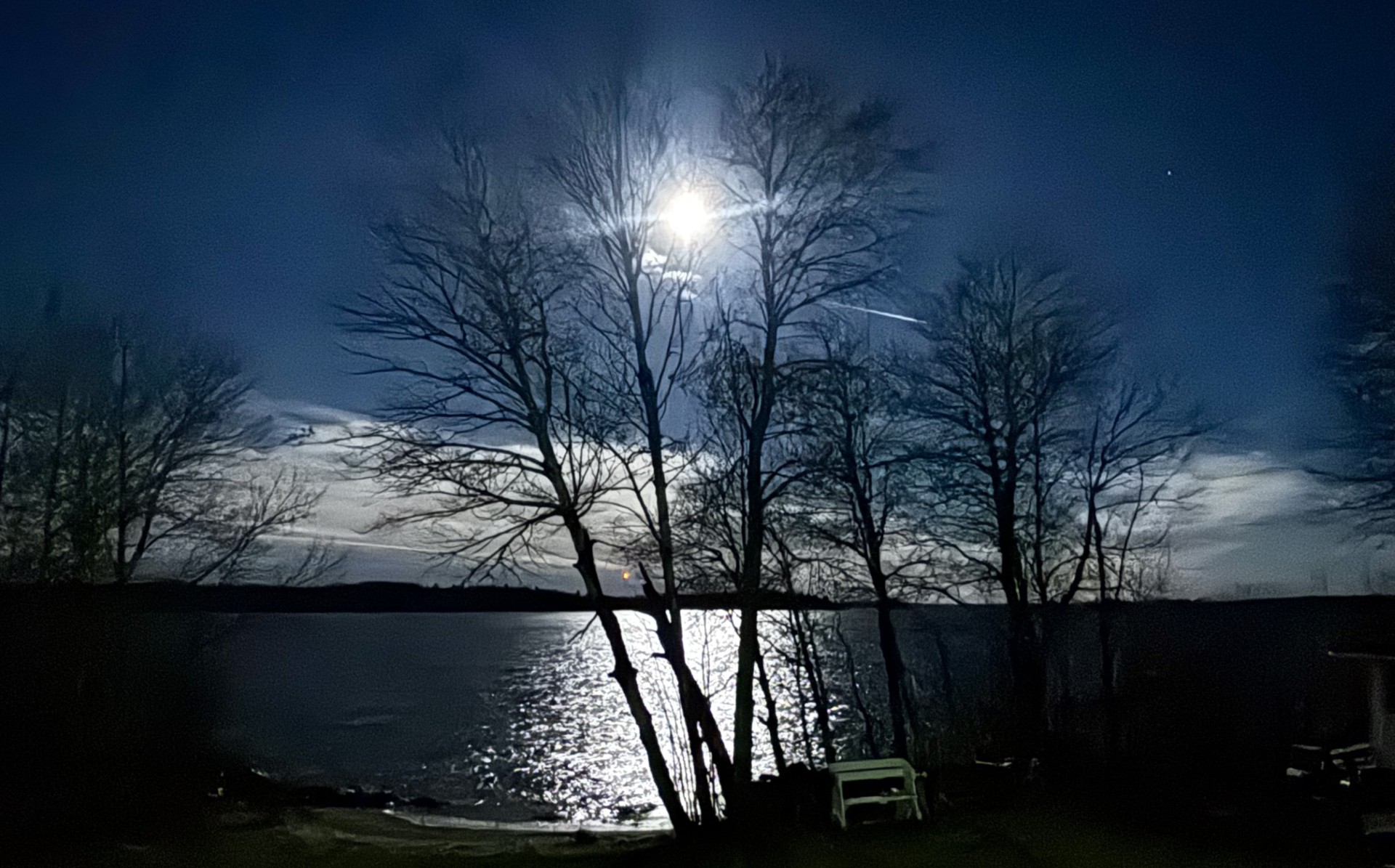
“Moon over Regina Bay” submitted by Keith Merrick.
📸We would love to see what you see. Grab your Phone or Camera and send me your best shots.
Budgets, meetings, budget season, operating and capital. You may have been hearing those words a lot lately if you’ve been keeping up with Council.
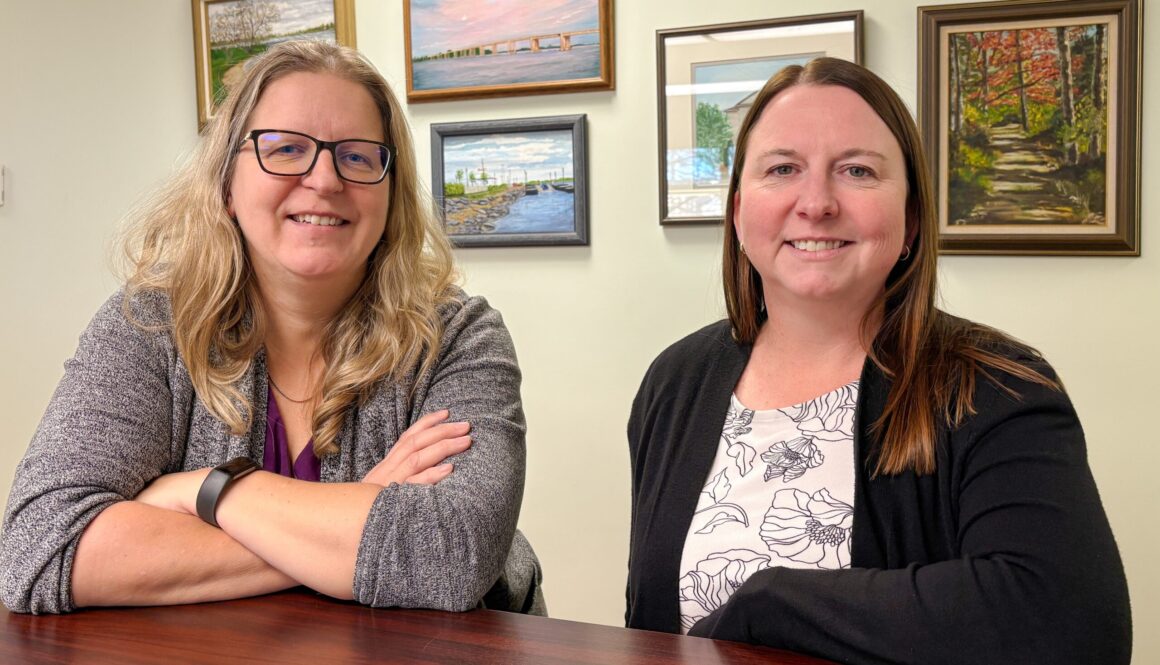
It’s that time of year again in municipal government where the Town must figure out what next year and beyond looks like financially. There are a lot of things to consider and keep in mind when drafting the municipal budget, and I sat down with Treasurer Dawn Galusha and Deputy Treasurer Penny Hutton, to help understand what the budget process really looks like.
The first item on the to-do list in treasury is to create the budget schedule. Typically, this is a process that is tried and true for the Town of Fort Frances, but this year is different.
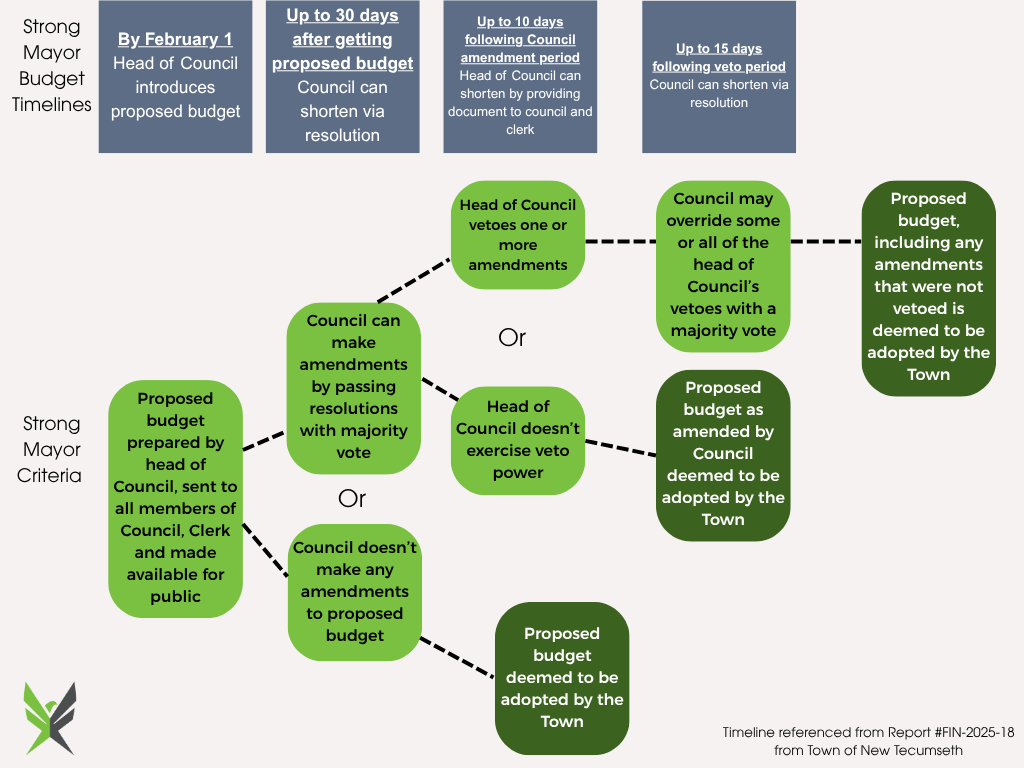
“This year involved a lot of research on Strong Mayor Powers,” said Dawn Galusha. There’s another phrase you may have become familiar with in the past year or so – “Strong Mayor Powers”. These were granted to over a hundred municipalities in Ontario, including the Town of Fort Frances, on May 1st of this year. These new powers have an impact on the budgeting process, and regulations outlined in O. Reg 530/22 need to be followed. “Typically, the timeline for the budget process is early September to late March, but the mayor has veto powers that can impact that timeline.”
Putting Strong Mayor Powers aside, Treasury considers the influx of meetings to be among the most difficult parts of the budget process. Each department needs to be consulted with to identify their needs for the capital budget, and the amount of time needed for discussion varies from department to department.
But it’s not all about meetings, schedules and departments; there is also Council and residents to consider. “We have to balance the needs of council and community, while trying to make everyone happy,” Galusha told me. “We have to consider the future, determine needs versus wants and are those things achievable for this year, and time – do we have enough? Things like grant applications can take a lot of time.”
There are many moving pieces to putting a budget together, and it takes a lot of hard work from a small team of people. Something to keep in mind during this process is that the budget is for the entire town. “We are trying to manage and meet the needs of the community, and we try to do it all within manageable tax rates.” From the time you get up in the morning to the time you go to bed, you will have used a municipal service provided by the Town, and it all has to be considered in the budget.
More information on the budget process for the Town of Fort Frances can be found on the Finance & Taxes page of the Town website, or you can watch the September 8, 2025 Regular Meeting of Council on the Town YouTube channel.
Editor’s note: This is the first in a series of articles submitted by the Kenora and District Chamber of Commerce
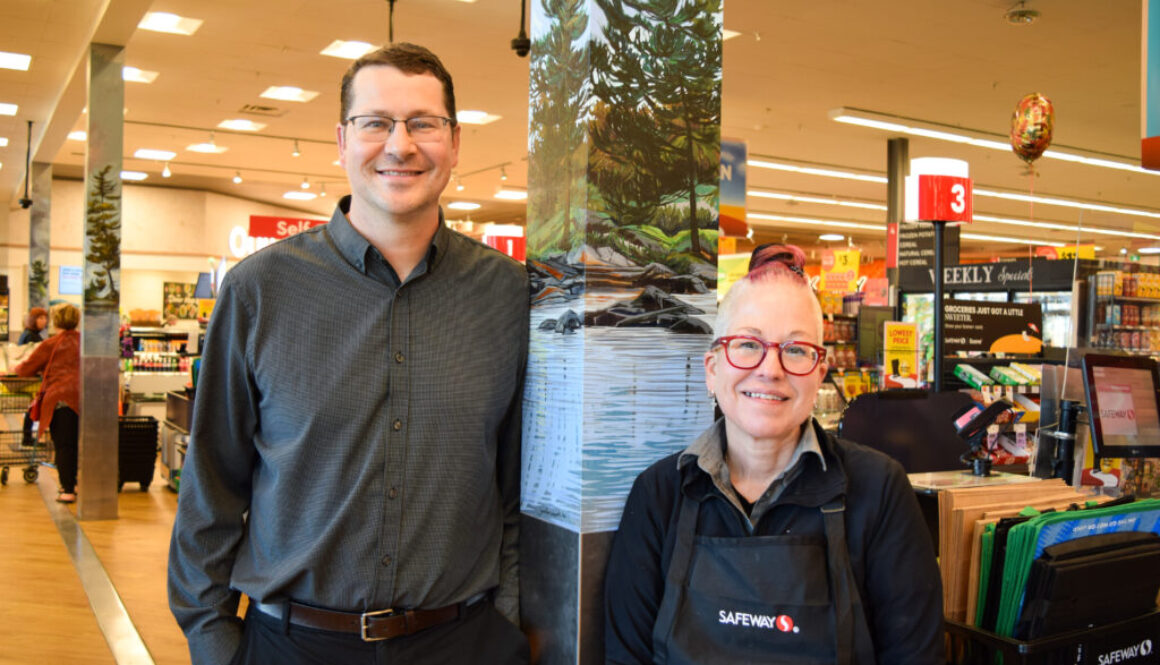
This week we’re shining a light on Kenora’s Safeway — a cornerstone of the community that has long been known for its high-quality products, exceptional customer service, and deep commitment to local support. We sat down with Trent Hamilton, Store Manager of Safeway Kenora, to learn more about how the store contributes to our local economy, how they support their dedicated staff, and what makes Kenora such a special place to live and work. About Trent Hamilton Q: Can you share a bit about your background and how you came to manage Safeway here in Kenora? “I’ve been running Safeway here for 10.5 years, and before that, I was the Assistant Manager here for a couple of years, 15 to 16 years ago. I had to leave to Saskatoon to get my own store and was lucky enough to get the chance to come back and get to run this store.” What Safeway Brings to the Community Q: For those who may not know, how would you describe what Safeway brings to the Kenora community? “We sell groceries. Everyone laughs but, I love selling groceries. We try to offer something to everybody in the community. Sometimes a little bit higher-end – full service meats, cut fruit, a full bakery, a full deli – something for everybody.” Community Involvement and Local Support Q: Safeway has always been known for its community involvement. What motivates your team to stay so involved in supporting local initiatives and events? “At the end of the day, without the community – the stores don’t run. Without customers, we don’t run. We have a lot of fingers in a lot of different ponds, trying to help out wherever we can – hockey, baseball, figure skating, service clubs like rotary and kinsmen. At the end of the day, I think it’s the right thing to do. You have to be a good corporate citizen, and I think people appreciate that.” Creating a Positive Workplace Culture Q: What do you think makes Safeway such a positive place to work, and how do you maintain that culture within your team? “I’m super lucky. I have great staff, and customers see that. Before my time, John Dahl ran Safeway here for 20 years – a phenomenal man – and he built that culture where we look for people that want to help people out and genuinely want to serve people. You see that bleed through. They’re going to do the right thing for customers. That’s the big thing, and that’s harder to teach.” “And I’m thankful that we have a lot of leaders and key people in the store that come to work everyday and their sole focus is just to make people happy. It creates a workplace where not only is it fun to come into work, but customers are happy to come here. It’s a really positive place to work.” Kenora’s Strengths Q: In your view, what does Kenora do especially well as a community? “We do a lot of things really well. We highlight what Kenora has to offer. We’re right on the lake, people shop by boat, and we’re surrounded by nature. The Kenora & District Chamber of Commerce and the City of Kenora do a great job with events that bring people to Kenora, like the Matiowski Farmers’ Market and Open-Air Markets.” “For me personally, I’m always really proud of our great, young people who work for us. Some people say young people don’t want to work, but that’s not my experience. We have phenomenal summer residents who come out and stay at the cottage, and without them, it would be tough through the summer. Kenora does a great job of incorporating those summer residents and making them feel at home. It makes a big difference.” Looking Ahead Q: What’s next for you personally, and for Safeway here in Kenora? “This is it. I’ve had my opportunities if I wanted to do more than run a store, and I’ve said thanks but no thanks. This is home for me, my kids and my wife. As long as I keep fooling them into thinking I know what I’m doing at the store, I’m going to stay here until I retire. I love Kenora, this is home for us.”
Kenora’s Safeway continues to lead by example – supporting the community, their staff, and Kenora as a whole. The Kenora & District Chamber of Commerce is proud to highlight the important role they play in our community. The KDCC sends a big thank you to Trent and his team at Safeway for sitting down with us! If you would like your business highlighted, please reach out to the Kenora & District Chamber of Commerce by emailing: communications@kenorachamber.com
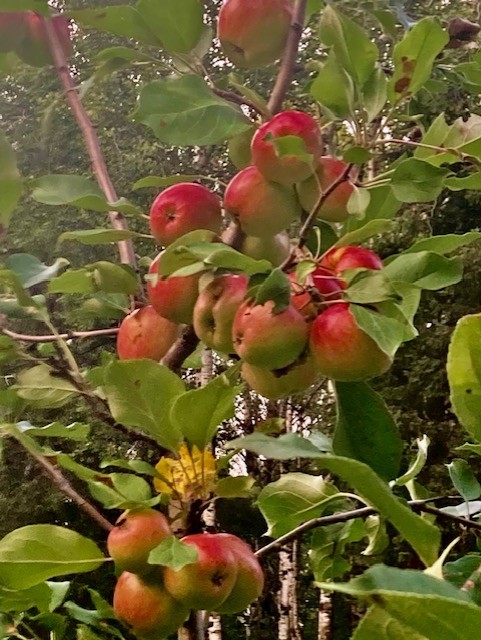
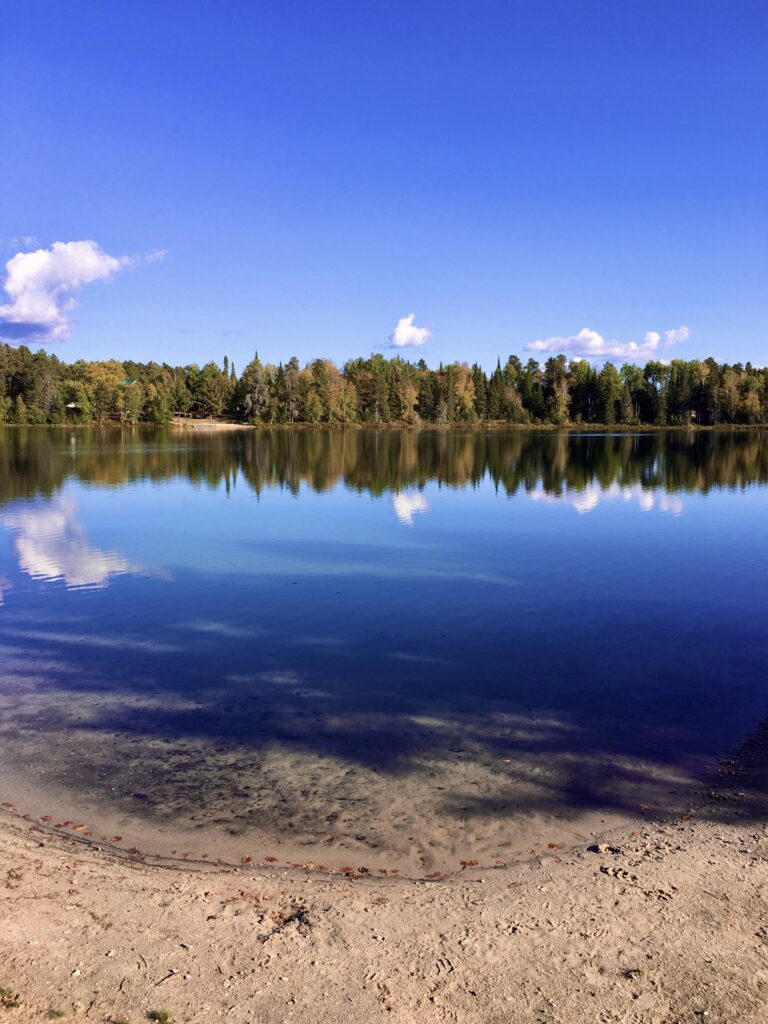
Thank you to everyone who submitted their stunning fall photos! We’ve been lucky with some beautiful weather lately, and it’s given us the perfect opportunity to capture the vibrant colors and peaceful moments that make this season so special.
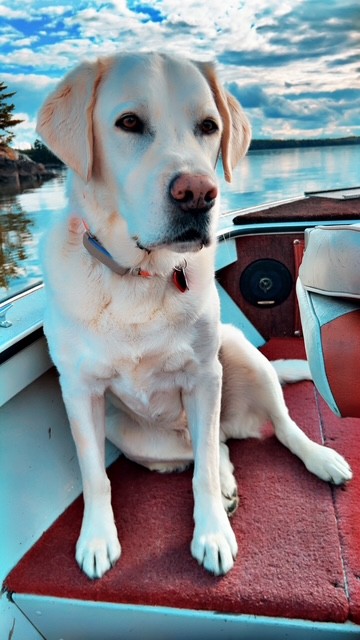
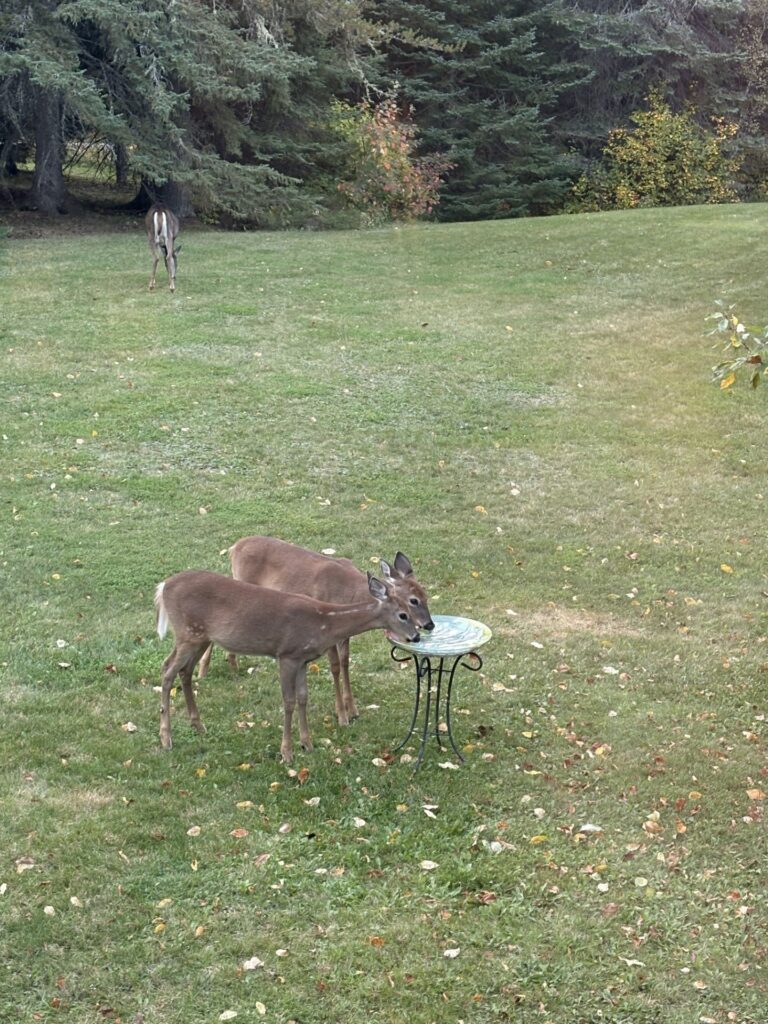
Your submissions truly highlight what life is like in the communities we call home. From quiet lakeside mornings to our fur babies on the boat, each photo tells a story of why North-Western Ontario is such an incredible place to live.
Let’s keep showing the world what makes NWO awesome: the people, the places, and the spirit of our region.
(Scroll down to enjoy a gallery of this season’s submissions, and keep them coming!)
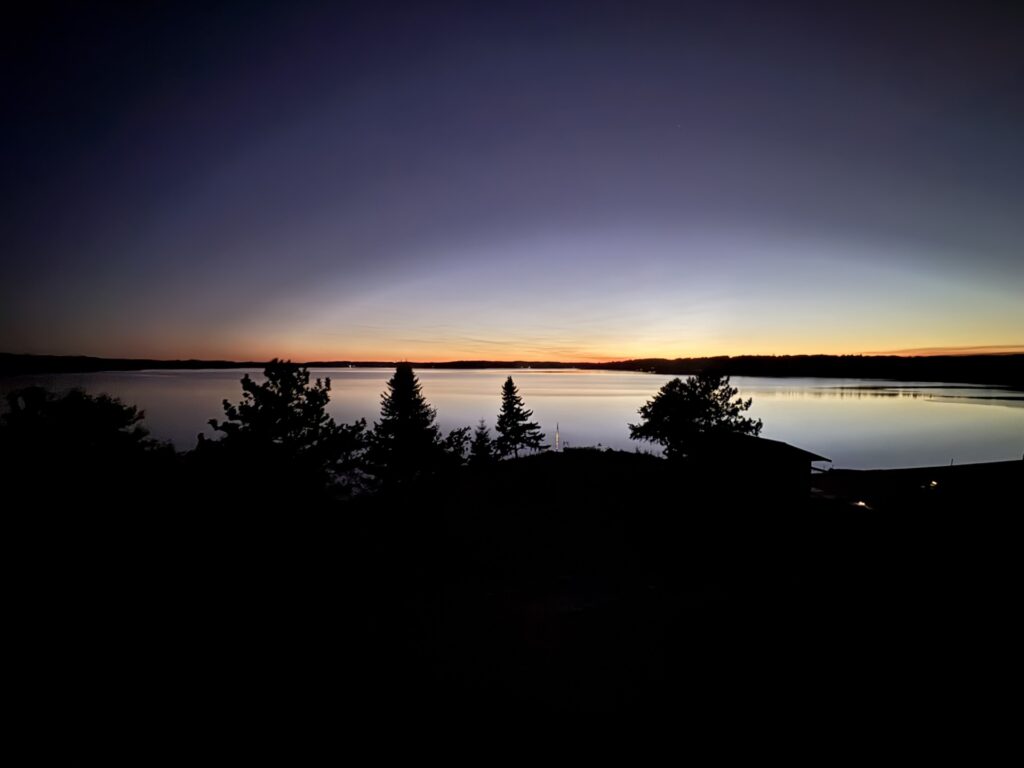
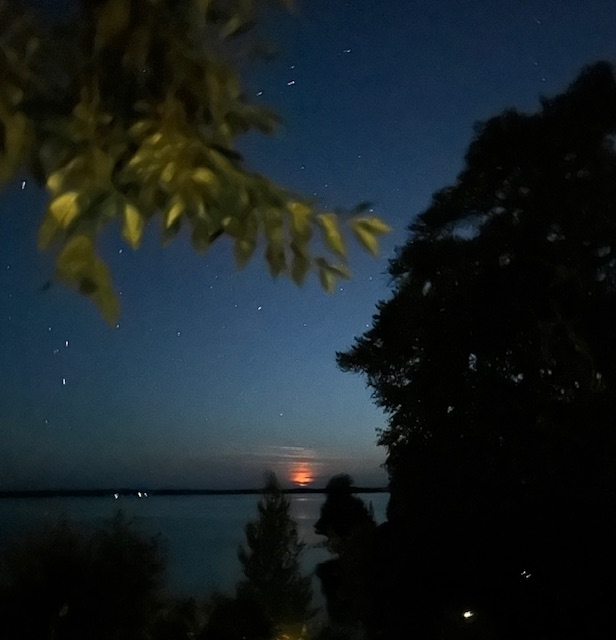
Beautiful Lake and Northern Lights photos by William George
Sunday afternoon fishing with Solomon on Wabigoon lake, Dryden by Lynne Slack
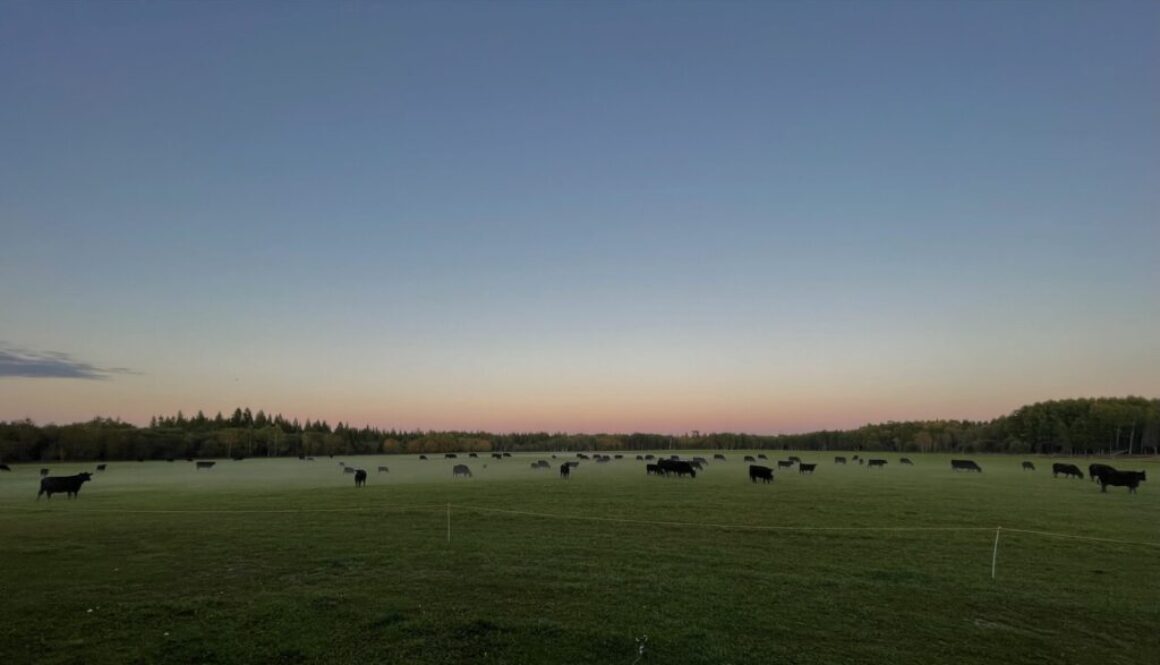
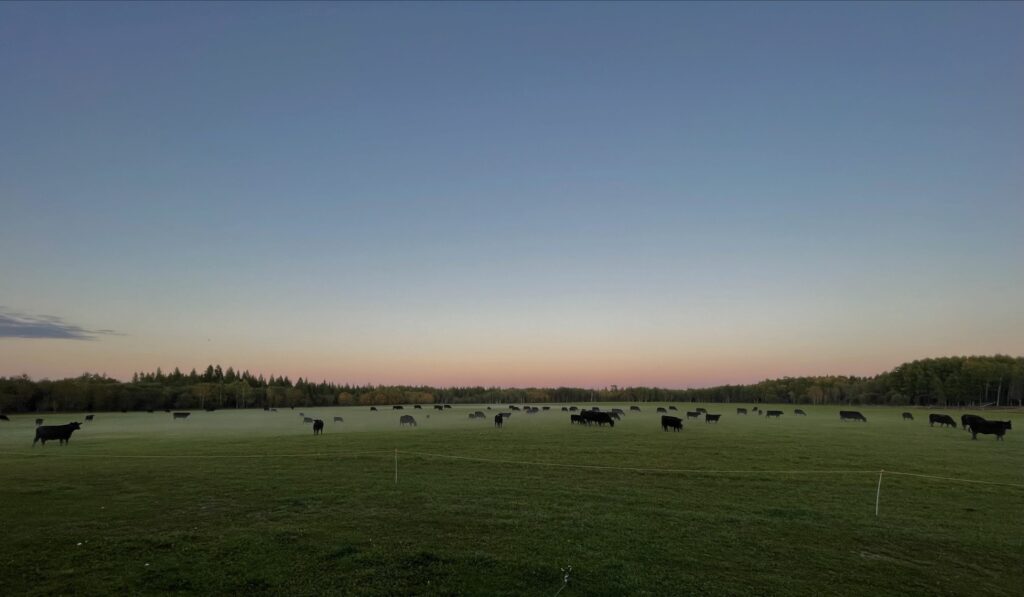
Image of Rocking K Ranch by Lisa Koshel (Oxdrift, ON)
Foggy Lone Fisherman by Kayla Pitchenese
The Beautiful Autumn Dance of Color has Begun, Elisabeth Anne West
Woodland Refreshment by Darcy Danielson
In Memory of Val Durocher by Cyndey Cumming
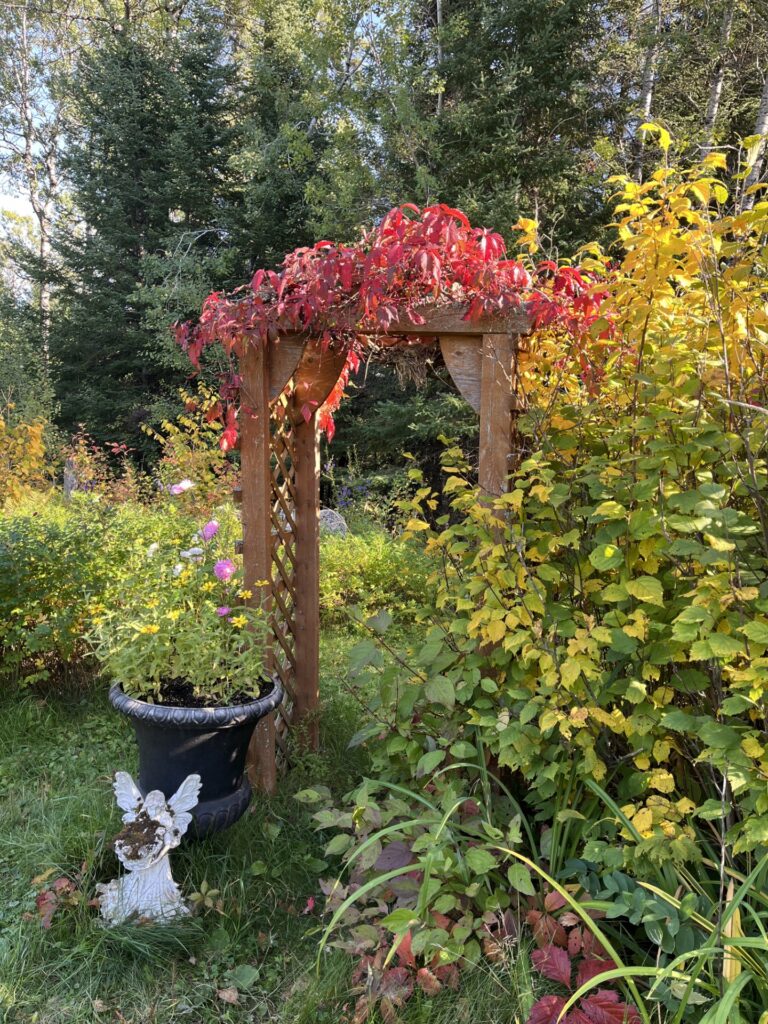
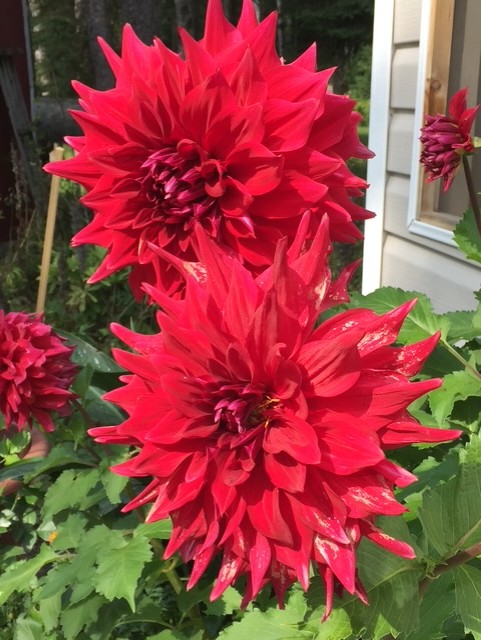
Garden Symphony: A Celebration of Color and Life by Cydney Cumming
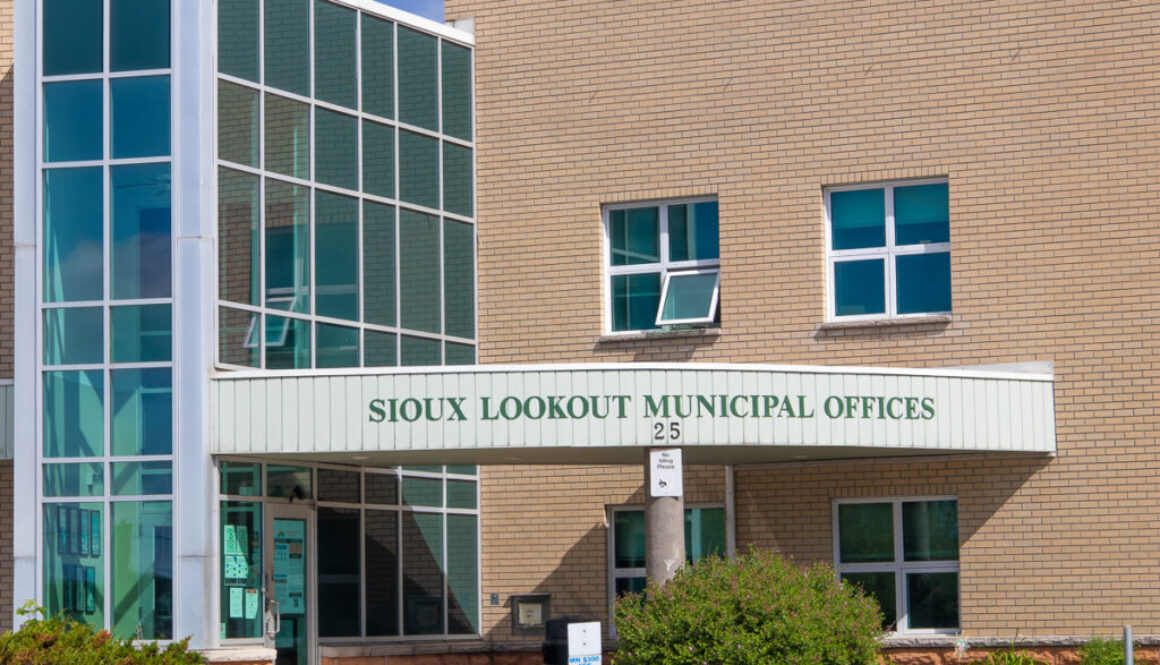
The community is buzzing right now, with the launch of Sioux Lookout’s very first Community Choice Project Fund. This pilot project will see $20,000 from the Municipal Accommodation Tax allocated to a project suggested by and voted for by residents of Sioux Lookout. We are looking for novel ways to give residents a greater voice in what projects are developed to improve the quality of life in the Hub of the North.
We will be accepting project idea submissions until October 31st at 4:00 p.m. through an application form available on our website at https://www.siouxlookout.ca/build-and-invest/community-choice-project-fund. Municipal staff will be available to help by appointment, or at two community open house sessions. These will take place at the Recreation Centre from 7:00 until 9:00 p.m. on October 8th and 22nd.
There are several requirements for a proposed project to move forward in the selection process. These include:
Cost no more than $20,000, all-inclusive, with no ongoing unfunded costs or maintenance
Be under Municipal jurisdiction, take place on Municipal property, and not duplicate existing services
Achievable by December 15, 2026, with required permits and approvals
Provide a clear public benefit, ensuring accessibility and inclusivity
Align with at least one Municipal of these guiding documents:
The Sioux Lookout Official Plan
Sioux Lookout’s Strategic Plan
The Community Safety & Wellbeing Plan
Identify any outside contributions such as funding, labour, and materials, with written confirmation
Municipal staff will review the submissions in November, and the public will vote for the project to be presented to Council over three weeks in December. Council will review the proposal at the Regular Council Meeting in January 2026.
Anyone who has questions about the Community Choice Project Fund should contact Jennifer Esposito, Manager of Strategic Initiatives, at 807-737-2700 ext. 9005 or by emailing jesposito@siouxlookout.ca.
We are excited to see the ideas that come from this program and the feedback from our residents throughout the process.
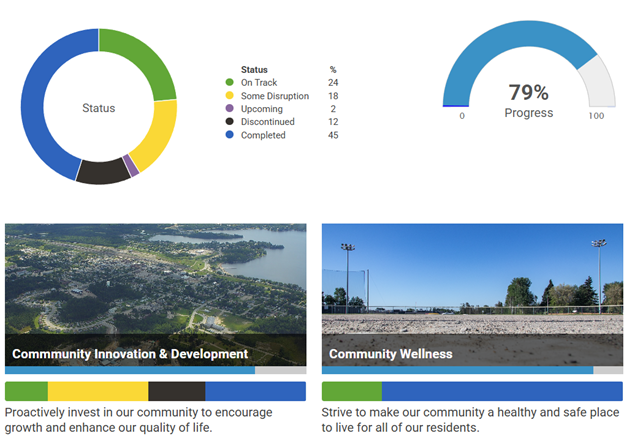
This is just one initiative to increase community engagement, build trust, and increase transparency that the Municipality of Sioux Lookout has undertaken this year. Another is the Community Compass, unveiled just a few months ago.
The Community Compass is an interactive guide to Municipality’s strategic goals. Updated monthly, our Community Compass provides transparent and timely insights into the progress of ongoing developments, from infrastructure improvements to community programs.
Not only will our accomplishments be outlined, but the roadblocks experienced in completing projects will be noted as well, such as the Hillcrest Business Park facing increased costs and constraints from inflation, supply chain disruptions, and site conditions.
If you’ve ever wondered, “Why wasn’t that project that was announced completed? What are they doing with that?” You may find the answers in the Community Compass!
We invite you to join the hundreds of area residents who have already visited the dashboard to explore our updates and see how these initiatives are shaping a better future for all residents.
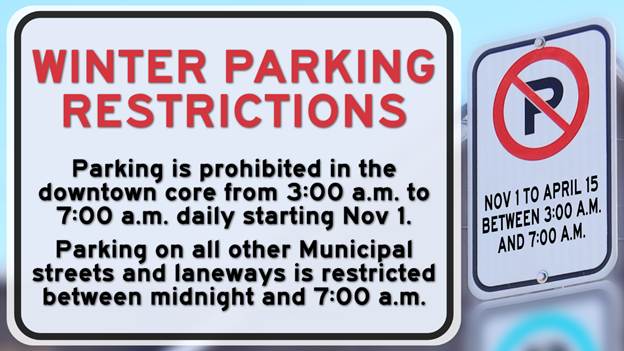
As we head towards winter, the Municipality of Sioux Lookout would also like to remind everyone that winter parking restrictions will return to the downtown core on November 1st.
Between November 1st and April 15th of each year, no parking is allowed in the downtown core between 3:00 a.m. and 7:00 a.m. A question we often see is, “what is the downtown core, exactly?” It’s a great question. Sioux Lookout’s downtown core consists of Front Street from its intersection with Wellington St. to Third Avenue, King Street from Seventh Avenue to Third Avenue, and the avenues connecting them.
For the remaining Municipal streets and laneways, no parking is allowed between midnight and 7:00 a.m. when winter parking restrictions are in place.
We would like to close by reminding residents that during the Canada Post strike utility and tax bills cannot be mailed to you. If you have not signed up for paperless billing, you are strongly encouraged to do so on our website at https://www.siouxlookout.ca/finance/ebilling. You may also visit our Customer Service desk to get a copy of your bill and make payments in person.
If you’ve been keeping up with Council meetings then you may have already heard about the new pilot program in the works.
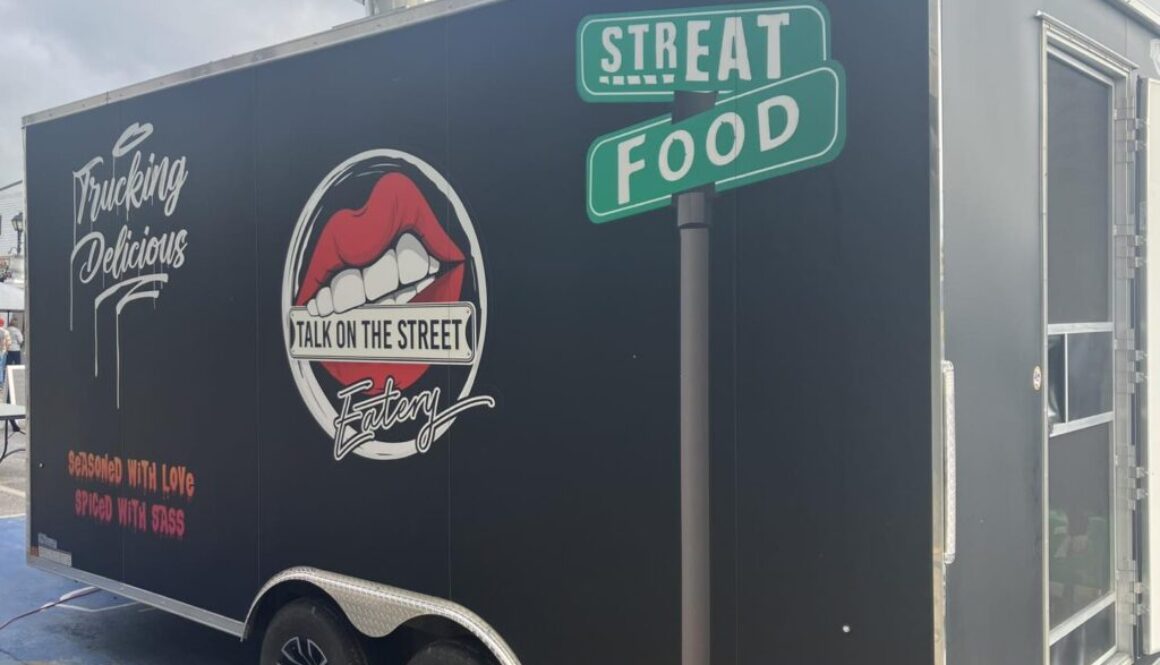
This new program is to allow food truck operators to get short-term business licences to operate in town, as well as sign up to park at town approved locations. The application process also includes getting provincially required inspections and safety checks. These include a health inspection by the Northwestern Health Unit, and a propane safety check.
The Town was approached by a local food truck owner about the possibility of changing the process for obtaining a business licence for food truck owners. Given their nature of being on wheels, food trucks move from place to place, town to town, province to province. Because of this, it doesn’t always make sense for a food truck owner to get a year long business licence, especially if they only plan on stopping in a location for a few days.
Now, you can apply for a 1-2 day, 1 week, 1 month or 20 week business licence. Not only that, but you can also apply online and pick which spot you like through the Town website. The Town currently has 10 spots to choose from, and notably the four spots at the Sorting Gap Marina do not come with a fee to park. Additionally, some previously enforced conditions have been loosened to make the process smoother for applicants.
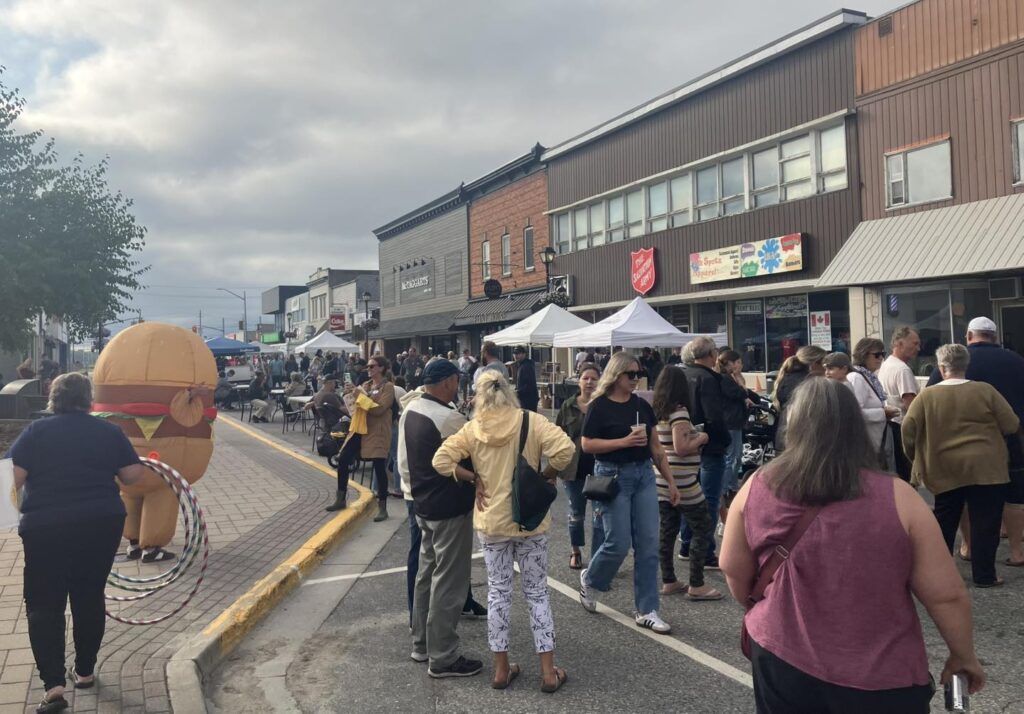
This new pilot program was on display earlier this month dubbed “Burger Wars”. This event was organized by a committee of local Rainy River District residents and sponsored by businesses across the Rainy River District. Not only did this event offer new food options to town, along with a healthy dose of friendly competition, it also gave the Town a chance to show off its downtown area and hometown pride.
The town is hopeful that this new program will allow for some new food options in town and also show surrounding areas the opportunity available to them to bring their businesses to The Great Canadian Mainstreet.
If you are interested in learning more about the Food Truck Pilot Program or applying for your own short term business licence for your food truck, you can visit https://www.fortfrances.ca/business/food-trucks