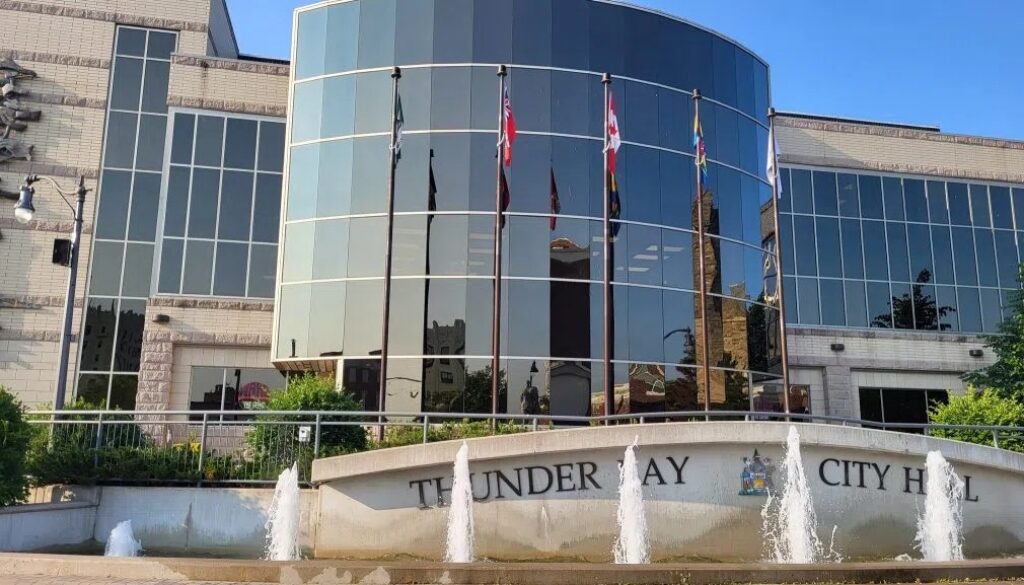
City Council to debate temporary shelter village once more
Councillor at-large Rajni Agarwal’s motion to amend was introduced at Tuesday’s City Council meeting.
The motion calls to delete the fourth point of the city’s Ten-Part Human Rights-Based Community Action Plan, which outlines a need to develop a temporary shelter village as a transition space for unhoused individuals.
Agarwal has argued that the construction of new affordable and supportive housing units over the last few years, combined with the federal government’s new Build Canada Homes plan, together negate the need for a temporary shelter village.
Not everyone on City Council agrees with Agarwal’s assessment.
“To me, it’s similar to seeing people in the water cancelling the lifeboats because we have a ship on order five years from now. I think we could do both things,” says councillor at-large Shelby Ch’ng. “I think we could have a temporary solution and also work towards a permanent solution.”
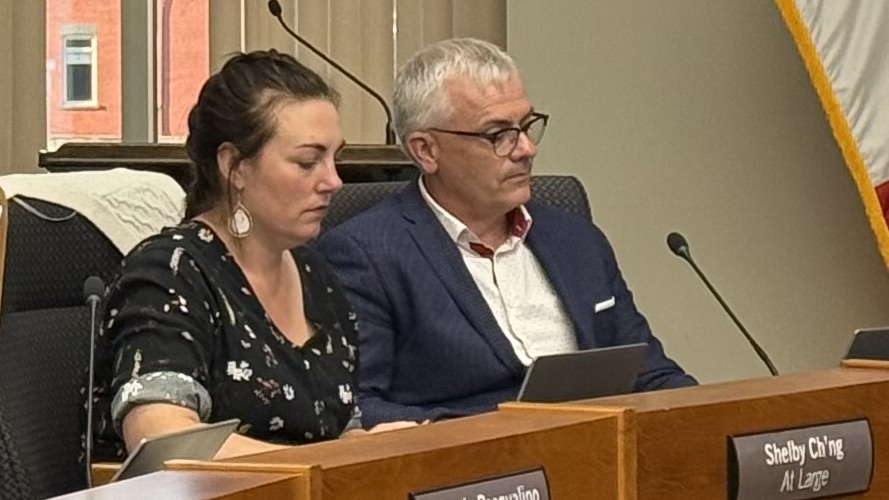
Ch’ng points out that the temporary shelter village serves a different purpose than affordable and supportive housing units. She suggests that if the city hopes to earn federal grant money, it ought to have transition spaces.
“I would be looking at places that have a transition program so that when you do put people into permanent housing, that they’re successful, and not going from sleeping in a sleeping bag in the middle of winter… to now having to operate their own apartment,” she says. “There’s a transition period that is absolutely needed.”
Unlike Councillor Ch’ng, McKellar Ward Councillor Brian Hamilton opposed the Hillyard site that Council ultimately voted for. Yet Hamilton still believes the city ought to proceed with a temporary shelter village at Hillyard, now that the plan is in motion.
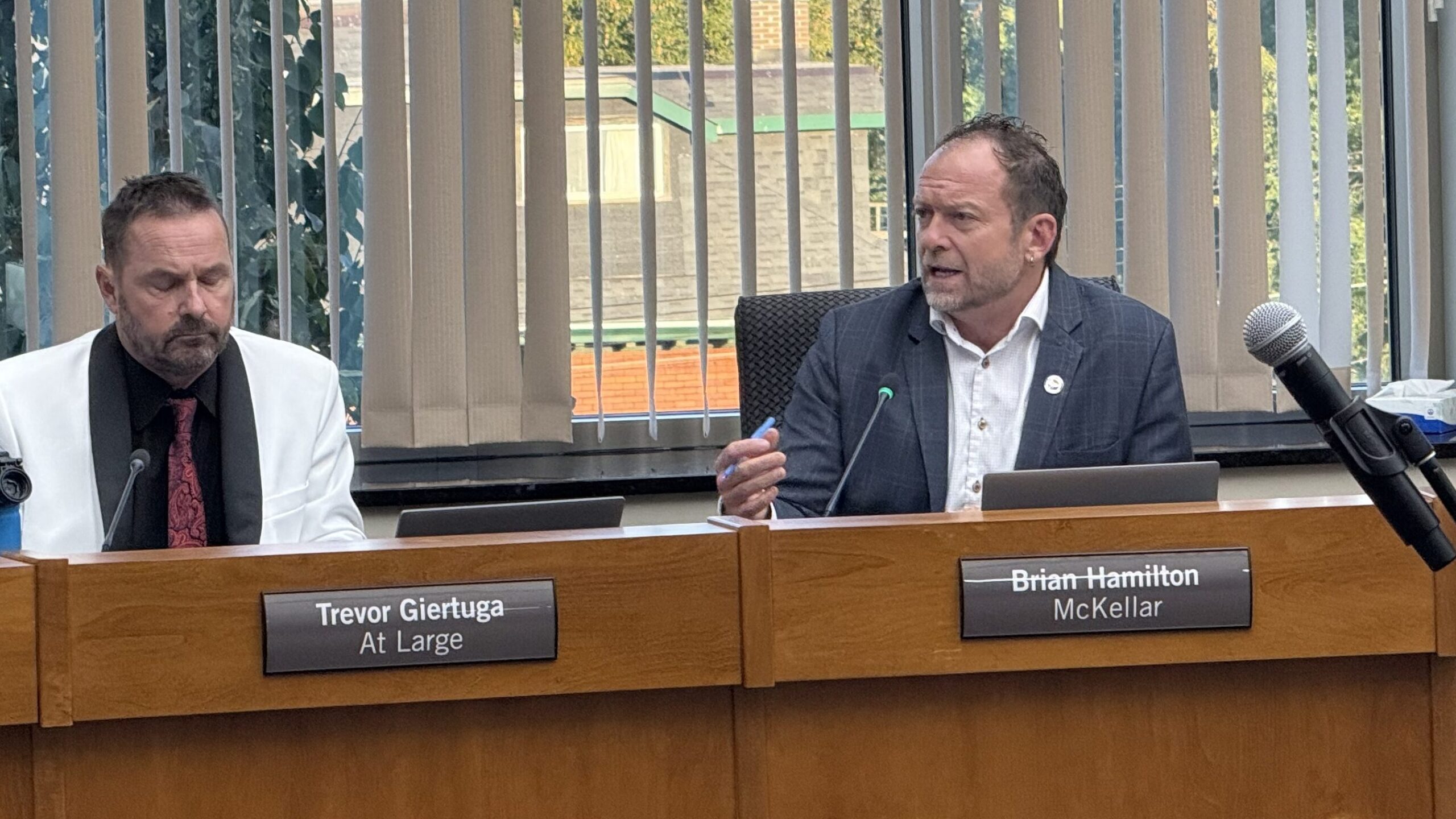
“I do see a need in utility for this type of facility in the community in the interim and at least for the midterm to get through this economic and housing crisis that we find ourselves in,” Hamilton says.
Hamilton is also skeptical of Agarwal’s pitch to get federal funding from the Build Canada Homes plan.
“There’s so many unknowns to that. That’s not a guarantee… It’s not even on the table. What is on the table right now is the crisis on our doorstep,” he explains. “It’s going to be years in the making before we actually bring new units online.”
Neebing Ward Councillor Greg Johnsen welcomes further debate on the temporary shelter village.
“It’s the democratic process… It’s good for the community in the sense that some people are aggressively against this, and some people are aggressively for it,” Johnsen says. “So here’s another opportunity for residents to weigh in.”
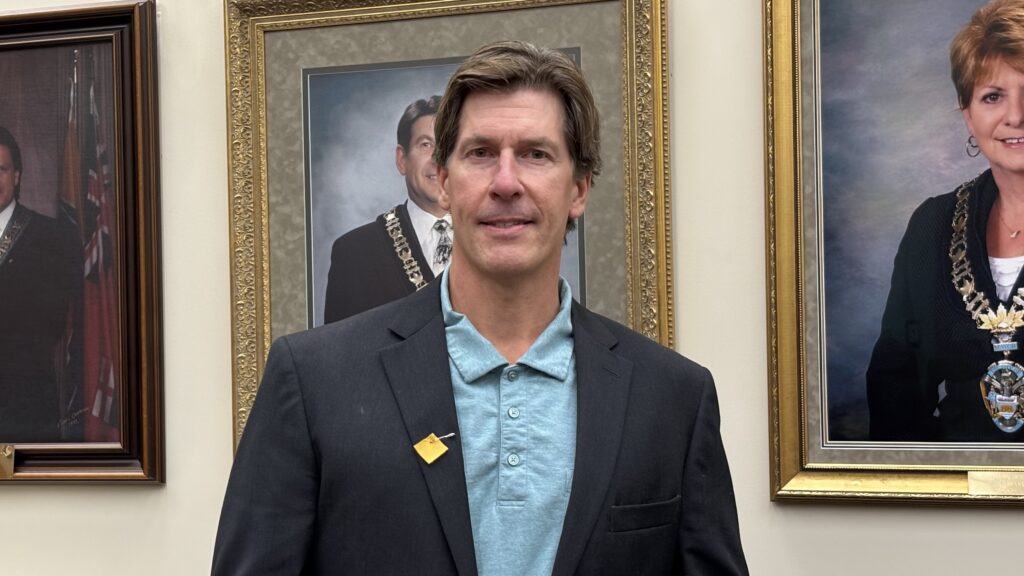
Johnsen opposed the Hillyard site in part because he feels the public didn’t have sufficient time to engage on the issue.
“It was a last-minute resolution that found favour and I voted against it,” he states.
If Agarwal’s motion passes, the big question will be whether the city’s ten-point plan for addressing homeless encampments can succeed without a temporary shelter village.
“I was told that the temporary village is the crux of the ten-point plan. It is the linchpin,” Johnsen says.
“So one of my questions will be… if we remove the temporary village, well, where is the ten-point plan? Does it dismantle altogether, or does it remain afloat… I’ll be very much paying attention to that answer as well,” he adds.
Ch’ng believes there is no ten-point plan without the temporary shelter village. Legally, the city cannot dismantle homeless encampments without having a temporary space where unhoused individuals can be taken.
“If we do not have a temporary solution, we cannot move the tents, bottom line,” she says. “It opens us up to huge legal and liability risk and quite frankly, I don’t want to spend our tax dollars on liability when the cheaper option is to put up a temporary solution until permanent housing is built.”
Agarwal’s motion will come before City Council to be debated and voted on at the next meeting on October 21.