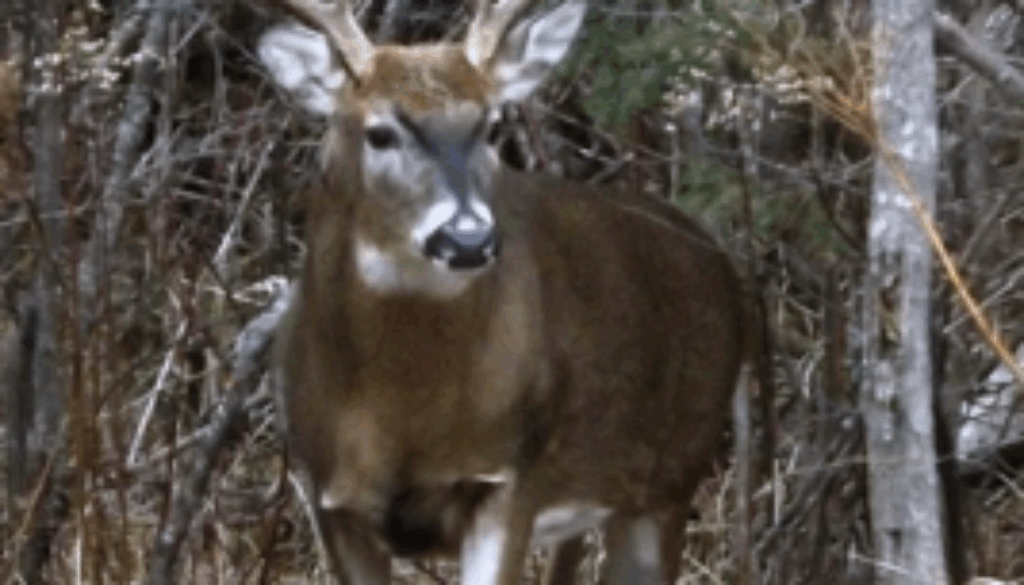
Deer Hunting – The Trials & Tribulations
When it comes to deer hunting – whether you’re an archery or gun hunting enthusiast – there’s a lot of little things to factor in along the way in order to have a successful season and harvest.
For this article, I’m gonna concentrate on archery hunting and setups as it’s where I expend most of my effort.
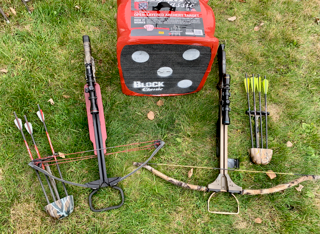
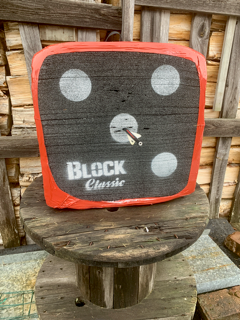
Regular practice & target shooting with a well-maintained bow or crossbow is both fun and preparatory to ensure accurate and ethical killing shots at varying distances.
And for those who believe the season to start preparing begins with the onset of the rut in the latter part of October & early November, well, you’ve missed out on several months worth of subtle preparations that allow the deer to become acquainted and comfortable with the presence of things like trail cams, tree-stands or ground blinds in their “living room”.
My preparations usually begin in July and August… well after the fawns have found their feet and are moving around freely with their mother.
First order of business for me is sourcing out their normal travel routes, and then placing my trail cams accordingly to see what’s happening in my hunting area.
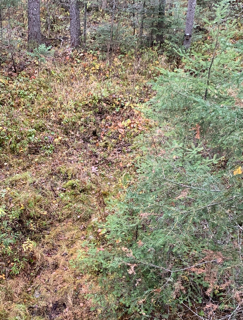
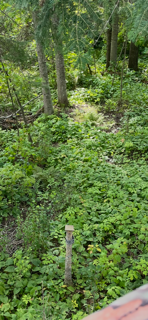
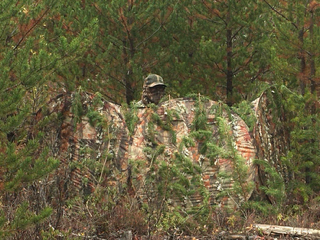
Next comes my tree stand site selection. I take into consideration my access route to and from it; the species of tree I’ll be using to make me secure 13 to 15 feet above the ground; the background behind the setup to help camouflage my silhouette; the available shooting lanes; and obviously the prevailing winds in order to avoid scent detection.
Generally I will set up a couple of tree-stands so that, regardless of wind direction, I have options for where I will choose to sit.
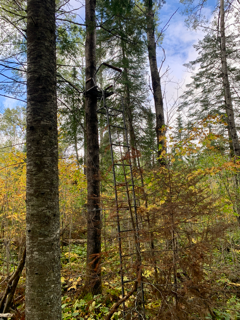
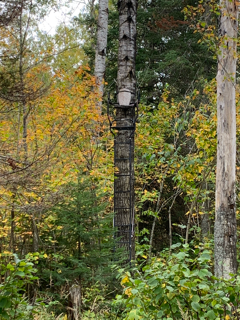
This is also the time to make the noise as you clear out your expected shooting lanes… the deer are mobile and will have lots of time to forget about the disturbance long before your hunt ever begins.
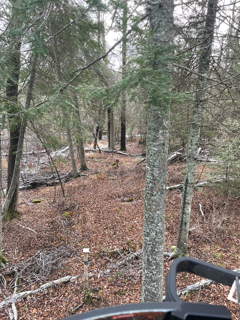
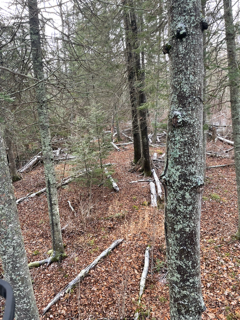
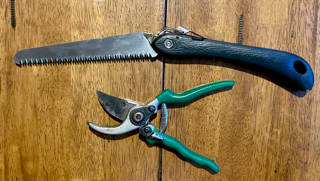
A pair of pruning shears, a set of long-handled clippers along with a small handsaw or even a battery-powered chainsaw all make the job simple… and much faster each year afterwards should you choose to use the same setup… it’ll just be some light maintenance work. Don’t find out the hard way how easy it is for an arrow to get deflected by a small sapling or branch.
And now the fun begins… unless you have the most advanced trail cams that send images directly to your cell phone or tablet, take a stroll every couple of weeks and collect the SD cards from your cameras and take a look at the prospects for the coming fall. You might even get a few surprises!!
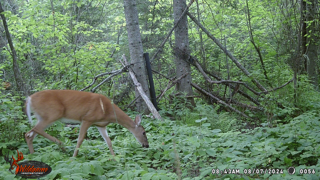
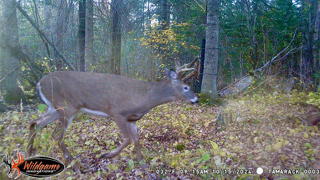
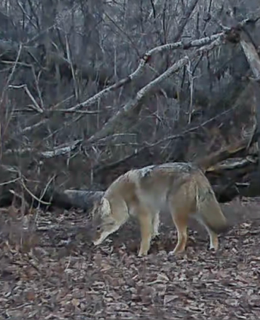
Keep in mind that deer will stick pretty tight to their summer home ranges, but as the fall advances they will range more widely as food sources diminish… and especially so for bucks with the changes in photoperiod duration, and the onset of cooler temperatures that stimulate dominance & sparring activities in preparation for the rut.
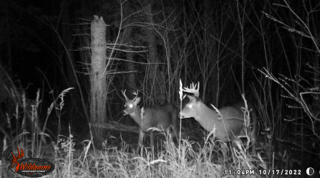
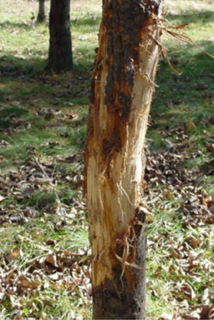
And while you’re out there strolling through your hunting area, keep your eyes open for tell-tale signs of buck activity… antler rubs that are created to both shed the summer velvet from their antlers, but also to mark travel routes and territory… and scrapes, where they will excavate the soil and often urinate in it to mark their territory and inform other deer of their presence.
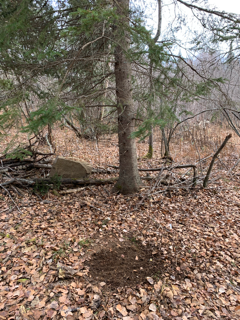
Then, when you feel that you have everything kinda figured out and that you’re set up to take advantage of all the physical and digital sign you’ve discovered, there’s just a few more things you can use to your advantage to try to seal the deal… baits, scents & calls!!
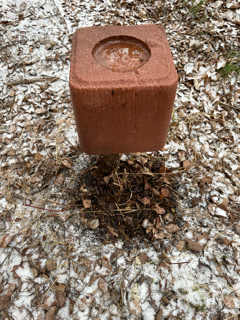
Pictured here is a trace minerals block that leaches minerals into the soil beneath it when it absorbs moisture. By elevating it on a small stump, it lasts longer and the deer will lick the minerals from the ground below it as you can see.
There are also a number of synthetic deer scents that are available on the market to use to attract bucks to a scrape.
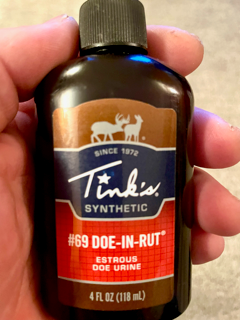
Tink’s #69 Doe-in-Rut Estrous Doe Urine is my “go to”, and it can be applied directly from the bottle in small amounts… or it can be applied from a “scent dripper” that is designed to be activated by warming daytime temperature.
In that way, it will only apply fresh scent to the scrape during daylight hours to attract bucks during daylight hours. Personally, I find drippers to be more effective earlier in the season, prior to when temperatures hover around the freezing point.
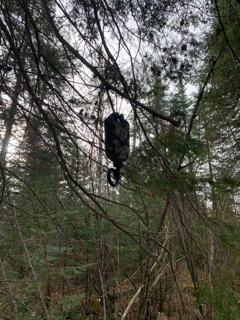
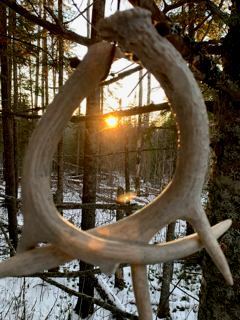
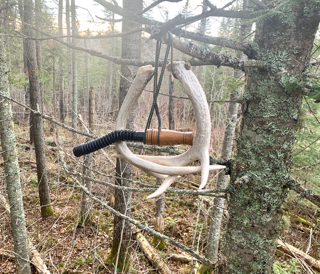
And finally, you can also use real or synthetic deer antlers to try to “rattle” in a buck by simulating deer sparring for potential breeding rights. Dominant bucks will often come to check out what’s going on in his territory.
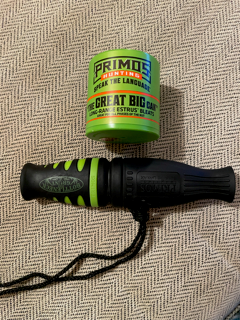
Combining buck “grunts” from a grunt tube and doe “bleats” from a bleat can are also additional tools that, under the right conditions, can also work in a hunter’s favour.
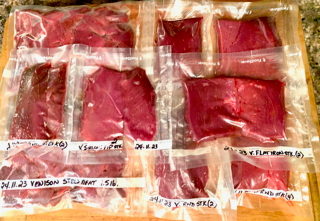
When everything finally comes together, harvesting some great organic meat from the wild is the ultimate reward for the time you invest in your hunt.
Good Luck to all the deer hunters heading “into the woods” this Fall.