First Nation response teams get new equipment
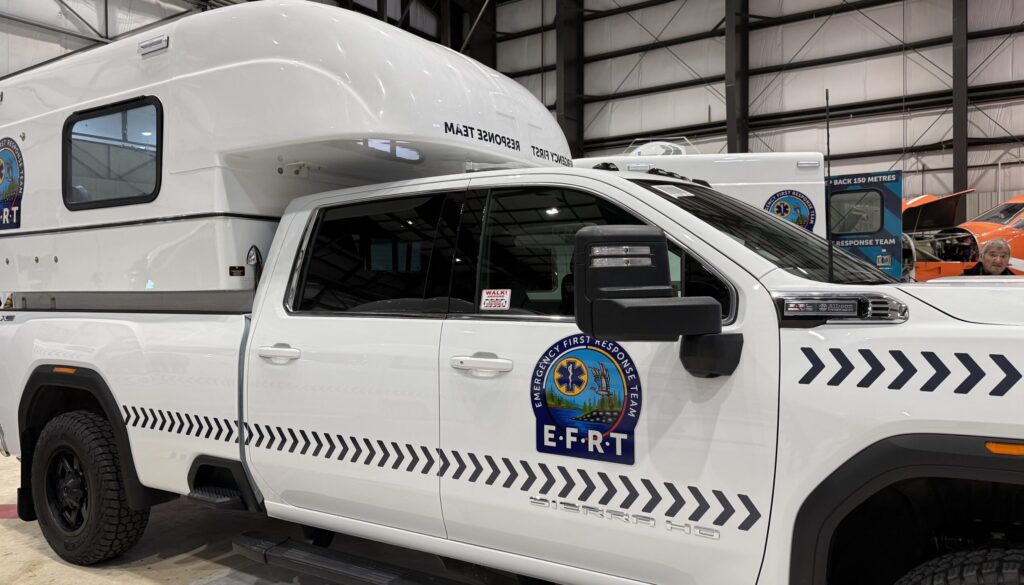
Ornge, the emergency transport provider, is sending vehicles, stretchers, and medical equipment to remote First Nations in northwestern Ontario, for use by members of the Emergency First Response Team (EFRT) program.
EFRTs are a relatively new addition in the remote communities of Deer Lake, Wapekeka, Sandy Lake, Bearskin Lake, and Keewaywin First Nations.
Alisha Makila, an Advanced First Response Lead (AFRL) in Deer Lake, says prior to a year and a half ago, the situation for emergency first response was more disorganized, with no dedicated equipment or staff.
“People from the band would respond, or people from the nursing station being security with limited medical training would go to these calls,” she says. “And we didn’t have a vehicle, so most of the time would be the van that they were using, or the back of a truck.”
Wade Durham, Chief Operating Officer (COO) for Ornge, explains that before the EFRT program, these communities relied on a volunteer-based system, and there were few options for transporting patients in medical emergencies.
“We made an early determination that [the EFRT program] had to be community-led, community-run, and it had to have some paid positions in the community.”
Beyond new equipment, Ornge also provided training to the new crop of first responders.
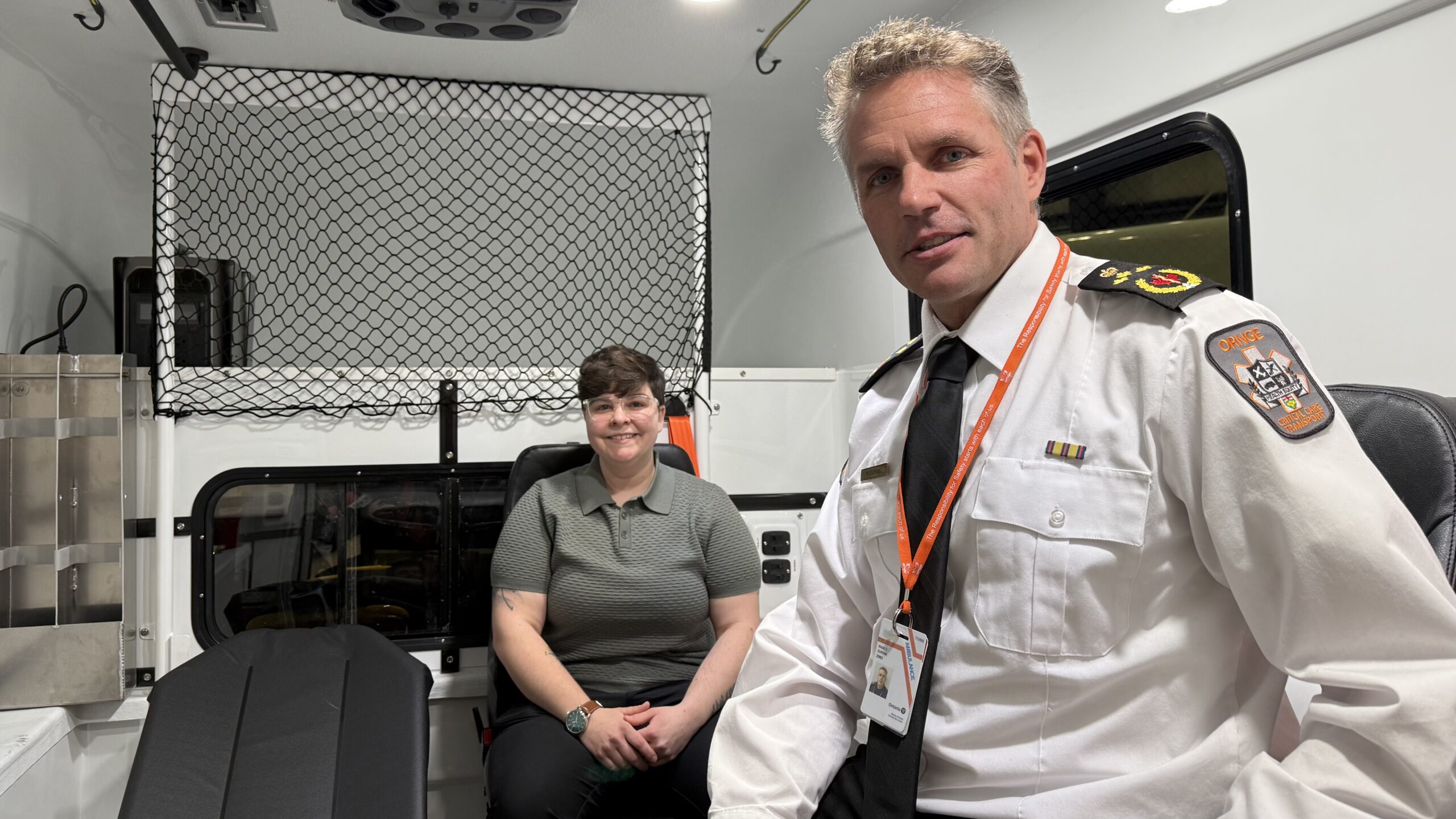
Makila says the new equipment is already making the process “so much safer for patient transport,” and is also speeding up the medical evacuation process.
“Before, Ornge would have to come in every single time. Now we have the ability to meet them at the airport, drastically changing the response time in those really, really difficult situations where people need care right away,” she explains.
In Deer Lake, the EFRTs were getting about six calls a month when the program first started. Now, Makila says the teams are answering 60 to 80 calls a month, though that number also includes non-emergency situations such as home care.
Ornge plans to expand its program to more remote communities in the future.
Durham says the five communities currently involved in the program were selected in part because of their remote nature, with no road access, and in part because they already had active first response teams.
In the next phase of expansion, Ornge will provide training and equipment to remote communities with no active response teams who are interested in taking part.
“I’d say the next phase is about 13 other communities that we’ll be focused on in the next year,” Durham says.
Ontario’s Ministry of Health is providing funding for Ornge’s first responder training.
Ornge is using its own funds for the equipment.