Provincial budget brings hope and skepticism to leaders
By Clint Fleury, Local Journalism Initiative Reporter
Source: TBnewswatch.com
The provincial budget increases are welcomed by community leaders, but it could take a larger leap to address some funding gaps.
The provincial budget was revelaed at 4 p.m. on Thursday in the legislature by Finance Minister Peter Bethenfalvy, who says the province’s deficit for 2026-27 is projected to be $13.8 billion — nearly double the $7.8 billion projected for 2026-27 — on $244.2 billion in spending.
In the budget, the province will provide $965 million in 2026–27, including $186 million in new funding to the Ontario Autism Program.
Alina Cameron, president of the Ontario Autism Coalition, says, “families have been waiting for this type of news for a very long time, and it’s very appreciated and needed.”
However, she questions whether the funding will go to the over 67,000 children on the waiting lists to access core clinical services or will it go to “fill administrative bloat at the ministry level.”
“We saw a similar increase last year, and it didn’t move the proportion of kids off the waitlist at all. So, we kind of feel like it got absorbed into administration, and we kind of feel this is where that’s going to go,” Cameron said.
She says it’s time to put pressure on the Ontario Minister of Children, Community and Social Services, Michael Parsa.
“We’re asking all families to reach out to him, email him, call his office and say this funding increase should go directly to core clinical services,” Cameron said.
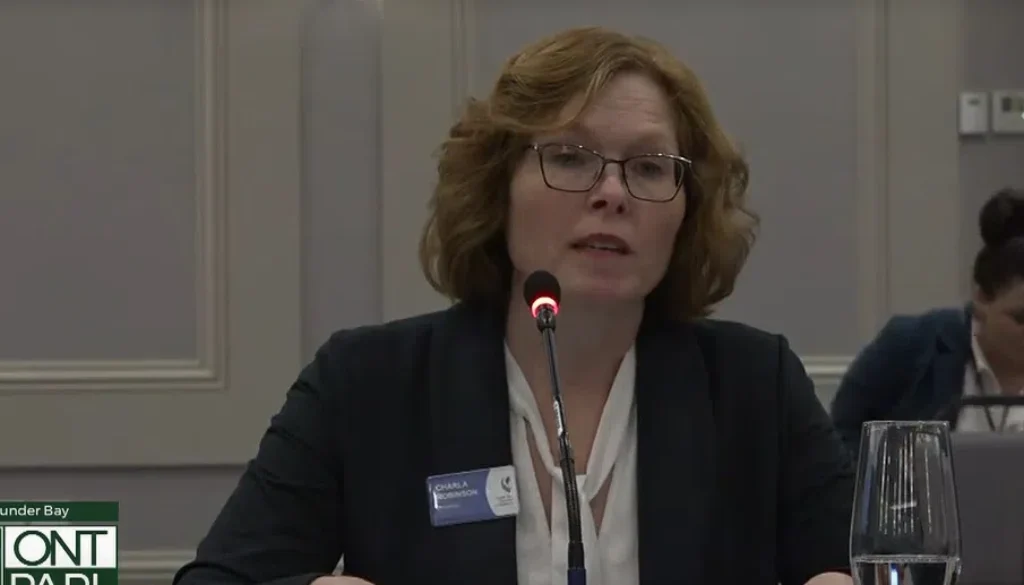
Charla Robinson, president of Thunder Bay Chamber of Commerce, says there are some positive steps for businesses in the provincial budget.
The budget proposes to cut the small business corporate income tax rate from 3.2 per cent to 2.2 per cent, effective July 1, 2026.
“That would be up to $5,000 in tax savings for a small business, which they can then reinvest into their business, whether that’s equipment, whether that’s hiring more staff, or literally just helping to cover some of the ongoing inflationary increases that they’re seeing to their operation,” she said.
Robinson said the chamber would like the province to return to the conversation around the workforce.
“We’ve been talking for quite some time. That we really want the province to allocate some of their provincial immigrant spots to Northwestern Ontario communities. We didn’t see that. It’s something we’ll continue to push for,” she said.
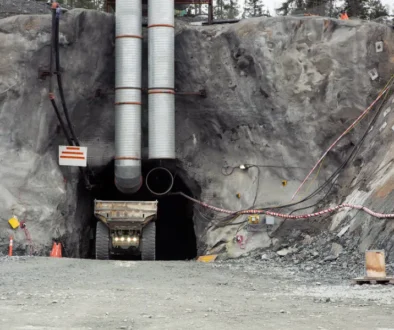
The chamber would have also liked to see more investment in infrastructure, particularly funding that would help municipalities develop industrial land or upgrades to roads and bridges leading to mines, she added.
The deficit for 2025-26 is expected to come in at $12.3 billion, lower than the $14.6 billion projected in last year’s budget.
A $6.1-billion deficit is projected for 2027-28, then a balanced budget is projected for 2028-29.
The $244.2 billion in 2026-27 spending includes $101.2 billion for health care, more than $1.1 billion of it being new funding for hospitals.
To make housing more affordable, Bethenfalvy said, the government will be temporarily removing the HST from the cost of new homes valued up to $1 million.