Restorative harvest planned for Loch Lomond watershed
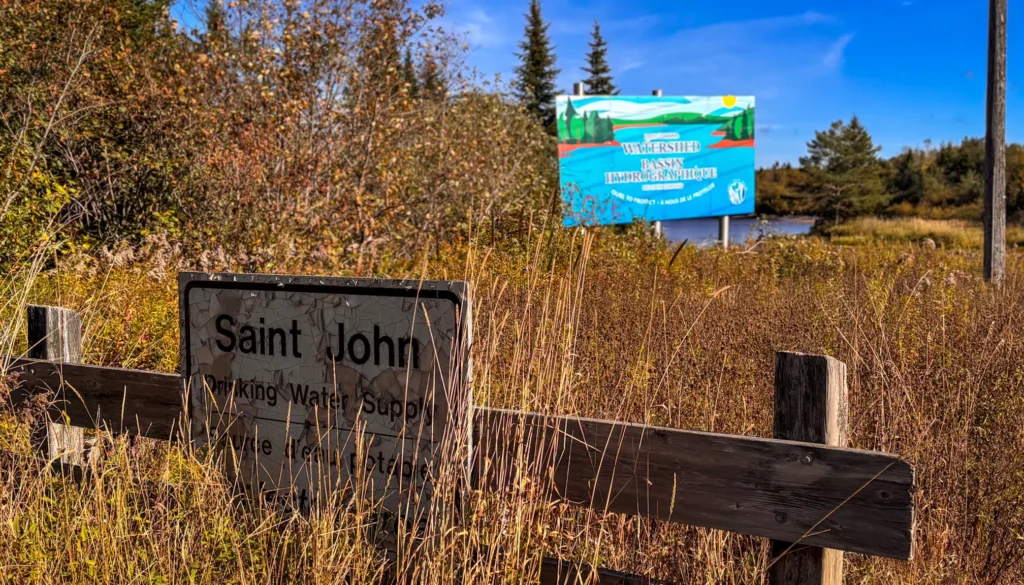
A restorative forestry operation is happening soon around the Loch Lomond watershed to help protect Saint John’s drinking water.
The work will focus on a 30‑hectare stand of aging balsam fir, according to Shannon Scott, forestry coordinator with ACAP Saint John.
Scott explained that the trees are at the end of their life cycle and are drying out and falling.
“It creates a high fuel load in the area,” she said.
“There’s an increased risk of wildfire, which would negatively impact the water quality.”
Scott said a wildfire could wash ash, sediment or fire‑suppressant chemicals into nearby streams.
She said the loss of trees after a fire would also reduce the forest’s ability to filter runoff for years.
ACAP began monitoring several streams and tributaries more than a month ago to establish baseline water conditions.
“We’re monitoring every two weeks,” Scott said.
“We’ll continue during the harvest and after it’s done to keep an eye on any changes.”
She said the work is scheduled for winter and planned to reduce impacts on wildlife, including birds and mammals.
“We only do harvest out in the watershed at certain times of year to avoid specifically breeding birds and migratory birds,” she said.
Crews also watch for wildlife signs, such as deer wintering yards or cavity trees, and place buffers around them when needed.
The harvested trees will be sent to mills for lumber or pulp. Scott said timber use is not the purpose of the project.
“Our main objective is the protection of the water quality and improving the lands to maintain that for the years to come,” she said.
ACAP plans to monitor the site for several years.
Scott said planting may be considered if natural regeneration does not occur.
The operation is expected to begin in the coming weeks.
Drivers on Route 820 are being asked to watch for trucks entering and exiting the area once work starts.