A plan to phase out provincially funded veterinary field and laboratory services is being met with some harsh criticism.
The Progressive Conservatives accused the Holt government of failing to consider small- and large-scale farms in the budget.
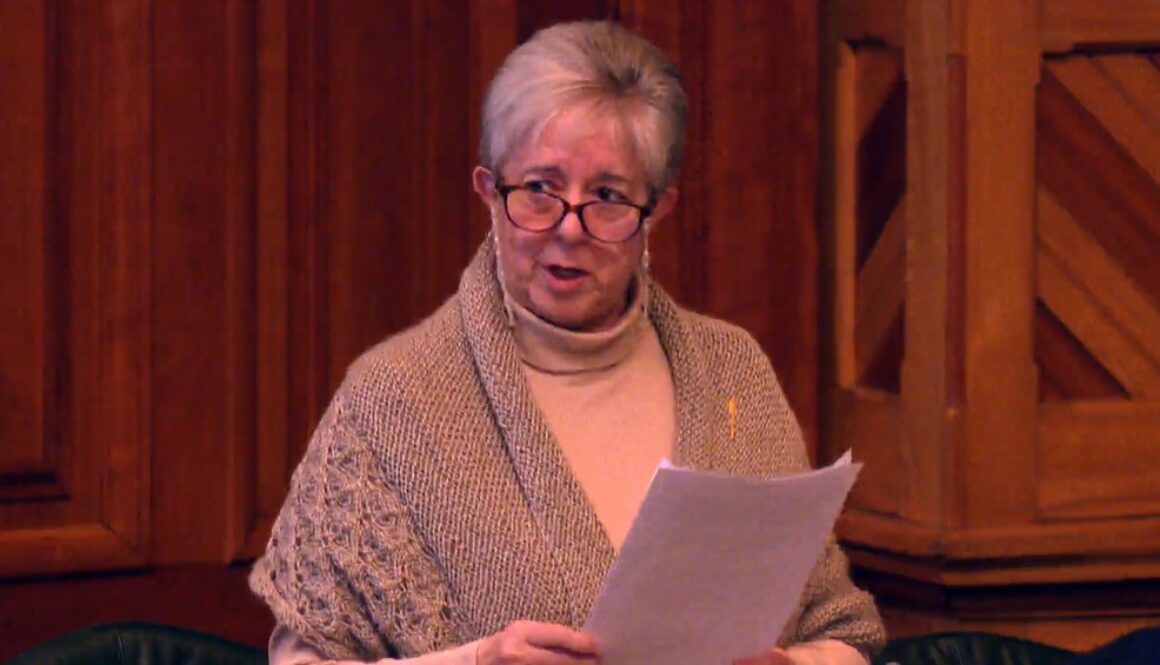
“It has failed to consider the impact of its decisions on people already coping with increased costs of feed, fertilizer and transportation,” PC MLA Kathy Bockus said in a member’s statement Wednesday.
“We have beef and dairy farms, sheep and goat farms, horse farms, poultry and egg farms, and bee keepers who all depend on accessible large animal vet care. Our opposition MLAs have been flooded with phone calls, texts, and emails from angry and frustrated farmers.”
Agriculture, Aquaculture and Fisheries Minister Pat Finnigan issued a statement Wednesday defending the decision.
“New Brunswickers have told us very clearly what matters to them: timely access to health care, help with the rising cost of living, and a strong education system,” Finnigan said. “We want to be able to deliver those by making investments that will have a real impact on the everyday lives of New Brunswickers.”
Finnigan said the government understands the decision to transition the services to the private sector is upsetting for employees and clients.
But he said the transition will not happen immediately, but over the next three fiscal years.
“By transitioning these functions into the private sector, we can allow the private clinics and veterinarians to provide more responsive and flexible services to our agricultural community,” Finnigan said.
According to Finnigan, New Brunswick is one of only two provinces still operating government-funded veterinary services.
He said only 27 per cent of those services are focused on commercial livestock such as dairy, beef and poultry.
“The costs of delivering these services are significant to the taxpayers of New Brunswick,” Finnigan said.
He said moving the services to the private sector creates a significant opportunity for innovation that will support the agriculture industry in New Brunswick for the long term.
Finnigan said his department will work with stakeholders through the transition, taking a variety of steps to support them.
- Supporting provincial veterinarians with transitioning resources and business development supports to set up their own practice or join an existing private veterinarian clinic
- Facilitating and transitioning efforts to empower private sector veterinarians and clinics to establish and expand service availability across New Brunswick
- Developing a private veterinarian registry program to support and address service gaps in the core livestock sectors in underserved areas
- Facilitating the transfer of laboratory functions, ensuring continuity of diagnostic services and pharmaceutical access
- Maintaining the chief veterinary officer position to ensure continued oversight of disease management and animal welfare functions in collaboration with the New Brunswick Society for the Prevention of Cruelty to Animals and the federal government