Dryden Airport optimistic about service return
Promising study results have Dryden Airport officials optimistic about the return of passenger service.
Julien Carron of InterVISTAs presented the findings of a Passenger Feasibility Study to city council last Monday, concluding with “a high level of confidence” that restoring air service is viable for the region.
“Air service is feasible. That’s full stop,” Carron told council. “What we have to look at now is scalability.”
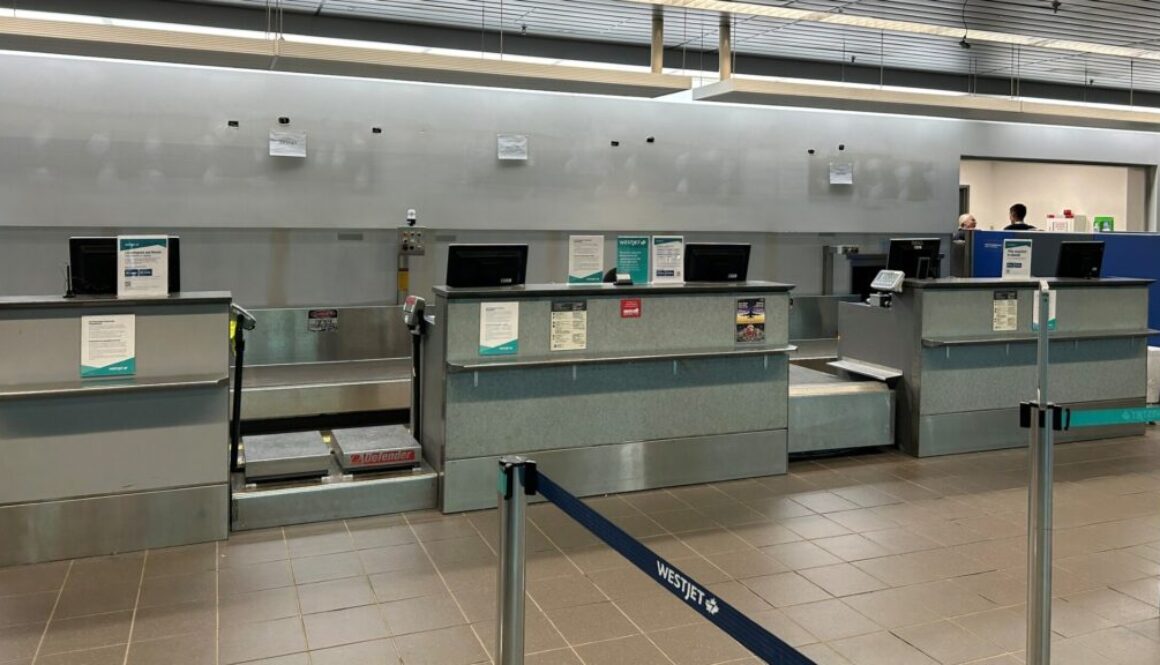
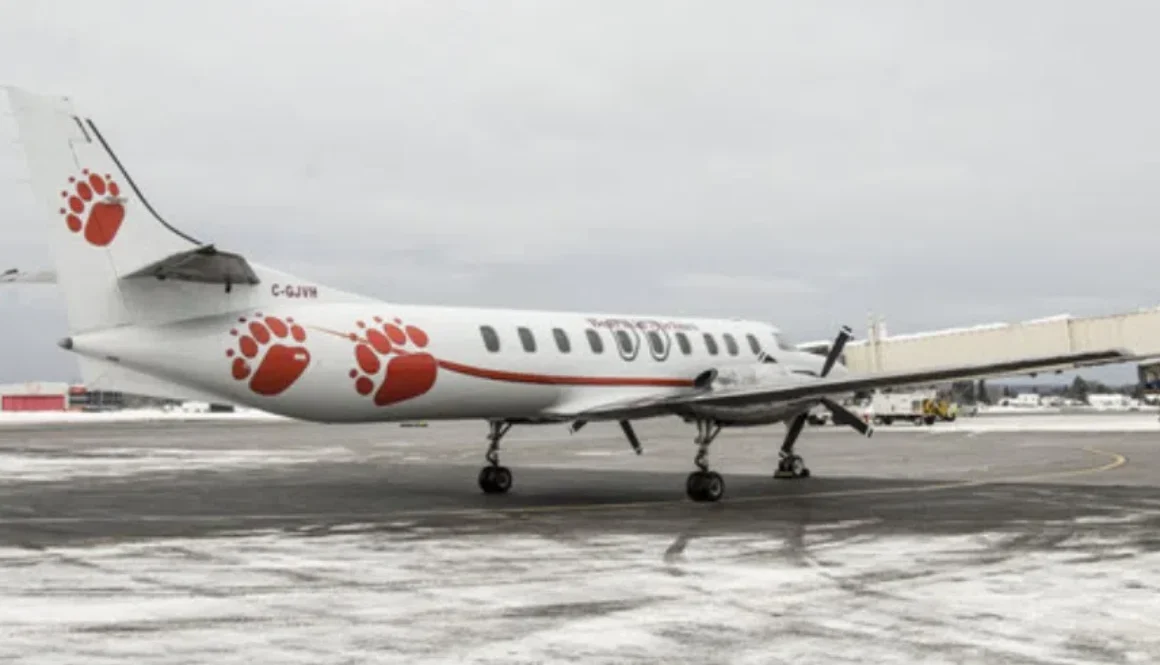
Passenger service was terminated in 2024 after Bearskin Airlines left the region. Kenora and Fort Frances were left without service as well.
“Travel levels in Dryden, Kenora and Fort Frances have not rebounded to pre-COVID levels, posing significant challenges to the sustainability of our operations in these communities,” Bearskin’s parent company Perimeter Aviation said in a media release at the time. “Over the last year, the three destinations saw an average of two passengers per flight, reflecting the drastic reduction in demand for air travel in the region overall.”
Carron says strong pre‑pandemic demand and solid community support make the return of passenger service achievable.
“The community was very vocal about how important it was to get service back,” Carron said. “Not only to the economy, but the social factors in keeping connected to major hubs.”
He said there’s “a lot of movement” with airline companies beyond Bearskin, including Northstar, Pivot and PropAir.
“The great news right now is there are a lot of carriers operating in this space that are seeing the gap and seeing the need that Air Canada and say the top five (national carriers) are leaving behind or unable to fill,” Carron said.
Without air service, travel from Dryden to Thunder Bay can take up to seven hours via car in adverse winter road conditions.
“The north isn’t asking for a luxury,” said Maxx Kochar, Director of Airport Operations at Loomex Group, the firm responsible for the Dryden Airport. “It’s asking for a reliable link to essential services and opportunity. If the north is going to keep growing as an economic engine for Ontario and Canada, reliable connectivity is part of what makes that possible.”
Kochar says reliability is key to achieving pre-pandemic demand.
“The question came up: why did people stop flying?” Kochar said. “If you’re not meeting your customer’s requirements and expectations, they’re going to stop using your service. After enough cancellations and delays, people are going to choose driving.”
Carron says reliability concerns came up often in passenger surveys conducted by the firm.
“We have some competing forces on the regulation side of things as far as pilot hours, duty times and such,” Carron said. “We also have some challenges with equipment, aging equipment in our aircraft fleet. Shortages of pilots and shortages of mechanics are fighting against us when we talk about these size markets and some of the regional carriers.”
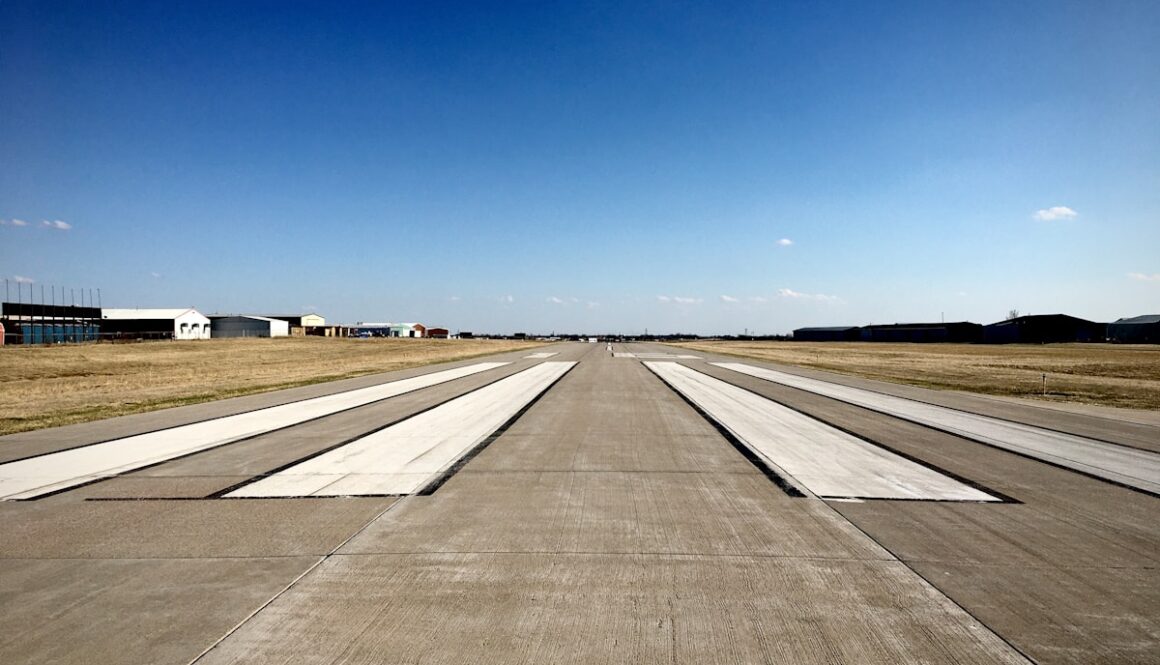
“But nonetheless […] I’m happy to say that (the Dryden Airport) is in a very good position as far as infrastructure is concerned.”
Kochar says he believes Dryden could be a hub for travel between Thunder Bay and Winnipeg.
“A realistic start that they’re talking about is four round trips a week (to and from Thunder Bay and Winnipeg)”, Kochar said. “Compared to other airports it’s small, but at least you know that if you fly in you have the ability to leave again in a reasonable amount of time. A lot of business travelers will fly in, have a meeting, then fly out. So at least they’ll know they can do that.”