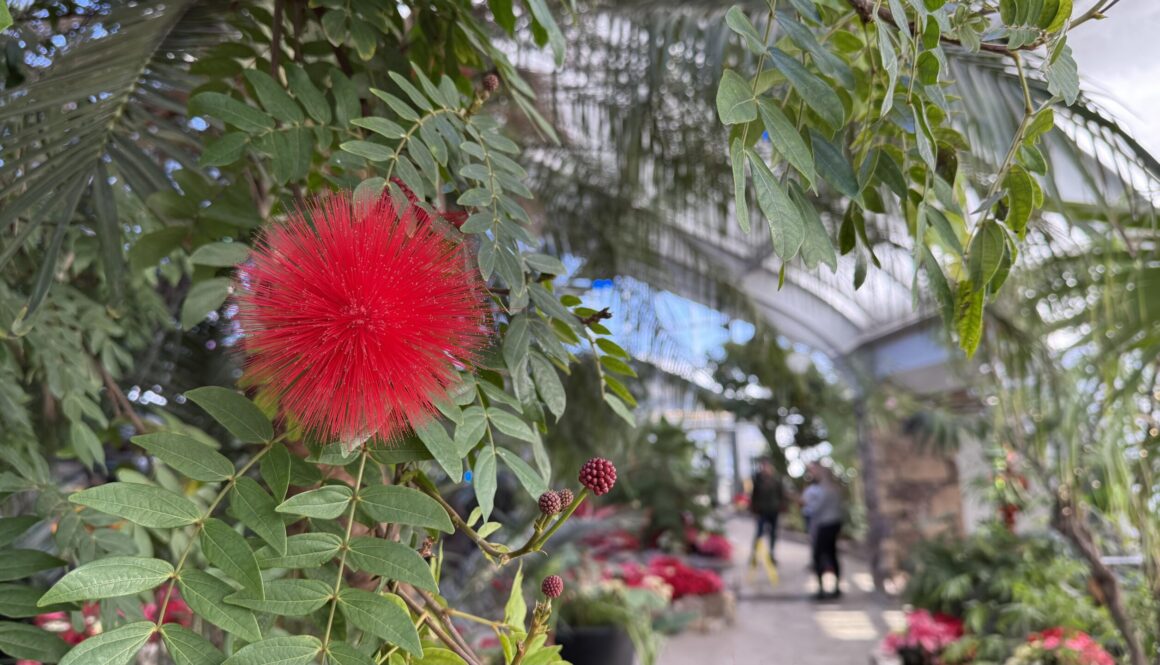
Thunder Bay to reopen Centennial Botanical Conservatory in January
The City of Thunder Bay has completed the second phase of the Centennial Botanical Conservatory’s renewal project.
With phase two complete, the Conservatory is officially ready for free public use and will fully reopen in January.
“It’s been a marathon of a project,” says Manager of Parks and Open Spaces Corey Halvorsen.
The city debated renovating the Conservatory for years, and finally began its efforts in 2020 with phase one, which focused on expanding and updating the building’s production greenhouses.
Halvorsen says the main attraction of the Conservatory, the tropical display, is not a revenue generator for the building, as access is free to the public.
As such, it was necessary to come up with a financial argument for renewing the Conservatory.
“Really, there was a business case that showed that there were savings because of the production greenhouses,” Halverson explains.
The production Greenhouses produce flowers and other native plant species for use throughout the city.
“When you see a landscaped area renewed along a water’s edge, it’s likely that we’ve been involved,” says Halverson.
Without a local space to grow these plants, the city would have to import them from southern Ontario at 30 or 40 times the cost of growing them, saving potentially hundreds of thousands of dollars a year.
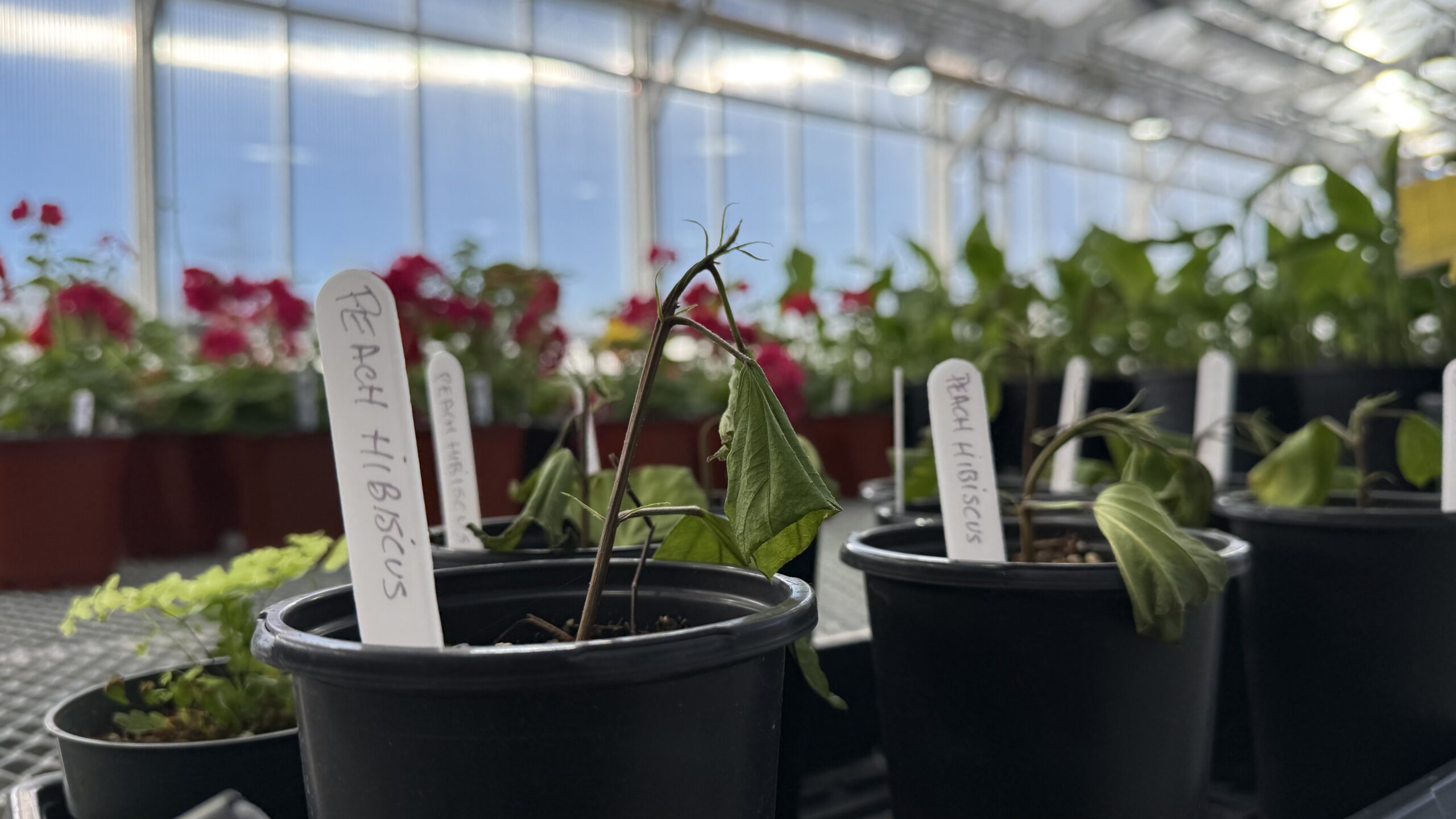
With the financial costs mitigated by the newly improved production greenhouses, the city was able to begin work on phase two in 2024.
Guy Walter, the city’s Landscape Architect and supervisor of Landscape Architecture and Horticulture, says phase two required rebuilding the Conservatory’s main building from scratch.
“We pretty much just demolished almost the entire thing,” he says. “Now we’ve come out the other side with a state-of-the-art kind of facility that I think people are going to be excited for.”
Walter points to new technologies such as modernized heating systems, new lighting, and sound systems as updates to make the building better than ever.
One particular point of passion for Walter is the granite cobblestone used in the edging, curbing and retaining walls, which was recycled from storage and formerly used in old industrial projects and roads.
The rock was initially extracted from the Kaministiqua River a century ago, marking it as a piece of the city’s “industrial heritage” for Walter.
“It’s nice to see elements like that being brought into a new and renewed space,” he adds.
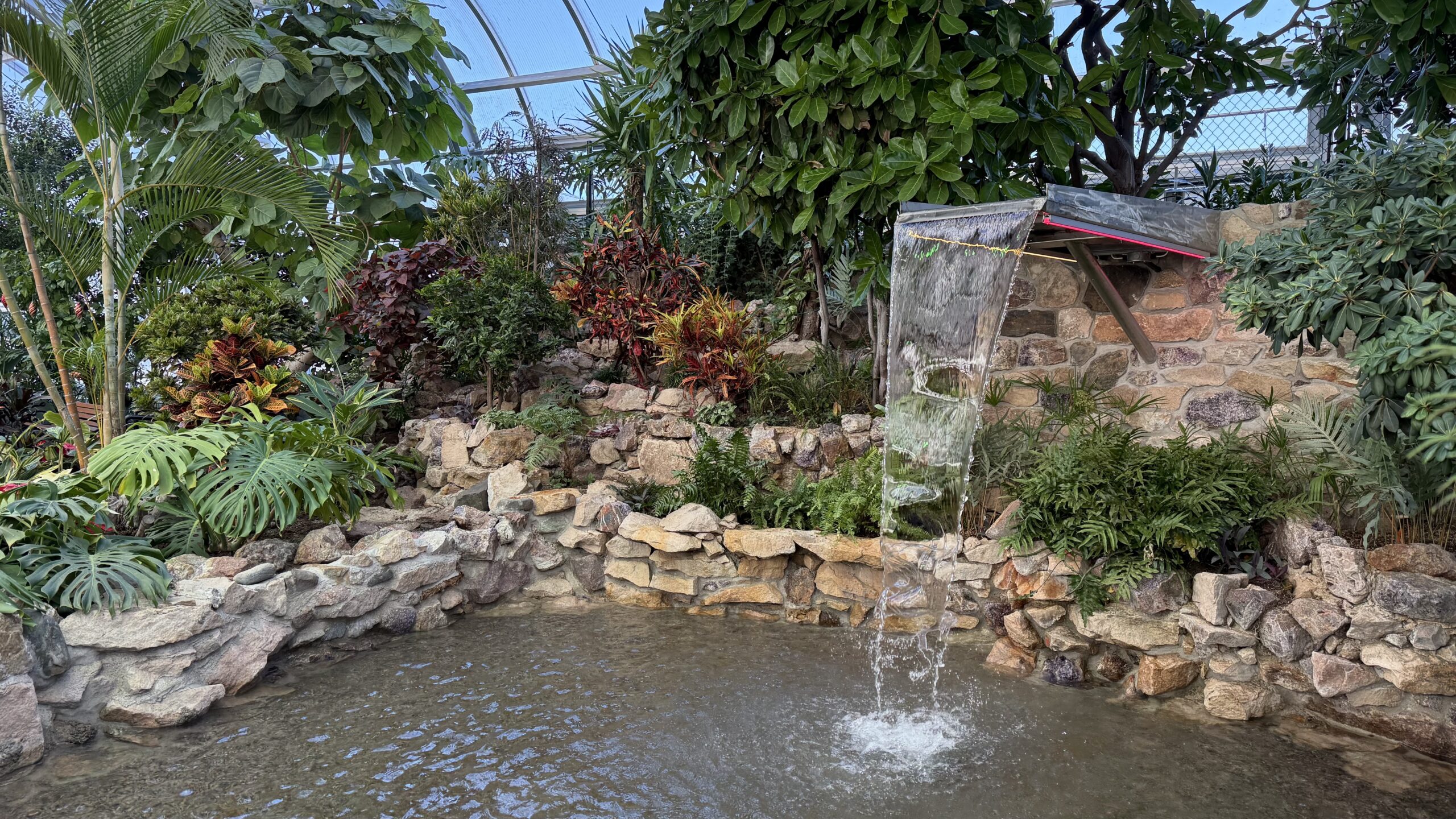
Both Walter and Halverson agree that part of the Conservatory’s value lies in its relevance for residents of a city with a long and cold winter.
“Living in this climate, we don’t really have that opportunity to get into any green spaces during the winter months,” says Walter.
Halverson says many local individuals and organizations have been loudly supportive of the city’s efforts to renew the Conservatory through the many years the project has been debated, which he thinks is due to its offering of free, accessible green space in winter.
“I think that’s really why the community was so attached to the facilities, that it just naturally brings that positive effect to mental health and wellness,” he says.
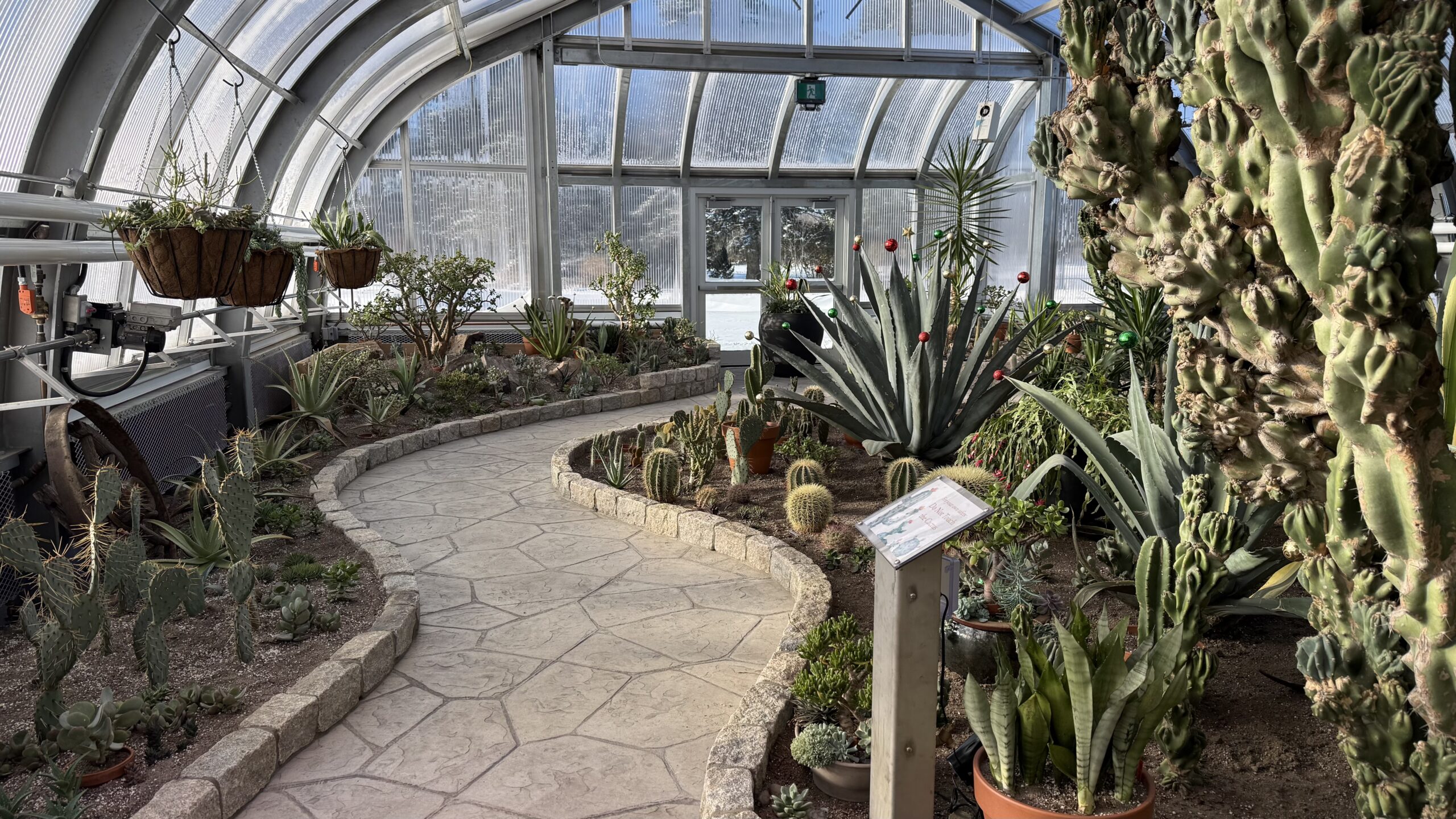
With the second phase complete, the city is now preparing for work on the third phase of its project.
In phase three, the Conservatory’s footprint will expand outside the building with new outdoor event venues, a marketplace, nature-filled pathways, and multiple stormwater ponds.
Walter describes it as “a whole other level that we’ve never had before.”
A full breakdown of the renewal project can be viewed on the city’s website.