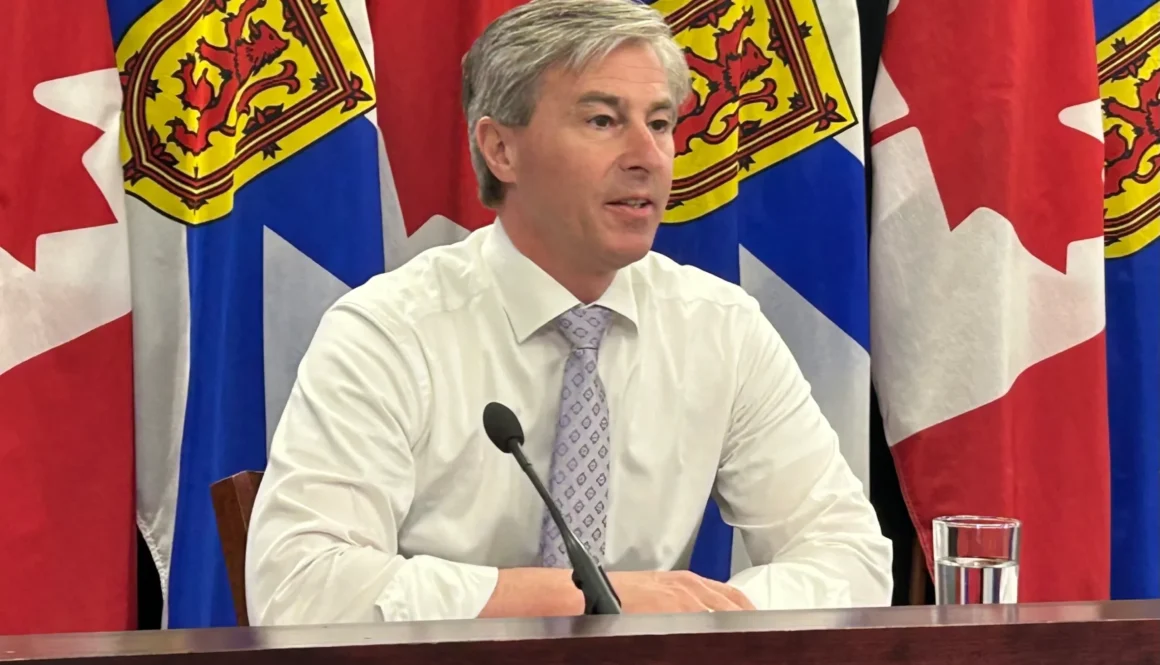
Nova Scotia’s Premier is once again out of province to talk energy.
Tim Houston is attending onshore gas meetings in Calgary this week.
It’s his second trip during the current sitting of the Nova Scotia legislature, he was in Texas two weeks ago for an energy conference.
Last week the Premier was asked if this trip could have waited until after the house rises.
“We feel a sense of urgency to move forward. These meetings have been planned for a while. But the business of government carries on, and we fulfill our obligations there,” Houston told reporters Thursday.
He says people need to know about energy opportunities in the province.
“We’re always just pushing the awareness. We’re hoping that more people start to think about Nova Scotia when we leave than when we arrived to these meetings.”
Opposition leader Claudia Chender said the trip to Calgary isn’t urgent, and the Premier should be in the House to defend his unpopular choices.
A transmission line into the Ring of Fire mining area is getting increased attention from the provincial government.
The Greenstone Transmission Line has been declared a priority project.
The 230-kilometre line will run from Nipigon Bay to near Aroland First Nation, and eventually into the Ring of Fire.
The Ford government previously committed to building the line as part of the agreement signed with Aroland last year, which included $70 million to advance work.
It will be designed and constructed by Hydro One.
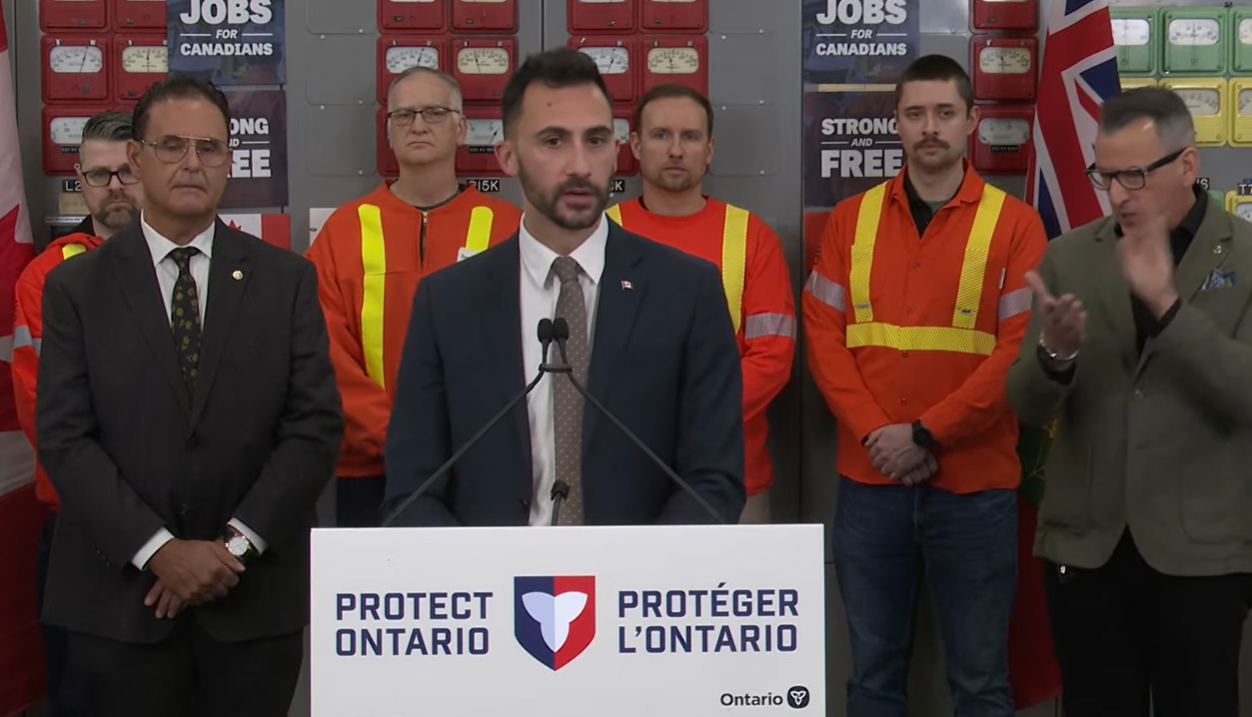
Minister of Energy and Mines Stephen Lecce says the project has been fully endorsed and approved by seven First Nations.
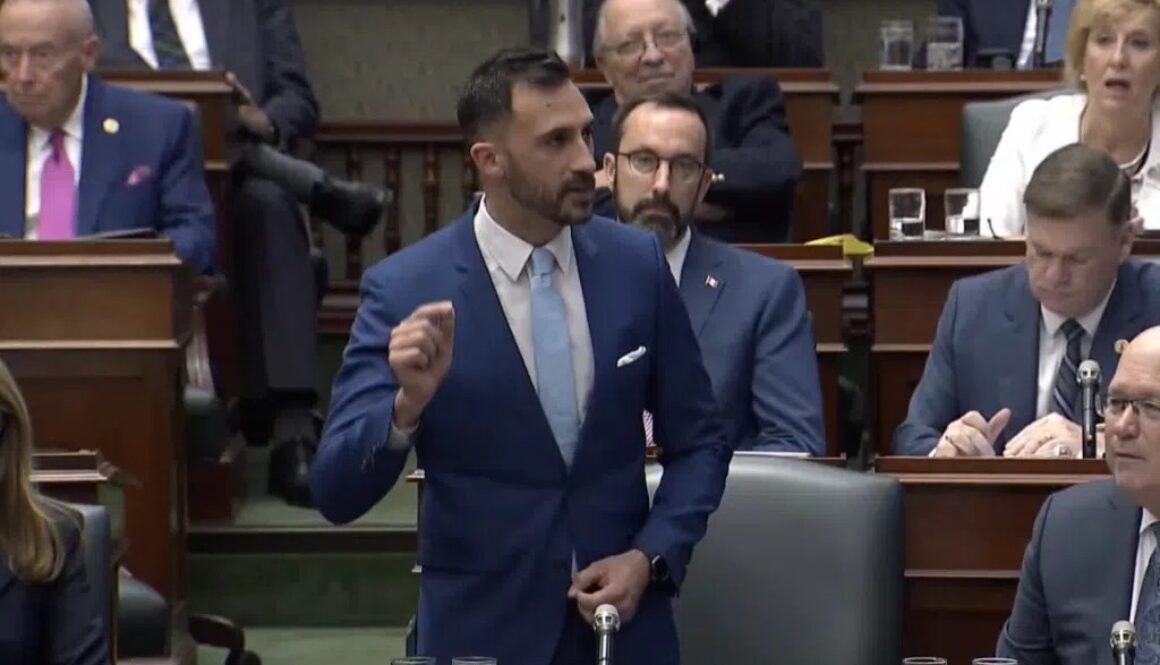
Stephen Lecce, Minister of Energy and Mines, January 28, 2026. Government of Ontario/YouTube screen shot
“We made a commitment to them, and our Premier made this commitment personally to them to end diesel generation, the reliance on diesel power in these communities,” says Lecce.
“And today, in partnership with the Chiefs, we are delivering on this promise.”
Hydro One has been commissioned to design and construct the line, with a 50/50 partnership involving the seven First Nations.
Chief Yvette Metansinine of Animbiigoo Zaagi-igan Anishinaabek First Nation says it’s a critical infrastructure investment that will strengthen the electrical system in her community as it moves into the early stages of development of new homes.
“The new transmission line will also increase electrical capacity, allowing us to move forward with more housing, business, business development and community projects with confidence,” says Metansinine.
“When power is dependable, it opens the door to economic opportunity and sustainable development.”
Chief Gladys Thompson of Biinjitiwaabik Zaaging Anishinaaek First Nation adds that it is an exciting time for her community to partner in the project.
“Together, we can build a stronger, more sustainable future for all our communities,” says Thompson.
“The future is looking brighter for our people, for the creation of more jobs, clean energy, and reliable power for years to come.”
Chief Allan Odawa Jr. of Red Rock Indian Band says his community has good power, but joining with the other First Nations will help create jobs and establish an ongoing revenue stream for other projects.
“Knowing that we get this money every year, that we can start building more homes and bringing my people back to my First Nation and where they belong,” says Odawa.
The provincial government says the project will create more than 7,000 jobs.
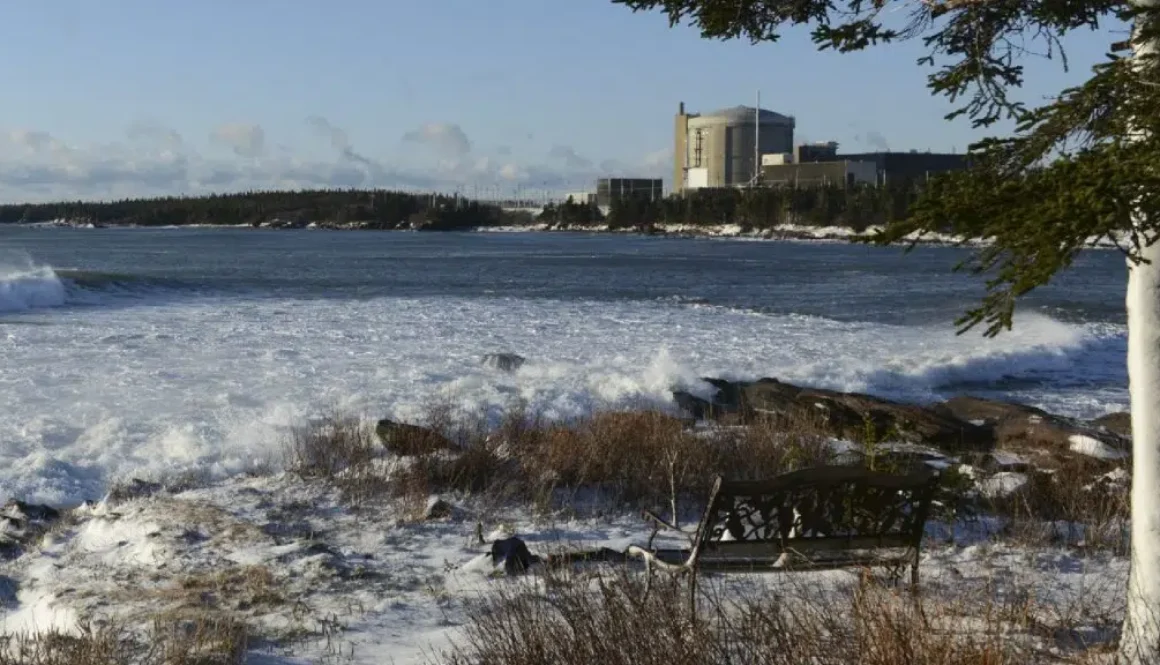
The only provinces operating nuclear power plants entered an agreement Friday to improve performance at the Point Lepreau generating station.
New Brunswick Energy Minister René Legacy was joined by his Ontario counterpart Stephen Lecce to make the agreement.
“New Brunswick and Ontario are known across Canada and around the world for their accomplishments in nuclear power generation,” Legacy said. “This partnership will bolster that reputation and, more importantly, allow our two provinces to strengthen a promising working relationship.”
The support services agreement was signed between NB Power and Laurentis Energy Partners, a subsidiary of Ontario Power Generation.
Under the agreement, Laurentis will provide expertise to improve performance at Point Lepreau. This will consist of:
performance benchmarking and excellence planning
structured performance oversight
on-site support and collaboration
flexible support services
personnel development
Lecce said the partnership will help New Brunswick ensure energy reliability for NB Power customers, and reinforce Ontario’s position as Canada’s clean energy engine.
“Ontario is proud to lead the world in nuclear excellence – and we’re now exporting that expertise to help New Brunswick succeed,” he said.
Legacy said by strengthening this nuclear alliance, New Brunswick and Ontario can eliminate another interprovincial wall and play a key role in supporting energy needs at home and across Canada.
Ontario and the United Kingdom have signed a clean energy agreement.
The province’s Minister of Energy and Mines, Stephen Lecce, made the announcement at the International Tritium Conference in Ottawa on Monday.
Ontario Power Generation (OPG) and the United Kingdom Atomic Energy Authority (UKAEA) Group have signed a Memorandum of Understanding (MOU) for Ontario to work toward supplying tritium (a critical fuel for nuclear fusion) to support the UKAEA’s world-leading fusion research and energy development projects.
The agreement will also support local fusion energy development projects in Ontario and Canada.
“This historic agreement cements Ontario’s long-standing role at the forefront of next-generation nuclear energy,” said Minister Lecce.
“From building the G7’s first Small Modular Reactor (SMR) to powering breakthroughs in fusion and medical isotopes, Ontario is leading the world’s clean energy future. We’re exporting our expertise, creating jobs at home and showing the world what energy security looks like.”
According to the provincial government, tritium is extracted from heavy water during routine operations at Ontario’s CANDU reactors.
As tritium decays, it produces Helium-3 (He-3), an extremely rare and valuable isotope that’s powering breakthroughs in quantum computing and holds promise as a future fuel for fusion reactors.
The UKAEA leads the world’s largest publicly funded research and development program, which is focused on making fusion energy a scalable and usable in a commercial setting.