Annual harm reduction conference takes aim at stigmas
This year’s Harm Reduction Conference focused on practical solutions to substance abuse.
The annual conference, which took place on Thursday, was hosted by the Thunder Bay District Health Unit.
It invited frontline workers, harm reduction workers, first responders, and policy makers to collaborate on addressing drug use.
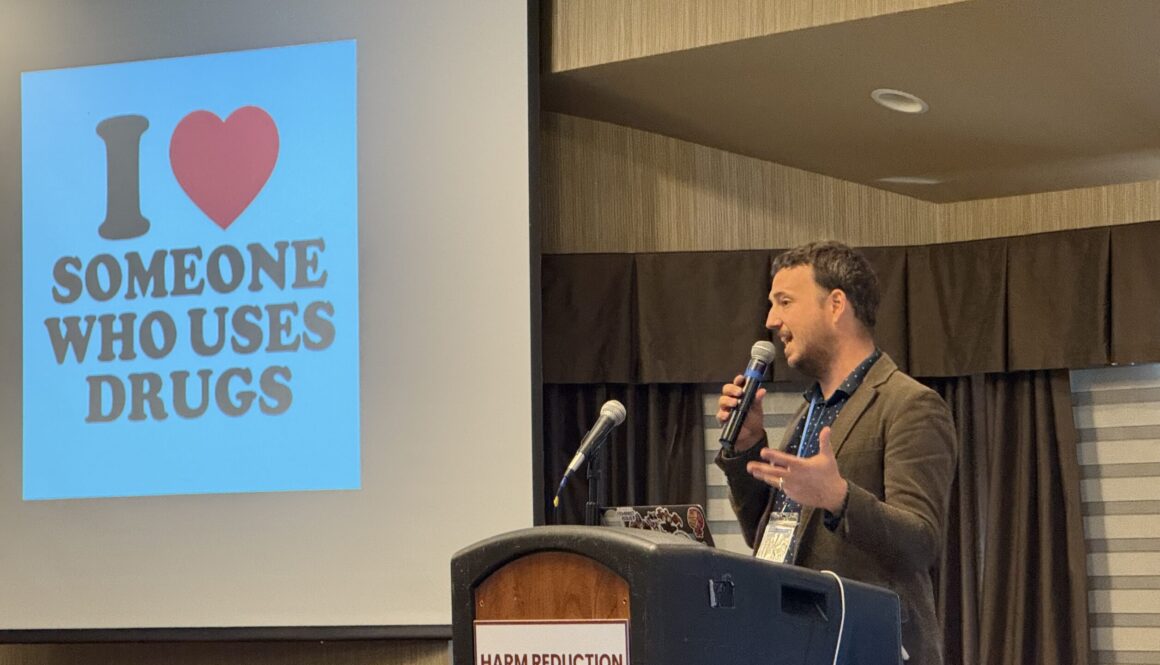
Scott Neufeld, one of the event’s speakers, focused on combating structural stigmas.
Neufeld is an assistant professor of community psychology at Brock University.
He explains that structural stigma occurs when subtle prejudice is embedded in the policies or procedures of organizations.
This includes rules that prevent active drug users from getting the services they need. Neufeld describes this as a “high barrier” approach.
“So often, historically, we’ve created very restrictive approaches that say, unless you can somehow figure this out on your own, I won’t do anything to help you until you can do that,” Neufeld says.
Neufeld explains that a harm reduction approach makes it easier, rather than more difficult to get help.
He defines the harm reduction approach as, “wherever somebody is at, I’m going to try and meet them there and see whatever we can do to get them to move the next step along the pathway towards better health, meeting some of their goals.”
Neufeld says harm reduction is “rooted in inclusivity and love.” He believes that this empathetic attitude towards drug use is relevant not only in providing care, but also on the rhetorical battlefield of politics.
For Neufeld, stigmatizing substance abuse is an easy way to score political points: “To make other people feel threatened or scared or afraid of people in their community can be really advantageous for political leaders who are trying to win votes.”
He suggests that people counter-message by unapologetically humanizing the drug users in their communities.
“If the narrative we’re hearing from leaders is that people who use drugs don’t matter or don’t deserve dignity or human rights, we need to have strong voices standing up and saying, ‘actually, they are a part of our community. We’re going to claim them and identify them as our neighbours, our friends, our loved ones, who do also matter and deserve support.'”