The Thunder Bay Public Library will be keeping the Waverly Library and Mary JL Black Library open for most of the winter holidays.
All of the city’s libraries will be closed for the statutory holidays on December 25 and 26, and January 1, and normal hours will resume on January 2.
The city’s libraries will all additionally be open for just a half day on Christmas Eve, running from 9:30 a.m. to 1 p.m.
Mary JL Black and Waverly Library will be open from December 27 to 31 from 9:30 a.m. to 5 p.m., except on Sunday, December 28, when they will only run from 12:30 p.m. to 5 p.m.
During the holidays, the two libraries will continue to run their free family programming, including the Discovery Club and Game On!
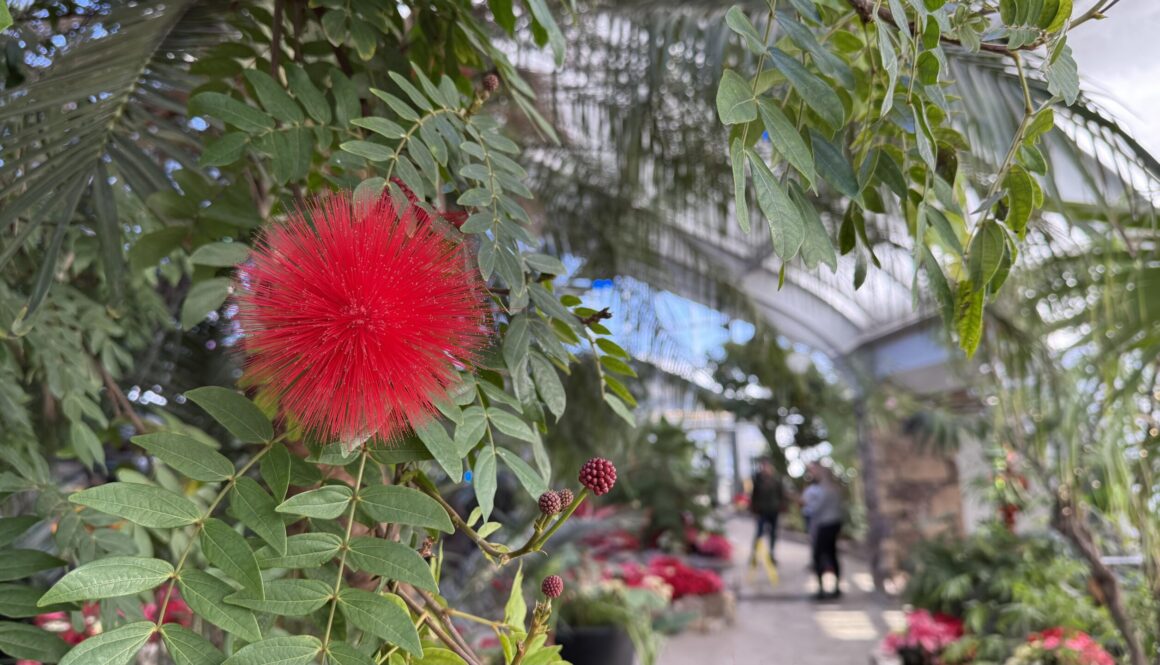
The City of Thunder Bay has completed the second phase of the Centennial Botanical Conservatory’s renewal project.
With phase two complete, the Conservatory is officially ready for free public use and will fully reopen in January.
“It’s been a marathon of a project,” says Manager of Parks and Open Spaces Corey Halvorsen.
The city debated renovating the Conservatory for years, and finally began its efforts in 2020 with phase one, which focused on expanding and updating the building’s production greenhouses.
Halvorsen says the main attraction of the Conservatory, the tropical display, is not a revenue generator for the building, as access is free to the public.
As such, it was necessary to come up with a financial argument for renewing the Conservatory.
“Really, there was a business case that showed that there were savings because of the production greenhouses,” Halverson explains.
The production Greenhouses produce flowers and other native plant species for use throughout the city.
“When you see a landscaped area renewed along a water’s edge, it’s likely that we’ve been involved,” says Halverson.
Without a local space to grow these plants, the city would have to import them from southern Ontario at 30 or 40 times the cost of growing them, saving potentially hundreds of thousands of dollars a year.
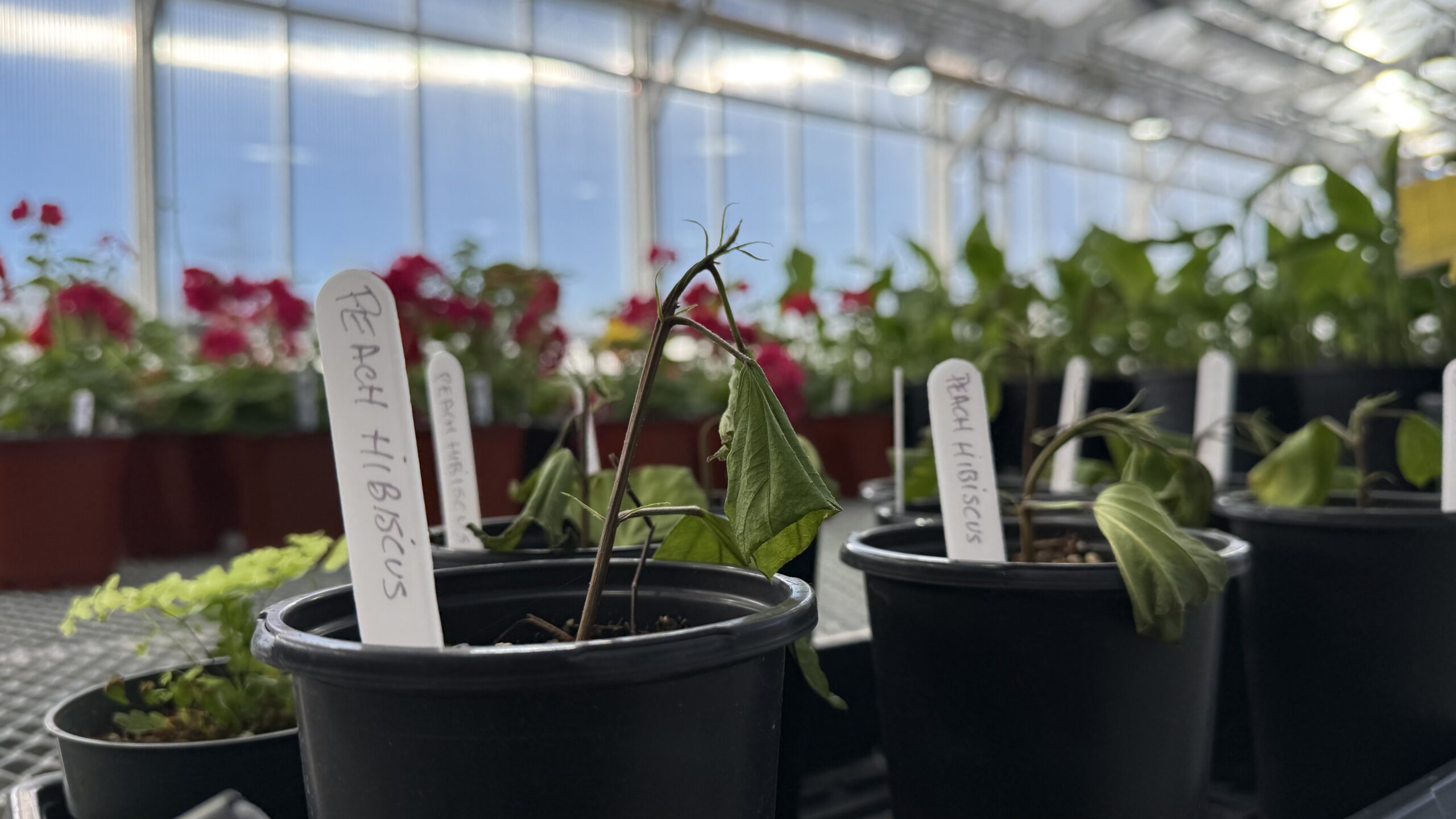
The production greenhouses grow annuals, perennials, native plant species, and more for use throughout the city. (Sam Goldstein/ December 19, 2025)
With the financial costs mitigated by the newly improved production greenhouses, the city was able to begin work on phase two in 2024.
Guy Walter, the city’s Landscape Architect and supervisor of Landscape Architecture and Horticulture, says phase two required rebuilding the Conservatory’s main building from scratch.
“We pretty much just demolished almost the entire thing,” he says. “Now we’ve come out the other side with a state-of-the-art kind of facility that I think people are going to be excited for.”
Walter points to new technologies such as modernized heating systems, new lighting, and sound systems as updates to make the building better than ever.
One particular point of passion for Walter is the granite cobblestone used in the edging, curbing and retaining walls, which was recycled from storage and formerly used in old industrial projects and roads.
The rock was initially extracted from the Kaministiqua River a century ago, marking it as a piece of the city’s “industrial heritage” for Walter.
“It’s nice to see elements like that being brought into a new and renewed space,” he adds.
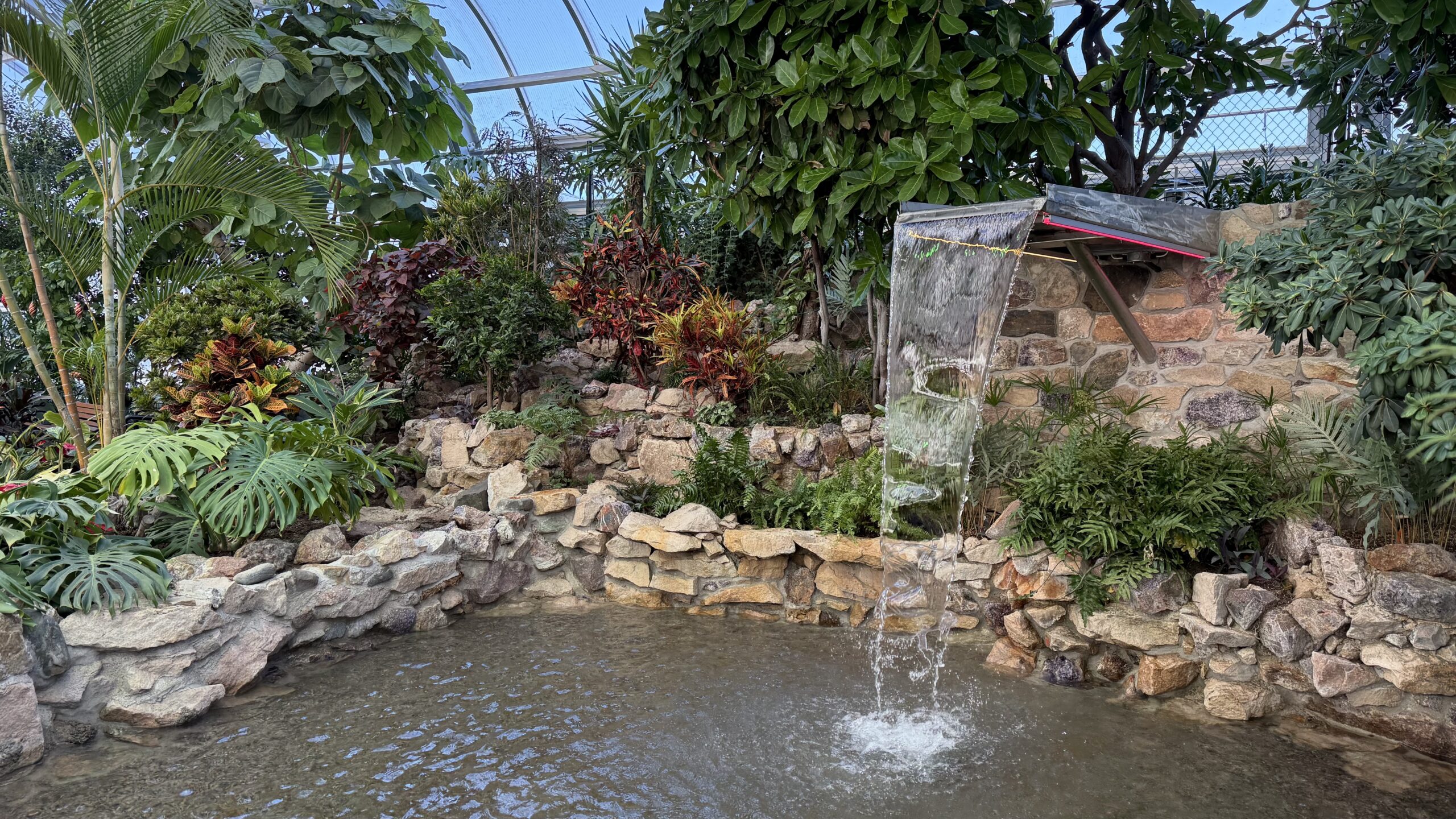
The Conservatory’s pond was reconstructed for easier access. (Sam Goldstein/December 22, 2025)
Both Walter and Halverson agree that part of the Conservatory’s value lies in its relevance for residents of a city with a long and cold winter.
“Living in this climate, we don’t really have that opportunity to get into any green spaces during the winter months,” says Walter.
Halverson says many local individuals and organizations have been loudly supportive of the city’s efforts to renew the Conservatory through the many years the project has been debated, which he thinks is due to its offering of free, accessible green space in winter.
“I think that’s really why the community was so attached to the facilities, that it just naturally brings that positive effect to mental health and wellness,” he says.
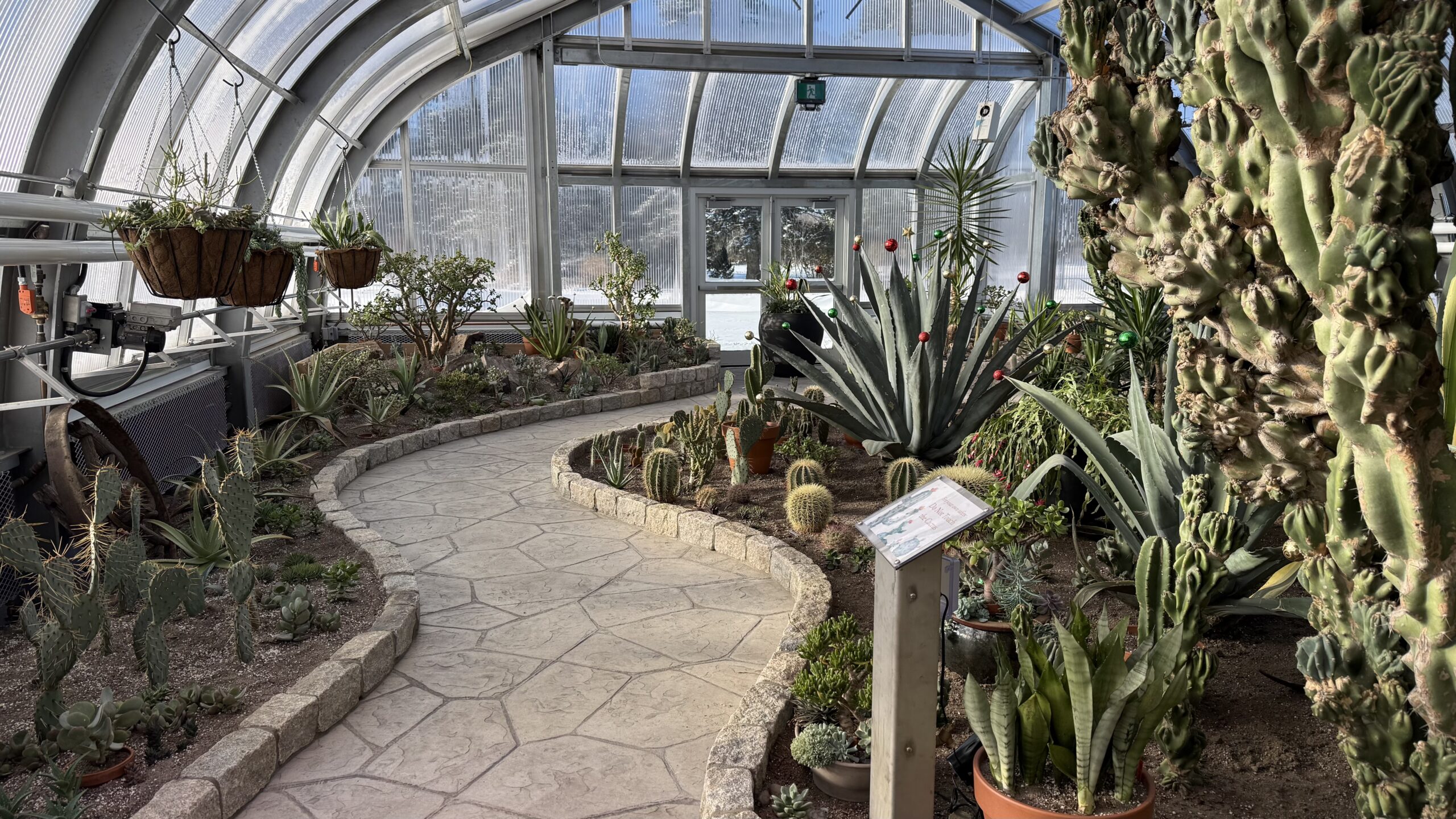
The cactus room sits in the West Wing of the Conservatory. (Sam Goldstein/December 19, 2025)
With the second phase complete, the city is now preparing for work on the third phase of its project.
In phase three, the Conservatory’s footprint will expand outside the building with new outdoor event venues, a marketplace, nature-filled pathways, and multiple stormwater ponds.
Walter describes it as “a whole other level that we’ve never had before.”
A full breakdown of the renewal project can be viewed on the city’s website.
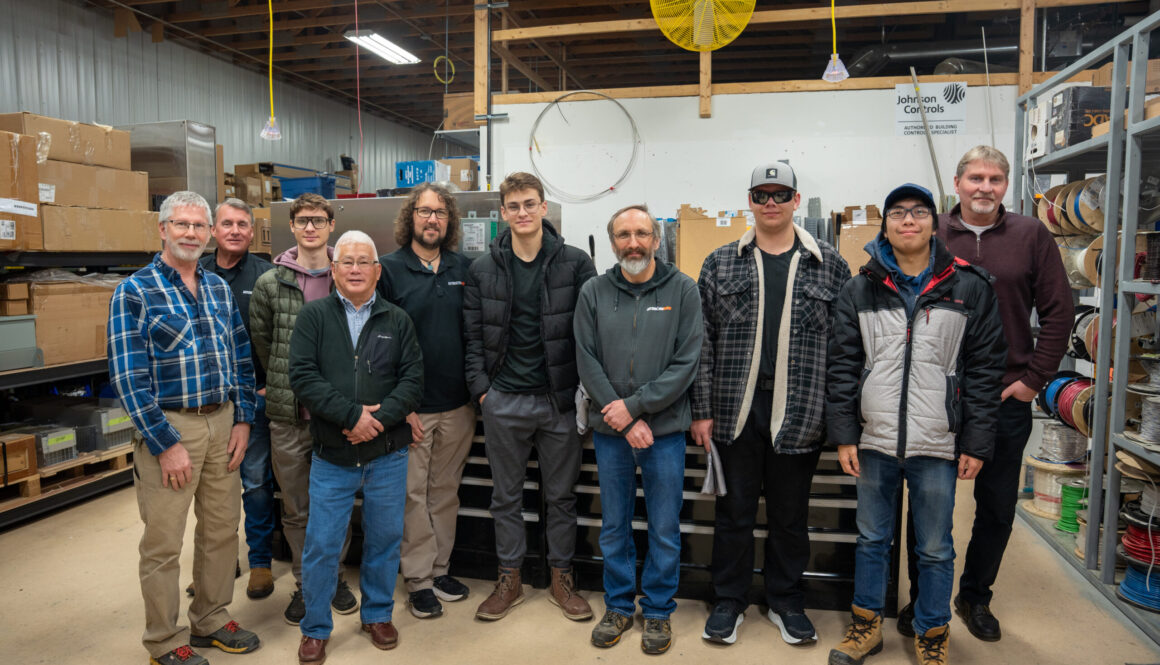
The Canerector Foundation is investing $500,000 into a new partnership with Confederation College to support students in entering the skilled trades.
The scholarship will support 200 students over the next five years, with at least five scholarships each year dedicated to Indigenous students.
Canerector’s scholarship will be for students entering two-year programs for technicians and engineers, including aircraft maintenance, forestry ecosystem management, water resource management, and civil, electrical, and mechanical engineering.
Students who are selected can expect $1000 per semester and an additional $1000 upon completing their programs.
The scholarship program will also include a mentorship component, offering opportunities for networking and career development.
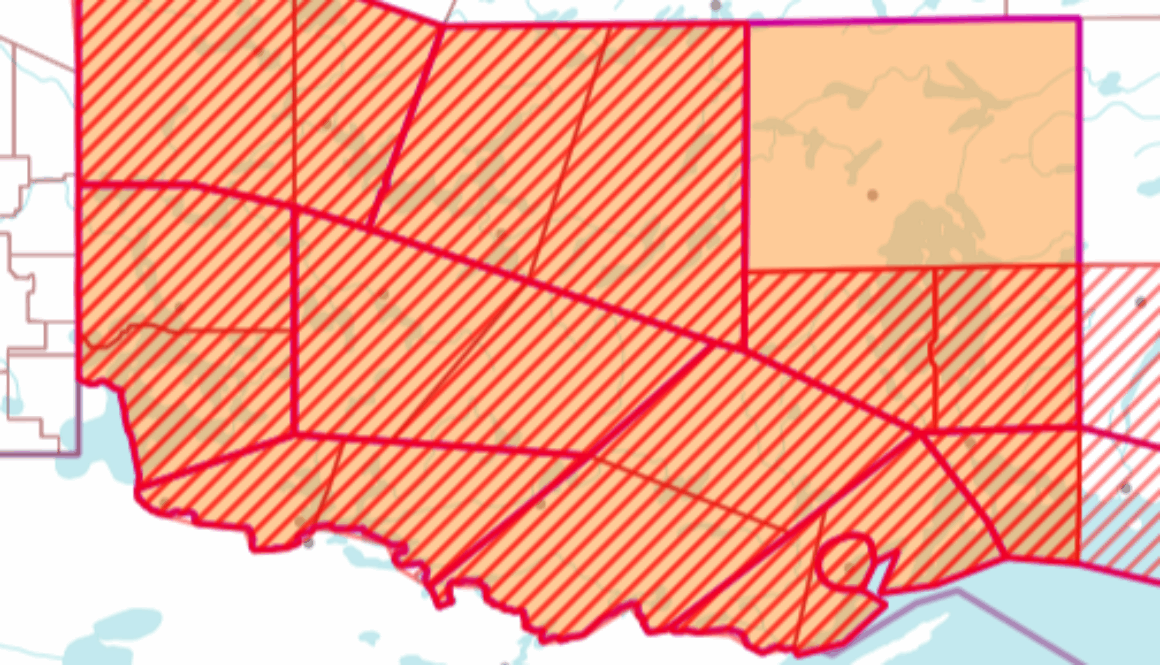
Environment Canada is warning residents in the district to be wary of possible flash freeze conditions overnight.
Above-zero temperatures on Tuesday are expected to subside by the middle of the night, which could cause rapidly-melted snow and slush to freeze over again by Wednesday morning.
Residents who plan to walk or drive on Tuesday night and Wednesday morning can expect icy surfaces on roads and walkways, which may be difficult to spot.
Environment Canada advises caution to anyone travelling outside in flash freeze conditions.
The city of Thunder Bay has activated four new signalized pedestrian crossings.
One is located at Arthur Street and Leland Avenue, one is at 853 Red River Road by the Red River Towers, and two are along Golf Links Road: the first is at 1260 Golf Links Rd. by Thunder Bay Paediatrics, and the second is at 1077 Golf Links Rd. by Lakehead Physiotherapy.
The city describes the new crossings as a way to reduce pedestrian crashes, prevent accidents, and manage traffic flow.
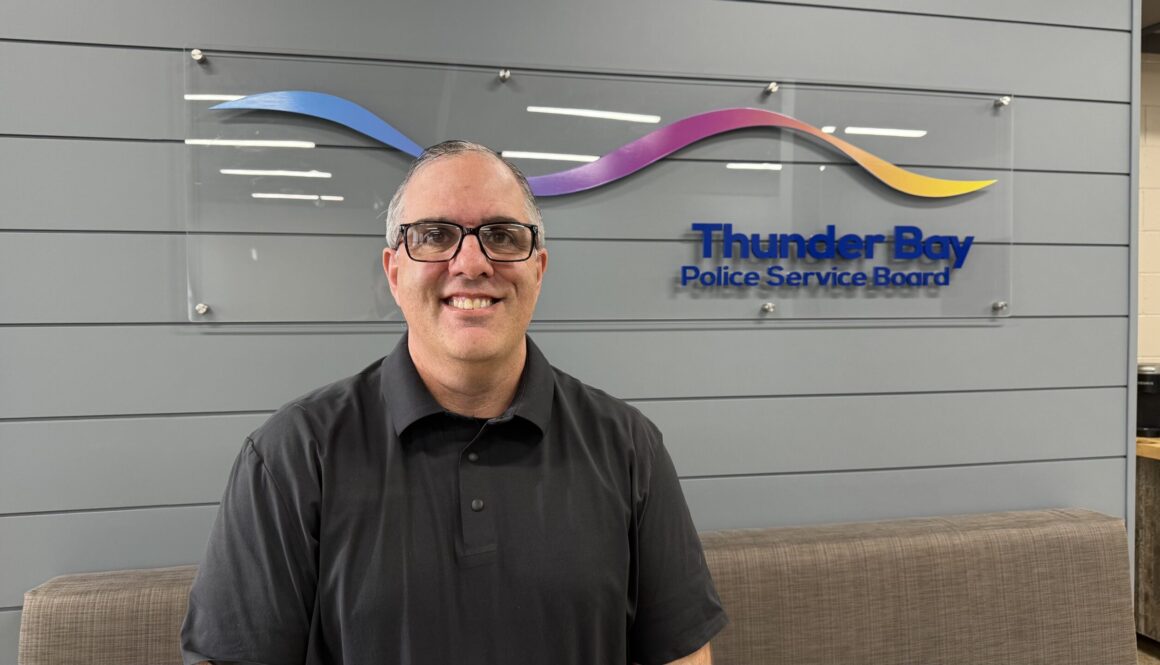
The Thunder Bay Police Service (TBPS) Board has appointed Mark Figliomeni as its first-ever full-time Executive Director.
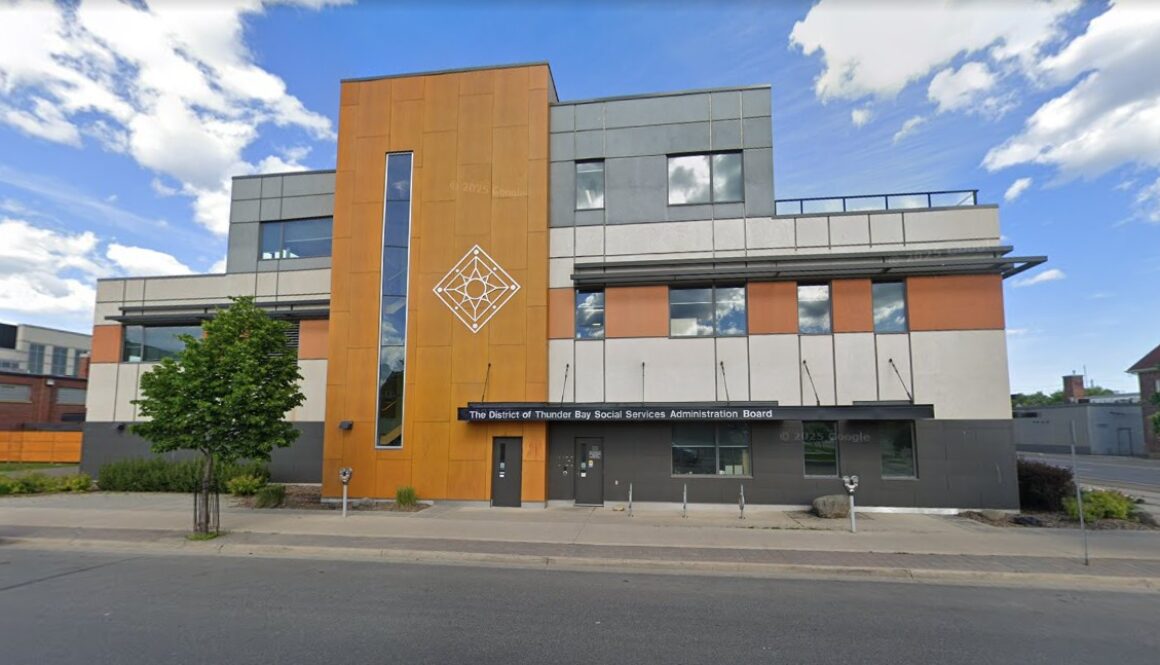
Figliomeni has previously worked in municipal politics as a councillor and mayor of Schreiber, as a board member and vice-chair of the District of Thunder Bay Social Services Administration Board, and most recently as the Chief Administrative Officer of Red Rock Township.
But the director’s new role in leading the police board comes with historic baggage that will demand a deft touch.
In late 2018, the city of Thunder Bay was rocked by two reports that both characterized the TBPS as an institution wracked by systemic racism from top to bottom.
The Sinclair Report, published by Senator Murray Sinclair (who also chaired the Truth and Reconciliation Commission), observed a failure by the TBPS to investigate Indigenous-related crimes in the city and a general lack of faith in police by Indigenous residents of Thunder Bay and the surrounding district.
The Broken Trust report, published by Gerry McNeilly, Director of The Office of the Independent Police Review, came to similar conclusions one month later, specifically criticizing the manner of investigations into Indigenous deaths by the TBPS.
Both reports laid out a series of recommendations to improve police transparency and accountability, and ultimately repair the fractured trust that marginalized members of the city had lost in their public institutions.
The police board initially conveyed a reluctance to address the recommendations under then-Chief Sylvie Hauth, who is currently facing criminal charges and is set to face the courts in April.
But in the years since, progress has been made: the TBPS appointed Darcy Fleury of the Red River Métis as Chief, appointed two Indigenous women to the board, and last year released a public tracker to improve transparency in the service’s efforts to meet the many recommendations to transform the institution.
The appointment of a full-time Executive Director to lead the board was one of the recommendations of the Sinclair report.
Figliomeni describes his orientation into the new role as overwhelming but intriguing.
Though he is still familiarizing himself with the position’s nuances, the new director feels the new full-time position “enables us to evolve with the times.”
“Generally speaking, it’s the vision of the board to continue to get better, to adopt those recommendations from that report, and move forward,” he says.
Figliomeni is undaunted by the controversial history of the city police.
Despite entering uncharted territory as the first in his role, he feels that his own career history has prepared him for the task.
“When it’s an inaugural role, it’s one framework that you’re there to develop. So we have a kind of vision as to where it’ll go, but certainly it’s a vision that still needs to be developed.”
Figliomeni says his career history demanded “wearing many hats,” taking on wide-ranging responsibilities and relying on the establishment and maintenance of key relationships to achieve success.
The new director recognizes that the police board has a grave responsibility to make positive changes, but feels the progress is clear and visible.
“I think this board has a clear focus of being better, and I think you’ve seen that over the last year or more… I’m seeing a very engaged board, and a board very interested in being successful with a brand new strategic plan,” he adds.
Figliomeni sees the role he is taking on as intriguing, challenging, and one that will allow him to make a difference.
“I wanted to be able to contribute back to the city of Thunder Bay, a city that I call home.”
For those of you who haven’t been introduced, I’m Sam, 99.9’s first-ever Jewish journalist.
I moved to Thunder Bay this year from Toronto, a city with a long-standing and historic Jewish community nearly as large as our entire city.
Last week, I decided it might be fun to write something about a Jewish holiday taking place in the lead-up to Christmas.
But earlier today, in Australia, a Jewish event celebrating the holiday was attacked in a brutal and horrifying mass shooting.
At least 11 people have been killed, and 29 wounded in the attack.
In the days and weeks to come, great debates will be had about the motivations of the two individuals who carried out the shooting, but until more information comes to light, there is no use in speculating.
When events like this happen, I am reminded that the spectre of antisemitism, which has haunted Jewish people for two millennia, is alive and well despite the progress we have made since the Second World War.
A constant lesson of our history is the need to carry on no matter the tragedy, immortalized in the phrase this too shall pass.
Through expulsions, pogroms, and mass killings, Judaism has persisted, and its people have continued to proudly bear our label despite the risks.
When I woke up this morning to the news, I considered deleting this piece, feeling the light-hearted tone was no longer appropriate.
I changed my mind: I suspect that the men who attacked the Australian event earlier today would love nothing more than for Jewish folk around the world to spend their Hanukkah in quiet fear, afraid to attend public gatherings or publicly identify with Judaism.
At times like these, it is more important than ever to joyfully share our heritage and traditions, in public and without apology.
So read on if you wish to learn about the holiday of Hanukkah, which has always been my favourite Jewish holiday, and which was being peacefully celebrated on a beach in Sydney when 11 lives were taken this morning.
Hanukkah, our festival of lights, begins tonight and ends on Monday, December 22.
A brief Jewish history lesson
I’ve always loved Hanukkah as a history buff, because the holiday celebrates a well-documented and inspiring historical event that took place a full 1,500 years after the Torah (what you likely know as the Old Testament) was written.
Unlike the biblical events that define most Jewish holiday celebrations, there is no historical ambiguity to Hanukkah. We know, in fairly certain terms, what happened, when, and by whom.
If you hadn’t heard, the Jewish faith traces its roots to the modern-day lands of Israel and Palestine – specifically, in what today makes up the occupied territory of the West Bank in Palestine, which Israel refers to as Judea and Samaria after the ancient Jewish kingdoms that used to exist there.
Judea, the southern kingdom with its capital in Jerusalem, was the centre of Jewish life in the age of antiquity.
Despite centuries of occupation by foreign conquerors, Jews in Judea had been allowed to practice their religion and culture by their occupiers.
But in the 100s BCE, the Seleucid king Antiochus IV, who ruled the Levantine portion of Alexander the Great’s fractured empire, decreed that the Jews would be Hellenized, outlawing the Jewish faith and forcing my ancient ancestors to worship the Greek pantheon.
Alas, Zeus and co. were not really our cup of tea.
The event sparked a great rebellion led by a Jewish family known as the Maccabees.
The rebellion was very much in the vein of a David fights Goliath story, as the small Jewish kingdom of Judea challenged a great empire and emerged victorious against all odds.
Festival of Lights
If you’ve ever heard of the Western Wall in Jerusalem, you may know that in the age of antiquity, that wall used to be one piece of the outer ring of a great Jewish temple that was central to the ancient Jewish faith.
The temple would eventually be destroyed by the Romans, but at this time it still existed and was of great importance to the ancient Jews.
When the Maccabean rebellion broke out, their adversaries, the Seleucid Greeks, sacked the holy temple.
After driving out their occupiers, the Maccabees returned to Jerusalem only to discover the temple in a state of disrepair.
A large menorah, or seven-stemmed candelabra, stood tall in the temple.
It was traditionally meant to illuminate the holy temple 24/7 by burning olive oil.
The menorah had not been allowed to burn its seven flames while under Seleucid occupation.
This is where history becomes legend: upon liberating Jerusalem, the Maccabees could find only one small jar of lamp oil in the temple for the menorah – enough to last for just one day.
Miraculously, the lamp oil from that tiny jar burned for eight days, giving the temple’s caretakers enough time to restock their oil supply.
The story of the burning menorah is central to the holiday tradition: we celebrate Hanukkah for eight days to represent the eight days that the little jar of oil burned.
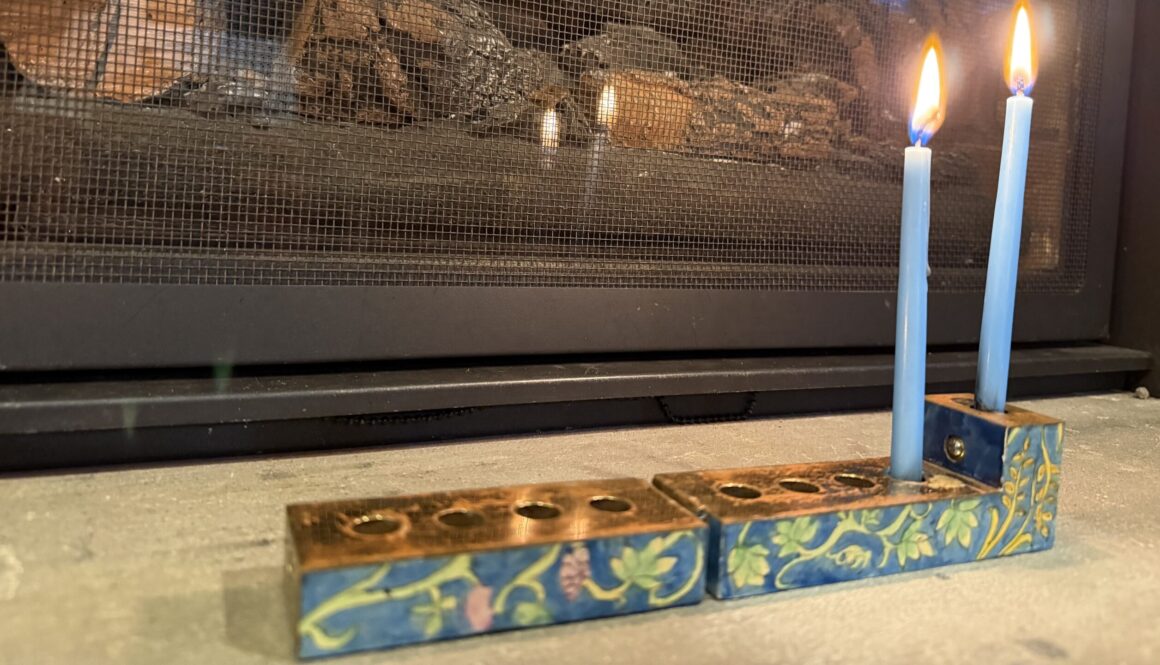
Over the holiday, Jewish families light a modified menorah called a Hanukkiah, which has nine stems, in our homes.
Today, we light candles rather than burning olive oil.
Eight stems on the Hanukkiah represent the eight days of burning, and a ninth stem, the Shamash, or helper in Hebrew, is used to light the other eight.
Each night of the holiday, we light another candle. On the first night, we light one candle, on the second two, and on the final day, we light all eight candles with the Shamash.
But what about the food?
As we all know, a holiday is only as good as its traditional foods.
For Hanukkah, we serve deep-fried Latkes (potato pancakes) as the star dish.
We usually top them with sour cream or apple sauce, though in my family, we sometimes top them with smoked salmon.
Other traditional foods are Sufganiyot, or jelly donuts, and gelt, or chocolate coins.
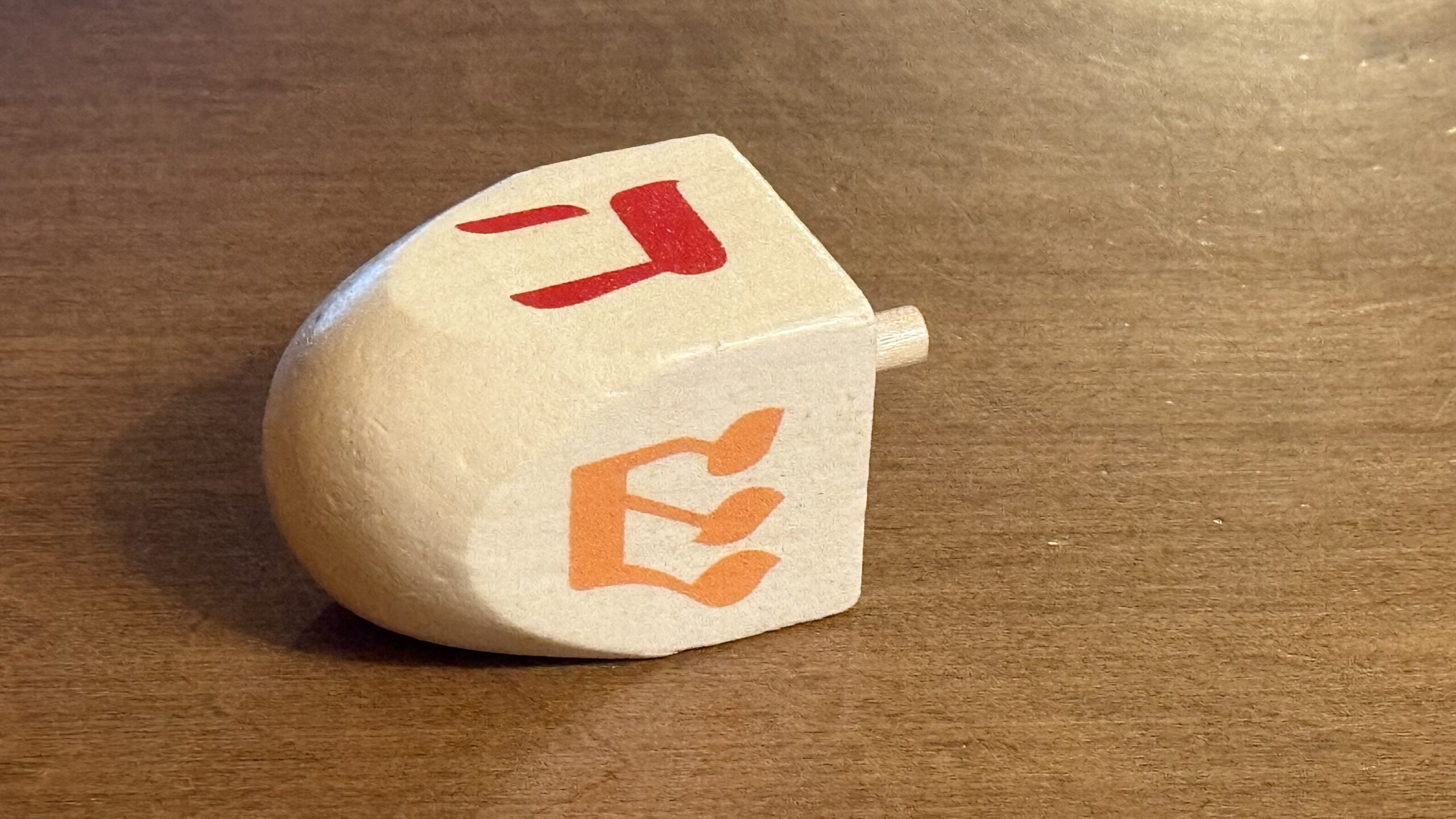
One of Hanukkah’s traditions is to play dreidel: the four-sided spinning top functions similarly to a dice.
A dreidel, or Jewish spinning top. The four Hebrew letters on the four sides represent an acronym translating to “a great miracle happened there.” (Sam Goldstein/December 10, 2025)
We teach our children the horrors of gambling at a young age by allowing them to gamble their chocolate gelt, so they can feel the pain of losing all their sweet chocolate money when the dreidel lands on the wrong side.
Hanukkah is also a time to bring out other classic Jewish foods: Challah, or Jewish egg bread, Kugel, or egg noodle casserole, apple cake, and, god willing, juicy beef brisket.
If, like me, you’re away from your family this holiday season, I hope it comforts you to think of the traditions, the comfort foods, the stories, and the heritage that you’ve left behind.
But of course, you haven’t really left it all behind. These things live within you everywhere you go, as they do in me.