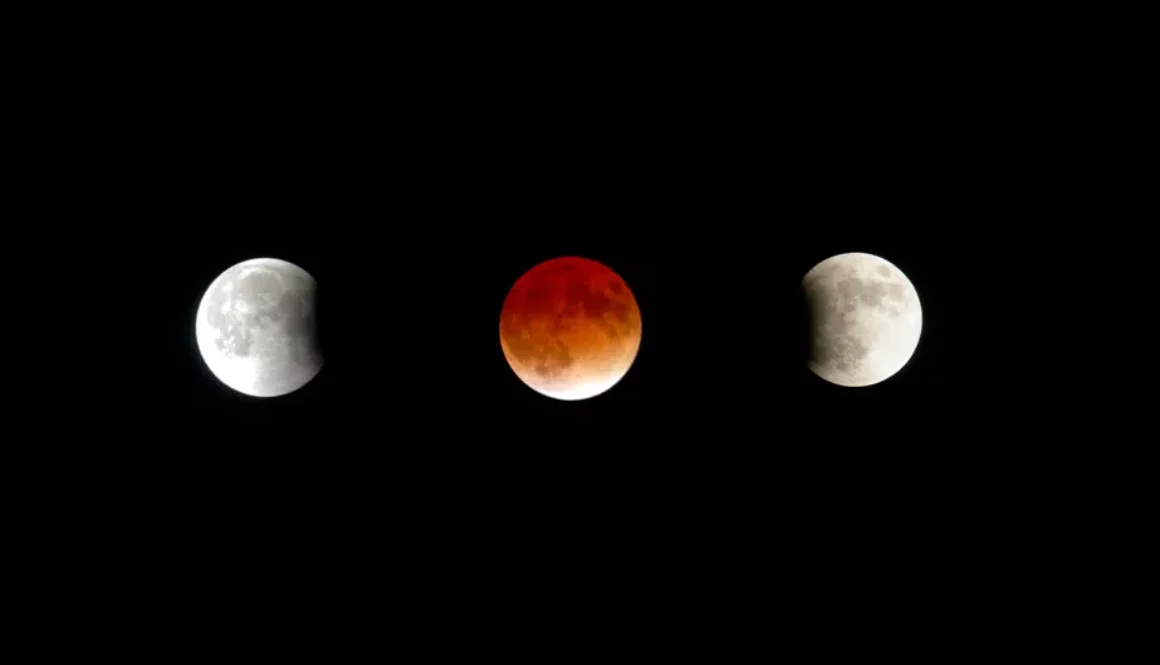
Total lunar eclipse to put on a show for New Brunswick
Early Tuesday, March 3, starting at 5:50 a.m., a total lunar eclipse. It will remain visible until roughly 7:00 a.m., when the moon will set before the eclipse reaches totality.
The moon will move into the Earth’s shadow and will turn a beautiful orange colour, which will take roughly three and a half hours. However, according to Gary Boyle, otherwise known as The Backyard Astronomer, the full show will not be seen in the Atlantic region of Canada.
“Anytime there is a total or partial lunar eclipse, half the Earth will see it. Where you are situated determines if you’re going to see part of it or none of it,” said Boyle.
According to the backyard astronomer, people in Africa, for example, will not be able to see this lunar eclipse.
“[Canadians] will get to see some of it from the Atlantic provinces. As you move further west, there’s more and more chance to see the whole eclipse. British Columbia will see the entire show,” he said.
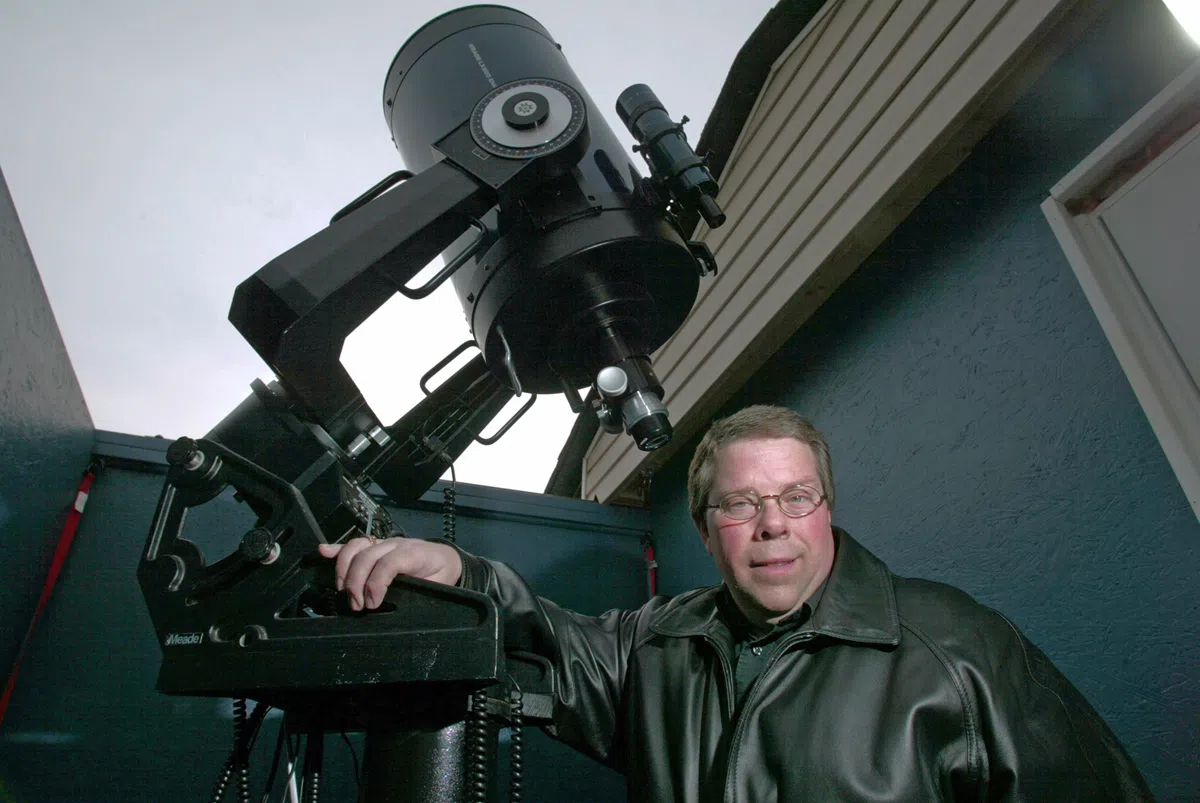
This moon is specially named for March; the Worm Moon. According to Boyle, there is a full moon name given for every month, such as April’s Pink Moon and May’s Flower Moon, which are soon approaching. Full moons occur every 29.5 days.
“A lunar eclipse is very safe to look at. It’s just the full Worm moon for March moving into the earth’s shadow. No sun is involved, so you will not have any kind of eye damage,” explained Boyle.
Boyle says that if anyone plans to photograph the event, to try to get a nice western horizon.
“The moon will be setting eclipsed, and it’ll be dark as it’s setting, and with the atmosphere of the Earth, even darker. So, try to get a good western horizon away from trees or mountains if you want to. It’s just a wonderful event.”
“You are getting up for work and school anyway, so you might as well take a gander at it,” he said.
A lunar eclipse typically occurs twice a year and usually follows a solar eclipse, which occurred back on Feb. 17.
“Two weeks before we have a solar eclipse, which we had back in February, but only the penguins in Antarctica saw that one,” Boyle noted.
The next lunar eclipse will occur on Aug. 27, but it will not be a total lunar eclipse, as it will only be about 96 percent coverage.