Transportation safety, rural immigration remain priorities for NOMA amid federal budget release
The Northwestern Ontario Municipal Association is happy to see the commitment to invest in infrastructure, clean energy, critical minerals, and housing in the federal budget.
However, they would still like to see Highways 11 and 17 treated as a national priority, and the organization has concerns about the planned reduction in immigration.
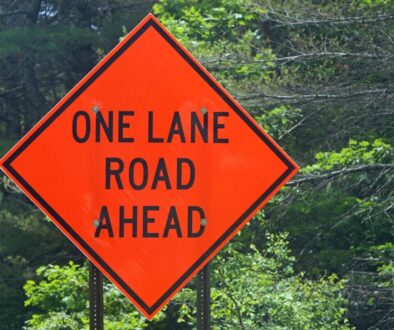
“There’s some areas within our districts of northwestern Ontario that have some 200 plus kilometers without a passing lane that’s really not acceptable, and reality is we look at that and we ask government if you want to talk about nation building programs, this is one that you could put tens of thousands of people to work, invest billions of dollars and improve our commerce or economics and our safety for the residents,” explained NOMA President Rick Dumas.
“Our highways are our lifelines. When the Trans-Canada closes in northern Ontario, Canada closes.”
Road closures due to collisions, weather, and construction impact transportation in the region, as well as businesses that rely on the stretch of road to deliver products to and from stores.
According to NOMA, closures on Highway 11/17 cost the economy millions of dollars each year by disrupting the movement of goods, people, and essential services.
NOMA is calling on the federal government to work closely with the Province of Ontario to fast-track investment in Highway 11/17 infrastructure, including the adoption of modern designs such as 2+1 safety corridors to enhance mobility, safety, and national connectivity.
The organization also noted its concerns about the federal government’s plan to reduce immigration by nearly 50 per cent, particularly among temporary residents such as international students and foreign workers.
The association acknowledged the need to manage growth sustainably, but highlighted that these changes risk unintended and harmful consequences for rural and northern regions that rely on immigration to sustain their labour markets, fill critical service and healthcare roles, and support economic development in small communities.
NOMA cites the region’s shrinking youth population, an aging workforce, and persistent labour shortages across key sectors, including healthcare, mining, forestry, hospitality, and construction, as the reasoning for its concern.
They believe immigration remains one of the only pathways to meet local workforce needs.
“Reducing immigration without regional exemptions will deepen workforce challenges in Northern Ontario,” said Executive Vice President Fred Mota. “We need a regionalized approach that ensures newcomers are directed to the places that need them most — communities like ours that are ready to welcome and retain skilled workers.”
NOMA is looking forward to working with Prime Minister Mark Carney, Minister Patty Hajdu, and MP Marcus Powlowski to grow the North, attract new workers, and make life more affordable for those living and working in Northwestern Ontario.
The organization has extended a direct invitation to the Prime Minister to visit the region to see firsthand the challenges and opportunities facing the region.
They also hope to have meetings with the federal government in Ottawa in early December to discuss immigration to the region.