Tuition freeze ends, increased funding for Ontario colleges & universities
Some new dollars for Ontario’s colleges and universities.
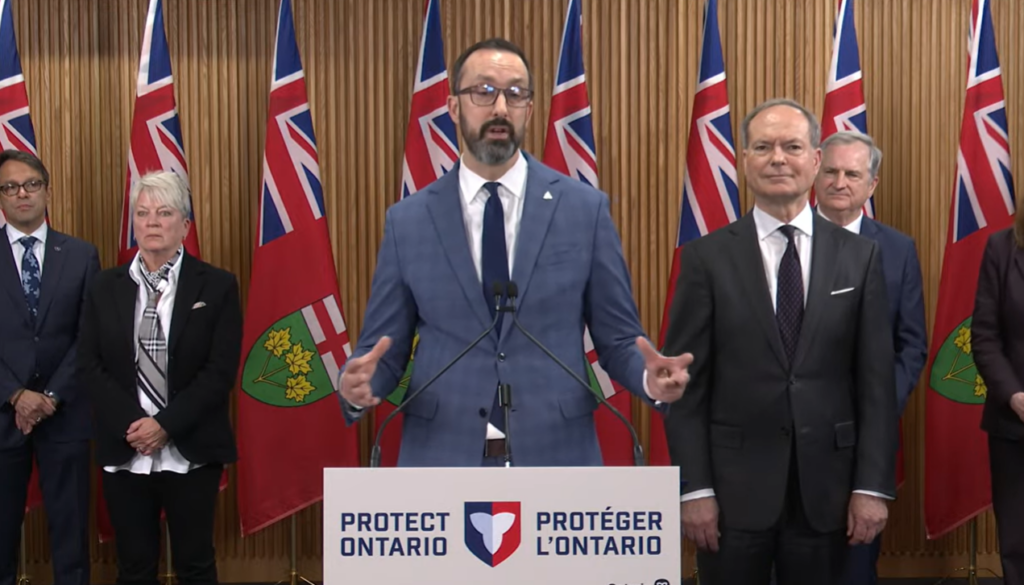
A new funding formula will see the province contribute an additional $6.4 billion over the next four years, while increasing annual operating funding to $7 billion beginning this fall.
Colleges and Universities Minister Nolan Quinn says it amounts to a 30% increase.
“This historic long-term funding model will sustain the sector for generations to come, supporting world-class research and ensuring Ontario students will always graduate ready to protect Ontario’s economy, no matter what we may face,” says Quinn.
Quinn adds the money will support the addition of over 70,000 students in high-demand programs like STEM, healthcare and teacher education.
Along with the new funding model, the province is also lifting a seven-year tuition freeze.
Colleges and universities will be permitted to raise tuition 2% per year for the next three years, and then up to 2% or the three-year average rate of inflation, whichever is less, after that.
Quinn says it was necessary to end the freeze with the federal government’s 2024 decision to cap the number of foreign students wanting to learn in Canada.
“Since we’ve frozen tuition in 2019, the average tuition rates across Canada have gone up 18 to 41%. Understanding the sector has changed, we want to ensure sustainability for future generations,” says Quinn.
Quinn says the increase will still keep tuition fees among the lowest in Canada, and comparable to those paid by students in British Columbia and Manitoba.
Changes to the Ontario Student Assistance Program are also taking place.
Students will be eligible to receive a maximum of 25% funding as grants, with the rest provided in loans.
Quinn says changes by the federal government to no longer fund student grants required the province to take action.
“This decision, along with a recent increase in uptake of OSAP, has created a $2.3 billion pressure on our system. With no action, this pressure would decimate OSAP, making it unavailable for future generations.”
The province says it will be negotiating an enhanced Student Access Guarantee (SAG) with institutions to provide additional support for tuition, books and mandatory fees for low-income students if OSAP funding does not cover the costs.
Students attending private colleges will no longer be eligible for OSAP funding.