Another key vote near on allowing mining near Boundary Waters
By Mike Moen – Producer/Minnesota News Connection
The U.S. Senate returns from recess on February 23 and could vote early in the week on whether to reverse a ban on mining near Minnesota’s Boundary Waters Canoe Area Wilderness.
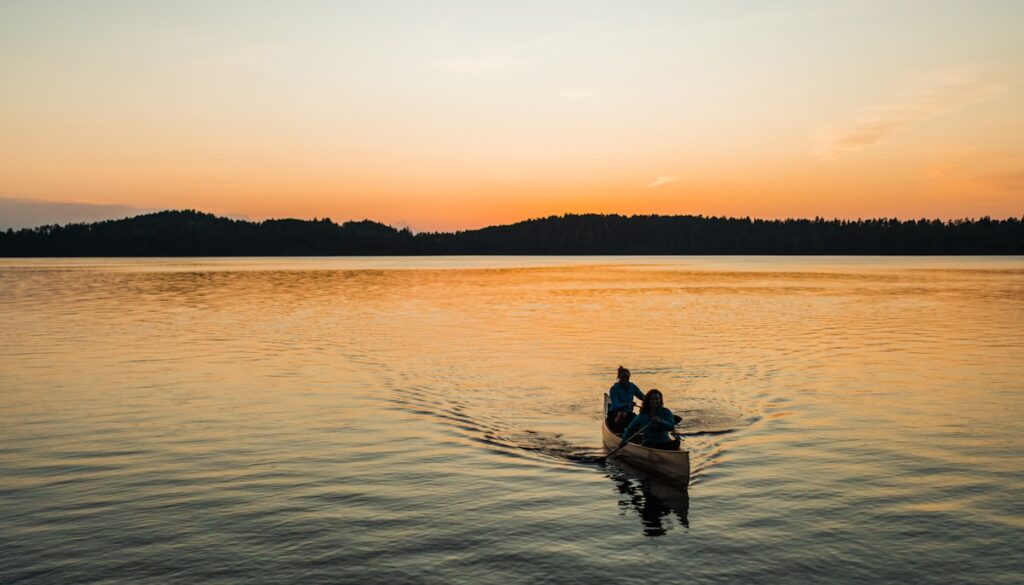
Recent House approval raised concerns about what it would mean for America’s most-visited wilderness area.
In 2023, the Biden administration enacted a 20-year moratorium on mining within a watershed upstream from the Boundary Waters.
The move was made to prevent pollution, namely sulfuric acid, amid one company’s long-standing efforts to build a copper-nickel mine in the northeast part of the state.
Republican lawmakers and the Trump administration insist the project is needed for critical minerals.
Brad Gausman, executive director of the Minnesota Wildlife Federation, says it would not be worth it because the region’s tourism economy would suffer.
“If those waters and landscapes are degraded, people aren’t going to want to go fish and swim and recreate,” Gausman points out.
He also questions whether the mining project would help America compete globally, pointing out the potential for extracted elements to be processed in China and then sold back to American firms.
The company hinted it has not decided where the final processing would happen and argued there would be strong environmental protections.
Despite concerns about hurting outdoor recreation work, a number of regional unions back the project because of mine-related jobs.
Gausman paints a picture of the ecological threats.
“The unique fisheries within the Boundary Waters, cold-water species that thrive there; lake trout, for example,” Gausman outlines.
“Water connects everything. Wildlife could potentially suffer that is drinking contaminated water.”
There is also concern about harming drinking water resources and wild rice beds for Indigenous populations.
Critics also argue that waters in the Rainy Lake basin could be impacted, as many of the lakes and streams within the Boundary Waters flow into northwestern Ontario.
The Superior National Forest states nearly 150,000 people visited the Boundary Waters in 2024, the last year of available data.