Tim Davidson has more than 30 years of experience in radio news. He is based in Kenora and covers stories in northwestern Ontario. Contact Tim at davidson.tim@radioabl.ca.
The Nuclear Waste Management Organization says it could be five more years before any construction starts on the Deep Geological Repository.
Joe Heil update Dryden City Council on the nuclear waste project Monday night.
He says if they get all the approvals, then they can start work.
“I think the big bulk of the work is really construction…so probably 2030,” Heil told Dryden city council in his presentation.
“Really, that’s when the big construction would happen. Again, if I remember correctly, I think the numbers are 600 people coming in.”
Heil adds the first part of building would include the shafts and underground work, followed by above ground construction starting in 2033.
“Probably 600 people coming in during construction for the 10 years, then another 600 sustained over the operational period, which is probably 50 to 60 years thereafter.”
He suggests the facility likely won’t be open until at least 2043.
Heil points out that they plan to start construction on the Center of Excellence next year, with construction complete in Ignace by 2028.
The Conservatives says there will be some help for businesses facing a labour crunch in northern Ontario if the Temporary Foreign Worker program is scrapped.
Party Leader Pierre Poilievre made that promise last week.
Kenora MP Eric Melillo says this isn’t a one size fits all policy.
“We recognize that depending on the region and depending on the industry, there is a need to fill those vacancies, and that’s why we’re going to take that regional approach and implement this over a five-year transition period for those low unemployment regions,” says Melillo.
“So, I think this is a very common-sense policy addressing the issues we’re seeing.”
Melillo stresses this is not a one size-fits-all approach to immigration.
“We recognize there are industries and regions where unemployment is low, and it’s difficult to fill positions with Canadian workers and we see that in different industries across the northwest. That’s why we’re going to be looking at this with a regional approach.”
In the last federal and provincial elections, municipal leaders in this region came out and said they needed more immigration and a change in policy was needed to address the labour shortage.
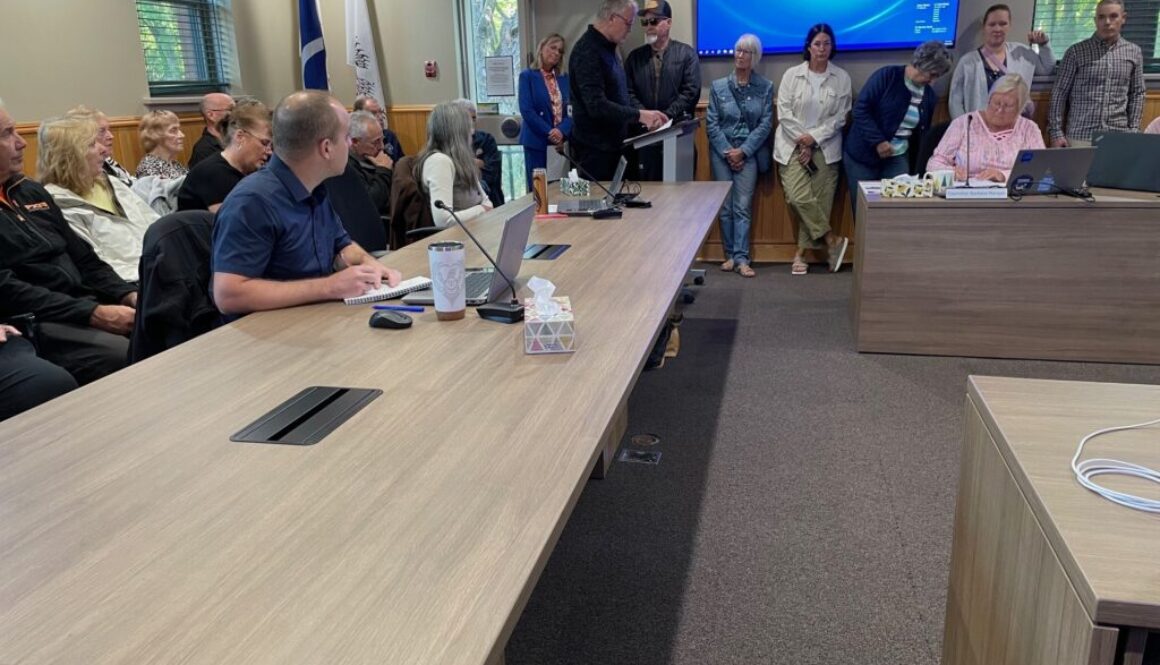
A standing-room only crowd in council chambers Tuesday morning.
Residents on Minnesota Street are upset the city might recommend selling of a small piece of a road allowance to allow a 32-unit housing development to proceed.
Shannon Campbell is a planner and resident in the area and says the city hasn’t properly consulted with them about the proposal.
“I haven’t seen any of the planners in the neighborhood, come out to our neighborhood,” Campbell told Kenora city council during the Committee of the Whole meeting.
“The stuff on Airport Road was like that. We’ve got other developments that are in trouble in Kenora, for the same reason. Come out and talk to the people.”
Councillor Graham Chaze says he hasn’t decided how he’s going to vote but suggests he’s in favour of the report to council.
“The benefits of this housing project, having more daycare space, supersedes the need for this property to be retained by the city and not allow this development to proceed.”
Keith Merkel from Edgecorp, which is developing the lot at 34 Minnesota Street, says they initially planned on a 24-unit building, but needed the extra units to make the project financially feasible.
Lake of the Woods District Hospital and the Kenora District Services Board, which are working with Edgecorp on the project, both are supporting the proposal.
Residents who packed council chambers say the street, that accesses Norman Park and the Rotary Splash Pad, is already congested, and more vehicles will make it more so.
They say they are not opposed to the development, but they would like a smaller building, with 24 units instead, so the need to 10 extra parking spaces is not necessary.
Council will vote on the issue at their next open meeting next Tuesday.
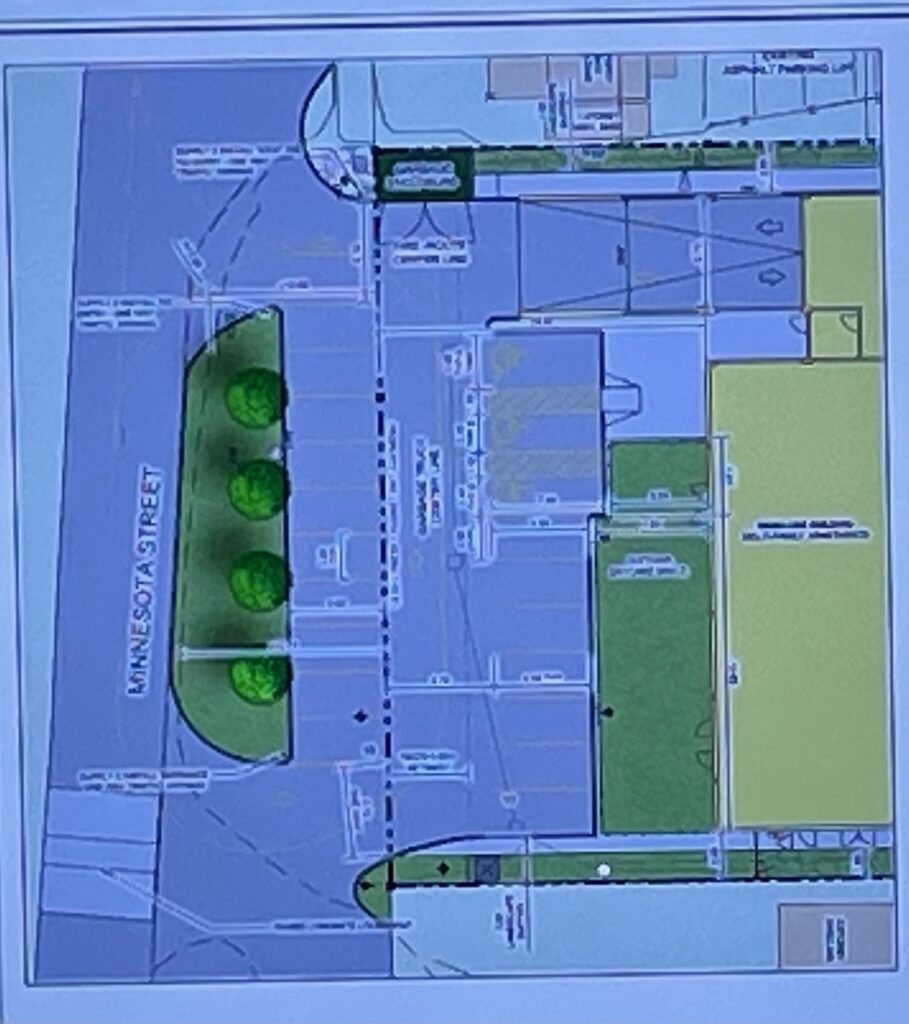
(Architects drawing of the proposed parking lot of 34 Minnesota Street)
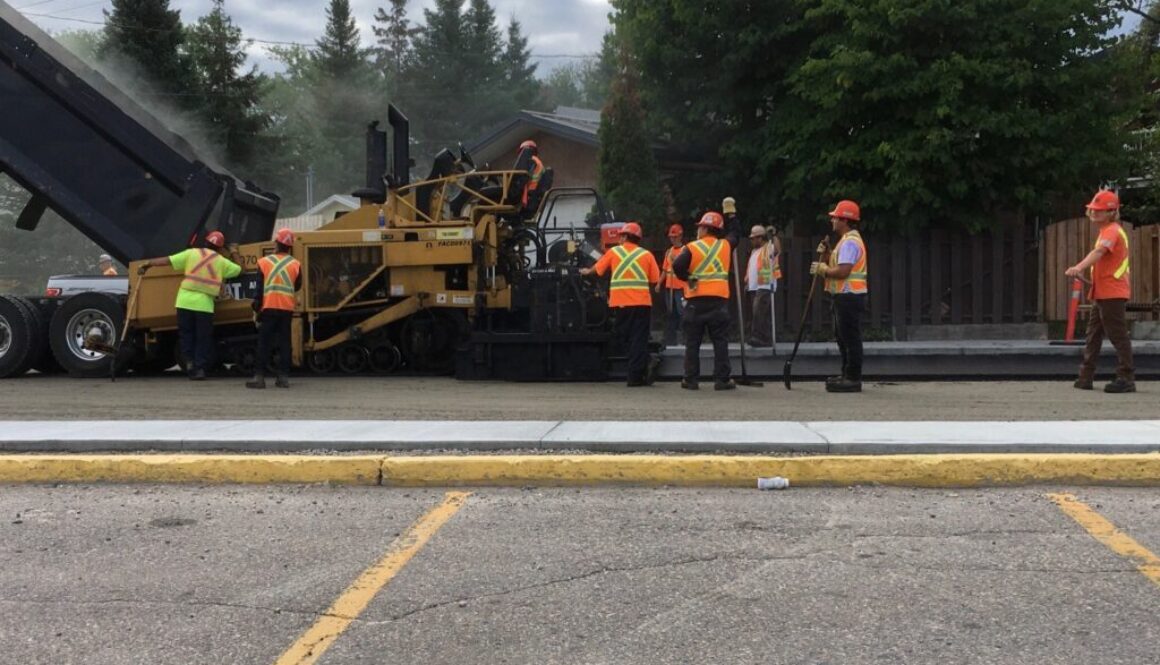
Eight years after it was first designed, the City of Dryden is finally ready to go ahead with the Duke Street Reconstruction project.
The city’s project and asset manager Madhav Raithatha says the company the first designed the project has been selected to continue engineering it.
“The KGS Group previously completed the detailed design of this project in 2017,” Raithatha told Dryden city council recently.
“In order to maintain continuity and efficiency, KGS was again selected to proceed with tendering, contract administration, and inspection services.”
That contract is worth just over $247,600.
Raithatha says the reconstruction includes both above and below ground work.
“As of now, the Connecting Link grant is about $3 million. Connecting Link is only funding the above ground portion, which is road works. The rest of it would be municipal contribution for the underground services. Our total estimate is about $6.3 million dollars.”
This the 10th year the City of Dryden has received funding through the Connecting Link program.
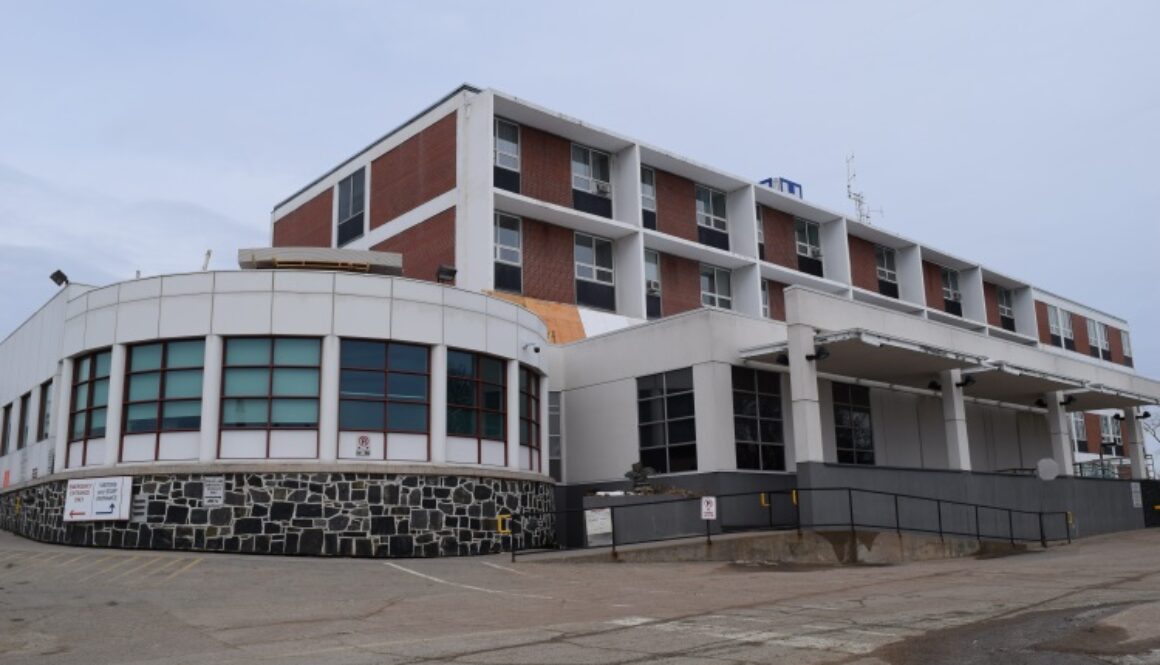
Lake of the Woods District Hospital is setting up a sports clinic.
It will start this Friday and operate one day a week.
The clinic will specialize in treating musculoskeletal ailments.
The clinic will be led by Dr. Saba Saberi, who recently joined the local medical community and brings with him extensive knowledge of sports medicine.
Dr. Sven Pedersen who is the hospital’s Rehabilitation Department Service Lead, is confident offering this service will ensure timelier access to care.
“Access to this new service helps with accurate musculoskeletal diagnosis and accurate guidance on what conditions need time and/or rehab, and what conditions need referral on to Orthopedics or other specialties.”
Other services available through the clinic include providing care for difficult return to sport or return to work issues, and injections for any musculoskeletal/joint conditions.
The hospital says the clinic will be broader than sports related injuries, and is for anyone with musculoskeletal health issues.
Anyone wanting to use the clinic will have to be referred by a doctor or a primary care practitioner.
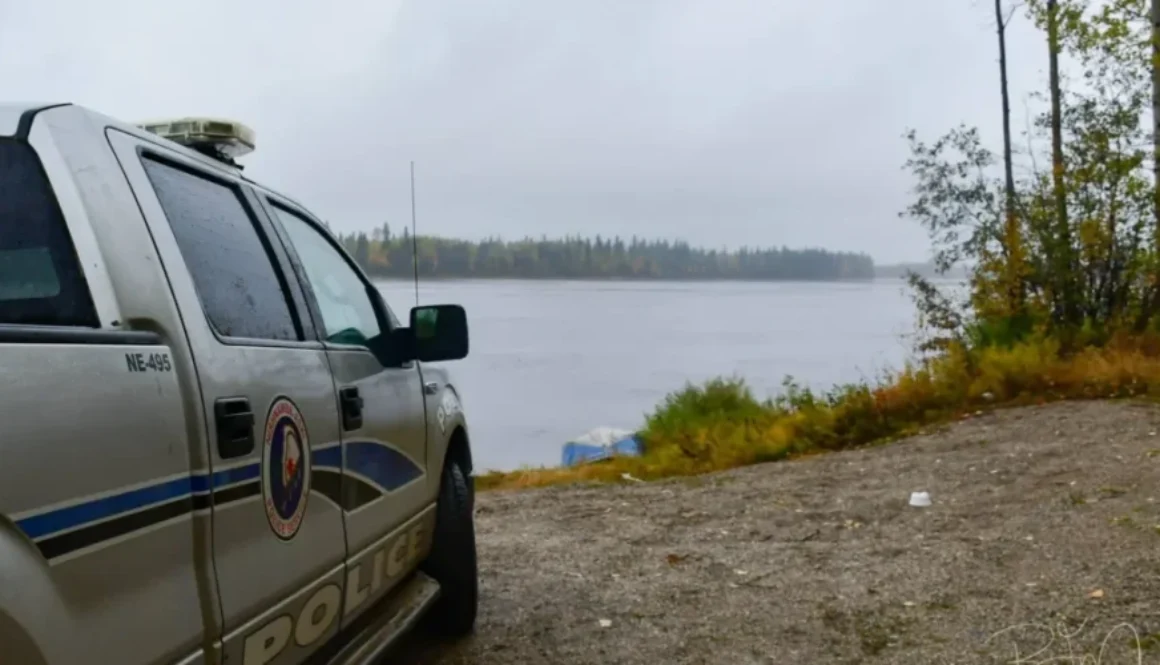
A new report on cancer on remote northern First Nations finds persistent inequalities for screening, cancer care, and health outcomes.
The study conducted by the Sioux Lookout First Nations Health Authority shows a higher incidence of certain cancers.
It finds that colorectal, breast, lung, kidney, prostate and cervical cancers account for over half of all cases.
The report also finds that people living on First Nations have the poorest survival outcomes in the province, at 14.5 percent lower than the Ontario average.
The study also shows the incidence of cancer in young people under 25 is 4.3 percent, which is three times the provincial rate.
Sonia Isaac-Mann is president and CEO of the Health Authority and says this is valuable information.
“The data makes it clear, but the stories make it undeniable, First Nations people are being failed by a system that does not reflect their needs, realities, or rights,” says Isaac-Mann.
“This report is not just a diagnosis; it is a roadmap for healing and justice. SLFNHA remains committed to working with the communities we serve to address these alarming findings and experiences.”
The report outlines a number of recommendations, including a 10-year cancer strategy.