Heritage advocates tout economic impact ahead of potential budget cuts
With heritage and arts facing possible cuts in the upcoming provincial budget, advocates are highlighting the sector’s economic value.
They argue the sector shouldn’t be viewed as a cost, but as part of the solution.
Facing a record $1.3‑billion deficit, Premier Susan Holt has warned of “difficult decisions” in next Tuesday’s provincial budget
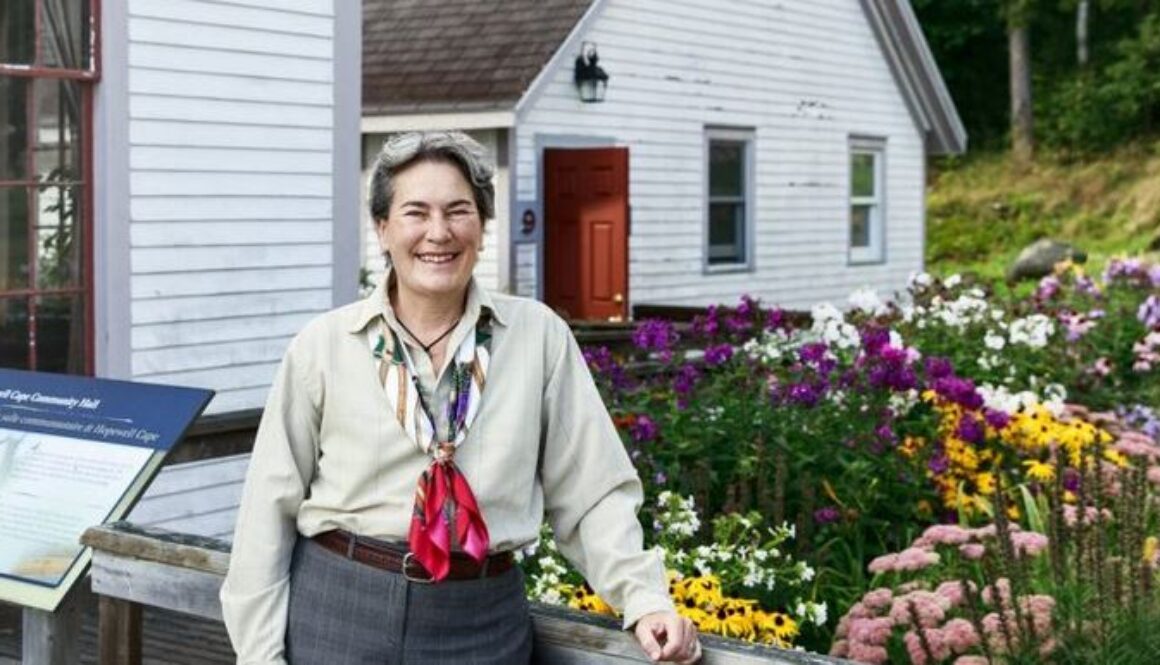
Janet Clouston is the vice-president for the Association of Heritage New Brunswick and one of the proponents of the campaign Save Our Museums, a campaign started in February by the association to make sure heritage is protected in the province.
Clouston, along with other advocates, have been trying to remind the province how the arts are a key economic driver for communities.
“We actually take a dollar and turn it into $10 easily,” she said.
Clouston explained that through fundraising, guest admissions, cultural performances, tourism, gift shops, and museums, arts and heritage not only have cultural and social significance but are part of the economic picture of why people come to the province.
Clouston added that in a meeting with Finance Minister René Legacy on Wednesday, the organization mentioned marketing campaigns and initiatives they plan to implement to get people visiting museums across New Brunswick.
“We are looking at this from a businesslike perspective,” she said. “We all have to operate our facilities fiscally responsibly, and we do that.”
Clouston said that in their bid to the province, the organization is not looking to receive more funding but maintain what they’ve already been working with.
“We are just [asking] to be taken seriously, that our sector matters, that heritage is an important cultural fiber of who we are as a province,” she said.
Expert warns cuts in the sector can cause significant economic implications
Alberta-based cultural curator, consultant, and researcher Erin McDonald said funding cuts in the arts and heritage would mean losing far more than cultural, educational, and historic value.
They explained that capacity for storytelling, tourism, destination marketing, and to create self-generated revenue for the community is erased when funding is taken away.
“We are basically cutting the economic engine of communities,” they said.
McDonald said that once operational capacity at heritage sites and museums is diminished by funding cuts, it can’t simply be restored in the next budget cycle.
They noted that because so much of the work relies on volunteers, it’s unlikely those same volunteers will return after being lost during one round of cuts.
According to a report done by Canadian Chamber of Commerce’s Business Data Lab, Canada’s arts and culture sector contributed $65-billion to the country’s GDP in 2024.
For McDonald, the economic contribution of the sector is clear.
However, they believe the language used around the sector makes it more challenging for governments to not see the arts and heritage as just “something nice to have,” but as a sector able to create revenue.
“My hope is we change the way we talk about this sector, [and] we start talking about it as a $65 billion a year sector, just like the oil and gas sector does,” they said.
What’s Next
In their meeting with Minister Legacy, Clouston said the organization felt like their voices were heard.
However, until the budget is released, the future for the arts and heritage in the province remains uncertain, she said.