An independent-living facility that has provided care in St. Stephen for nine decades is closing its doors.
The board of trustees for Lonicera Hall made the announcement April 15.
“After thoughtful deliberation, the Board has determined that rising operational demands, staffing pressures, and financial realities have made it no longer possible to continue operating in a sustainable way,” the board’s statement said.
“This decision has not been made lightly.”
The statement said the closure reflects challenges many small community care homes and other businesses are facing across New Brunswick and Canada.
“As we move into this transition, our priority is ensuring that every resident and every family is supported with clarity, compassion, and respect,” the statement said.
The board declined an interview request from Acadia Broadcasting, and said they are focused on the residents and families.
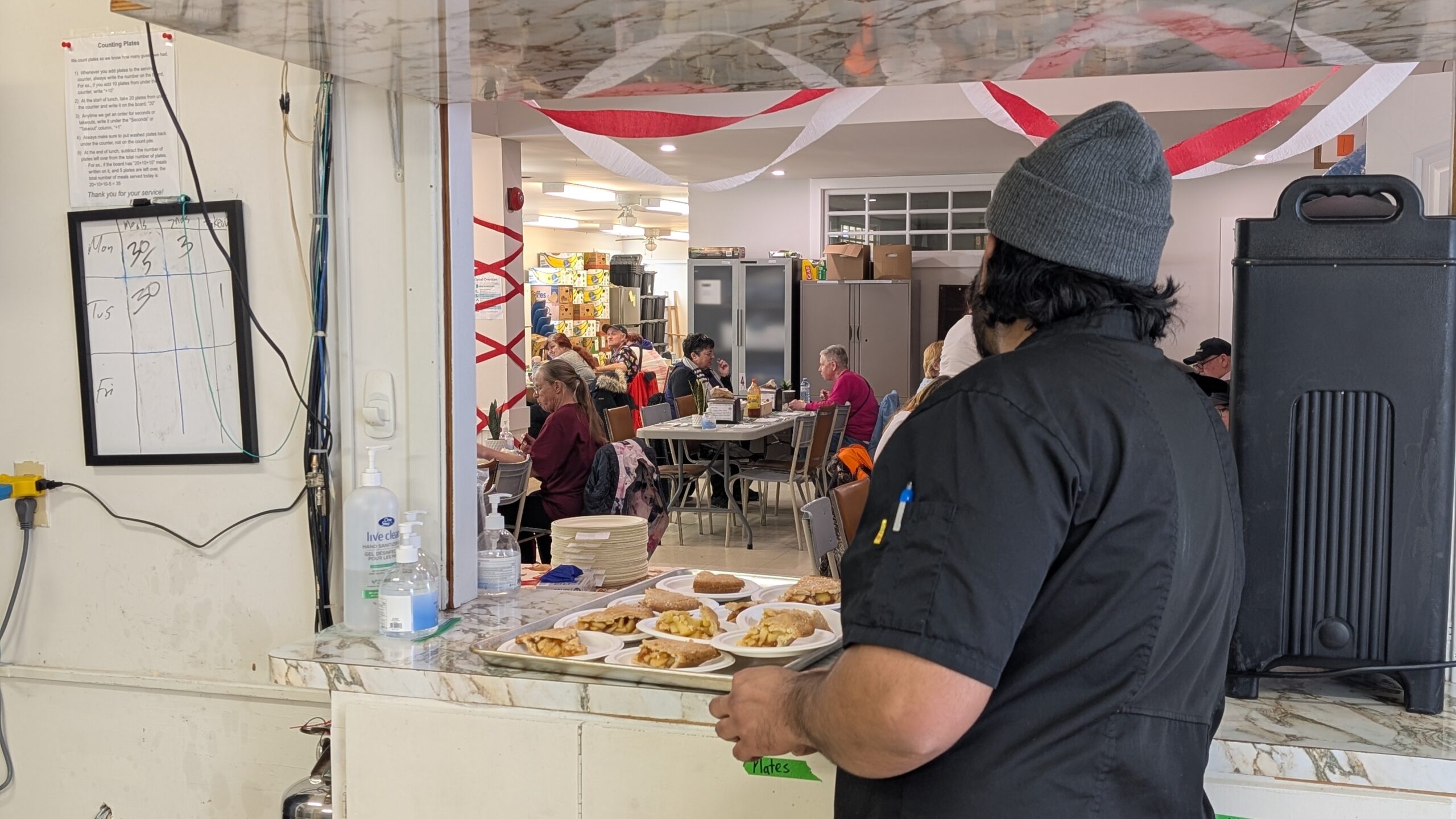
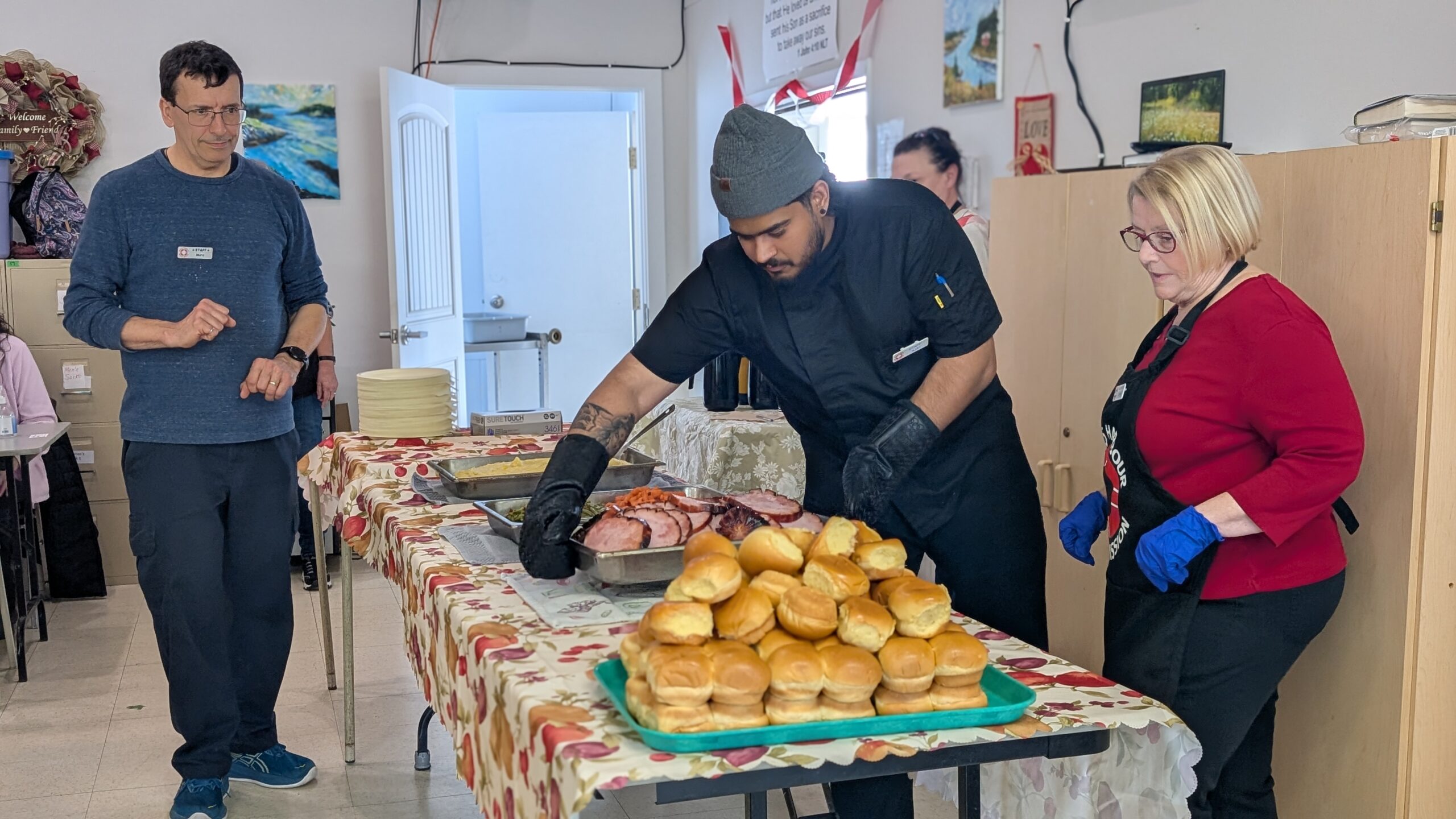
Souls Harbour Rescue Mission is celebrating Easter with three new locations across Nova Scotia, as Dartmouth, Yarmouth, and New Waterford host their first Easter meals for those in need, helping thousands feel supported during one of the organization’s busiest weekends of the year.
In Dartmouth, staff say they expect to see about 50 people a day. Guests find their seats, receive raffle tickets, and are served either plated or buffet‑style depending on location.
“If you don’t have a place to go have a big family dinner, you come and have your big dinner with us,” says Chief Program Officer Marni Yuke.
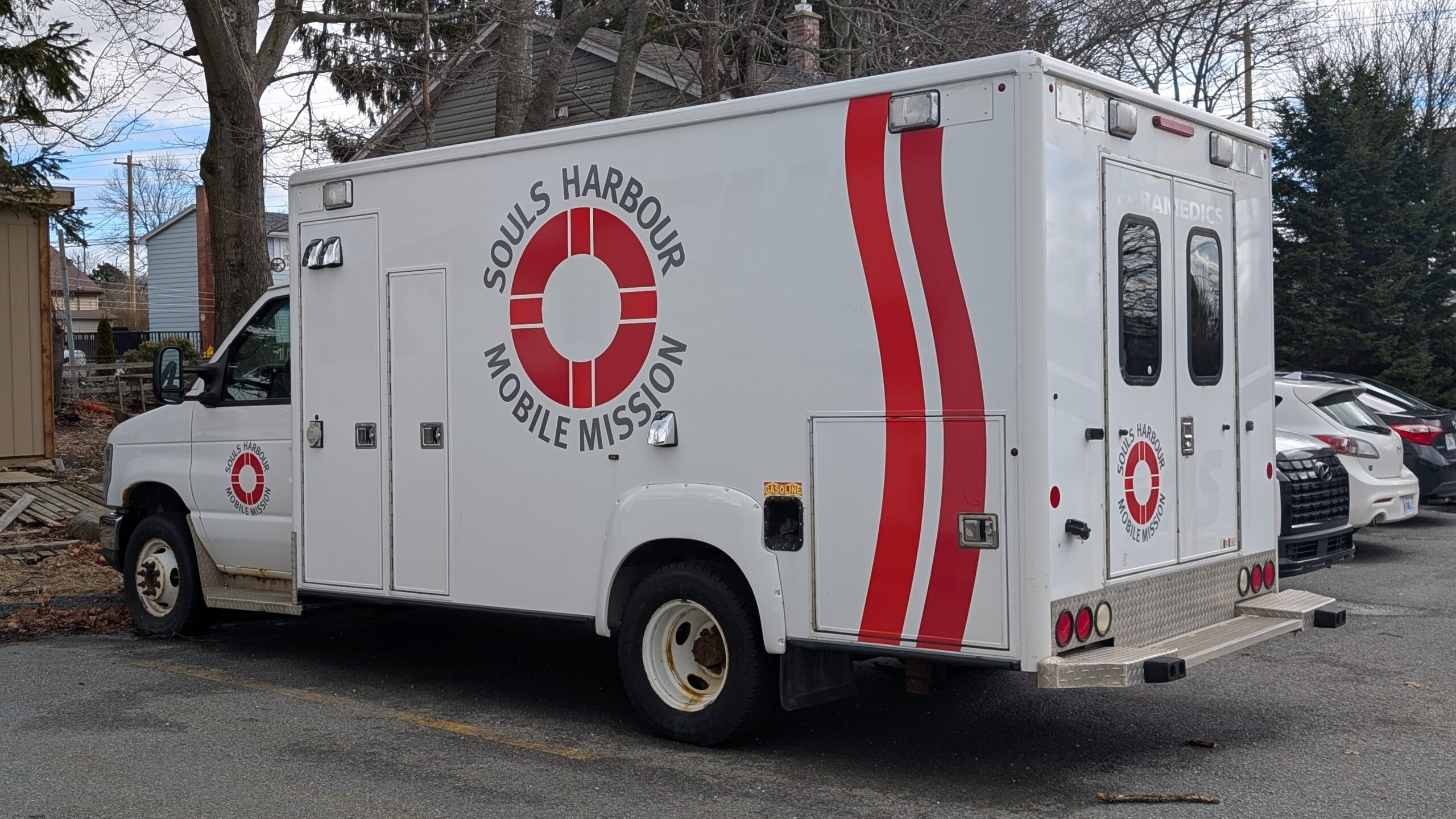
The “SoulsMobile”; Souls Harbour Rescue Mission mobile unit. PHOTO: NATALIE CHIASSON/ACADIA BROADCASTING
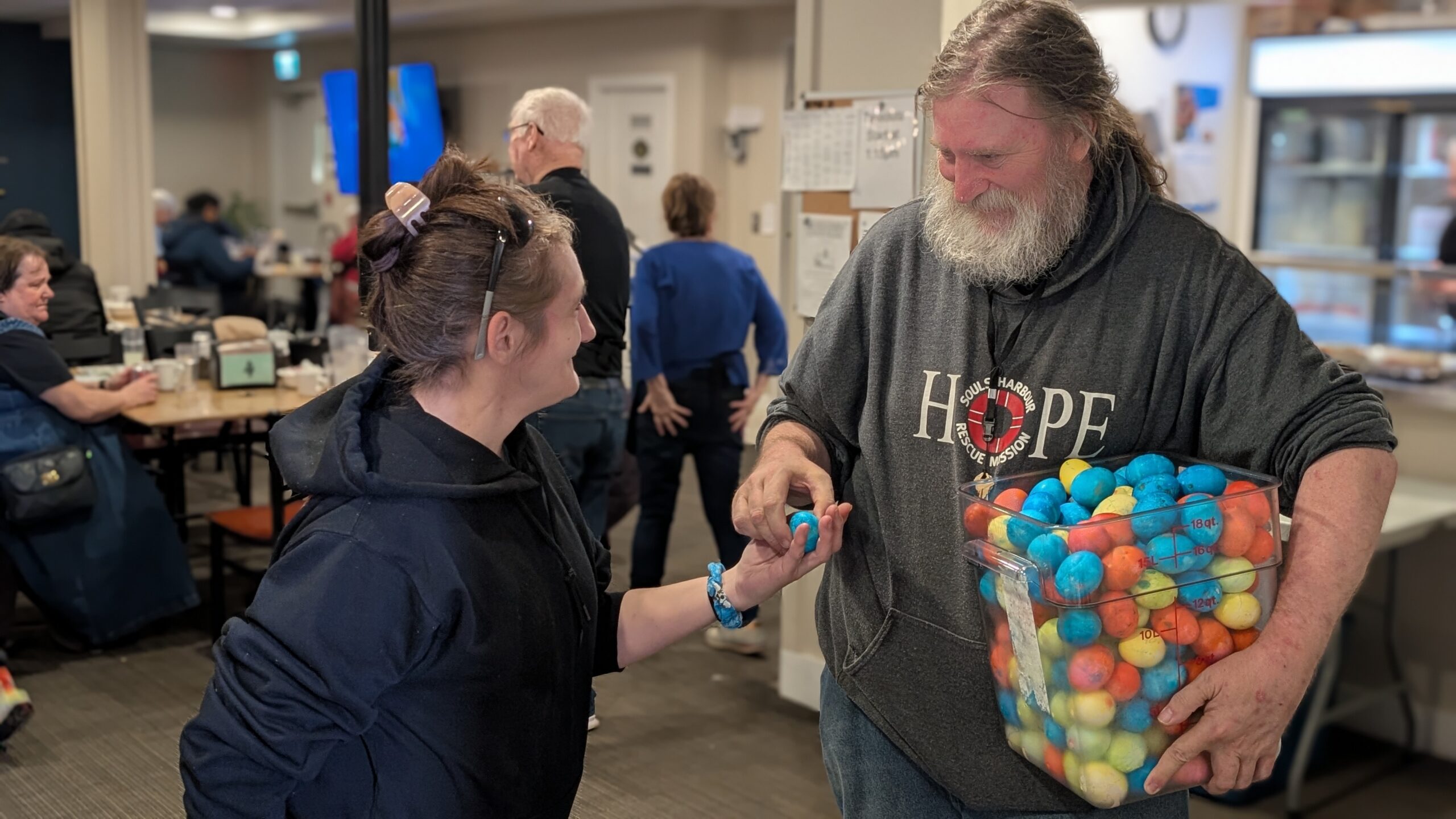
The Souls Harbour’s Mobile Mission team, along with CARE’s team, are bringing Easter into encampments. Yuke says teams dyed about 600 eggs at their downtown location for Easter weekend, calling them “protein power Easter eggs.”
Yuke says, “I think it just brings a smile to their face. We pass out hard‑boiled eggs and food and things all the time, but this is just a unique way to bring a different smile to them and brighten their day in a fun, loving way.”
According to organizers, Souls Harbour currently serves about 12,000 to 15,000 meals a month across Nova Scotia, with many guests relying on daily meals and demand rising as food costs climb.
“We are watching our food bills go up, you know, substantially,” says Yuke. The organization is stretching every dollar by buying in bulk, planning simpler menus, and relying on donations of food, clothing, and funds. However, Yuke says inflation isn’t stopping Souls Harbour from providing the best quality possible.
“We’re trying to make our portion sizes a little bit bigger because we know people aren’t eating as much potentially at home,” she explains. “We’re trying to be very intentional about what we’re buying and then buying in big bulk quantities … so that we can make the food go further even though the cost of food is going up.”
Souls Harbour also cuts waste by serving flexible, buffet‑style meals and using staff knowledge of guest preferences.
Yuke says that staff and volunteers know their guests very well, so if they know who’s coming in they can plan ahead. “The volunteers and the staff know so‑and‑so’s here, they’re not having any potatoes, and so we know not to put potatoes on their plate because we don’t want to waste where someone else can eat it.”
She adds that at every location, guests can take home extras such as bread from donations.
“Cobs is a big supporter of us so we pick up bread donations every night and we spread them among the locations,” Yuke explains, “so that if they come and eat a meal with us, but they also can take some bread home or other food items, it’s not just one meal—it’s usually a meal and something to go just to get through till the next day.”
There is concern that some home and community care services may not be available without increased provincial funding.
The Ontario Community Support Association, which represents over 200 not-for-profit home care and community support agencies across Ontario, says no increase was provided in 2025.
Speaking to a legislative committee holding pre-budget consultations, Chief Executive Officer Lori Holloway says agencies are already preparing to make cuts in anticipation of another funding freeze.
Holloway says services such as Meals on Wheels, adult day programs, transportation services and assisted living and supportive housing supports could be scaled back or eliminated.
She says those decisions could also have direct consequences on hospitals.
“When community supports are unavailable, people end up in the hospital and remain in the hospital, not because they need acute care, but because the supports required for safe discharge do not exist,” says Holloway.
Holloway says an investment of less than 0.2 % of the total health budget is all that is required to maintain those services.
Agencies also want to know that funding is secure and sustainable.
Holloway says many are well into their fiscal year and have not received word from the province on how much money they will receive.
“That uncertainty makes workforce and service planning extremely difficult and undermines value for money. Stable funding is not a luxury; it’s a prerequisite for accountability.”
Holloway adds that investments in home and community care are a fraction of what it costs to maintain an alternate level of care bed in a hospital or long-term care.
“Home and community care costs just $103 per day,” says Holloway.