Minnesota contends with slower population growth
By Mike Moen – Producer/Minnesota News Connection
Minnesota faces an uphill climb in boosting its population to maintain a strong labour force and meet other needs.
Formal census counts happen every 10 years, but in between the reports, experts monitor trends and compare them with past population swings.
Susan Brower, state demographer for Minnesota, says after decades of steady growth, the state’s population is levelling off.
Slowdowns are happening across the U.S., but she notes it is especially felt in the Midwest and Northeast regions.
Brower attributes the shift to what is known as “natural change.”
“We have a higher share of deaths, more mortality in those higher age groups, and we have falling birth rates at the same time,” explains Brower.
Unlike some of its Midwestern neighbours, Brower points out Minnesota is not quite at the point where there are more deaths than births, but the state is projected to cross the threshold by the end of the 2030s.
Demographers warn the pressure from the shift is beginning to show, with more strain on health care systems and government budgets.
There is an effect on the labour force, too, and Brower argues boosting international migration could ease that pressure.
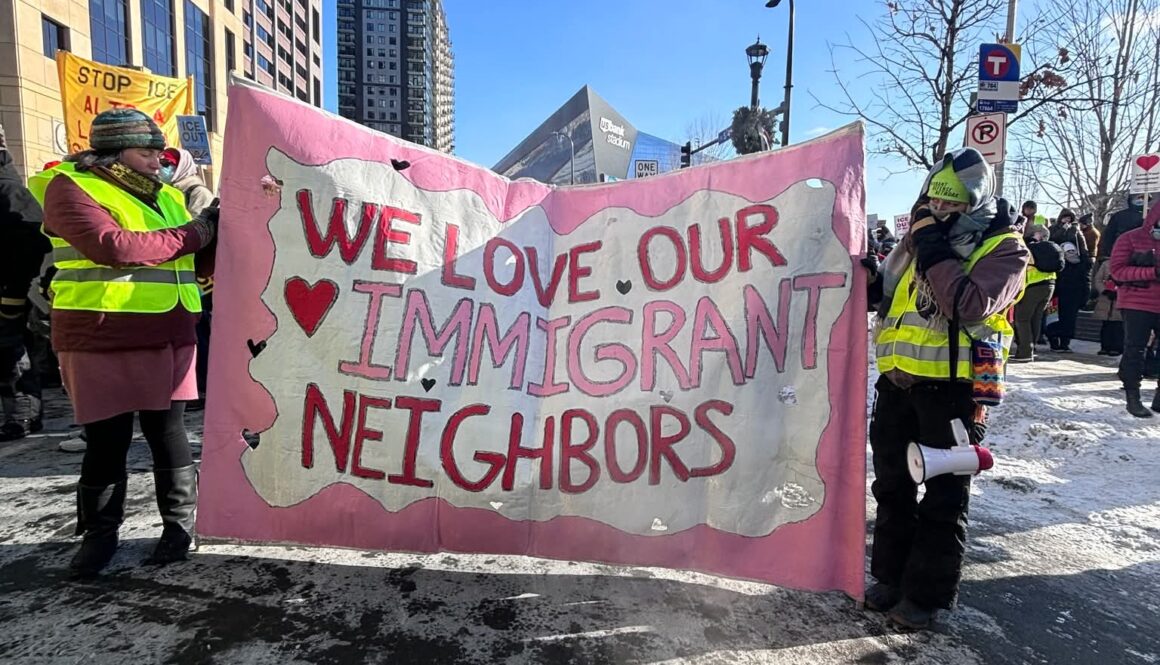
It is unknown how much the Trump administration’s immigration crackdown will stall progress in aiding Minnesota’s workforce needs with foreign-born workers.
Brower adds Minnesota has seen a recent boost in people moving here from other states, but reiterates looking toward other countries holds more promise than anything else.
“In terms of growth of the workforce, international migration is the most plausible mechanism to start to see more growth in the near future,” underscores Brower.
She notes even with some exceptions, the pattern of people leaving Midwestern states is too much to overcome in the short term.
When speaking at an event hosted by the University of Minnesota Alumni Association, Brower contended the latest numbers should compel policymakers to support educational opportunities for working adults and parents.
The research indicated there should be an emphasis on essential industries like health care.