Indigenous teens receive skilled trades training
Labour union LiUNA Local 607 is partnering with the Lakehead District School Board and Matawa First Nations to provide skilled trades training to Indigenous youth before high school graduation.
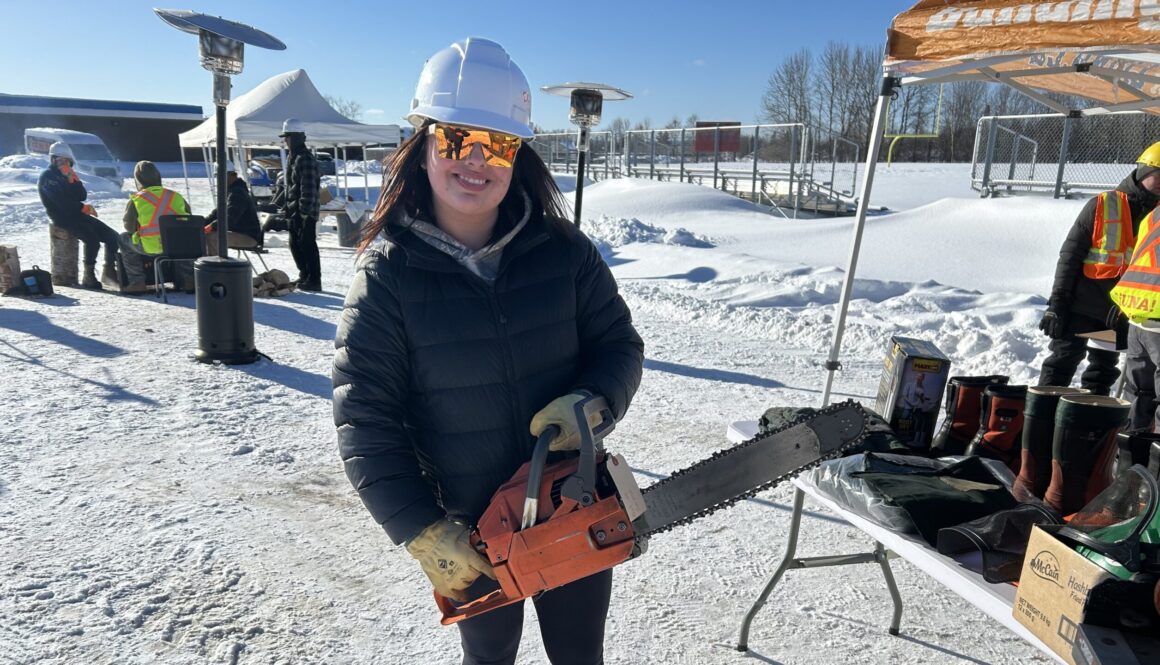
Indigenous students have been building homes through the Indigenous Skilled Trades Program since its inception in 2022. Instructors also provide the students with professional certification in Working at Heights, skid steer operation, and chainsaw safety. They showcased some of their work during a ceremony at Hammarskjold High School on Friday.
“I learned how to drive a skid steer. I learned how to use a chainsaw really good. I learned how to stock fish in the lake with the M&R,” said Hammarskjold 12th grader Sadie Ruth. “I learned how to build a house, so we did the shingles, drywall, siding, and sanding, and we had to insulate it.”
“It’s hands-on, it’s ourdoorsy, it’s all the stuff that I love.”
After completion, the homes are sent to participating Matawa communities.
The program is designed to blend skilled trades education with land-based learning, Indigenous culture, and practical career development. The partnership strengthens safety standards and long-term employment prospects for students interested in the trades.
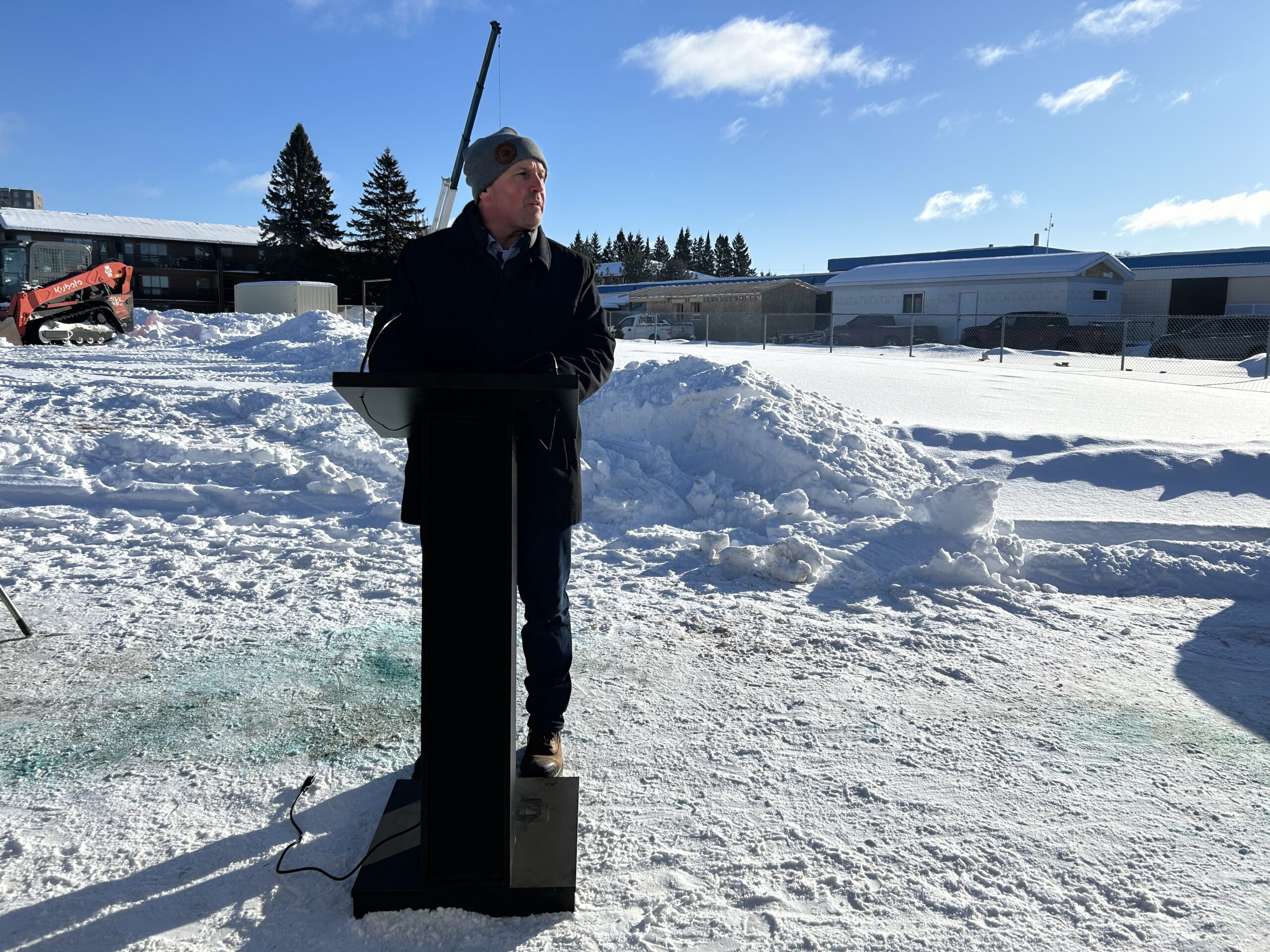
“It’s really been a great experience for the kids,” said Hammarskjold Principal Derek Di Blasio. “Ultimately, we want students to be able to leave Hammarskjold High School with some skilled trades that they can bring back home to their community or even back to their house.”
Di Blasio says the program has increased student attendance and the certifications help students find quality jobs after graduation.
LiUNA Local 607’s Manager of Training Brian Nieweglowski says the program is getting kids excited about construction and the trades.
“Yesterday we were running the chainsaws with them and at the end of the day, students that might have been falling asleep at me in the classroom were saying it was an awesome day,” Nieweglowski said.
Niewegloski said there will soon be plenty of work in the trades because many workers are nearing retirement.
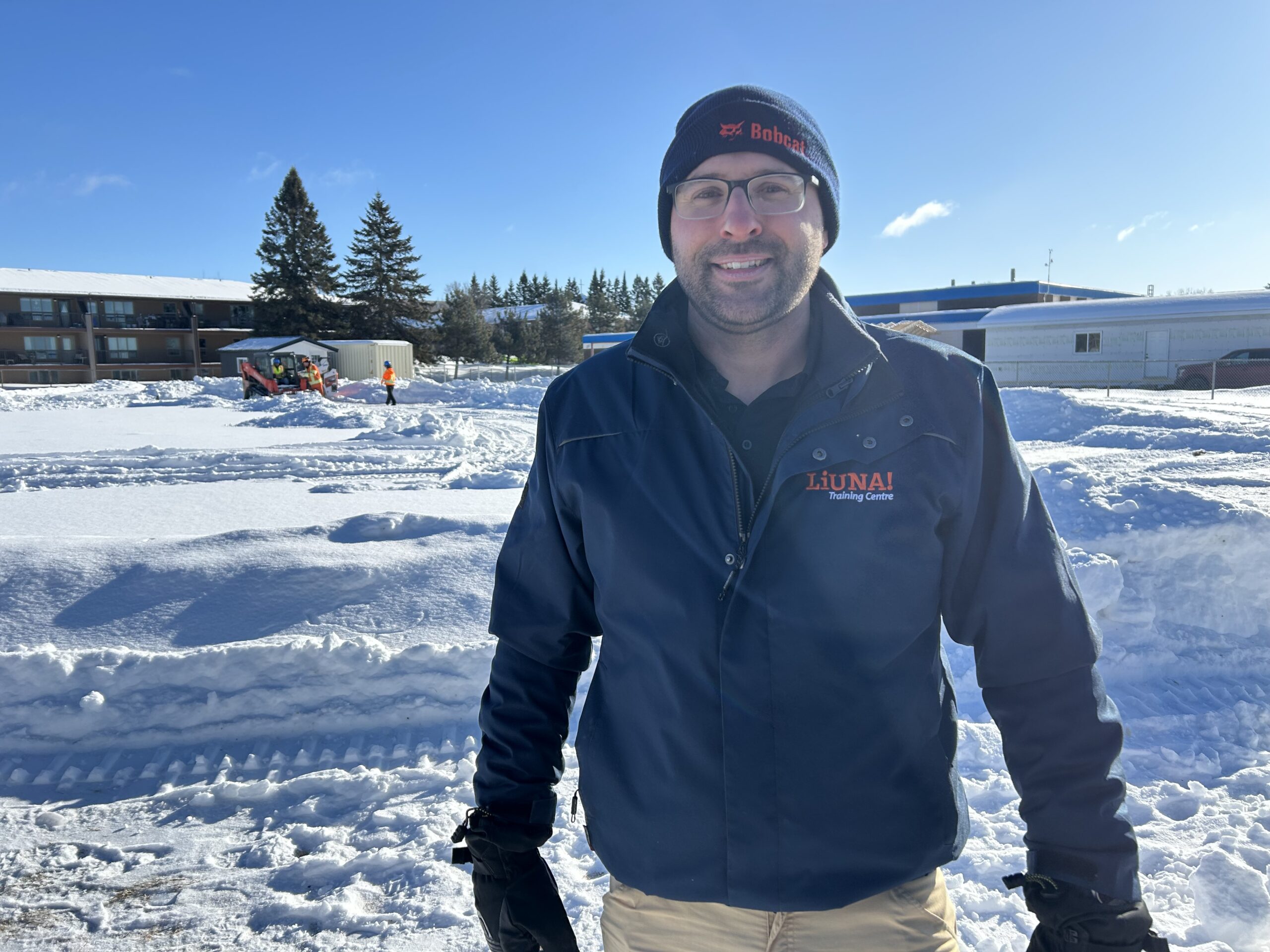
“It’s hard to get them to our facility, hard for people to sign up to see what we have to offer,” Niewegloski said. “So we’ve brought it to their facility. A lot of underrepresented people aren’t knowing that they might like this.”