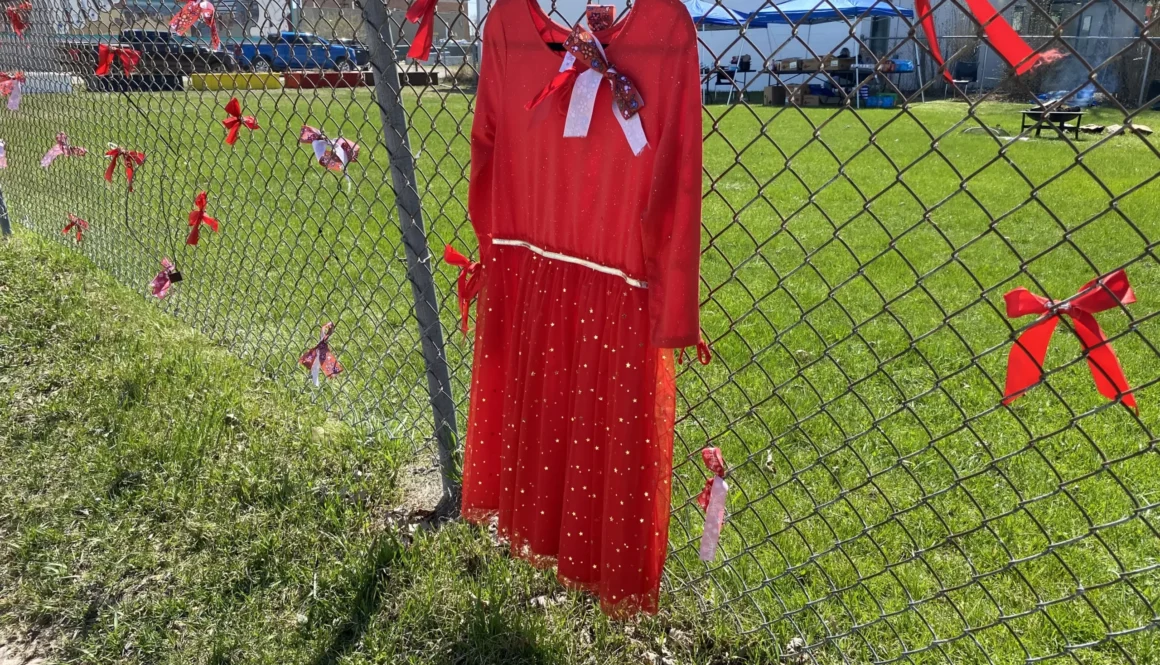
The Ontario Native Women’s Association (ONWA) is calling on all levels of government to invest in violence prevention and community‑led healing initiatives in Indigenous communities.
The organization says there’s a noticeable imbalance, pointing out that Indigenous women make up about 5% of Canada’s population but experience nearly 30% of the violence nationwide. They add that some women are 6 times more likely to be murdered because of their Indigenous identity.
ONWA says that gap is being ignored by current approaches. The association argues existing strategies fail to address the root causes of violence, often excluding Indigenous women from leadership roles and underfunding programs meant to protect them from targeted violence, assault, and exploitation.
The group is urging governments to step up with steady funding while ensuring Indigenous women are fully included in decision‑making and economic opportunities.
Labour union LiUNA Local 607 is partnering with the Lakehead District School Board and Matawa First Nations to provide skilled trades training to Indigenous youth before high school graduation.
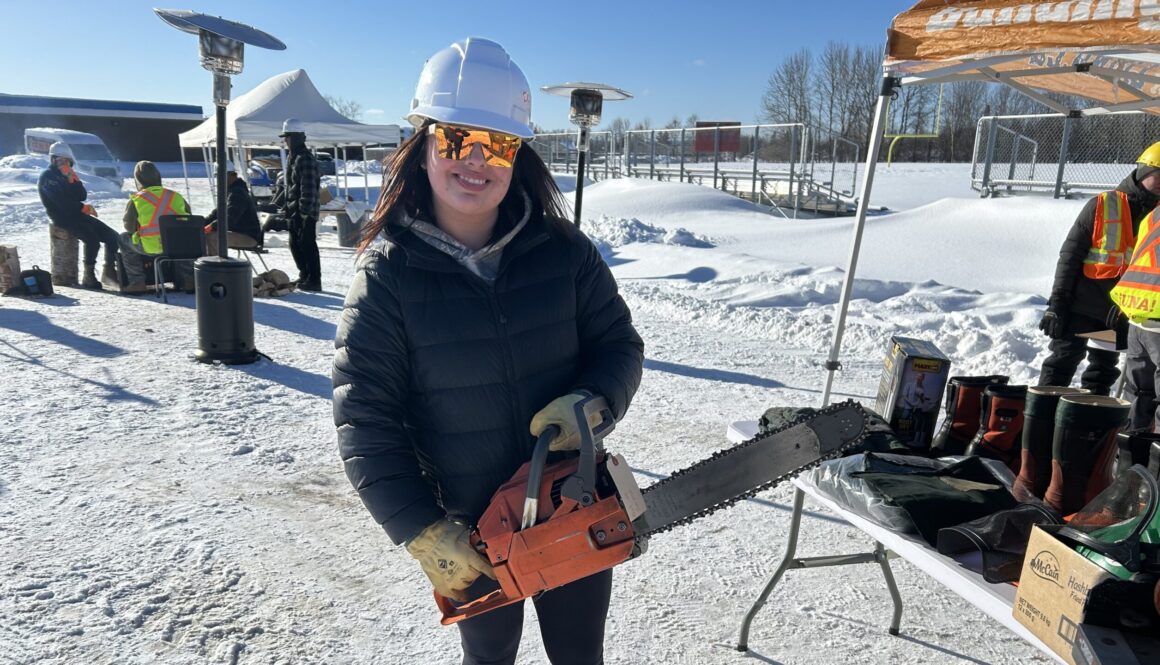
Indigenous students have been building homes through the Indigenous Skilled Trades Program since its inception in 2022. Instructors also provide the students with professional certification in Working at Heights, skid steer operation, and chainsaw safety. They showcased some of their work during a ceremony at Hammarskjold High School on Friday.
“I learned how to drive a skid steer. I learned how to use a chainsaw really good. I learned how to stock fish in the lake with the M&R,” said Hammarskjold 12th grader Sadie Ruth. “I learned how to build a house, so we did the shingles, drywall, siding, and sanding, and we had to insulate it.”
“It’s hands-on, it’s ourdoorsy, it’s all the stuff that I love.”
After completion, the homes are sent to participating Matawa communities.
The program is designed to blend skilled trades education with land-based learning, Indigenous culture, and practical career development. The partnership strengthens safety standards and long-term employment prospects for students interested in the trades.
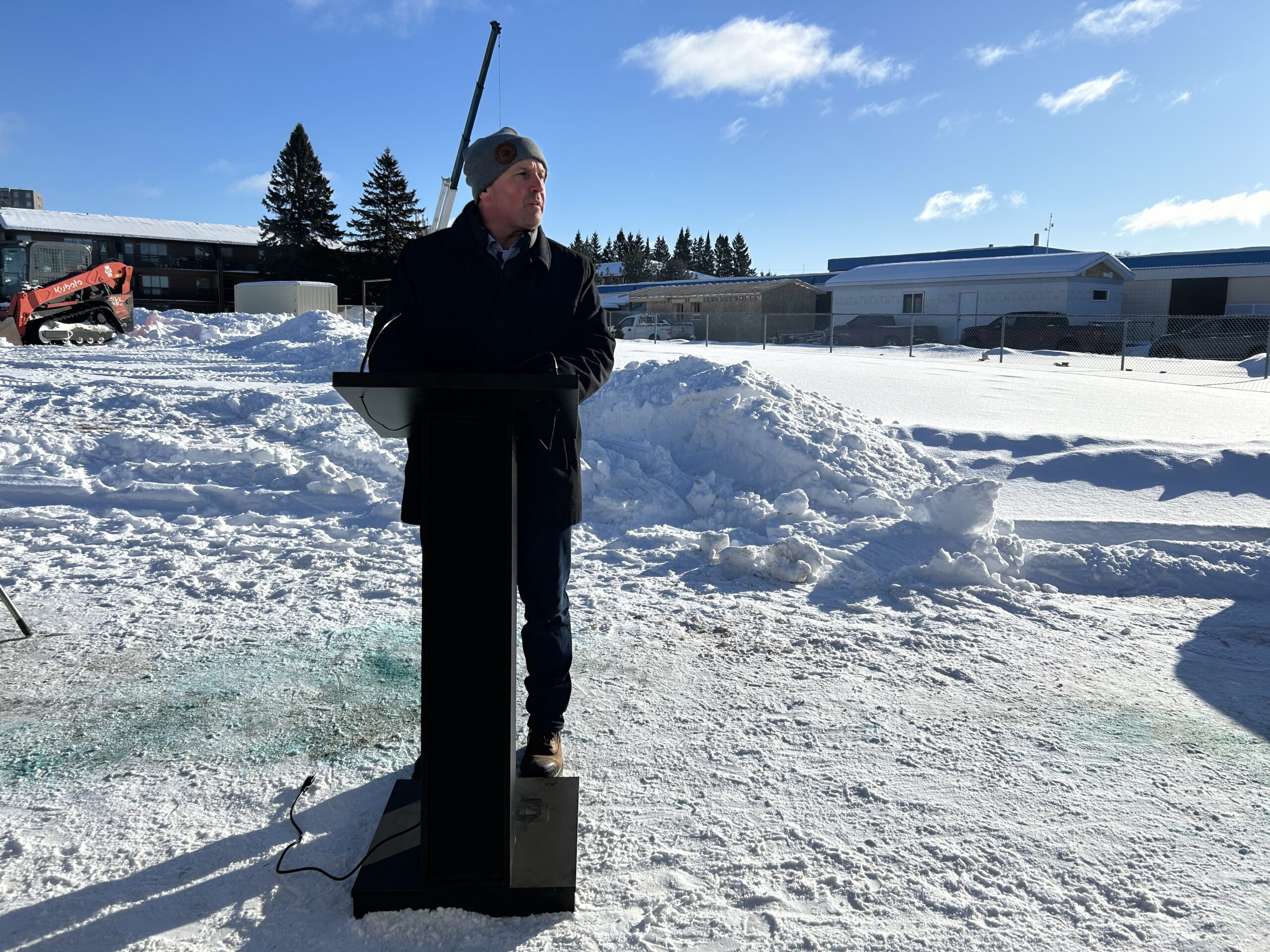
Hammarskjold High School Principal Derek Di Blasio speaks at Friday’s ceremony (Jacob Henriksen-Willis, February 6 2026)
“It’s really been a great experience for the kids,” said Hammarskjold Principal Derek Di Blasio. “Ultimately, we want students to be able to leave Hammarskjold High School with some skilled trades that they can bring back home to their community or even back to their house.”
Di Blasio says the program has increased student attendance and the certifications help students find quality jobs after graduation.
LiUNA Local 607’s Manager of Training Brian Nieweglowski says the program is getting kids excited about construction and the trades.
“Yesterday we were running the chainsaws with them and at the end of the day, students that might have been falling asleep at me in the classroom were saying it was an awesome day,” Nieweglowski said.
Niewegloski said there will soon be plenty of work in the trades because many workers are nearing retirement.
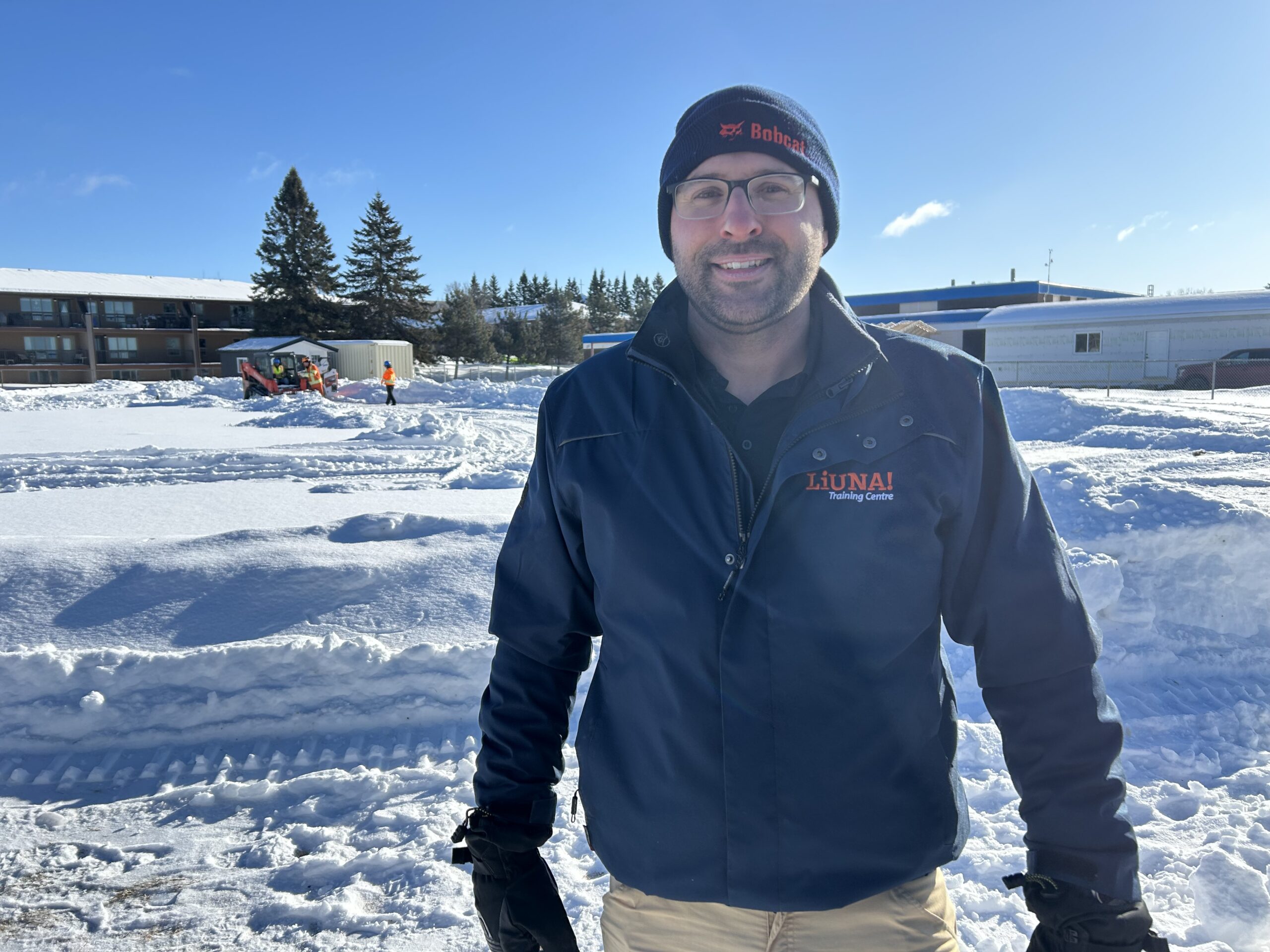
LiUNA Local 607 Manager of Training Brian Niewegloski (Jacob Henriksen-Willis, February 6 2026)
“It’s hard to get them to our facility, hard for people to sign up to see what we have to offer,” Niewegloski said. “So we’ve brought it to their facility. A lot of underrepresented people aren’t knowing that they might like this.”
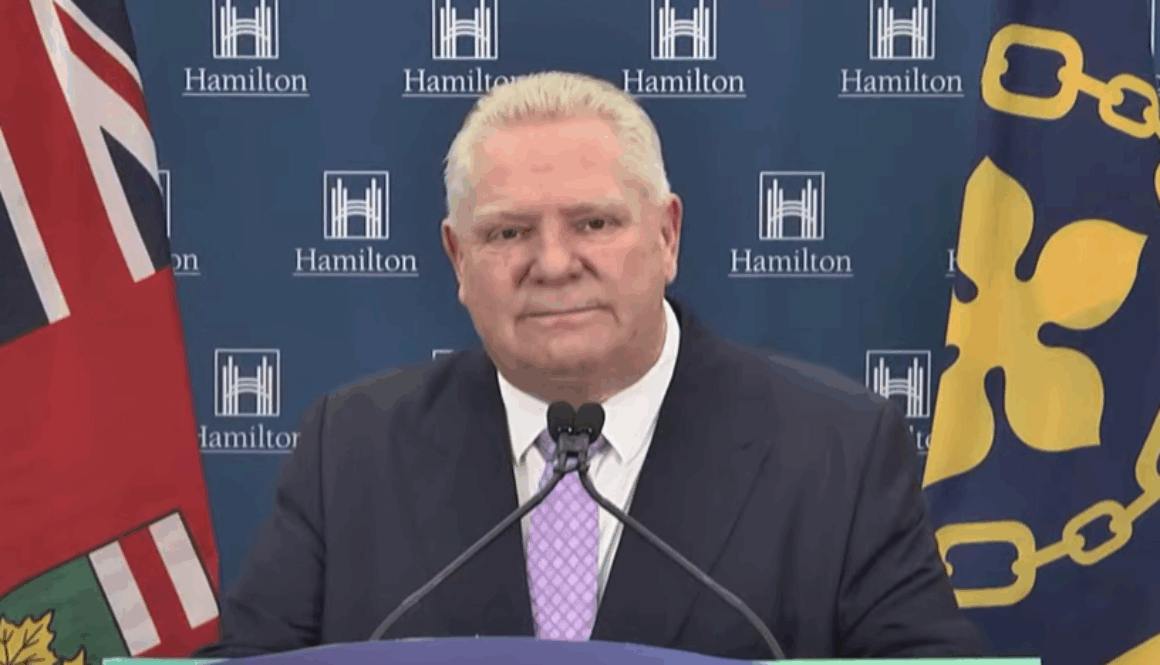
The province has released its draft criteria for designating special economic zones that will fast-track approvals of major projects.
First introduced under Premier Doug Ford’s Bill 5, also known as the Protect Ontario by Unleashing Our Economy Act, in response to economic threats from U.S. tariffs, the Special Economic Zones Act is aimed at supporting the advancement of job-creating investments and projects that are deemed critical to the province’s economic stability.
According to a release from the Ontario government, the draft regulation was created after consultations with Indigenous communities in the province, which are ongoing.
“Our government continues to facilitate hearty political participation and engagement with Indigenous communities across the province, with increasingly positive feedback, as we build out the regulations for Special Economic Zones,” said Greg Rickford, Minister of Indigenous Affairs and First Nations Economic Reconciliation and Minister Responsible for Ring of Fire Economic and Community Partnerships in a statement.
As part of its consultations, Ontario has engaged with more than 130 Indigenous communities regarding the proposed draft regulation and the development of a new regulatory framework.
That includes five regional sessions carried out across Ontario, including in Thunder Bay with the province saying it will continue to consult with Indigenous communities to support and advance economic stability through development and ensure proposed regulation incorporates ongoing feedback.
However, Bill 5 and the proposal of special economic zones has not been met without its critics.
“The Bill’s ‘special economic zones’ are just a cheat code for this government to do whatever they want, wherever they want,” Marit Stiles, Leader of the Official Opposition NDP previously stated.
“No consent. No consultations. No laws – this is the playbook that this government is selling.”