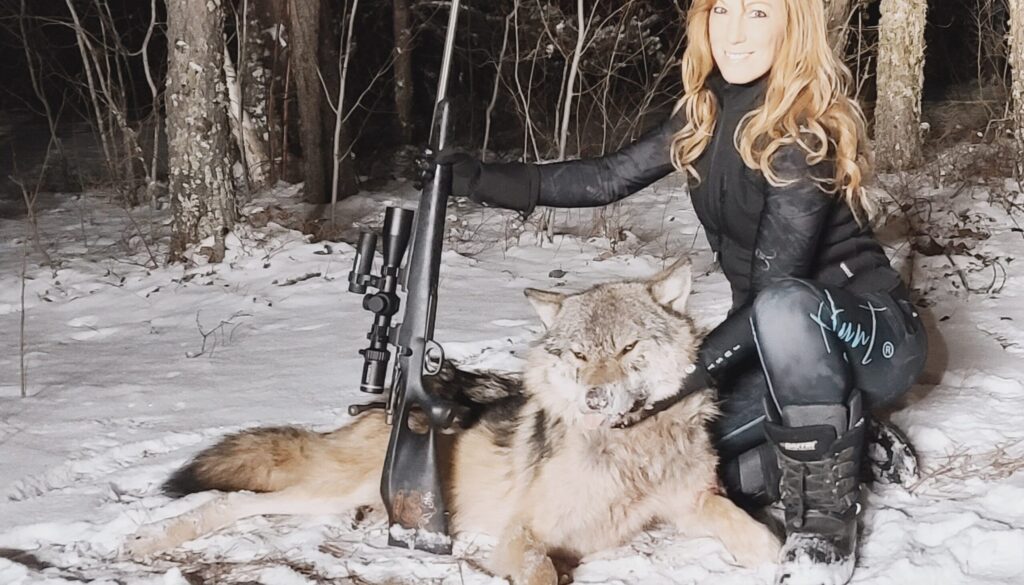
Wolf hunting in northern Ontario is about conservation, not controversy
Few wildlife issues spark as much emotion as wolf hunting in northern Ontario. Wolves are powerful symbols of wilderness, intelligence, and resilience. But conservation cannot be guided by symbolism alone. It must be guided by science, observation, and an honest understanding of how modern ecosystems function.
In parts of northern Ontario, regulated wolf hunting is not about eliminating predators—it is about protecting balance.
Moose populations across the north have faced sustained pressure for years. Climate change has brought warmer winters, increasing parasites like winter ticks. Habitat loss and fragmentation have reduced secure calving areas. Add sustained predation pressure from wolves in already stressed environments, and recovery becomes increasingly difficult.
When moose numbers decline, wolves do not simply decline in response. Predators often continue to exert pressure on fewer animals, slowing population recovery. This is especially true for moose, which reproduce slowly and are highly vulnerable to environmental stress. In these situations, wildlife managers sometimes intervene—not to dominate nature, but to give it room to recover.
Regulated wolf hunting and trapping are one of the tools used to achieve that goal.
Ontario’s approach is not reckless or random. Seasons, wildlife management units, and harvest rules are informed by data, monitoring, and long-standing conservation practices. The objective is sustainability—healthy prey populations, healthy predator populations, and a functioning ecosystem.
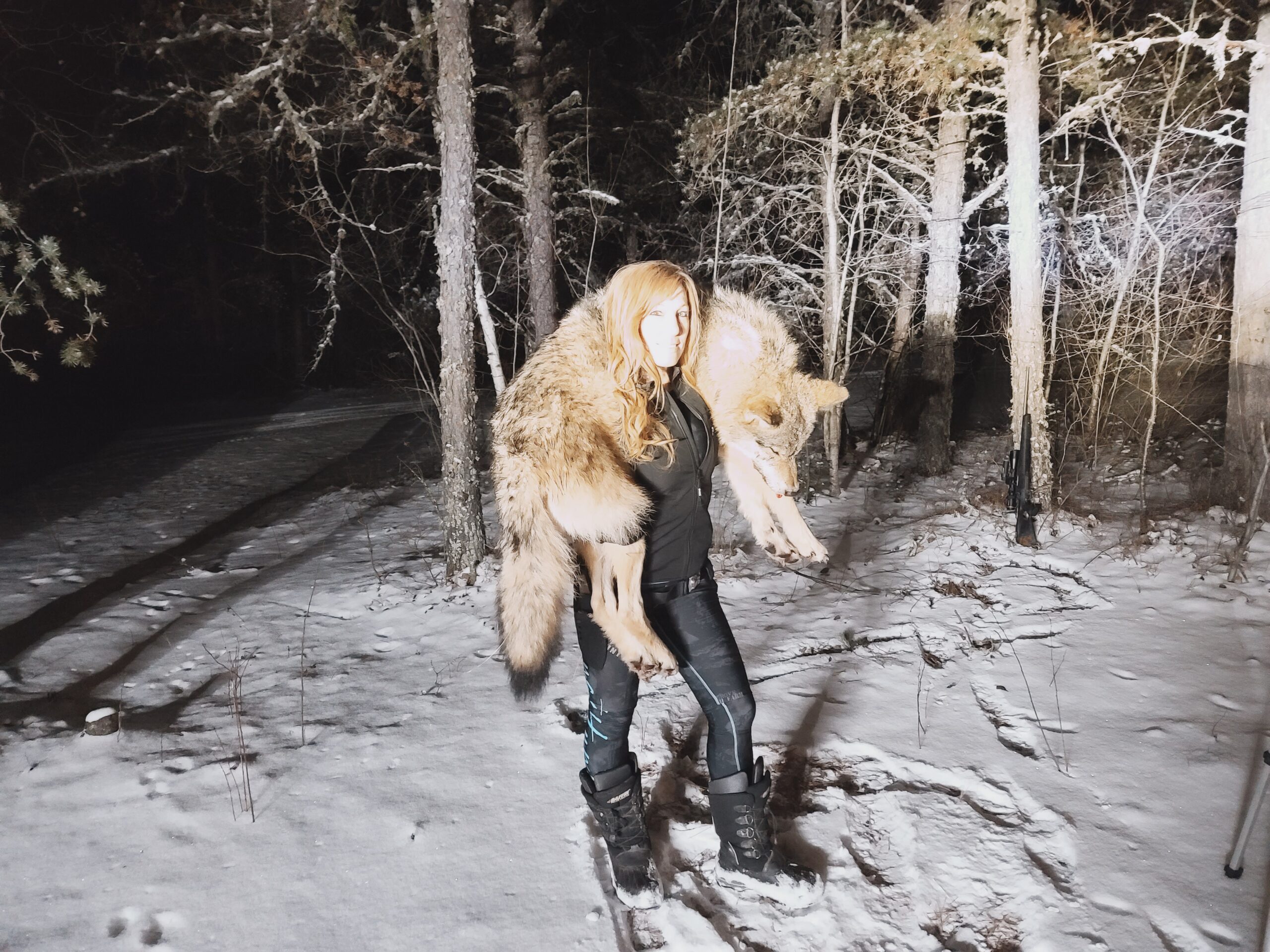
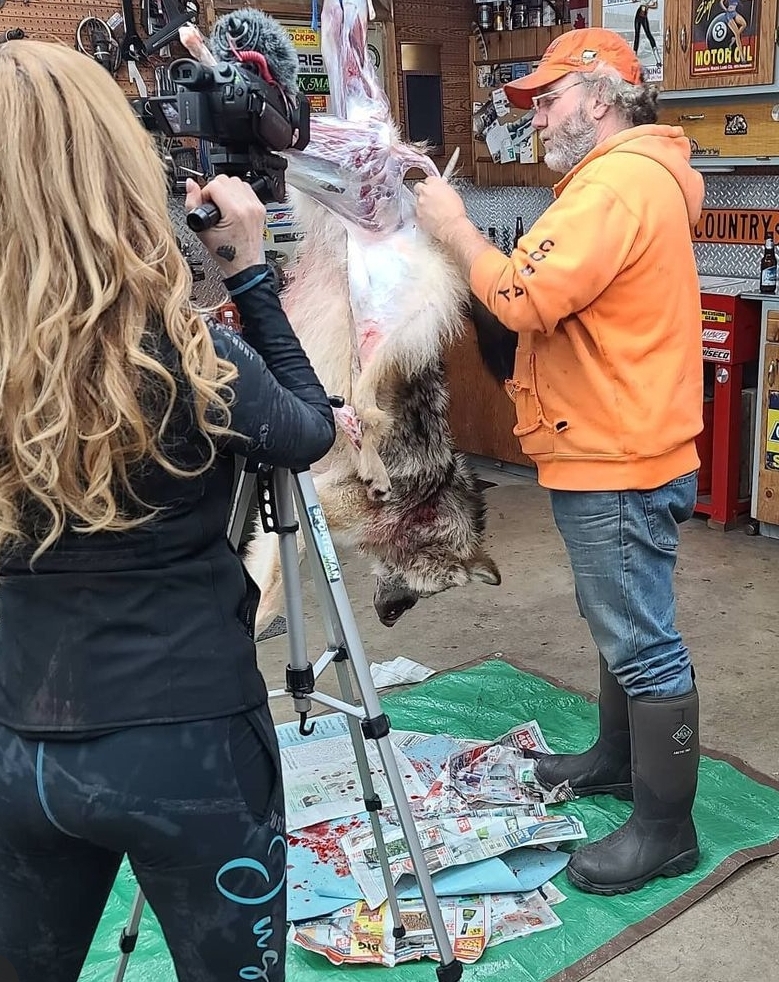
An often-overlooked part of this conversation is responsible use. Animals harvested through regulated hunting are not wasted. Their furs are used to create warm outer gear—such as hats and winter garments—designed to withstand northern conditions. This practice reflects a conservation ethic rooted in respect: taking only what is allowed, and using as much of the animal as possible. In remote and cold regions, fur remains one of the most effective natural insulators, valued for both its function and durability.
Critics often argue that nature should be left alone. In an untouched wilderness, that argument might hold more weight. But northern Ontario is no longer untouched. Roads, logging, development, and climate change have altered the landscape dramatically. Human influence has already reshaped predator-prey dynamics, whether we acknowledge it or not.
Doing nothing is not the same as letting nature take its course—it is still a choice, and sometimes a harmful one.
Responsible predator management can benefit more than just moose and deer. Stable prey populations support scavengers, prevent sudden ecosystem shocks, and help maintain forest health. Conservation is not about choosing wolves over moose or vice versa. It is about ensuring that no single species overwhelms the system at the expense of others.
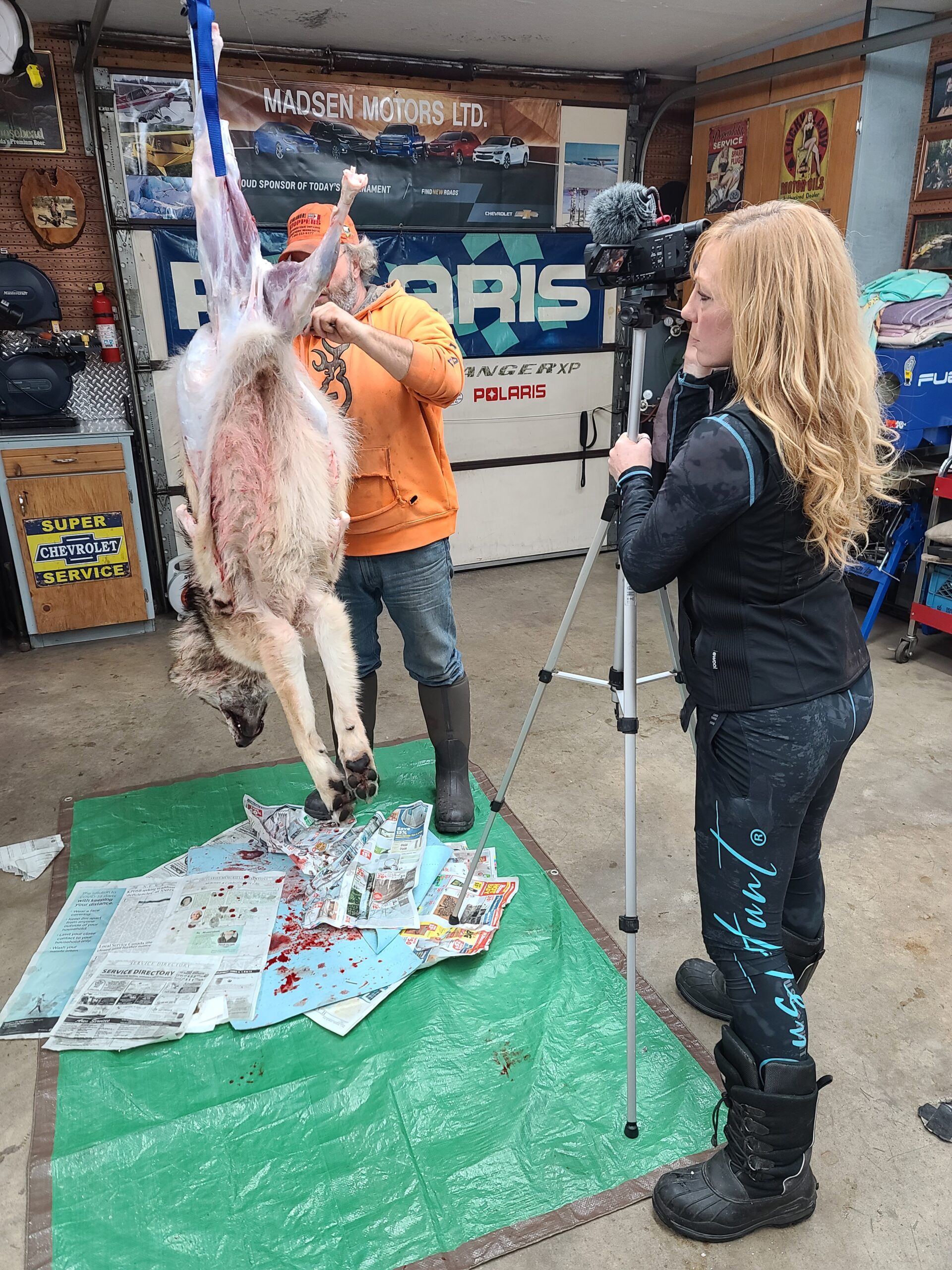
Indigenous and northern communities have long understood this balance. For many, hunting and trapping are not political statements but expressions of stewardship, responsibility, and respect for the land. Their voices—rooted in lived experience—are essential to meaningful conservation decisions.
None of this suggests wolves are expendable. They are vital to northern ecosystems and deserve protection. But protection does not mean immunity from management. Conservation requires nuance, adaptability, and the willingness to make difficult, often unpopular decisions.
Wolf hunting in northern Ontario will likely remain controversial. But controversy should not overshadow reality. When guided by science, local knowledge, and strict regulation, predator management can be an act of conservation—not cruelty.
If we want healthy moose herds, resilient ecosystems, and sustainable wildlife for future generations, we must be willing to look beyond emotion and focus on balance.