Minnesota lake associations get creative to weed out invasive plants
By Mike Moen – Producer/Minnesota News Connection
Spring is just around the corner, and area lakes will soon be losing their ice cover.
In Minnesota, crews are deploying the latest strategies to restore lake ecosystems overwhelmed by invasive plants, with hopes of making boating and other water activities easier.
Minnesota implemented a higher surcharge on boat licenses this year to help local entities pay for controlling aquatic invasive species.
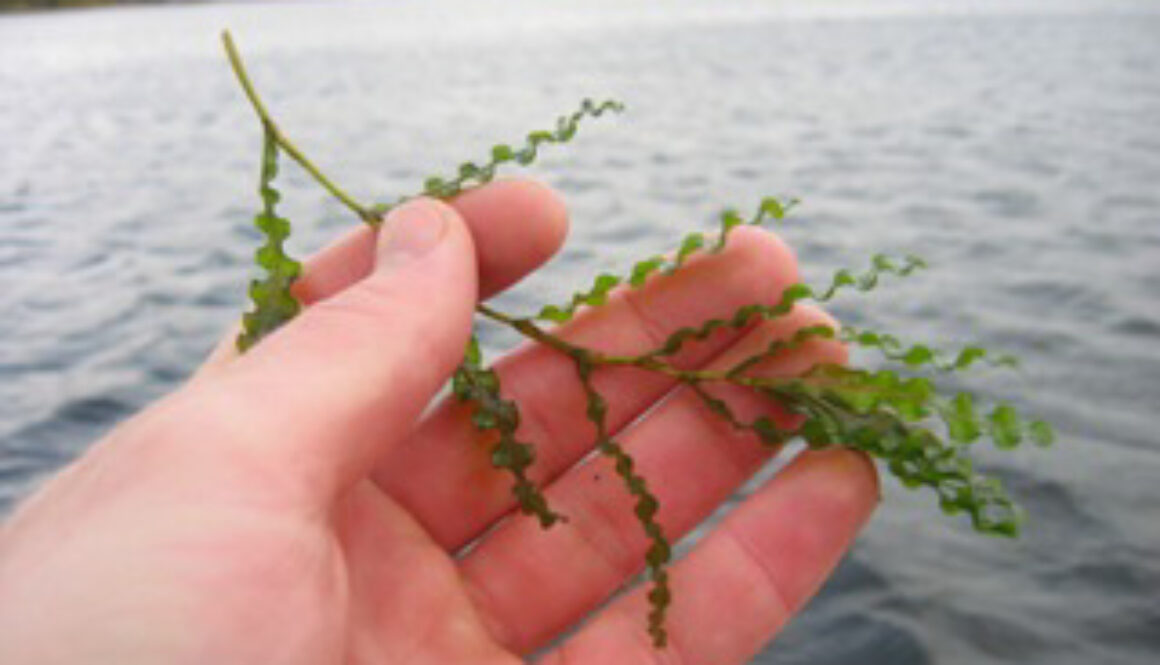
In Scott County, southwest of Minneapolis, the Cedar Lake Improvement District hired PLM Lake and Land Management to drill holes through the ice and insert an herbicide that specifically targets invasive plants, such as curly-leaf pondweed.
Patrick Selter, vice president for PLM’s Midwest Region, says this plant grows throughout the winter, wreaking havoc when boating season arrives.
“About mid-to-late May, early June, that plant will top out,” he says.
“You can’t navigate through it, it’s hard to fish in, it really limits your recreational use of the lake.”
The nutrients that float away create a higher risk of toxic algae blooms.
Selter says getting an earlier start on targeted removal gives them a stronger chance to effectively manage invasive weeds over the course of an open-water season.
The progress they make allows native plants to grow.
The Department of Natural Resources has said available grant dollars for local prevention efforts more than doubled this year, to $1 million, but there’s strong competition for that money, and it can’t fund all applicants.
Selter says over the past decade or so, the response to aquatic invasive species in Minnesota lakes has shifted from weed control to restoration.
“The native plants – they are our biological control,” he says.
“We don’t have biological controls for some of these [invasive] species, and our only biological control is our native plants.”
The group Minnesota Lakes and Rivers applauds efforts like these.
It says when the Legislature makes additional funding available to protect natural resources, citizens respond with wonderful innovation.
The DNR adds it’s trying to bring more technical expertise to lake associations as they familiarize themselves with available solutions.