The average New Brunswick teacher is closer to retirement than the beginning of their career.
And that’s part of why the New Brunswick Teachers’ Association remains focused on recruitment and retention.
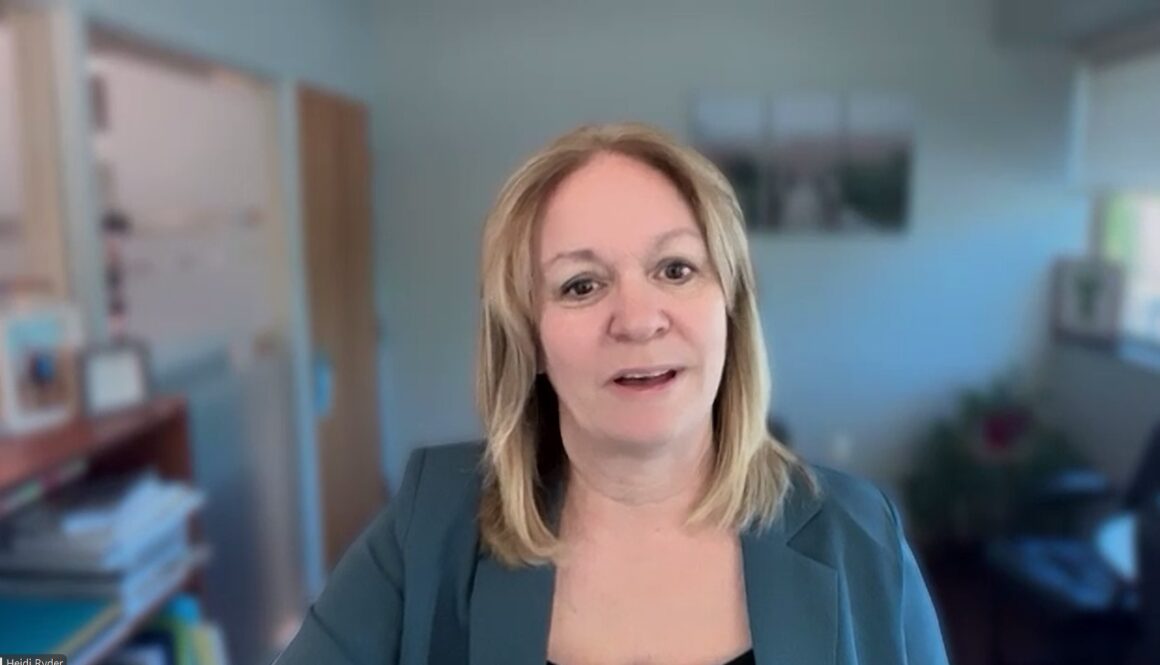
NBTA president Heidi Ryder spoke to the media this week ahead of the union’s AGM.
Ryder said within five years, a quarter of teachers in New Brunswick’s anglophone sector are likely to retire.
“That just makes it even more essential that more educators are entering the system and staying in the system,” she said.
Ryder said the first five years for a new teacher are the most critical.
“Five years is when we’re looking them,” she said.
“If we can really work to build mentorship, to keep teachers in the system, that’s really a priority.”
Ryder added there’s always work being done with the NBTA’s partners, whether it’s universities or government or other groups in the province.
“Those will be ongoing conversations with all our partners about how do we best prepare students and then how do we keep them once we’ve got them in the system,” she said.
Along with retention and recruitment efforts, the province will implement a new education plan for anglophone districts in the next school year.
“So lots of priorities that are foundational building that stronger, more innovative public education system that we want to see in New Brunswick,” Ryder said.
Ryder said the system needs to support teachers effectively.
“The benefits are clear,” she said. “Improve student outcomes, stronger engagement and a more sustainable teaching profession.”
Schools across the Rainy River District were visited this week by an author who cannot read or write, yet Michael Jacques has written two books based on his life experiences.
Michael has autism and intellectual disabilities, but it has not stopped him from being an advocate, volunteer and public speaker on issues of inclusion, diversity and compassion.
He was in the district, telling his life story to students, educators and community members, and illustrating that anything is possible.
“Things that are easy for other people are harder for me, but I just want to show that anything is possible,” says Jacques.
“People like myself, who are young, old, or somebody who has some challenges, to show that anything is possible with lots of hard work and dedication.”
Jacques says it started in his youth, taking part in a program that focused on inclusion and leadership that provided him the voice to speak out.
He says supportive parents, educators, and community agencies gave him the support and confidence.
He went on to compete in the Special Olympics several times, found employment at a grocery store, and was named 2019 Citizen of the Year in his community of FontHill, Ontario, west of Niagara Falls.
He became the youngest president of Community Living Ontario’s board of directors, and the only one with lived experience to advocate for others with intellectual disabilities and their families.
Former Education Minister Stephen Lecce appointed him a few years ago to a provincial advisory committee on special education.
“It was great. He knows I got my high school diploma. He knows that I wrote two books. He has both my books. And he’s a big supporter of me. It was great to have that support,” says Jacques.
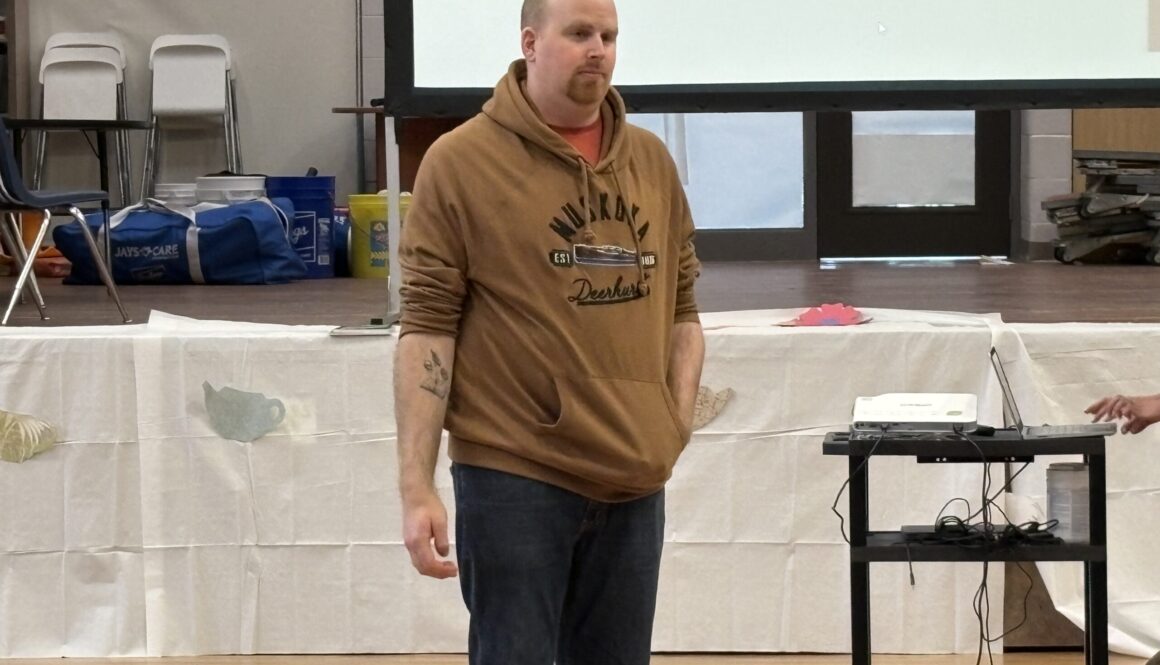
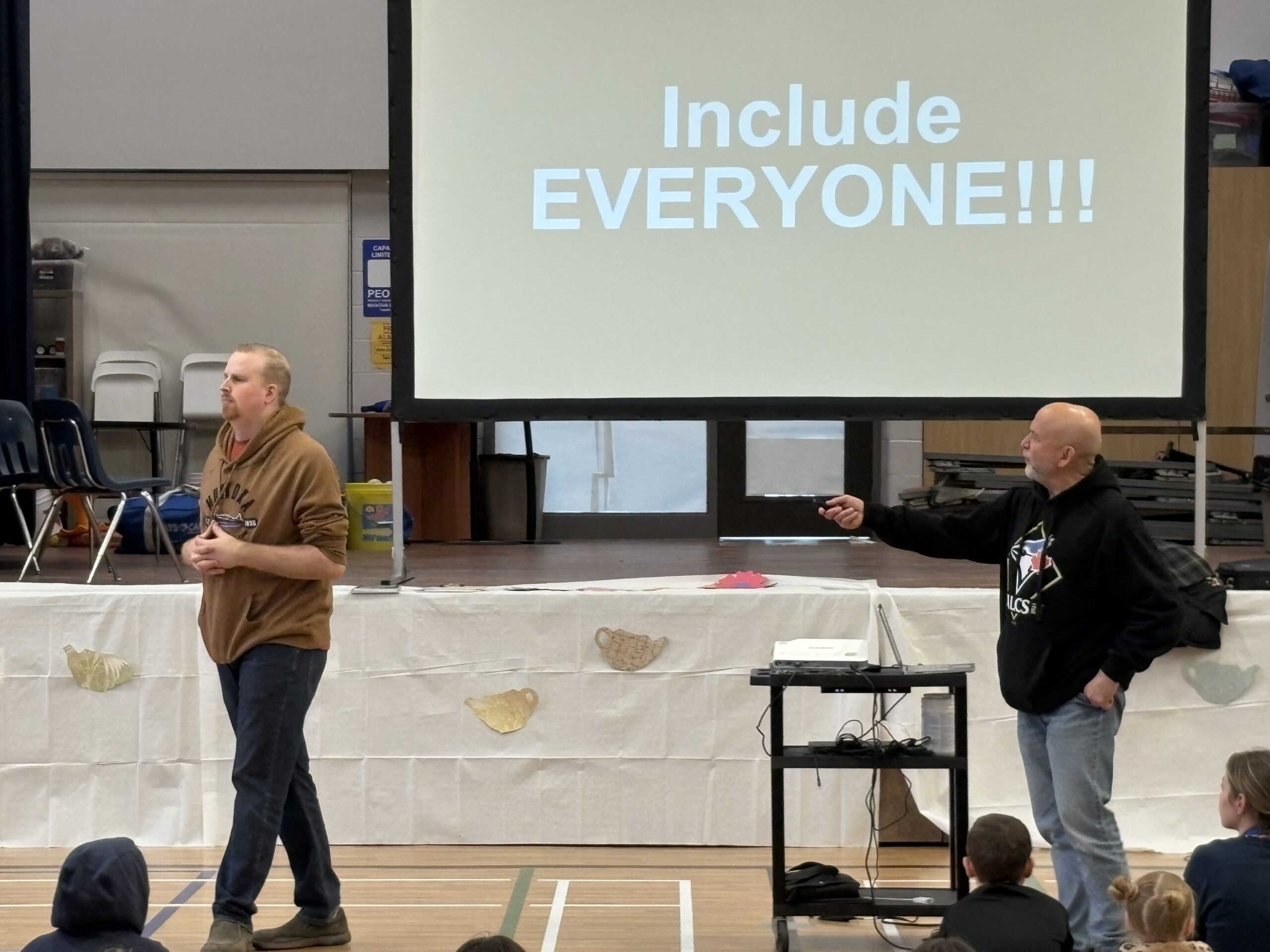
Jacques is asked to make many presentations each year. His dad, Marcel, joined him on the tour across the Rainy River District.
Michael Jacques and his dad Marcel (r) answer student questions during a visit to Robert Moore School in Fort Frances, May 6, 2026. Image: Randy Thoms/Acadia News
This was their first visit, though they have visited other parts of northwestern Ontario in the past.
They have visited over 600 schools and made many more tailored presentations to business leaders, educators, and support agencies.
“I would suggest 60% of Michael’s presentations are for the educational sector, whether they’re students or staff support staff,” says Marcel Jacques.
“Twenty percent in the developmental sector service sector, so community living organizations and things of that nature. And then another 20% for other organizations that want to be inspired by Michael’s story.”
He is a regular visitor to Ontario Police College in Alymer, speaking to cadets about how they interact with people with disabilities and how they can get involved with community living agencies in the communities they serve.
“Michael’s probably spoken to over 12,000 police officers in the province of Ontario,” says Marcel.
“If you walk into any police station, even here in Fort Frances, and if there’s a police officer with less than seven years’ experience, they’ve heard his story.”
Michael strikes the word can’t from his vocabulary and focuses on ways he can do something. He encourages others to do the same.
“Never give up, anything is possible. Just because people say you can’t do things, don’t worry about that. Focus on all the things you can do, and the sky’s the limit. The only one that is stopping you is yourself.”
His books, which he used speech-to-text technology, can be found on his website. Click here.
Some Fort Frances High School students are getting a chance to test-drive a career.
They are the latest participants to take part in the school’s co-operative education program.
The program provides students with the opportunity to spend time in a workplace, helping to guide them toward a potential career path.
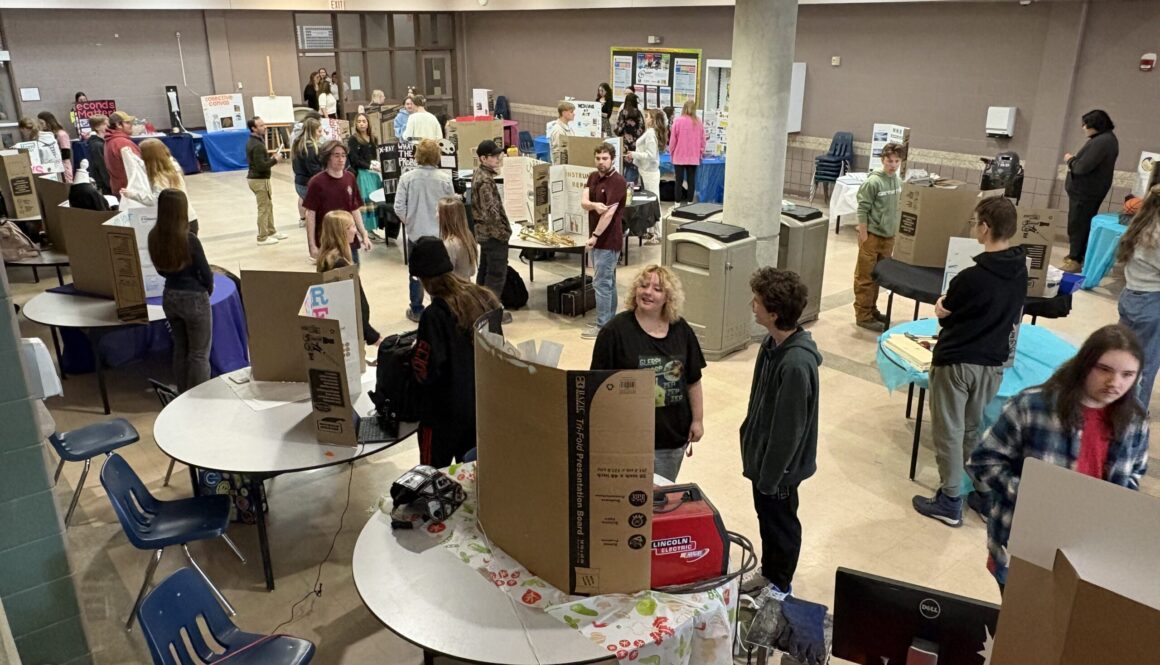
Students showcased their placements at the annual Co-Op Display Day.
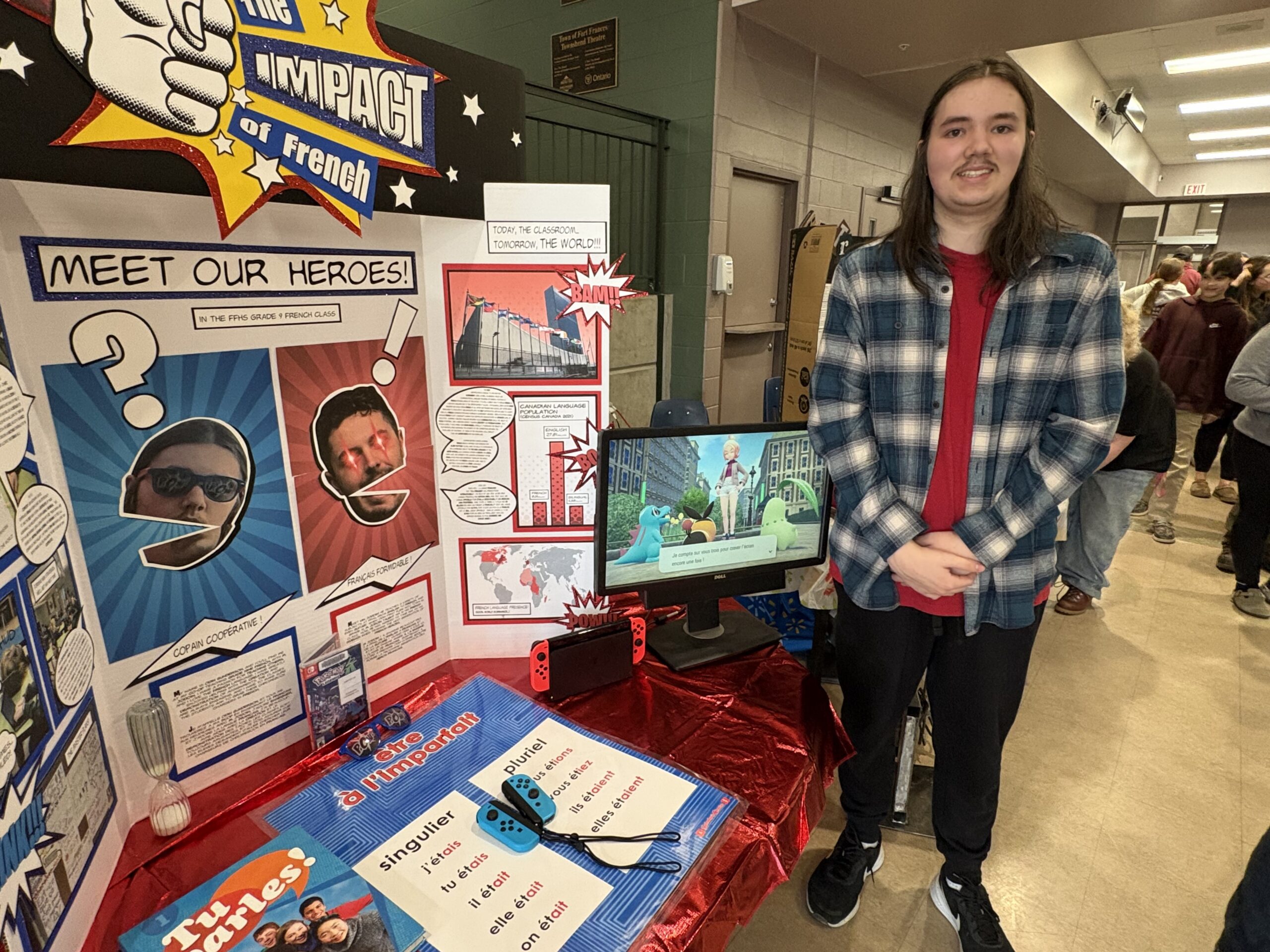
Odin Gunderson spent his time in a grade 9 French class, helping students learn the language.
Odin Gunderson explains the impact of French after assisting in a grade 9 French class, May 6, 2026. Image: Randy Thoms/Acadia News
“I personally love teaching the language French, and I love the language itself,” says Gunderson.
“A number of my family members are teachers, so I wanted to carry on with that, see how I enjoy the profession.”
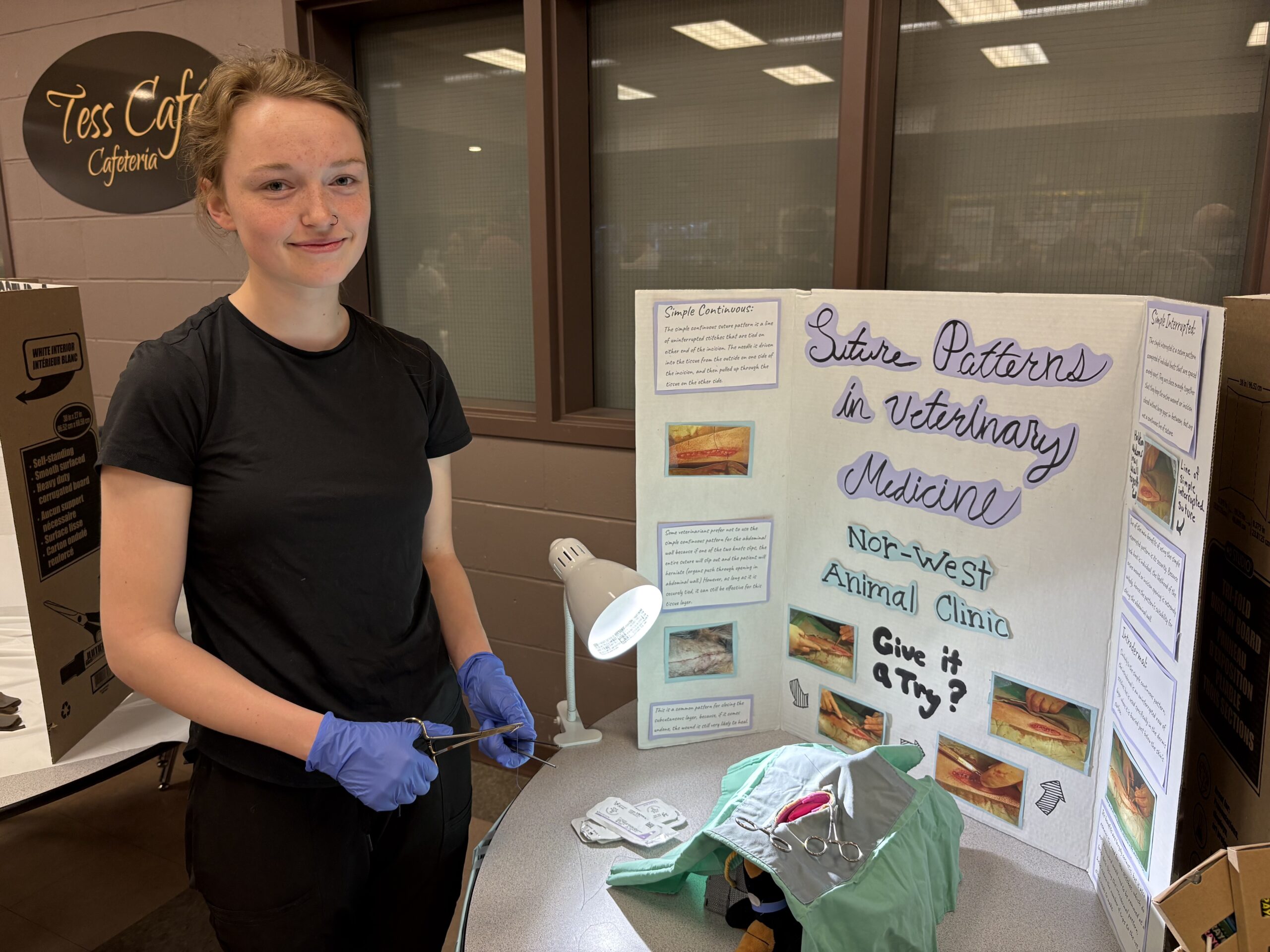
Grade 12 student Cleo Reynolds chose the Nor-west Animal Clinic for her placement, assisting with appointments and surgeries.
Cleo Reynolds practices suture patterns on a stuffed animal, May 6, 2026. Image: Randy Thoms/Acadia News
She says it is an avenue she is interested in.
“I want to be a vet, but it’s a lot of schooling, obviously, and I wanted to make sure it’s something I want to pursue before I go through with all that university education,” says Reynolds.
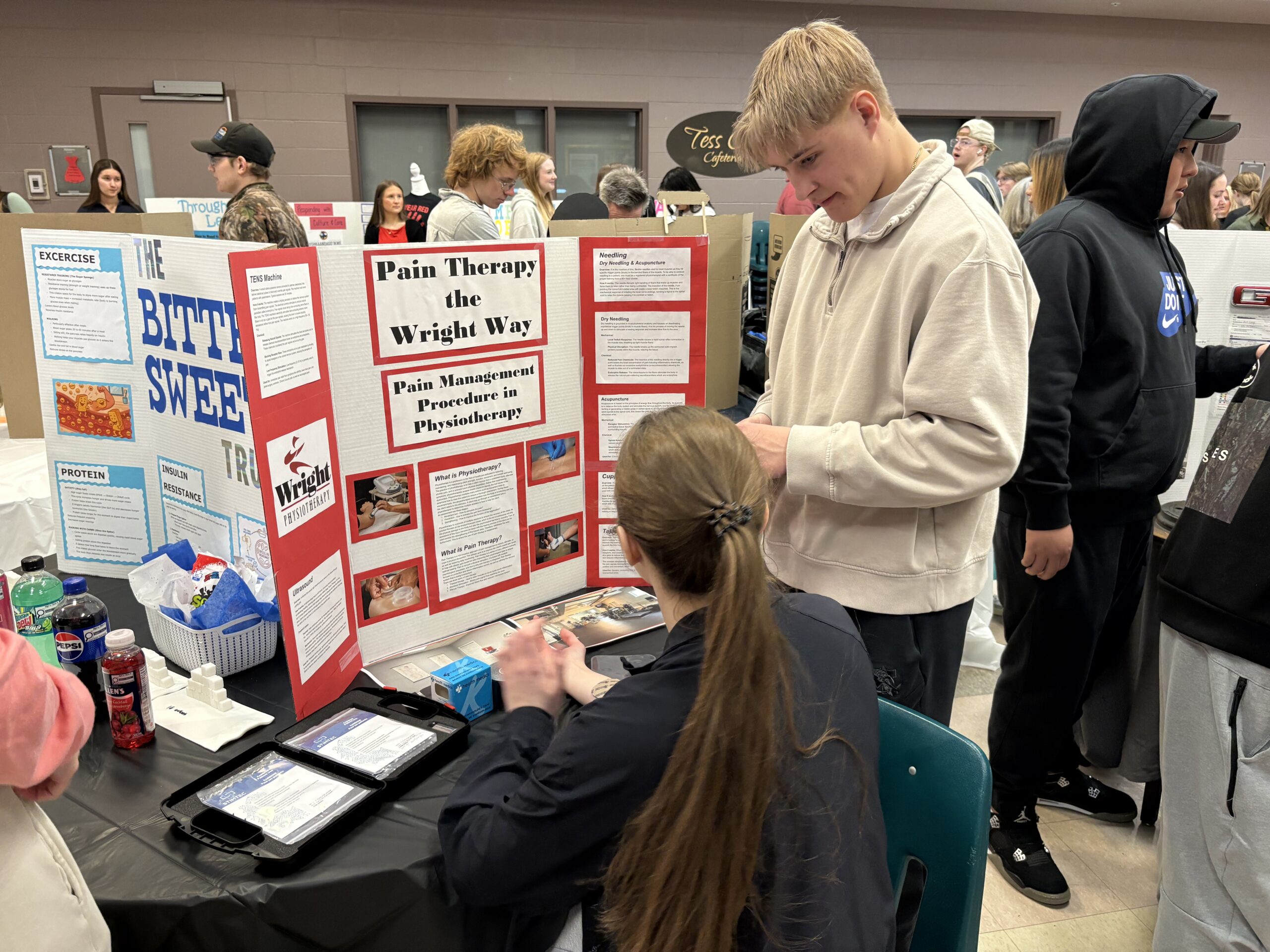
Aiden Loerzel was at Wright’s Physiotherapy, learning about various machines used in pain therapy.
Aiden Loerzel explains the equipment used for pain management at Wright Physiotherapy, May 6, 2026. Image: Randy Thoms/Acadia News
He calls it a great experience.
“I’ve always been really interested in sports medicine,” says Loerzel.
“As an athlete myself, I get hurt a lot. I was pretty interested in the physio aspect and how pain works, and how to reduce it. So I was really interested in helping out with that and learning more from professionals and researching how the chemistry and all that works with the healing and recovery.”
He is now looking at the profession as a career path.
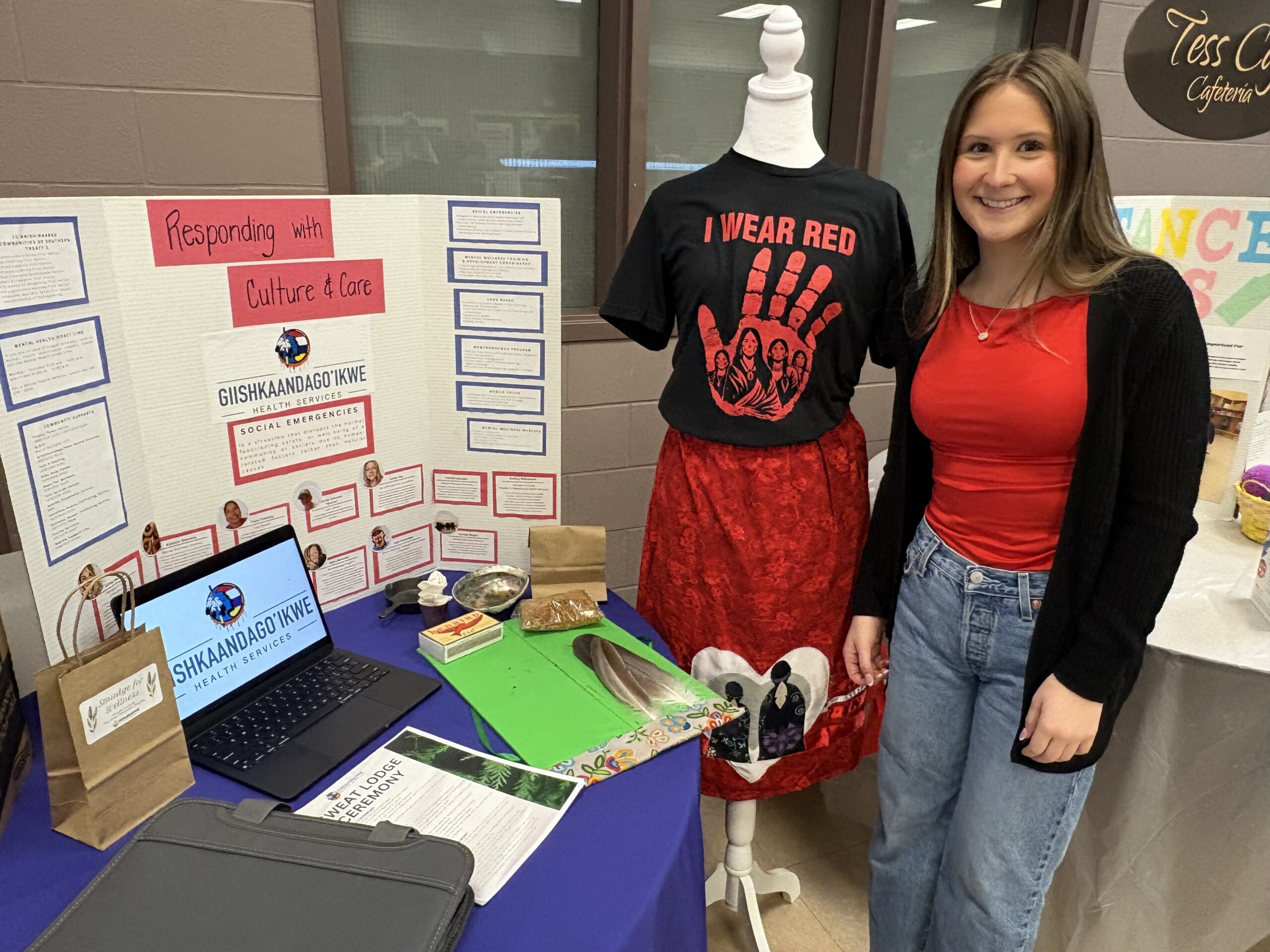
Grade 12 student Blaire Cross selected Giishkaandago’Ikwe Health Services, spending time with a program that responds to crises, as she considers a career in policing.
Blaire Cross explains how Giishkaandago’Ikwe Health Services responses to social emergencies in the area, May 6, 2026. Image: Randy Thoms/Acadia News
“I thought that this would be a really good fit for me because this is also related to mobile crisis and things like that because we’re connected very closely with the OPP,” says Cross.
“It felt really good as a person who could support and understand what other people are going through. But then it was also just a relief to understand that people are getting help and seeking the help that they need.”
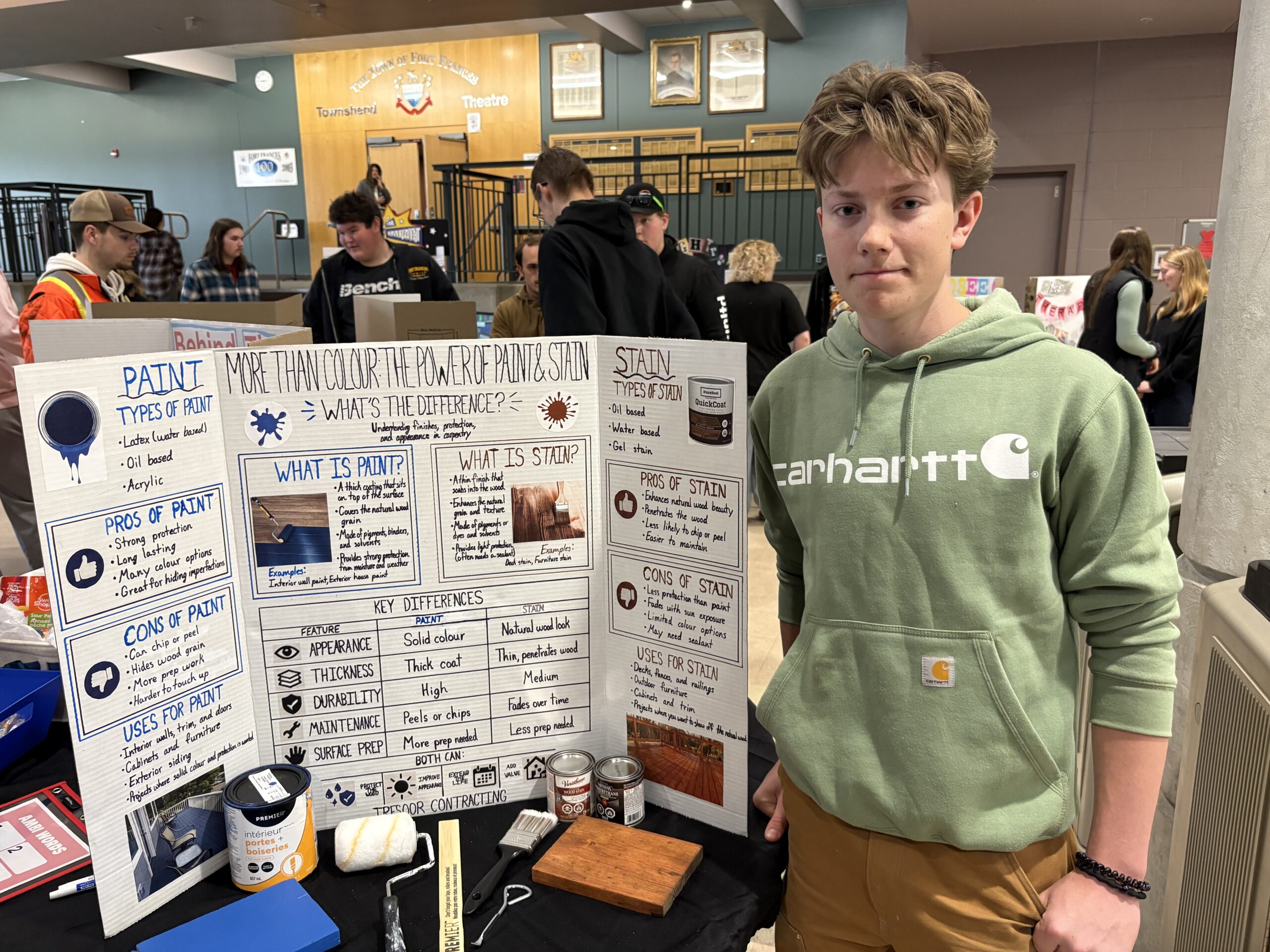
Chase Felix took a trades route, working at Tresoor Contracting, where he was involved in carpentry work.
Chase Felix outlines the difference between stains and paints used during his co-operative education placement, May 6, 2026. Image: Randy Thoms/Acadia News
He says he wanted to get experience in a field he intends to pursue.
“It definitely helped. I do want to do something in the trades for sure,” says Felix.
“It’s a great experience to get out and do stuff and see if it’s truly what you want to do and learn about what you like and don’t like about the career path you think you want to get into.”
Qianna Bell is also interested in the trades.
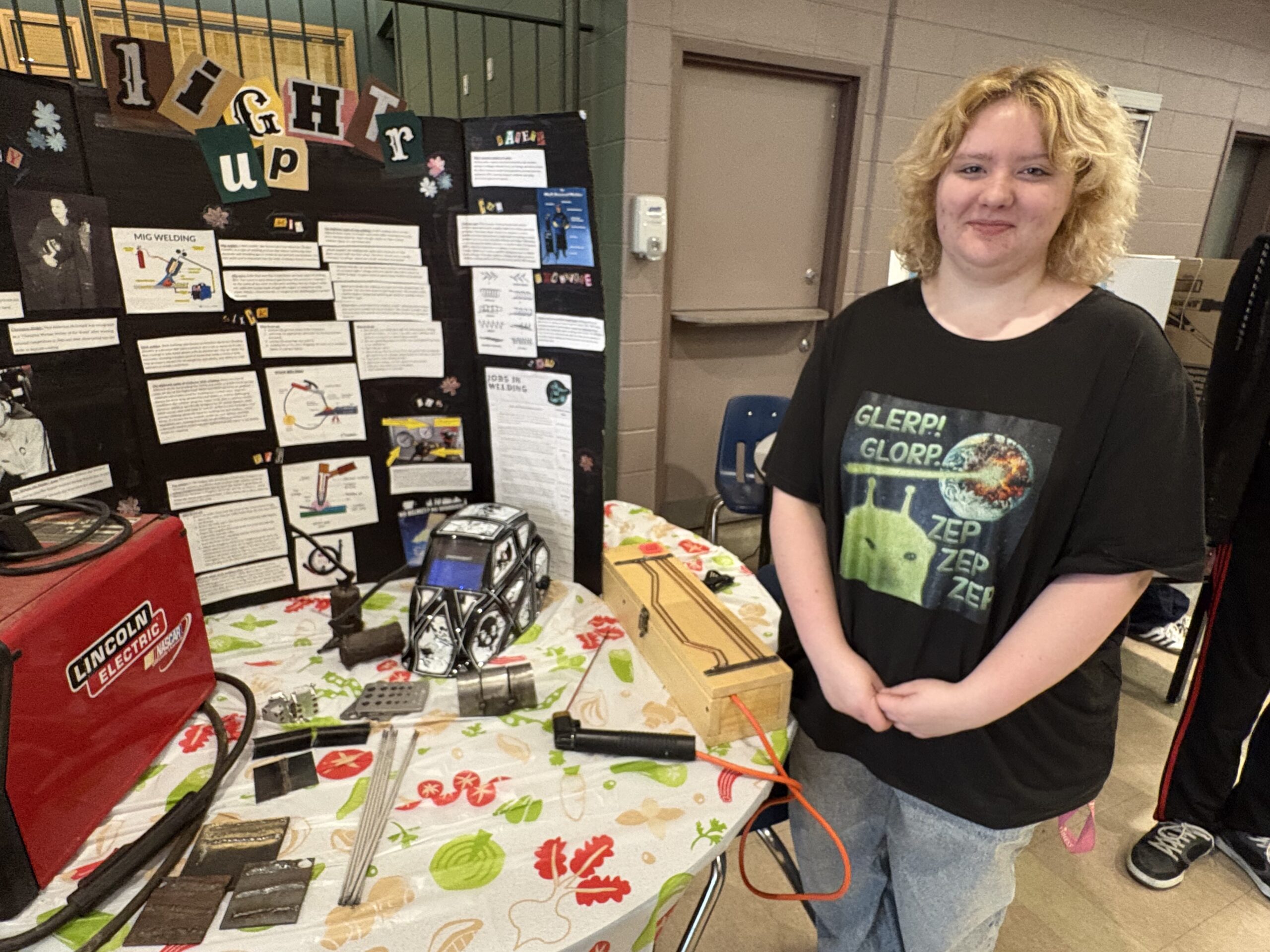
Qianna Bell explains the use of welding equipment used during her co-operative education program, May 6, 2026. Image: Randy Thoms/Acadia News
She did placement in the high school’s shop classes, with a focus on welding.
“In grade nine, I started in shop classes, and I just continued with it. I figured out I loved welding,” says Bell.
She has already applied to enrol in Seven Generations Education Institute’s welding program.
“I have a lot of fun with co-op. I love doing it every time that I do it. This is my second year. It’s my favourite thing, and I suggest everybody goes and does it.”
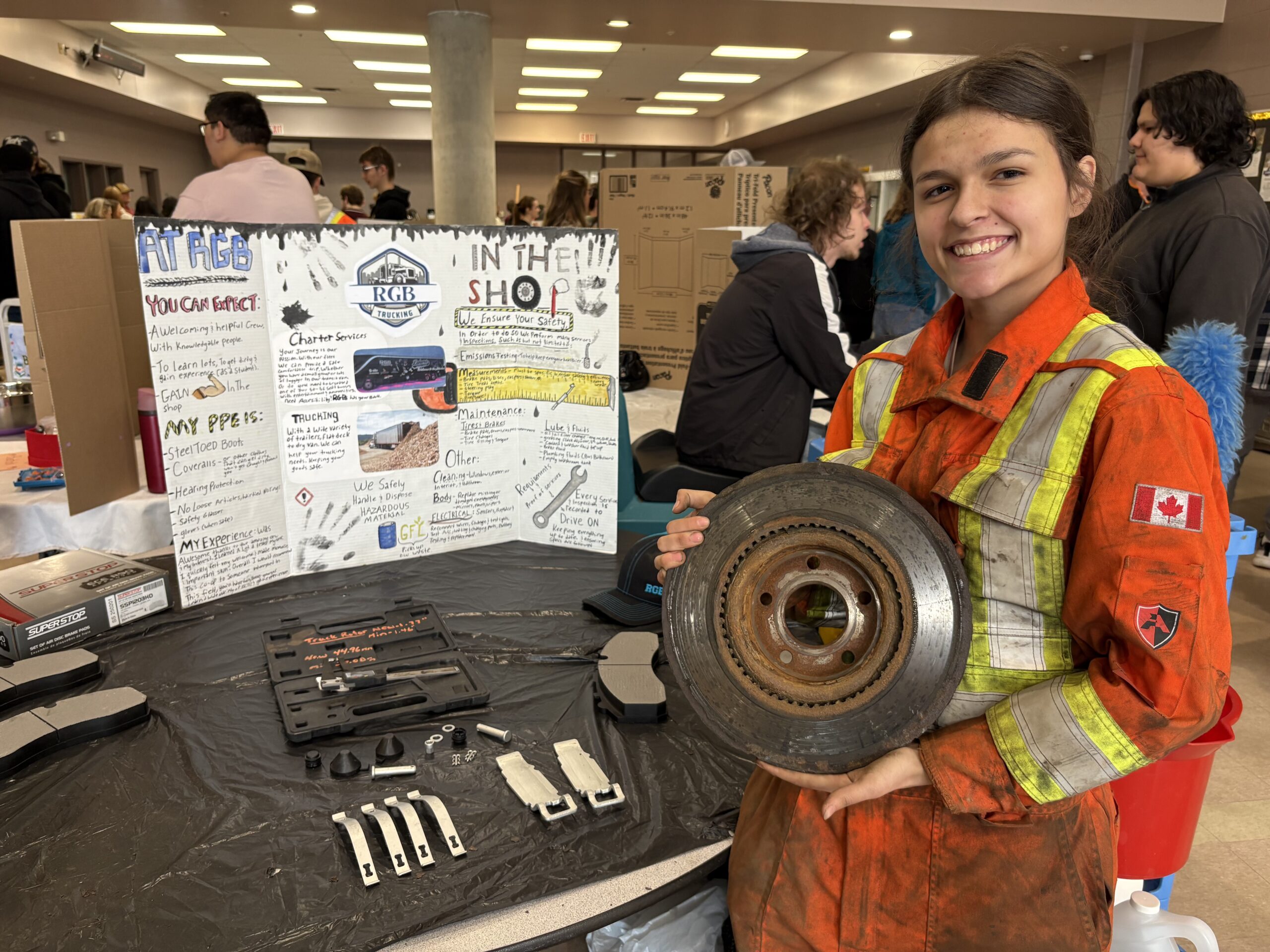
Serenity McLeod also experienced the trades by working at RGB trucking to gain knowledge about being a heavy-duty mechanic.
Serenity McLeod displays a brake drum and other parts at her co-operative education display, May 6, 2026. Image: Randy Thoms/Acadia News
“I’ve been into how things work, whether medically or mechanically,” says McLeod.
“(It’s) something I’m looking into. I do want to further my schooling, though, so it’s kind of a fallback, I guess.”
Students say they enjoyed the experience and recommend other students to enrol.
“You get a credit, and you get a lot of experience,” says McLeod.
“You can make new work friends. It’s a way to get your hands on without having to spend a lot of money on tools or try a career path without continuing your education,” says McLeod.
“The co-op is very fun once you get into it. The beginning can be a little bit steep, but as soon as you settle in, you’ll figure out what you really love about it, and you’ll find yourself enjoying yourself more,” adds Gunderson.
Safe schools and improving student achievement rank high in a survey from the Northwest Catholic District School Board.
The board uses the findings in their budget planning process.
“It was very focused, and stakeholders pointed to a relatively narrow set of priorities that they want to see continued attention, stewardship and allocation of resources,” says Alex McAuley, Superintendent of Business.
The survey revealed that about 95% of respondents rated safe, clean, accessible and well-functioning learning spaces as being very or extremely important.
“Families clearly view school conditions as part of the student experience and as a visible expression of the board stewardship,” says McAuley.
“Most notably among the results for classroom and common area conditions, heating and ventilation, air quality and outdoor spaces.”
McAuley says the survey also reveals the school climate remains an important area of attention, with 69% having confidence in the board’s ability to respond to concerns.
Many respondents highlighted bullying and cyberbullying as areas requiring the greatest attention.
Mental health supports, harassment, exclusion, and violence were also cited.
About 75% of respondents identified student learning as a top priority, with strong emphasis on reading, writing and math.
“From a governance perspective, these support keeping learning improvement at the center of all resource discussions we may have for the budget process,” says McAuley.
The Board will present a budget for the next school year in June.
An internal promotion to fill the Rainy River District School Board vacant Superintendent of Business position.
Nadia Allison takes on the job after serving as the board’s Manager of Financial Services for the past year and a half.
Allison replaces Megan Cox, who left earlier this year.
Prior to her employment with the Board, Allison worked for BDO Canada, now MNP, for almost 11 years.
She joined the public board in October 2024, after spending almost 11 years with BDO Canada, now MNP.
“Nadia’s appointment reflects our commitment to strong, forward-thinking leadership,” states Heather Campbell, Director of Education.
“In a relatively short time, she has demonstrated sound judgment, a collaborative approach, and a clear dedication to responsible stewardship. Her skills and perspective will strengthen our senior leadership team and support informed decision-making that keeps student achievement at the centre of our work.”
A planned Community Wellness Centre in International Falls has received financial support from Essentia Health.
The healthcare group that operates a clinic in the community is making a $50,000 contribution.
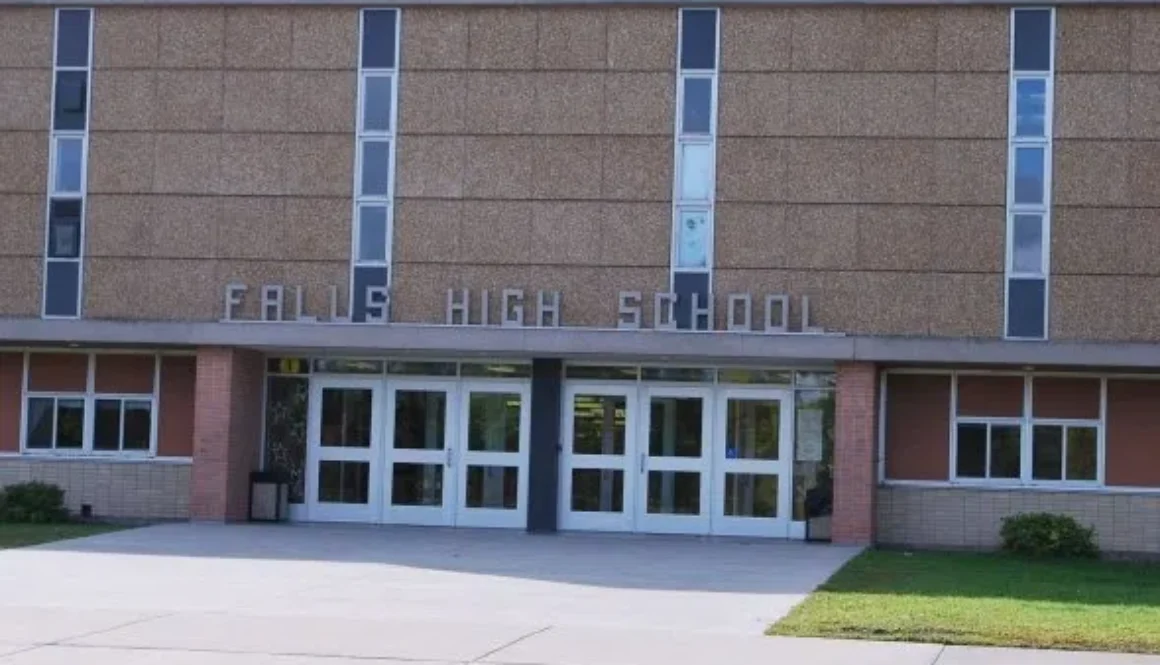
A weight room at Falls High School is to be transformed into a facility that will offer a wide range of wellness, recreation, mentorship and family programming.
Rob Davenport, Operations Manager for Essentia Health-International Falls Clinic, says they are excited to provide support.
“By creating a space for physical recreation and wellness programming, the project will support youth mentorship and development and serve as a valuable resource for the community,” states Davenport in a release.
“We are incredibly grateful to Essentia Health for their investment in our students, families and community,” states Falls High School Principal Melissa Tate.
“This funding allows us to take the first meaningful steps toward creating a space where young people feel safe, supported and connected.”
Tate adds that Essentia’s support is a first step as they seek out other partners and investors.
Trustees will remain in place, but the provincial government is moving ahead with changes it says will improve school board oversight and accountability.
It includes having Directors of Education become Chief Executive Officers and be responsible for the financial and management aspects of school boards.
Persons hired will be required to have business qualifications.
New legislation also intends to create new Chief Education Officers, appointed by the CEO, who would focus on student achievement.
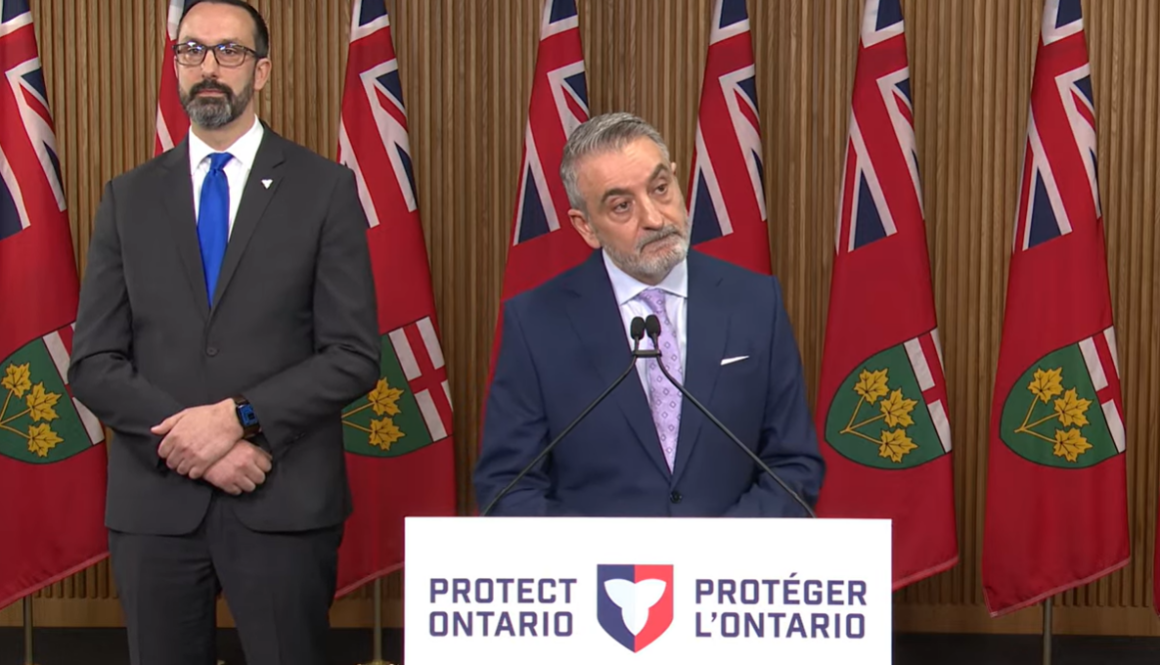
Education Minister Paul Calandra says it does not necessarily set up a new layer of administration.
“School boards across the province have a whole cadre of superintendents that they have right now,” says Calandra.
“The goal would be to identify one of those superintendents, existing superintendents who can become the chief educational officer. We’re not adding anybody.”
Calandra says directors of education currently perform both roles, and sees them transitioning to Chief Executive Officer for their boards.
School boards will be limited to having no more than 12 trustees, a change that only impacted the Toronto Public District School Board.
The appointment of First Nation and student trustees will not be affected.
“I wanted to ensure that we removed the distractions that come from trustees from the system,” says Calandra.
“So the new roles of a trustee will be significantly reduced from what it was before.”
CEOs will lead the development of budgets and refer matters to the Minister when they can not be resolved at the board table.
The Minister also has the final say on whether a CEO should be removed from their position.
Contract bargaining will also be handed over to the Council of Ontario Directors of Education, which will serve as the central employer bargaining agency for English public and English Catholic boards.
There will also be changes in the classroom.
Teachers will be required to use ministry-approved learning resources.
Exams will be mandatory for students in grades 9-12, removing exemptions that some schools granted.
Attendance will also make up 15% of a high school student’s final mark.
Calandra says absenteeism has been climbing since the pandemic and has caused a lot of challenges for teachers.
“The old system, the system that we’re hoping to replace if the bill is passed, 100 % of that mark by and large in some instances was based entirely on coursework,” says Calandra.
“Students did not need to participate. I think this is an important change. It absolutely reflects what teachers and high school teachers have told me.”
The province is investing $96.5 million in a new Kindergarten to grade 8 facility for 990 students.
Forest Glen School and Sunny Brae Middle School will become one.
“Bringing these two school communities together into a modern, purpose-built learning environment allows us to better support teaching and learning in ways that reflect today’s classrooms,” said Randolph MacLean, superintendent of Anglophone East School District.
Sunny Brae Middle School serves students in grades 5 through 8, while Forest Glen teaches children in kindergarten through Grade 4.
The new school will be built on the site of Forest Glen School on Keenan Drive. Construction is expected to begin in 2027 with an anticipated opening date of September 2030. Both existing schools will remain open until the new facility is ready.
Elementary teachers are getting some financial help with the purchase of classroom supplies.
The province is giving each homeroom teacher $750 in September.
Education Minister Paul Calandra says it leaves the purchasing power up to teachers.
“It’s not us that is going to decide what the teachers need,” says Calandra.
“It’s the teachers who are going to decide what they need because every class is unique. Every class may be different.”
The money will come in the form of a card to be used on a new online site where teachers can obtain supplies.
Calandra says they will be visiting schools and speaking with educators to get a list of what teachers need and make them available through the site.
It is expected to offer a grade-by-grade selection of commonly used classroom items, including writing supplies, notebooks, calculators, chalk, arts and crafts materials, tissues and paper towels.
Many teachers are paying for the items up front and wait to be reimbursed.
The province has provided school boards with funding, but Calandra says not all of the money is necessarily flowing to teachers.
In some cases, teachers are told to purchase items through their board’s preferred vendors, which are often higher in cost than going to big box stores.
Calandra says that by using the purchasing power of Service Ontario, prices will be the same no matter where teachers are.
“Sometimes the cost of supplies is much more expensive in the north than it is in the south. That’s why we are bringing the purchasing power of the province together.”
Additional support for students whose first language is not English.
The Rainy River District School Board is looking at technology that provides translation services in the classroom.
Education Director Heather Campbell says it operates through existing audio systems.
“The FM systems that we have (the) classroom. . .have a program now that they can do direct translation in many different languages,” says Campbell.
“So, it’s a matter of the student having the headset on and having them hear the teacher who’s speaking English being translated into their language.”
Campbell says they learned about the technology at a recent conference on A.I.
She notes that their schools are seeing a steady rise in the number of students arriving from outside Canada, whose first language is not English.
The Board identifies 33 currently attending classes in one of its many schools.
But those students are spread across many schools and communities, making it challenging to provide consistent, immediate language support in the classroom.
The schools offer programming to help them with English, but many students struggle early on because of the language barrier.
Campbell says the translation technology will reduce confusion and lost-learning time, provide the students with more confidence and allow them to participate fully in the classroom discussions.
“We see that as not a replacement for the English language learning program that we currently do, but a way to really support students when we don’t have direct translation services and other newcomer outreaches in our area.”
The board intends to run a pilot program during the next school year before expanding the system to all schools.