Randy Thoms is a veteran news broadcaster with over 40 years' experience. He is based in Fort Frances and covers stories across northwestern Ontario. Contact Randy at thoms.randy@radioabl.ca.
A southern Ontario man is facing drug-trafficking charges related to a police investigation in the Thunder Bay area that began this fall.
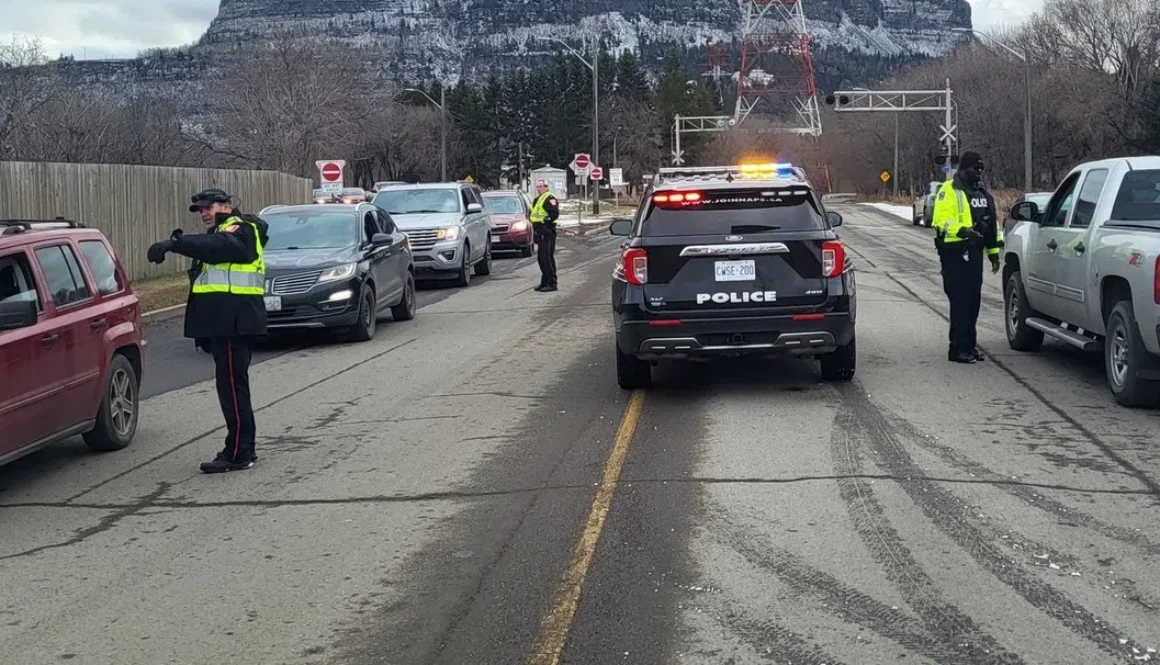
The Ontario Provincial Police-led Provincial Guns and Gangs Enforcement Team (PGNG), which includes members from the Nishnawbe Aski Police Service (NAPS) and the Thunder Bay Police Service (TBPS), launched the probe into the alleged selling of illegal drugs.
Their efforts led to the arrest of a 39-year-old from Scarborough near Highway 11/17 and Dawson Road.
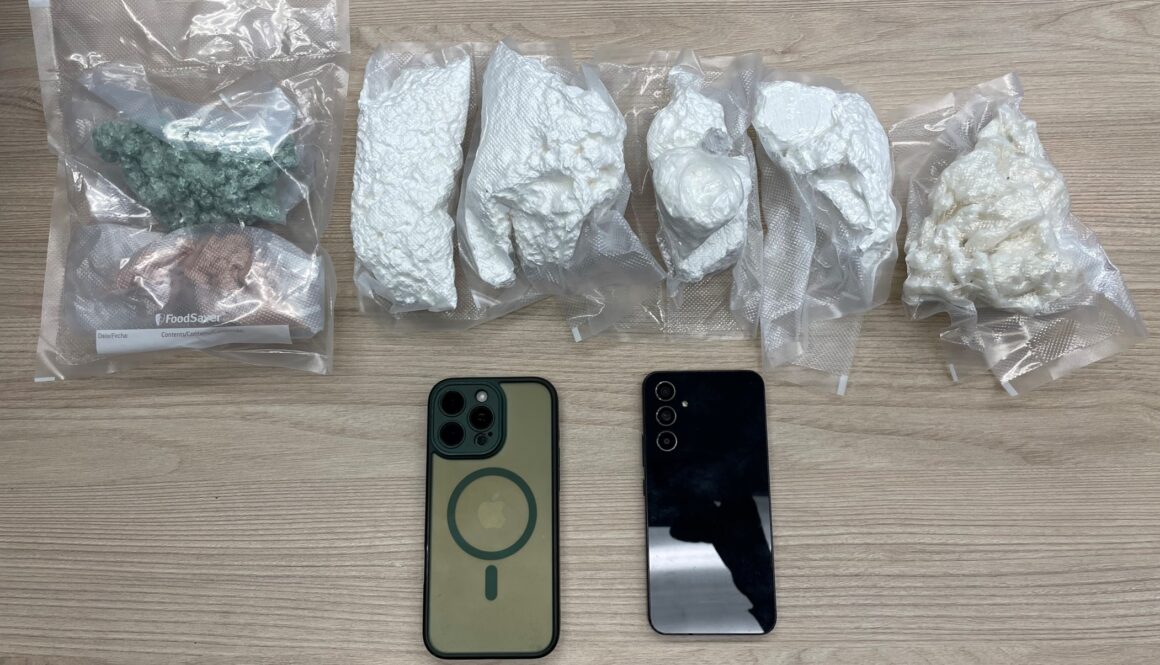
Police seized 230 grams of suspected fentanyl, 680 g of suspected cocaine, 200 g of suspected crack cocaine and two cellphones.
Police estimate the street value of the drugs seized to be more than $202,500.
The man remains in custody pending a bail hearing on New Year’s Eve.
An elderly woman has died in a house fire in Baudette, Minnesota.
The Lake of the Woods County Sheriff’s Office says members of the Baudette Fire and Rescue Department were called to a home in the 300 block of 2nd Ave. SE. at around 3:30 a.m. on December 19th.
The body of 91-year-old Nelda Fay Anderson was later found inside the home.
The cause of the fire is being called accidental, but officials, including the Minnesota State Fire Marshal’s Office, continue to investigate.
The city of International Falls has named a new police chief.
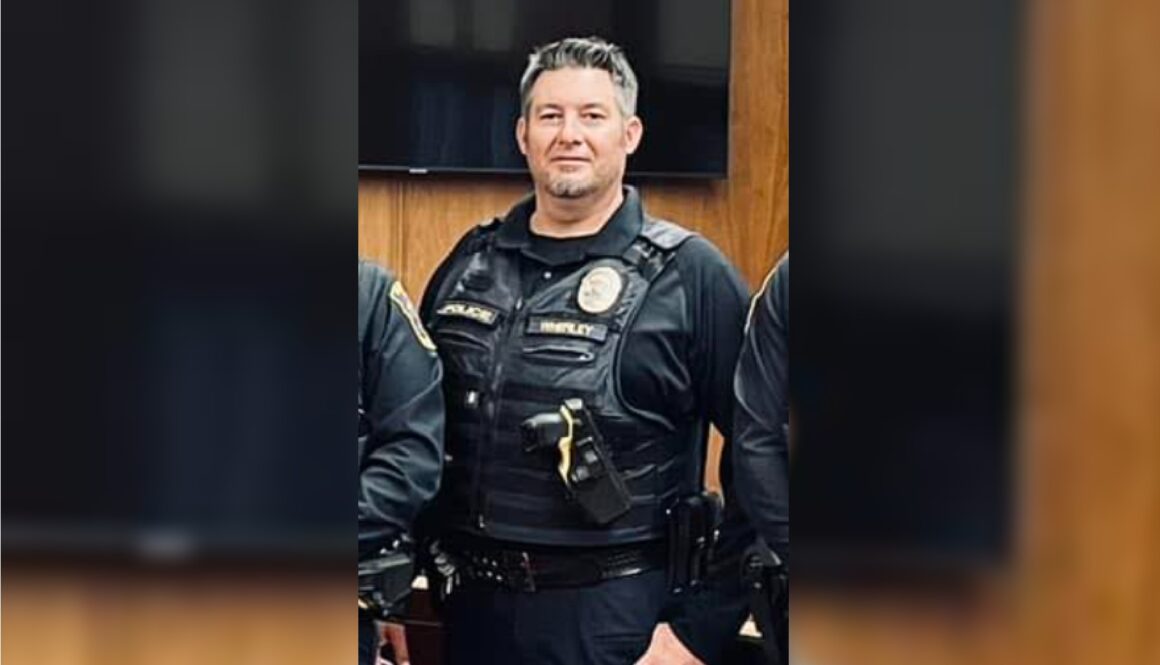
Scott Wherley takes over from Mike Kostiuk, who announced his retirement earlier this month.
Mayor Drake Dill says Wherley was one of three to apply for the position.
He says all three were well-qualified, but Wherley stood out for him.
“Investigator Wherley has worked as a Conservation Officer in the state of Nebraska, a Sergeant for the Beltrami County Sheriff’s Office, the Chief of the Blackduck, Minnesota Police Department, a child protection social worker for the Koochiching County Health and Human Services, and is currently an investigator with the International Falls Police Department,” says Dill.
Wherley graduated from Falls High School and Rainy River Community College before furthering his education at Hibbing Community College. and Peru State College in Nebraska.
He will earn a starting salary that is 80% of the current chief’s salary until an employment agreement is finalized.
Wherley will be officially sworn in at the January 5th council meeting.
While Kostiuk is leaving a more than two-decade policing career, he has accepted a position as administrator for the Village of Salem Lakes, located south of Milwaukee, Wisconsin.
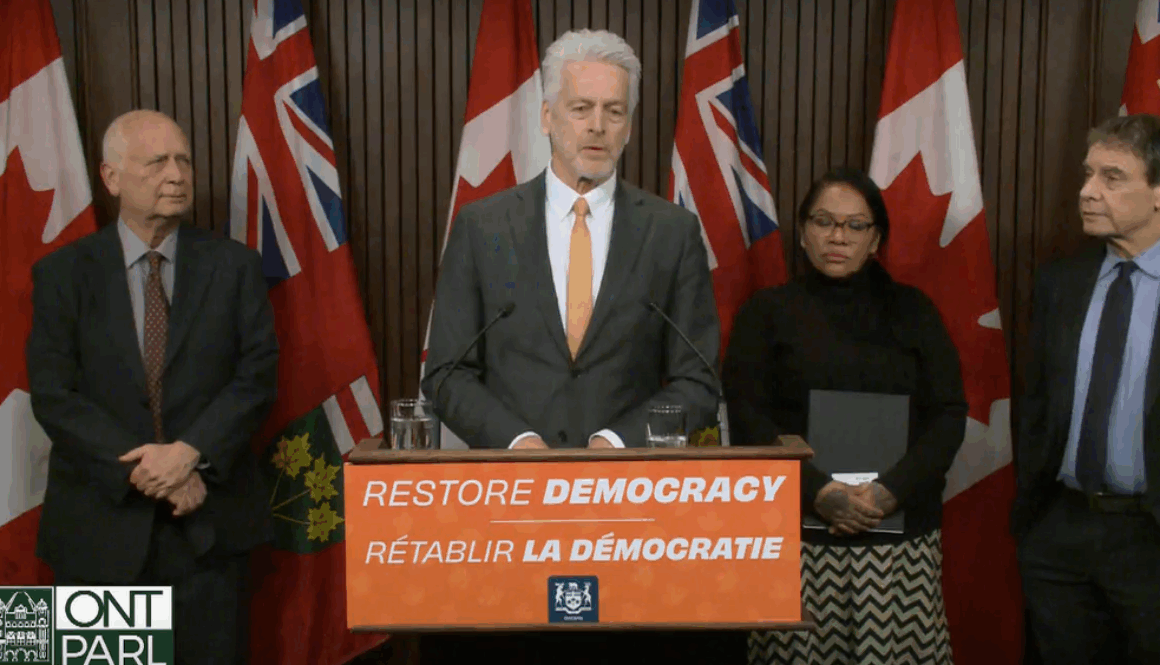
Democracy is at the heart of a Private Member’s Bill from an NDP member that was debated at Queen’s Park this week.
Chris Glover introduced the bill because of some of the actions taken by the Premier.
He sought a Commissioner of Democratic Rights to ensure government decisions do not overstep those rights.
“The Commissioner would be an independent officer of the legislature who would keep an eye on our democratic rights,” says Glover.
He says the Commissioner would also be a watchdog of elections and encourage greater participation.
Glover cites several examples of legislation and actions by the Premier that put democratic rights in jeopardy.
“He has invoked strong mayor powers, which allow the mayor and a third of city councillors to override decisions by two-thirds of city councillors,” says Glover.
“He has dismissed elected school trustees, and we have been electing school trustees in Ontario and before that in Upper Canada since 1816.”
He adds the Premier’s ability to declare special economic zones and override any provincial or municipal law, and his discussion of wanting Conservative judges also points to the need for a Commissioner of Democratic Rights.
The Progressive Conservatives used their majority to quash the bill.
More government services in the Thunder Bay District will be available in French.
The province says various government agencies, ministries and third-party service-providers are working on full implementation of French-language services.
The Thunder Bay District is one of six areas where services will be improved.
Minister of Francophone Affairs. Caroline Mulroney says the move is part of their commitment to improve access to services.
“The expansion of government services in French in six communities across Ontario will help thousands more Francophone residents access the services they need, in their language of choice,” states Mulroney in a release.
Last year, the Ministry gathered feedback on the proposal to expand six designated areas to reflect current municipal boundaries.
The Thunder Bay District is among the areas designated under the French Language Services Act.
Statistics Canada estimates about 12,000 Francophones living in the district.
Under the French Language Services Act, the Ontario government is required to offer provincial services in French in designated areas, where the majority of Ontario’s Francophone population lives.
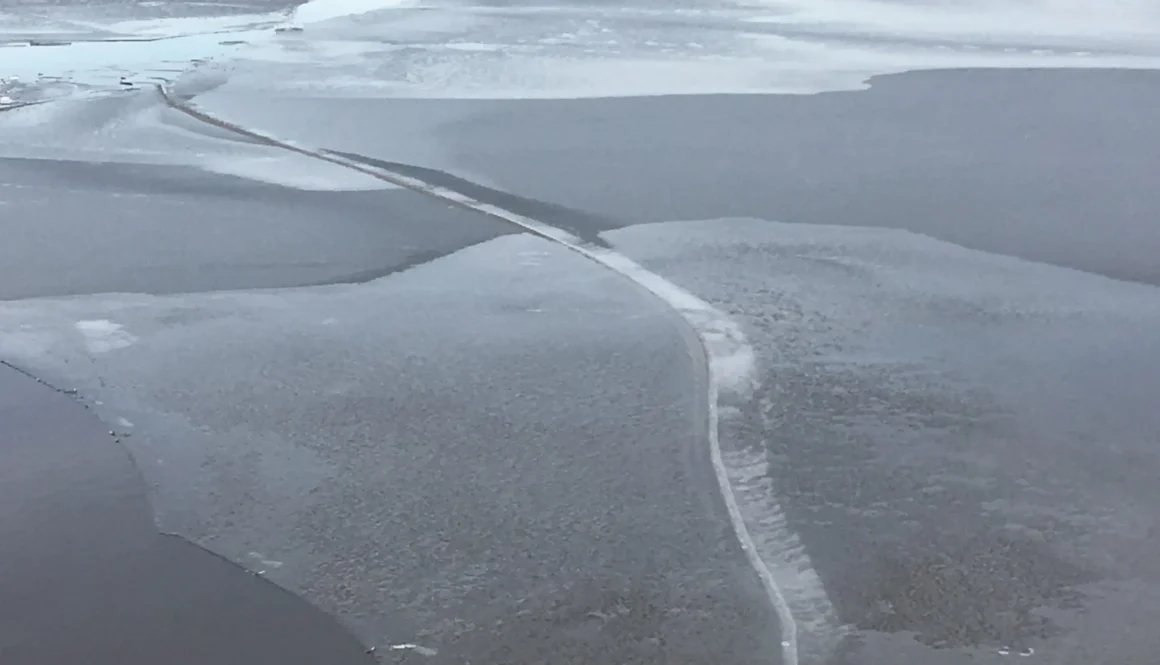
Temperatures have been below the freezing mark in recent days, but provincial police warn ice conditions on lakes and rivers may still be very thin and unpredictable.
They say there is a greater risk of breaking through at this time of the year.
Police advise checking conditions thoroughly before venturing on any ice.
They also encourage people to be prepared, including wearing appropriate clothing, checking weather conditions, and snowmobilers remaining on designated trails.
Other recommendations include;
· Avoid unfamiliar areas, particularly at night. · Check the weather and trail conditions before you leave. · Wear appropriate clothing to prevent hypothermia. · Ensure your cellphone is fully charged. · Consider downloading the what3words app. This app aids first responders in pinpointing your location if you need help. · Never go out alone. Always tell someone your planned destination and your expected time of return. · Do not drink alcohol or consume drugs while on snowmobiles or other motorized vehicles. Alcohol and drugs impair judgment and reduce your body’s ability to stay warm in cold conditions. · Carry safety equipment such as ice picks and throw ropes in case you find yourself in an unsafe situation. Response time from emergency personnel may be prolonged due to the weather conditions, and these tools can assist you while you wait for help to arrive. · Regularly inspect your snowmobile or other motorized vehicles to make sure they are in good mechanical condition. · Bring a first-aid kit and a survival kit.
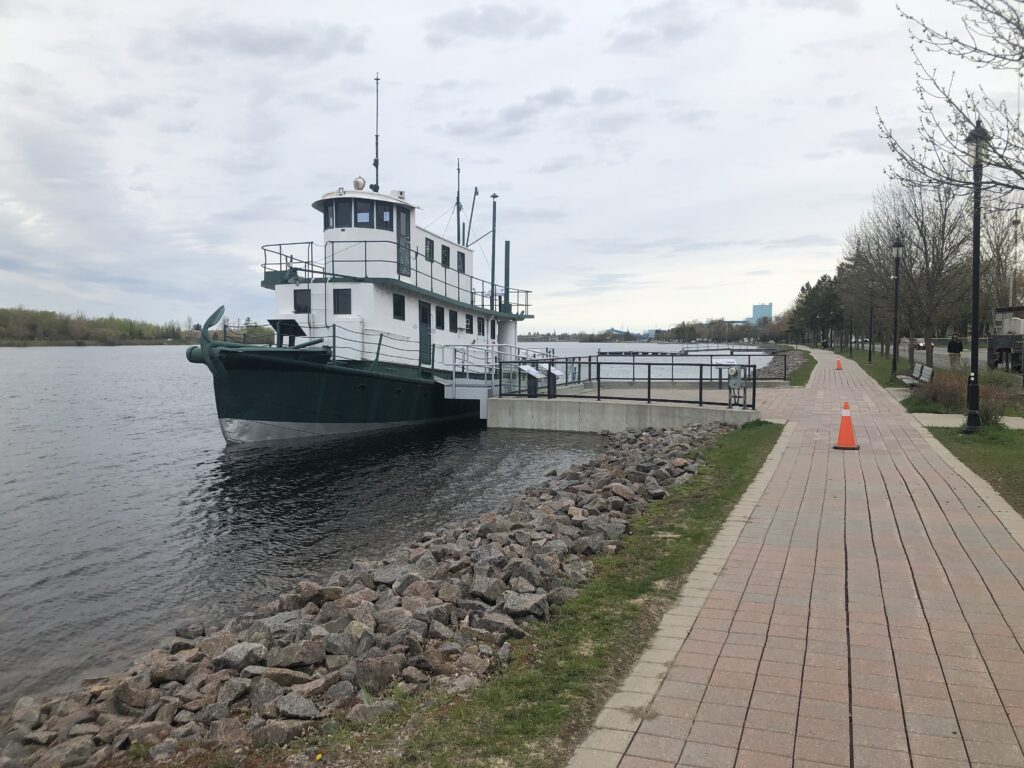
The town of Fort Frances will seek proposals that bring the Hallett back to its former resting spot.
It reverses a previous plan to have the historic logging vessel and the Owandem, another used on Rainy Lake, to be displayed along the waterfront.
Council opted for an alternative after a lone bid on the project came in at over $1.7 million.
Councillor Mike Behan is concerned with putting the Hallet back into the Rainy River.
The boat was removed in 2022 when rising waters caused it to lift out of an underwater cradle.
Behan says they could be facing the same thing in the future.
“I’ve never been in favor of putting it back in the water,” says Behan.
“I think we’re just asking for trouble again. I really fear that if we have another high water event, we’re going to have the same problem,” says Behan.
Hallett in its original resting post along the Fort Frances waterfront, June 2022. Image: Randy Thoms/Acadia Broadcasting
The return of the Hallett to the river is part of a three-part project.
According to a report from Administration, once the Hallett is placed, the town will turn its attention to the display of the Owandem on the waterfront.
The final part of the project is restoration work on the Hallett.
Operations and Facilities Manager Travis Rob admits that work will cost more if the vessel is in the water.
“We do have a provision in the option to put it back in the water for doing the hull,” says Rob.
“That way, we don’t have to lift it back out of the water to paint the whole vessel. However, sandblasting and painting the rest of the boat will require some pretty elaborate hoarding, particularly if it is back in the water.”
The first phase of the project will include assessing the current cribs and making any repairs if required.
The town received in March 2024 $442,368 from the Northern Ontario Heritage Fund for the project.
The town committed another $147,456 and has used $63,000 on the design of the previous proposal.
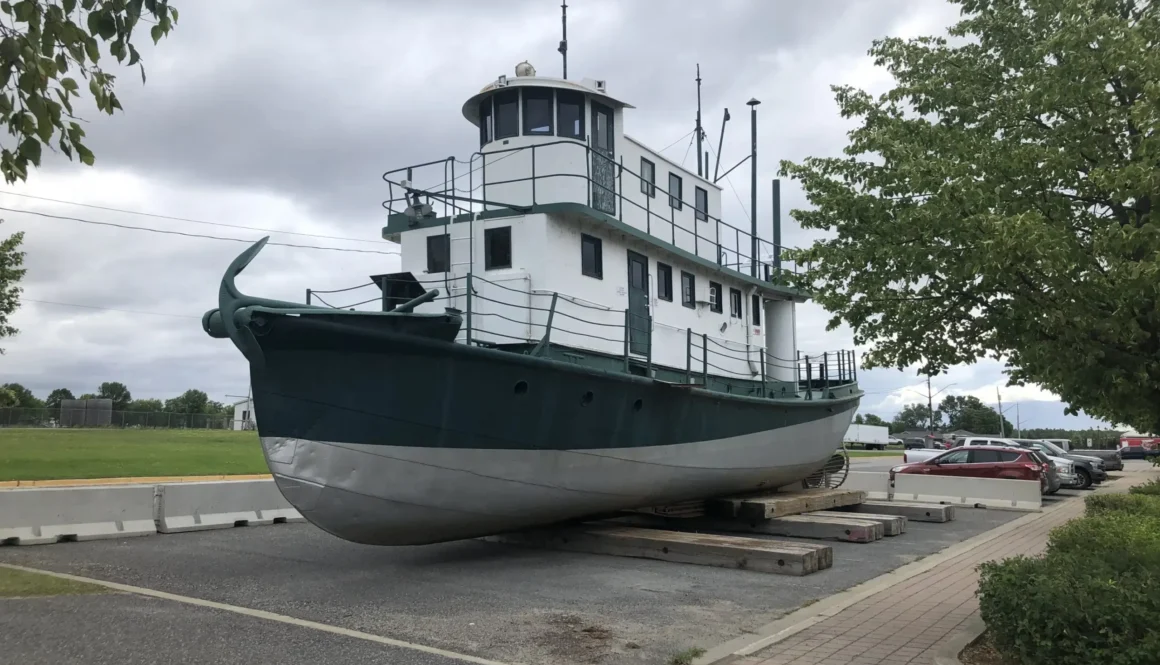
The Hallett has remained on blocks in the waterfront parking lot since 2022.
The Owandem is in storage in the public works yard.
The MPP for Kiiwetinoong says the Ford government is getting bad advice when it comes to the Ring of Fire.
Sol Mamakwa raised questions about the government’s interest in the Ontario Legislature this week.
His initial inquiry related to the cost of ads that promote the mining region.
When he failed to get an answer, he responded by saying the government’s approach does not trump First Nations rights.
“This government needs to understand. Your approach to Bill 5, your approach to Ring of Fire, and even these ads I talk about, do not trump the inherent rights of the First Nations that live on these homelands,” says Mamamkwa.
“This government’s approach will not work. Let me be very clear on that.”
Mamakwa says the government should stop its Ring of Fire advertising campaign, calling it misleading.
Energy and Mines Minister Stephen Lecce insists they are including First Nations in their decision-making.
He cited the legislation that aims to reduce the time it takes to get a mining project approved.
“We have made that a reality in partnership with First Nation communities because billions of dollars of investment, the improvement of quality of life, 10,000 jobs are on the line unless we work together as legislators to get minerals on the ground,” says Lecce.
The province recently signed agreements with three First Nations in proximity to the Ring of Fire that aim to build an all-weather road to the region.
Specialized transit services are being enhanced in parts of northwestern Ontario.
The federal government is doling out $1.5 million to five projects.
The bulk of the money is going to Lac Seul First Nation.
It will use more than $870,000 to purchase vehicles, bus shelters and other infrastructure to support a local transit service.
Naicatchewenin First Nation, north of Fort Frances, will use $153,883 to purchase a vehicle for community elders to access.
Gizhewaadiziwin Health Access Centre is getting $120,000 for a vehicle that supports the Gizhewaadiziwin Indigenous and Metis Transit Service.
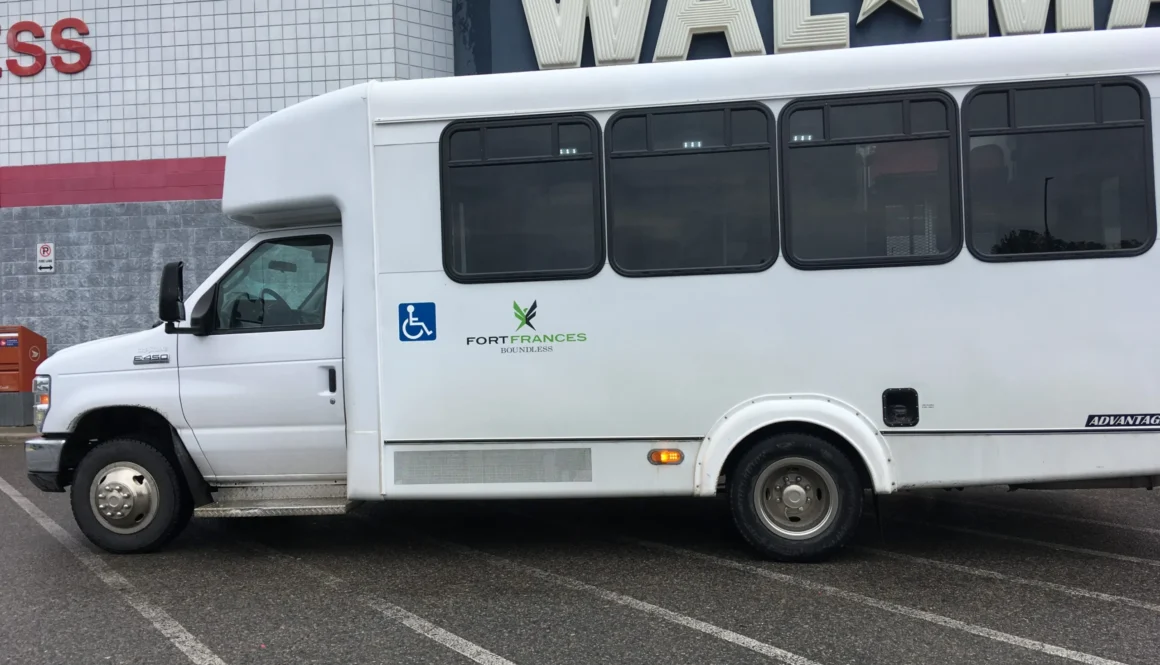
The accessible van will service the towns and Indigenous communities in the Rainy River District.
The Health Access Centre is contributing another $41,000 toward the purchase.
The Indian Youth Friendship Society is receiving $160,000 to purchase an accessible vehicle to be offered to Indigenous peoples living in Thunder Bay and surrounding rural areas.
Netmizaaggamig Nishnaabeg First Nation (Pic Mobert First Nation) is also purchasing an accessible vehicle with its federal grant of $183,993 as it establishes an on-demand transit system for the community east of White River.
The funding is provided through the Rural Transit Solutions Fund, which supports initiatives that enhance access to public transit in rural, remote, Indigenous and northern communities.