The Kenora Public Library is seeking another increase in its budget this year.
Last year the city provided the library over $764,000.
Chair of the board, Marj Curtis Poirier says the increase reflects some of their inflationary costs.
“There is a requested budget increase of 3.5 percent,” Curtis-Poirier told city council at its recent open meeting.
“This is mostly due to salaries, CPP, EI, benefits and cleaning costs.”
Curtis-Poirier adds that even though they are asking for the increase, they’ve managed to hold the line in other areas.
“For example, the book budgets for adult books and children’s books have remained unchanged from last year, yet there are always a variety of new books arriving at the library on a regular basis.”
She adds the province also provides a grant of $35,000, but that hasn’t changed in several years, despite increased inflation.
A shipping container filled with cannabis was stopped at the Port of Saint John in September.
A press release issued Friday by the Canada Border Services Agency said border services officers in Saint John received information from the agency’s export team in Halifax.
On Sept. 16, officers conducted an examination of a marine container destined for a business in the United Kingdom.
The contents of the shipment had been falsely declared as empty plastic bottles.
During their examination, officers found 16 large cardboard boxes filled with suspected cannabis.
In all, 399 packages of vacuum-sealed cannabis were seized, weighing 218 kilograms.
The cannabis and all evidence were transferred to the RCMP for further investigation.
Although legal in Canada, illicit cross-border movement of cannabis is a criminal offence, punishable by up to five years in prison under the Customs Act and up to 14 years under the Cannabis Act.
The opposition wants Ontario to be more prepared for extreme weather.
Environment Critic Peter Tabuns (TAB-in) is proposing a bill that requires the government to create a strategic action plan.
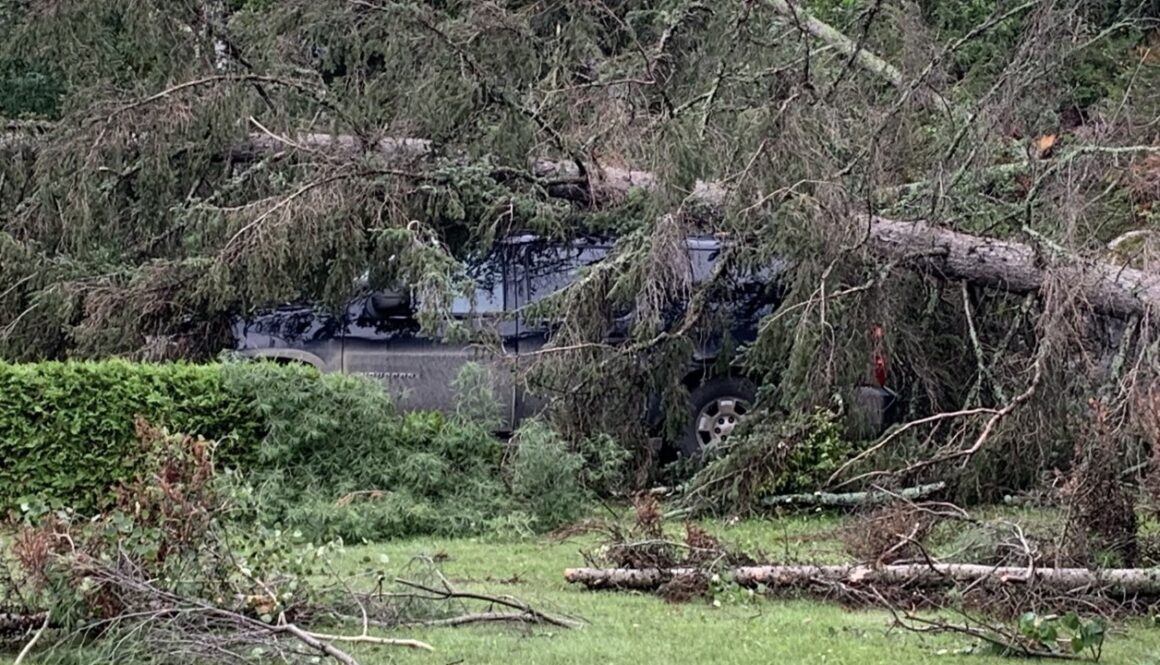
He says Ontario faces the threat of more climate-driven flooding, wildfires and windstorms.
He says weather-related incidents caused by climate change have already caused billions of dollars in damage and taken numerous lives.
Tabuns says the Ford government has yet to come forward with a robust plan to prepare for those disasters in the future.
“Our bill gives the government the powers, the funding bodies and the plans it needs to keep Ontario safe,” says Tabuns.
Tabuns says the bill is crafted from reports commissioned by the Ford government but has not reacted to.
In October, Ontario’s Auditor General reported that the province would not meet its 2030 emissions reduction target.
When a storm is coming, you don’t ignore it. You prepare for it,” says Tabuns.
Continuing to ignore the climate crisis will only put lives at risk. The time to act is now, not when floodwaters are smashing through the front door.”
The proposed bill included a dedicated fund to implement measures and an adaptation resource centre that would provide information and advice to government ministries, municipalities and the public.
It also promotes the need for a government adaptation secretariat to coordinate and assist with the implementation of climate action plans.
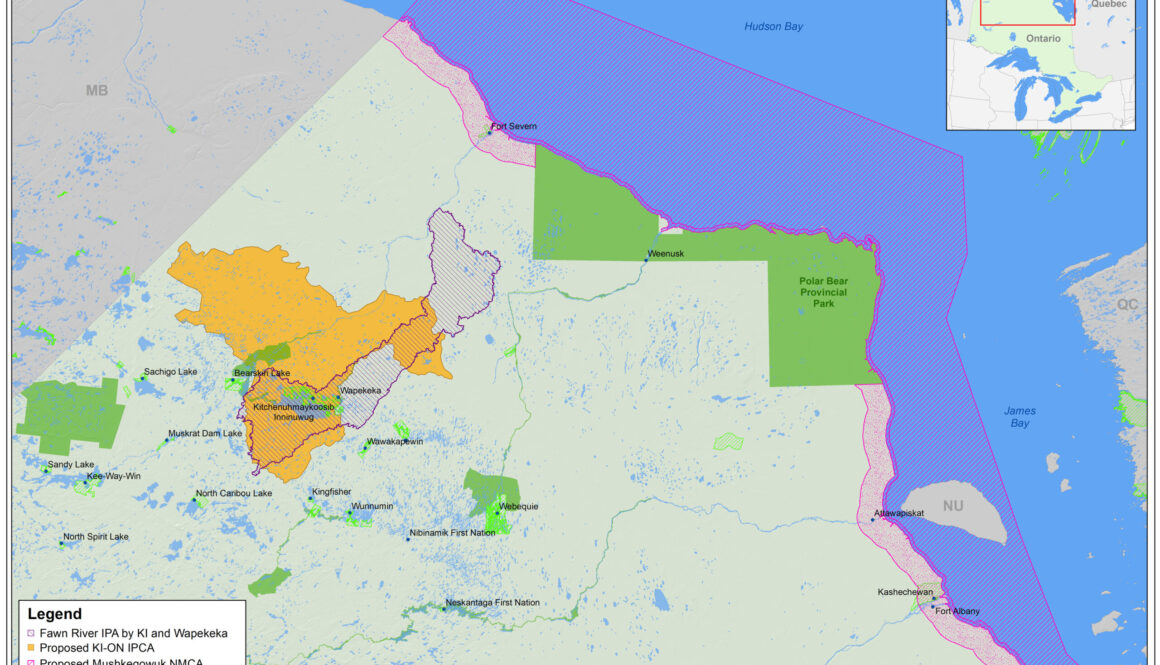
The Ford government is being asked to sit down with Kitchenuhmaykoosib Inninuwug Nation (KI) and Wapekeka First Nation on the protection of land near their communities.
The two remote communities are declaring 3 million hectares to be permanently protected.
Known as Anishininew Aki, it includes the KI land withdrawal area and the Fawn River Indigenous Protected Area that contain large swaths of intact boreal forest, wetlands, lakes and healthy rivers.
“This has been a long-standing issue for the community and community leadership,” says KI Chief Donny Morris
“When we say diplomatic, we’re serious about an honest dialogue with Ontario to move this forward toward permanent protection of the 3 million hectares.”
Seventy-seven percent of the land has already been withdrawn from mining as a result of a previously Liberal government decision.
Morris says further protection goes toward the fight against climate change.
“By safeguarding a watershed that provides clean drinking water for all life, habitat for the fish, water life and animals, food and travel ways for our people, moisture for the air and rich carbon peatlands our people refer to as the breathing lands,” says Morris.
The First Nations notes that Premier Doug Ford is signing several deals related to development.
“It’s time for the government to recognize the protection side of things. They have an obligation to work with First Nations on land protections,” says KI Deputy Chief Cecilia Begg.
Kiiwetinoong MPP Sol Mamakwa says declaring the homelands permanently protected, Kitchenuhmaykoosib Inninuwug and Wapekeka First Nation are asserting their Inherent Rights, Title and sovereignty to safeguard the ways of life, the land, and the well-being of all.
“I call on the Premier and his Government to engage in diplomatic talks with these nations and substantively support their conservation efforts,” says Mamakwa.
The Wildlife Conservation Society Canada says the area represents one of the world’s rare intact areas of boreal forest, peatlands and free-flowing rivers essential for species at risk.
Thirty-four drivers were ticketed during a distracted driving campaign in Saint John.
Police said the campaign ran from November 24 to 27 and focused on enforcing traffic laws and educating motorists about the dangers of distraction.
The Saint John Police Force said one suspended driver was given a court date and one vehicle was towed.
Transport Canada defines distracted driving as any time a driver’s attention is taken away from the road, such as texting, talking on the phone, eating, or using navigation systems.
The agency warns that even a brief distraction can impair performance and increase the risk of a collision.
Police said they will continue targeted traffic enforcement across the city.
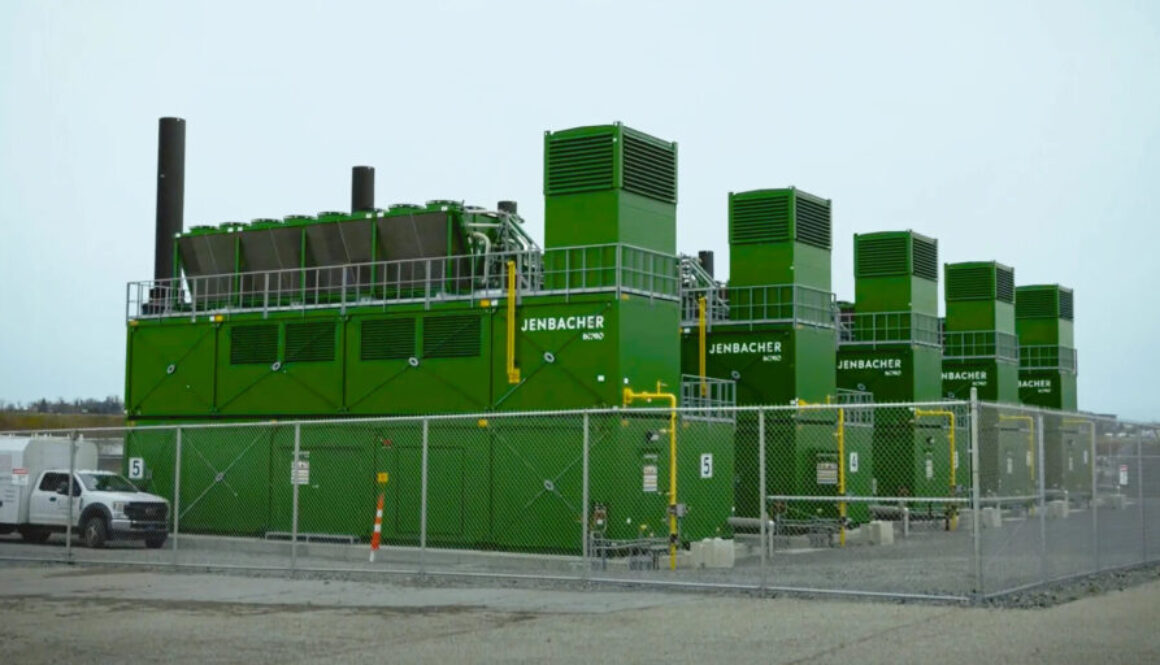
The project was set to cost $50-80 million to construct.
As a “peaking” plant, the facility would have only operated when the electrical grid was experiencing high usage.
Thunder Bay’s City Council was set to vote on the proposed plant at their final meeting of the year on December 2.
In a note to council, Versorium stated that they have been modifying their plant proposal to “fit within a smaller footprint,” which may impact the plant’s ability to sell its waste heat to Canada Malting.
The sale of waste heat for use in Canada Malting’s production process was initially advertised as a way to offset about one-sixth of the plant’s greenhouse gas emissions.
Emissions were a major concern at a Growth Standing Committee meeting in late October, where climate advocates criticized the plant as a violation of the city’s commitment to achieving a net-zero carbon footprint.
Versorium Energy Ltd. states that it still intends to produce a proposal for a peaker plant next year.
New Brunswick’s housing market set a record for new listings in October, giving buyers more choice as prices continued to climb.
The New Brunswick Real Estate Board said 1,345 homes were listed last month, the largest number ever recorded for October.
Active listings also rose to 3,516, the highest October total in more than five years.
Home sales held steady, with 909 properties sold. That was up 1.3 per cent from October 2024 and slightly above both the five‑ and 10‑year averages for the month.
So far this year, 8,345 homes have sold across the province, a 5 per cent increase compared with the same period in 2024.
Regionally, sales rose in Greater Moncton by 12.5 per cent and in Fredericton by 4.7 per cent.
They fell in Saint John by 4 per cent and in the Northern and Valley areas by 12.7 per cent.
The board explained that the benchmark price was $335,100 in October. That was up 5.2 per cent from a year earlier.
Single‑family homes averaged $336,200. Townhouse and row units dropped 14.7 per cent to $247,400, while apartments increased 1.1 per cent to $294,600.
The total value of all home sales in October was $309 million, up 5.6 per cent from the same month last year.
At the end of October, it would take about 3.9 months to sell all the current listings if sales continue at the same pace.
The board said that it remains below the long‑term average of 5.4 months for this time of year.
Ball hockey enthusiasts in Saint John will have a new place to play next spring.
A new facility is currently under construction in the McAllister Industrial Park in east Saint John.
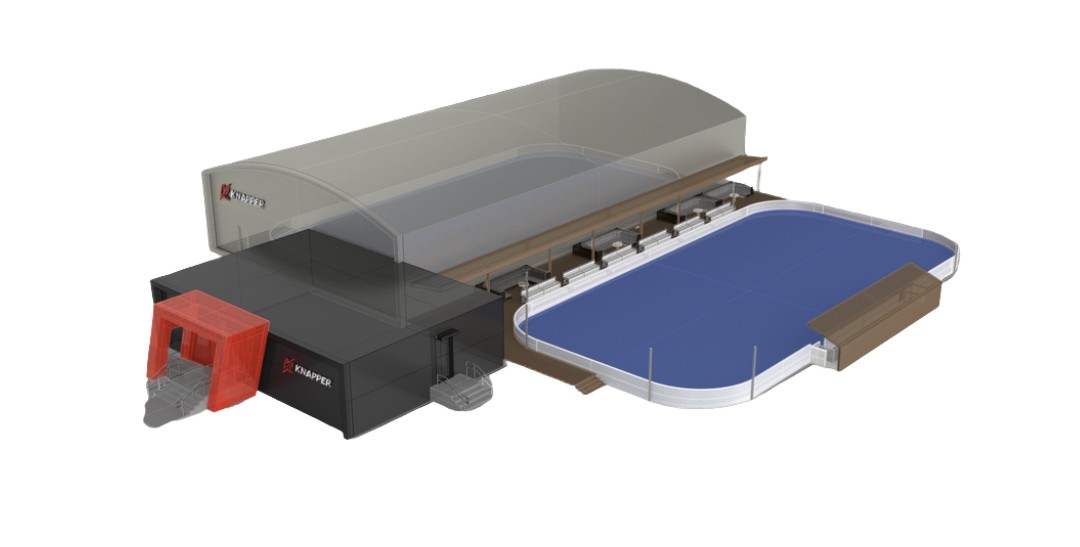
The Knapper Center will feature a pair of state-of-the-art playing surfaces for four-on-four ball hockey, one indoor and one outdoor.
The facility will also feature a small pub and spaces built to host leagues, tournaments, youth programs and community events.
Between 30 and 40 jobs are anticipated to be created to staff the facility.
Gary Crossman, a longtime part of Saint John’s ball hockey community, said it’s something special to seeing such an investment in the city.
“As someone who has dedicated years to hockey at the local, provincial, national, international level, today’s announcement has been something I’ve dreamt about for years,” Crossman said.
“This centre will become a place where kids discover the love of the game, where teams grow stronger and where players push themselves to next levels, performance and confidence.”
Crossman said the facility will enable Saint John to host high-level competition and strengthen the city’s reputation as a destination for the sport.
“This sends a clear message to the national and international ball hockey community,” he said. “Saint John is stepping forward, embracing the future and positioning itself as a leader in the sport.”
Mayor Donna Noade Reardon said the facility puts Saint John on the map for recreation and sports.
“It puts us on the map for tournaments,” she said. “It puts on the map for being a city that’s growing and that’s really changing.”
The mayor said in a time when people can work from home more than ever, it’s facilities like the Knapper Center that can entice people to move to a new community.
“It’s not just about the paycheque anymore,” she said. “This helps us to build that critical mass that will attract and keep our population here in Saint John.”
An artist’s rendering of the new Knapper Center in east Saint John. Image: Courtesy of Knapper
The project is coming together thanks to Knapper, a Canadian company that specializes in high-performance ball hockey equipment, sport innovation and facility management.
“Today is a big day for Knapper and a big day for the sport of ball hockey,” said Patrick Bazinet, president of Knapper Partners Investment Fund.
Bazinet said the company is fully dedicated to ball hockey and achieves that through two divisions.
The first is the design and manufacture of high-end ball hockey equipment.
“The second division is the Knapper Partners Investment Fund which builds and invests in sports facilities across Canada,” he said.
The Knapper Center will be the company’s first venture into Atlantic Canada.
“And it’s the first one that Knapper is building from the ground up,” Bazinet said.
A release from Knapper said the Saint John facility is the company’s most significant infrastructure investment to date.
They’re collaborating with local schools, community partners and tournament organizers to create long-term programming and new opportunities for youth, adults and high-performance players.
New Brunswick has added two judges to its provincial court and announced plans for the province’s first virtual bail hearings.
Justice Minister Robert McKee said that Rose Campbell of Fredericton will sit in Woodstock, while Marc Philippe Savoie of Dieppe will serve in Moncton.
“Making sure people have fair, reliable access to justice is one of the most important things a government can do,” McKee said in a government release.
“Becoming a judge is a real honour, but it also comes with big responsibilities. It takes not just legal skill, but good judgment, empathy and integrity.”
Campbell graduated from the University of New Brunswick with a Bachelor of Laws and later earned a master of Laws from Osgoode Hall Law School.
She was called to the bar in 2010 and worked for the Office of the Attorney General for 15 years, most recently with the constitutional law unit.
Savoie holds bachelor’s degrees in business administration and law from the Université de Moncton.
He was called to the bar in 2006 and spent nearly a decade with New Brunswick’s Crown Prosecutors’ Office before joining the Public Prosecution Service of Canada in 2017.
The appointments bring the number of full‑time provincial court judges to 28, including the chief judge and associate chief judge.
The court also has two supernumerary judges and eight per diem judges.
The province also announced Judge Karen Lee will preside over the new virtual bail court and serve as a travelling judge.
All applications for appointment to the provincial court are reviewed by judicial appointment advisors representing the bench, the bar and the public, according to the Department of Justice.
The process also includes interviews with a committee composed of the chief justice of New Brunswick, the chief judge or associate chief judge of the provincial court, and one of the advisors representing the public.