Furnace oil is up four cents a litre to a maximum of around $1.80
Diesel increased 8.7 cents to a max of around $1.91.
The cost for regular self-serve rose just 0.2 cents a litre to a maximum of around $ 1.54.
In Nova Scotia, regular self-serve ranges from $1.45 to $1.49 per litre, while diesel is selling for between $1.75 and $1.79 per litre.
On Prince Edward Island, the price for regular self-serve is around $1.47 per litre, diesel costs around $1.75 per litre, and home heating oil is selling for a maximum of $1.29 per litre.
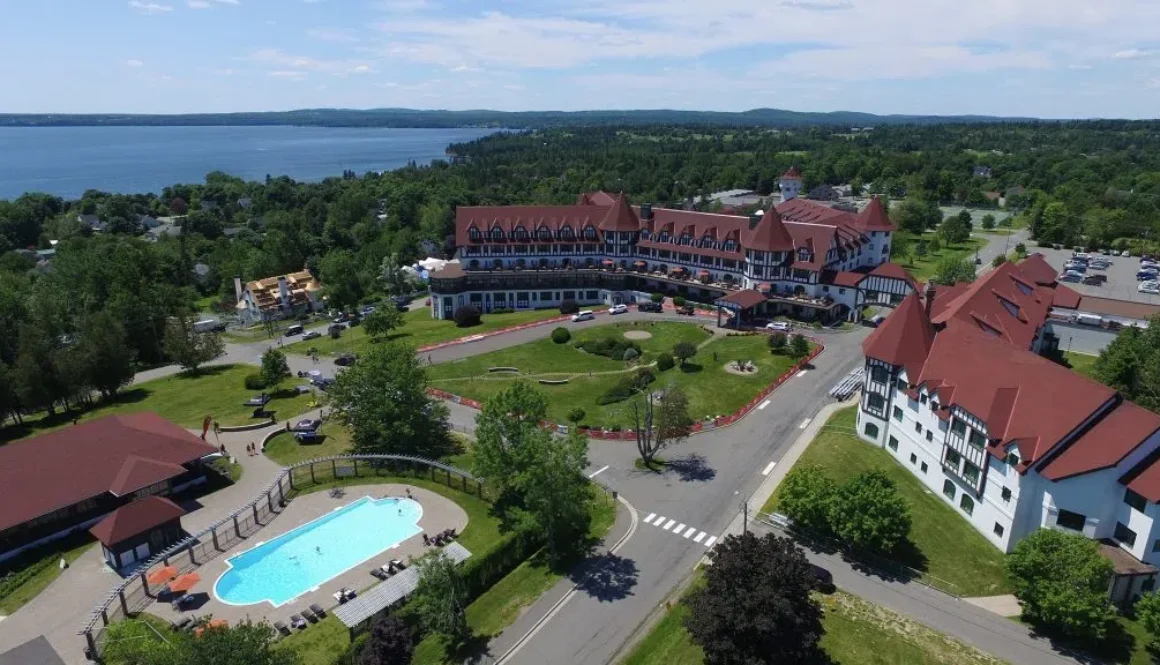
The Algonquin Resort in Saint Andrews is getting a makeover.
InnVest Hotels, the company that owns the historic resort, announced Thursday the beginning of a multimillion-dollar revitalization project.
“This revitalization is not just about refreshing a historic property,” InnVest president and CEO Lydia Chen said in a statement. “It’s about redefining the guest experience year-round.”
The project is expected to be completed in mid-2027, and will include renovations to all guest rooms, renewed public spaces, including the lobby and restaurants, and the debut of Usva by-the-Sea, a new Nordic thermal spa.
The redesign has been led by Canadian design agency mackaywong. Co-founder Gordon Mackay said in a statement he grew up dreaming of staying in a castle by the sea.
“It was incredibly important to us that we respect the cultural and natural history of the Algonquin Resort while crafting something that feels fresh, serene, and undeniably coastal,” he said.
New general manager Cole Sheridan said it’s an honour to lead the resort into a new chapter while preserving the spirit that’s defined it for generations.
“This transformation is a celebration of place, history, and a coastal lifestyle that’s both timeless and refined.”
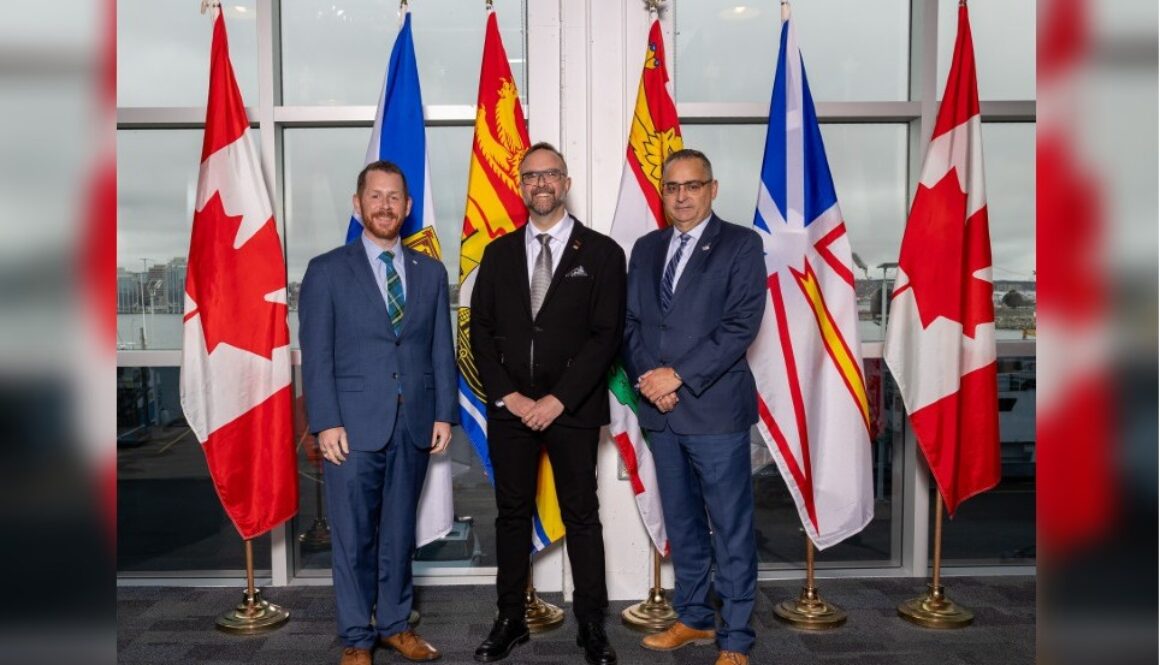
Regional collaboration was the topic of discussion as Atlantic Canada’s economic development ministers met Thursday.
The meeting was an opportunity for the group to affirm their commitment to collaboration between the four provinces and to identify joint priorities to strengthen Atlantic Canada’s economic future.
“Atlantic Canada has a long history of resilience and innovation,” said Nova Scotia Minister of Growth and Development Colton LeBlanc. “By working together, we can amplify our strengths and ensure our region is positioned for long-term success.”
Opportunities New Brunswick Minister Luke Randall said the region is strongest when the provinces work together.
“Today’s meeting reaffirmed our shared commitment to economic growth, supporting our businesses and communities, and ensuring Atlantic Canadians receive equitable access to federal programs and investments,” Randall said.
Ministers focused on a list of shared priorities during the meeting, including market diversification, infrastructure investment, innovation and productivity, and support for rural and Indigenous communities.
Under market diversification, priorities included expanding access to national and international markets for Atlantic businesses and reducing reliance on traditional trading partners.
Infrastructure investment included enhancing transportation, digital connectivity and energy infrastructure to support business growth. They also discussed community development and transformative projects across Atlantic Canada.
The innovation and productivity component included scaling up productivity across sectors like clean technology, ocean industries, natural resources development, defence and advanced manufacturing.
Committing to support for rural and Indigenous communities will ensure inclusive economic development that benefits all Atlantic Canadians.
The ministers highlighted their commitment to working together as a region and with the federal government to advocate for equitable access to federal funding and programs.
They emphasized Atlantic Canadians deserve their fair share of national investments and that regional collaboration is key to achieving this goal.
Nova Scotia hosted the inaugural meeting, with ministers agreeing to meeting regularly. Meeting will rotate through the four provinces, with the next planned for the spring in New Brunswick.
A First Nations Chief from the Kenora area has died.
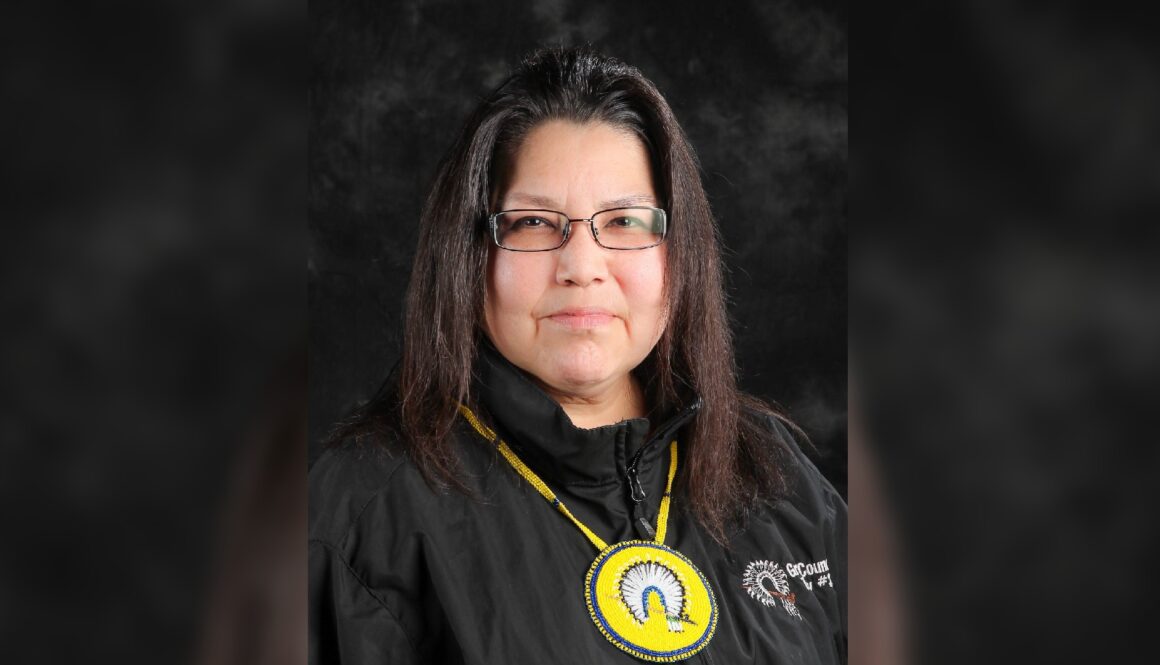
Grand Council Treaty #3 is announcing the death of Lorraine Cobiness. She was 52.
She was Chief of Niisaachewan Anishinaabe Nation, formerly Dalles First Nation.
She had won a ninth consecutive term just last year.
A release from Treaty 3 says she was a “true leader who led with kindness, love and compassion.
“Above all else, we honour the strong, kind, and wonderful person she was. We will remember her voice of wisdom, her caring heart, and her unwavering sense of bravery to stand up for what is right. We remember her as a friend and leader whose spirit will continue to guide us; we are honoured to live in her legacy,” the release states.
A wake service for Cobiness is planned for this Monday at the Dalles Community Hall, starting at 11 a.m.
Funeral services will be held the next day at Dalles Community Hall at 10 a.m.
Titan Contractors (Kenora) Ltd. and Superior Drilling & Blasting are doing intermittent blasting for underground utility installations between the Evergreen Community Centre and Ninth Street North.
It’s expected to continue for the rest of November.
Residents could experience loud and sudden blasting noises, as well as ground vibrations.
Three people are safe thanks to the quick actions of the City of Kenora Fire and Emergency Services.
Crews responded at around 4:20 am Thursday after reports of smoke coming from a home..
Firefighters rescued a child found at the entrance of the home. They also evacuated a resident in a wheelchair and a third person who was found in the room where the fire started.
One person suffered burns and was treated by paramedics.
The fire was contained to one room of the home.
The cause is under investigation, but it is not considered to be suspicious.
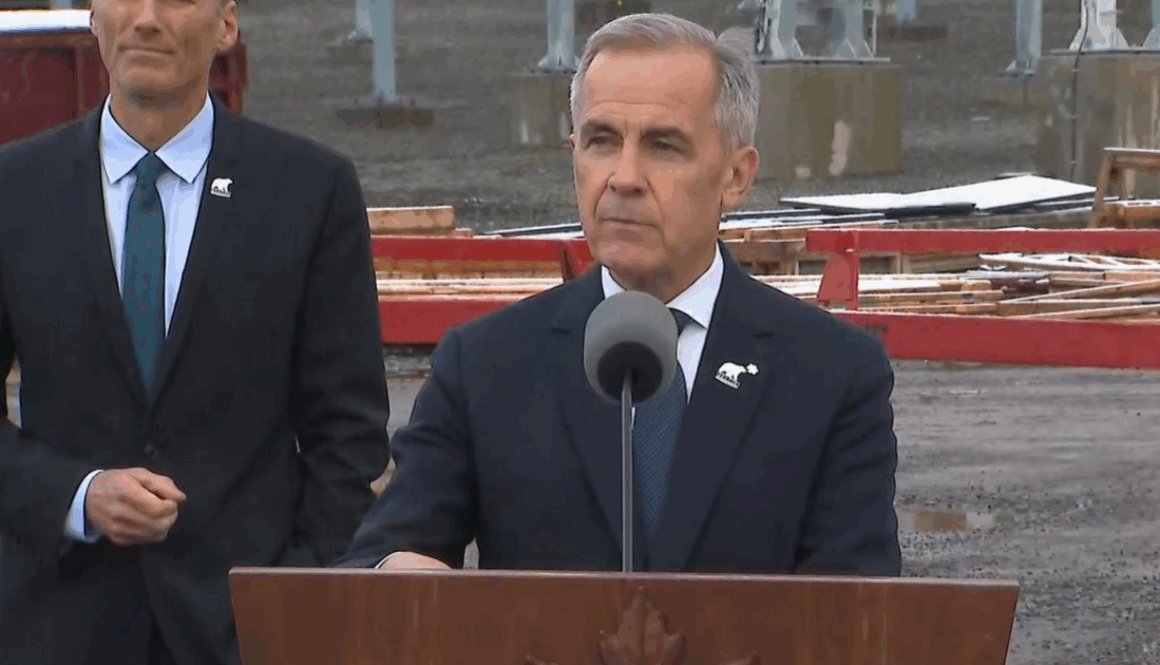
Three critical minerals mines and three energy projects are among a second round of projects to receive federal support.
All six are part of a second round of projects that Prime Minister Mark Carney is deeming nation-building and will be referred to the government’s Major Projects Office to help navigate the approval process and provide access to funding.
The three mines include Canada Nickel’s Crawford Project near Timmins that will produce high-quality, low-carbon nickel essential for batteries and green steel.
Nouveau Monde Graphite’s Matawinie Mine at Saint Michel des Saints, Québec is an open-pit mine, with its mineral important to military applications and battery supply chains.
Northcliff Resources’ Sisson Mine at Sisson Brook, New Brunswick, is a tungsten mine that is essential for steel production, defence, and industrial applications.
Carey is also approving the North Coast Transmission Line (NCTL) and Ksi Lisims LNG, two projects in British Columbia.
The transmission line intends to provide electricity to communities along the West Coast.
It will allow for new industrial projects, including the Ksi Lisims LNG facility and critical minerals developments in the Golden Triangle.
Ksi Lisims LNG intends to export lower-carbon LNG to markets in Asia.
The project includes an 800-kilometre Prince Rupert Gas Transmission Project to supply feed gas for liquefaction, and a 95-kilometre electrical transmission line to supply electricity to the facility.
Support is also being given to the Iqaluit Nukkiksautiit Hydro Project in Iqaluit, a 100% Inuit-owned hydro energy project intended to replace Iqaluit’s reliance on diesel-powered electricity.
Thunder Bay’s Chamber of Commerce and Community Economic Development Commission want to see Via Rail’s new rail cars being built in Canada.
The organizations have sent a joint letter to Prime Minister Mark Carney advocating for Canadian content in VIA Rail’s ongoing $3 billion rail car procurement.
The letter also highlights the potential economic benefits of awarding the contract to Alstom Canada’s Thunder Bay facility, which could generate hundreds of direct and indirect jobs, while revitalizing local manufacturing.
The organizations stressed that having the train cars built in Canada is the goal.
“At this point, it’s our understanding that there aren’t actually any Canadian content requirements in the procurement process,” explained Thunder Bay Chamber President Charla Robinson.
“We know that the federal government is in the process of developing a buy Canadian policy and legislation that would apply to these types of procurements moving forward, but that is not the law yet, and so we want to make sure that this project doesn’t get missed and that, even though the legislation isn’t in place, we want to make sure that those similar rules will be in in place for this Via Rail purchase.”
“We do not want that work to go out of country.”
Via Rail last awarded a contract to build new train cars in 2018 to Siemens, a subsidiary of a German company.
However, the train cars were built in the United States.
The United States has a Buy American requirement for buses, subways, and other mass transit projects.
It states that 70 per cent of the project, as well as final assembly, must occur in the U.S.
“Amid a damaging trade dispute with the United States and aggressive Buy American policies that exclude Canadian suppliers, ensuring high Canadian content in the VIA Rail contract is essential to protect Canadian jobs and strengthen domestic manufacturing,” added Robinson.
“That’s the message that we want to make sure that not only our elected officials get, but also the folks at Via Rail, this is not an ordinary time, and this would be very negative for there not to be a buy Canadian approach to this $3 billion of taxpayers’ money. I mean, that’s a lot of money.”
School boards in Ontario will have new offices intended to address parents’ concerns about their child’s education.
The Ministry of Education is calling them Student and Family Support Offices.
They are to be in place before the next school year.
A release says it is among the measures aimed at holding school boards more accountable.
“Better access for parents means better outcomes for students,” states Paul Calandra, Minister of Education, in a release.
“Student and Family Support Offices will give families clear answers and timely solutions when it comes to their child’s education. We’re going to continue overhauling an outdated school board governance model so that more resources go into classrooms, teachers have better support, and students have the best chance to succeed.”
All other school boards must submit a report by March 31, 2026, that outlines how they will establish an office by September 1, 2026.
The Ministry says each office will be led by a supervisory officer and be required to acknowledge an inquiry within two business days and respond to parents within five.
It says this will make the education system more responsive and accessible for families.
There is no indication of what funding or how much will be provided to school boards for the offices.
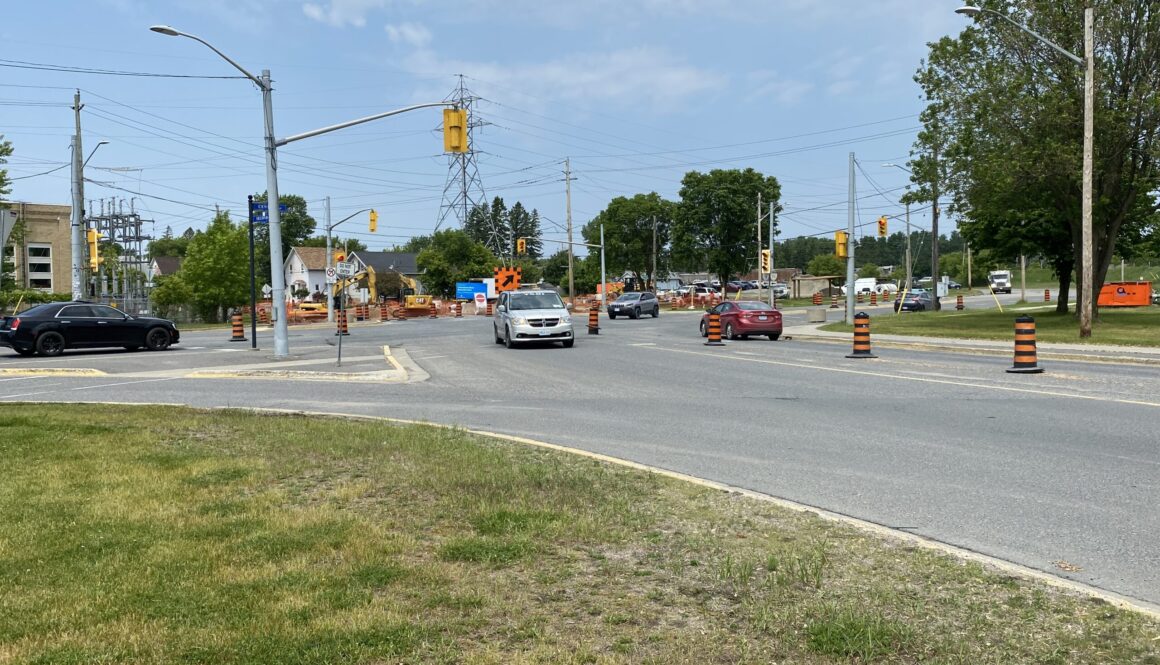
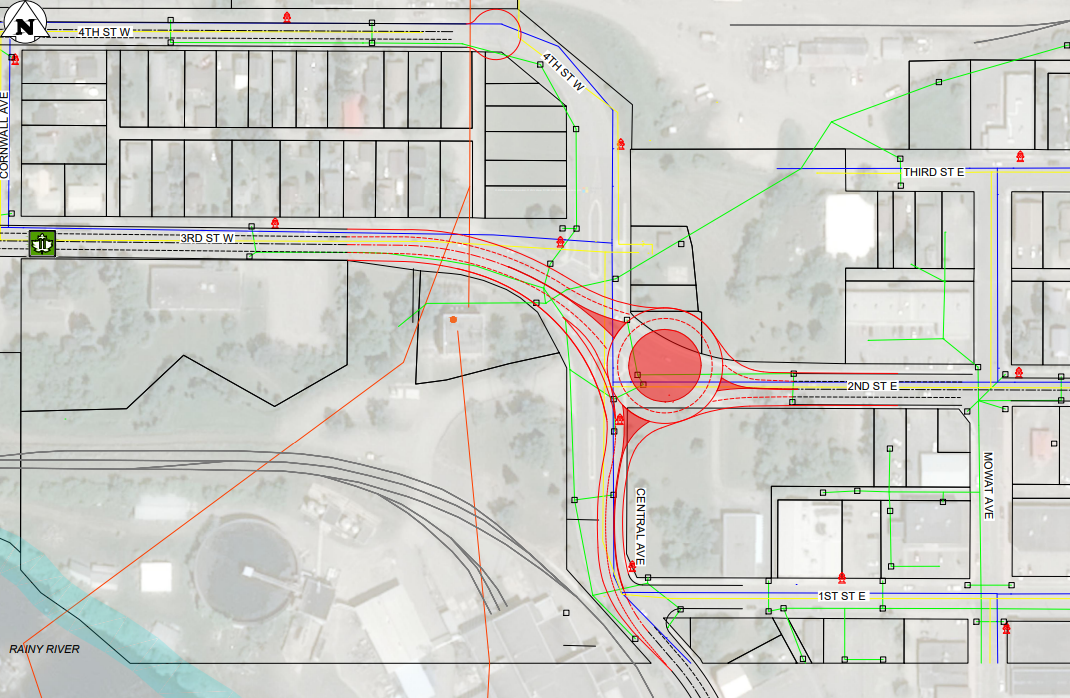
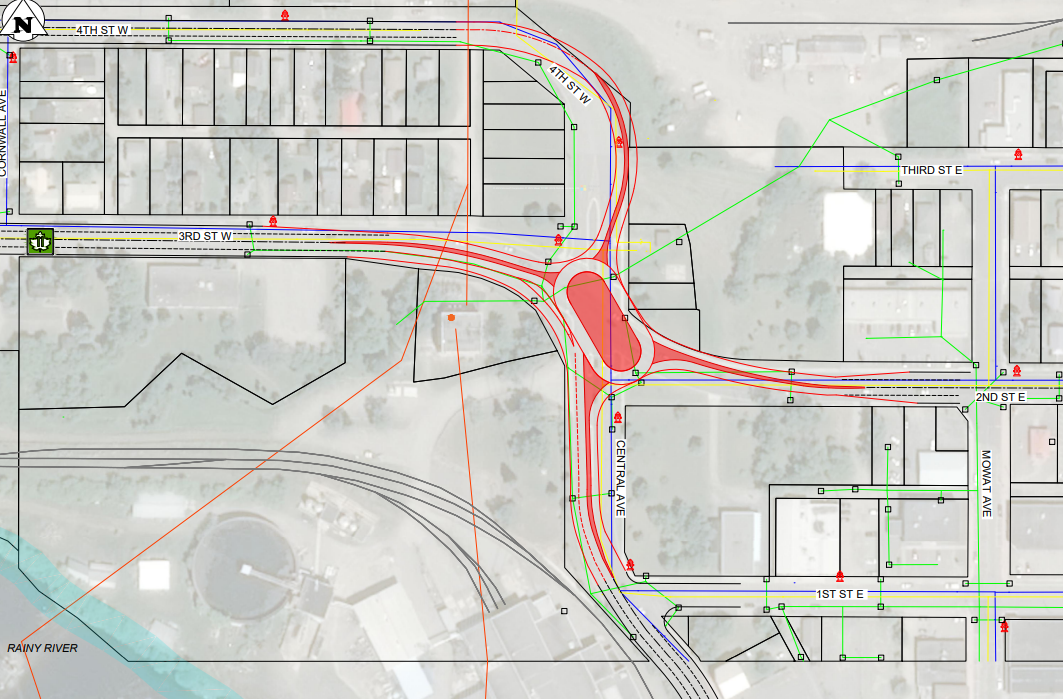
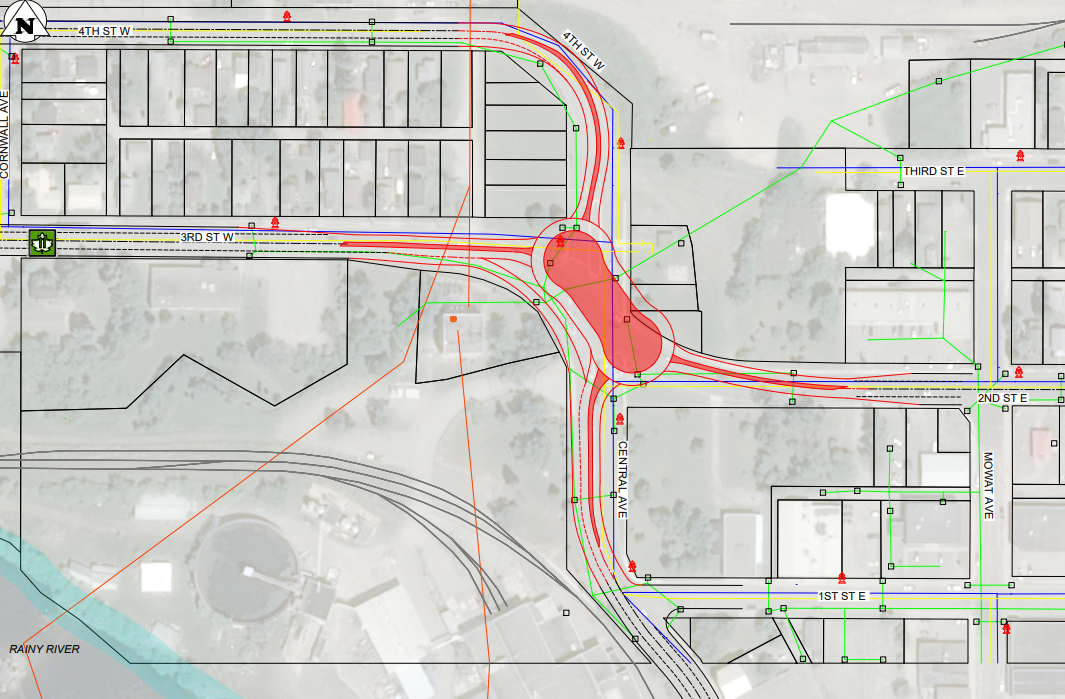
Fort Frances town council will move ahead with the design work on a proposed roundabout at the intersection of Central Avenue, Second and Third Streets.
An application is being forwarded to the provincial government to help offset the costs.
The decision reacts to a consultant’s report that recommends a roundabout.
The report says it is the most appropriate solution to address traffic flow and improve safety.
Construction costs could come as high as $4.7 million for a two-laned roundabout that would include an additional lane for lane for U.S. bound traffic.
The report notes that the town could spend up to $3 million to simply reconfigure the intersection and bring the existing traffic signals up to standard, but it would not provide the same benefits.
Operations and Facilities Manager Travis Rob says the decision to proceed will not be made until the design work is complete.
“Provided we are successful in our grant application, we will proceed with detailed design. A stage of that would be coming back with more refined design options and a decision on which design we’re going to go with,” says Rob.
The cost of a roundabout is concerning to some councillors.
Councillor Bill Morrison notes the figures identified in the consultant’s report are a lot higher than the estimates provided by Administration.
“When this was first brought to council, it was estimated, I believe you said, one to $2 million. It looks like to me, it’s gonna be like $5 million,” says Morrison.
“If it goes over, then all of a sudden the town’s gonna be on the hook. And what I can see here, if it’s up to $6 million, then all of a sudden we’re going to be able to look for an extra million in addition to our 10%.”
Councillor Steve Maki has similar concerns, noting that other projects have come in well over estimates.
“So $4.7 million could be five, six, $7 million,” says Maki.
“I think at this point, we as council should be deciding whether we even want to go ahead and spend the $50,000 on the engineering report when we know we’re going to be at $5 million or more.”
Rob says the design and engineering study will better determine what the final cost may be.
As the intersection is on a roadway that serves as a link to the provincial highway network, the province, through its Connecting Links program, will provide 90% funding for the studies and construction up to $5 million.
The town is budgeting $200,000 for the detailed design work.
The following are concepts of different versions of roundabouts offered by consultants and are not reflective of any final decision made by town council.