Families report decline in seniors as long-term care strike continues
A Cape Breton woman whose mother-in-law is in a nursing home says she is deeply concerned about the quality of care she is receiving as thousands of nurses hit the picket lines for their second week of strike action fighting for higher wages.
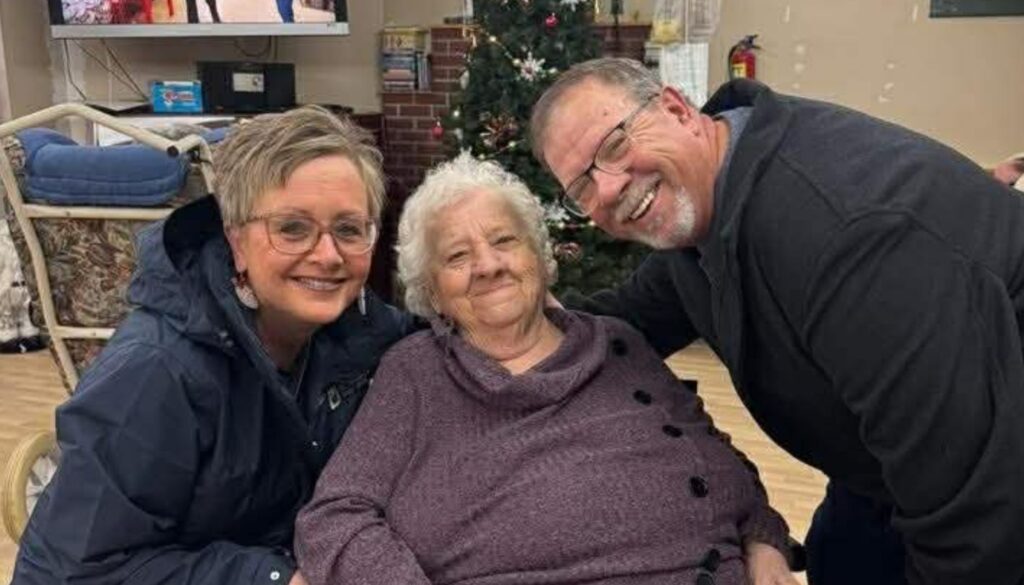
LeeAnne Marchand says Delores Marchand, 87, lives with Alzheimer’s disease and is being cared for at St. Anne Nursing Care Centre in Arichat.
Delores—affectionately known as Mary around the home—feels more like a mother than an in-law to her, so she has visited daily since the strike began to ensure Mary’s needs are being met.
Marchand says when she walked in on Monday the first thing she saw was her mom crying in pain.
“I was frantic. She needed to go to the washroom so desperately that she felt like she was going to vomit. So, I know that the quality of care is being affected,” Marchand says.
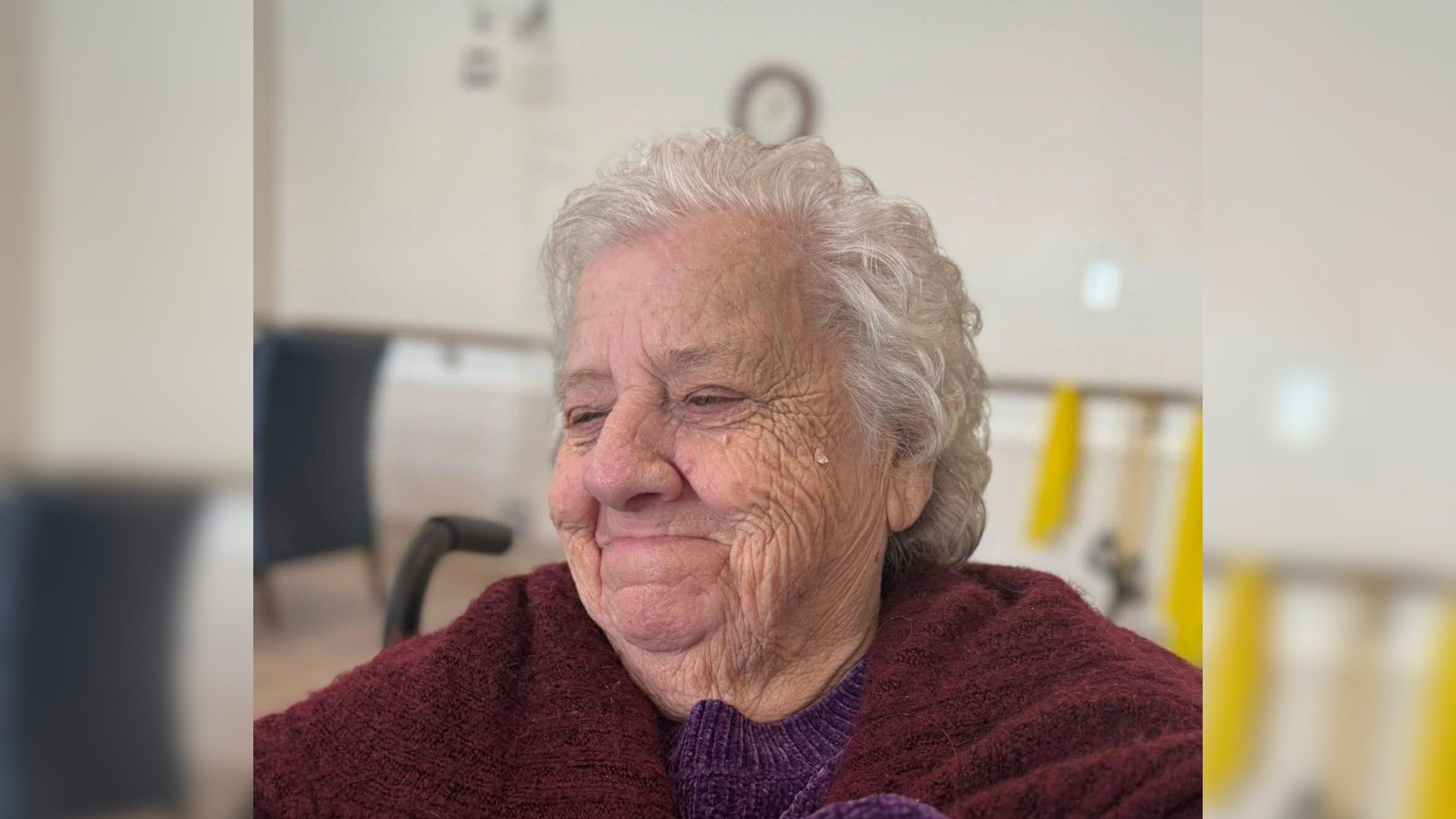
Although Marchand says no fault is laid on those in the building working hard to meet residents’ needs, the absence of familiar staff is taking a toll.
She says another resident who is a friend of Mary’s, also living with Alzheimer’s, is struggling without her favourite nurse.
“I was walking by, and she looked at me and she said, ‘I would be better off in the harbour across the road than I am here’, and that is devastating,” Marchand tells our newsroom, her voice pained.
Marchand says these workers act as emotional anchors whose absence has disrupted residents’ sense of stability.
“With Alzheimer’s there is a natural progression, but if they are not in familiar settings with familiar people in familiar routine than that can certainly cause the progression to escalate,” explains Marchand.
Meantime, in an interview with Acadia News, Seniors Minister Barb Adams says any disruption to care makes her very sad.
She says striking facilities meet with CUPE every day to make sure essential care is being met. They then touch base with her department.
“If family have any concerns about whether the care for their loved one is being met, I would encourage them to reach out to the facilities themselves,” says Adams. “If someone has concerns about the care their loved one is getting, that would be a concern for me.”
The strike began April 13.
-with files from Caitlin Snow