
More ticks in N.B., but expert says hot summer could bring brief relief
A warmer, drier summer may ease tick activity in New Brunswick, but ticks will remain active in spring and fall, says a Mount Allison University biology professor.
Vett Lloyd, who has studied ticks for more than 10 years, said milder winters and inconsistent weather in recent years have contributed to rising populations.
“The main thing is there are more ticks this year, and there is certainly plentiful this spring, we had a huge crop of them, and there will probably be another huge crop in the fall,” she added.
Ticks are parasites that feed on blood to reproduce; with a single full meal allowing female tick to produce 2,000 to 3,000 offspring. They often feed on wild animals that carry diseases, such as Lyme disease, and bacteria that can be transmitted to humans and pets through bites.
These diseases are known as zoonotic illnesses, some of which can be fatal if left untreated.
Lloyd said favourable spring weather boosted populations, particularly in southern and coastal areas near major rivers such as the St. John, Miramichi and Restigouche. She added that cases of anaplasmosis and babesiosis are also rising and can become serious quickly if untreated.
“Those are new diseases to us, just like COVID was a virus our bodies have never seen before and it hit hard,” she explained. “So, we are very vulnerable to those diseases and the more ticks we have the more exposure you are going to have.”
RELATED: N.B. woman raising tick awareness after Lyme disease diagnosis
RELATED: Blacklegged tick numbers rising in N.B., expert says
Snow cover also plays a key role, Lloyd said. Prolonged freezing can kill ticks, but shorter, inconsistent snowfalls can insulate them and help them survive.
“With the climate not only getting warmer, but more unstable, we’ll have boats of it being warmer,” she explained. “That’s actually perfect for the ticks, because they are protected by the snow during snowy bits and then it gets warm, they can get out and snatch a meal, and they go back to the ground when it gets colder again.”
However, a hot, dry summer could offer some temporary relief, as ticks tend to hide in soil during extreme heat, though they return in the fall.
“Ticks don’t like the heat, but it doesn’t kill them, they just hide from it in the soil,” she said. “That’s why the major tick seasons are in the spring and fall, it’s a little bit cooler and most importantly a little bit damper.”
How to protect yourself and your pets from ticks
To avoid tick bites, Lloyd encourages people to check eTick.ca, a website designed to identify tick species, monitor populations, and provide prevention tips and advice on what to do if bitten.
The website was developed by Bishop’s University with funding from the Public Health Agency of Canada and is monitored by researchers across the country.
It includes an interactive map where residents can check areas where ticks have been reported and prepare accordingly.
In addition to using eTick, Lloyd encourages people to use bug spray — preferably products that indicate they are effective against ticks.
She recommends to follow label instructions for application and reapplication, but noted that ticks are resilient, suggesting more frequent application where needed.
For those spending time outdoors, she recommends frequent tick checks during and after activities.
Before showering, she said, people should take the opportunity to check themselves in a mirror or ask someone for help.
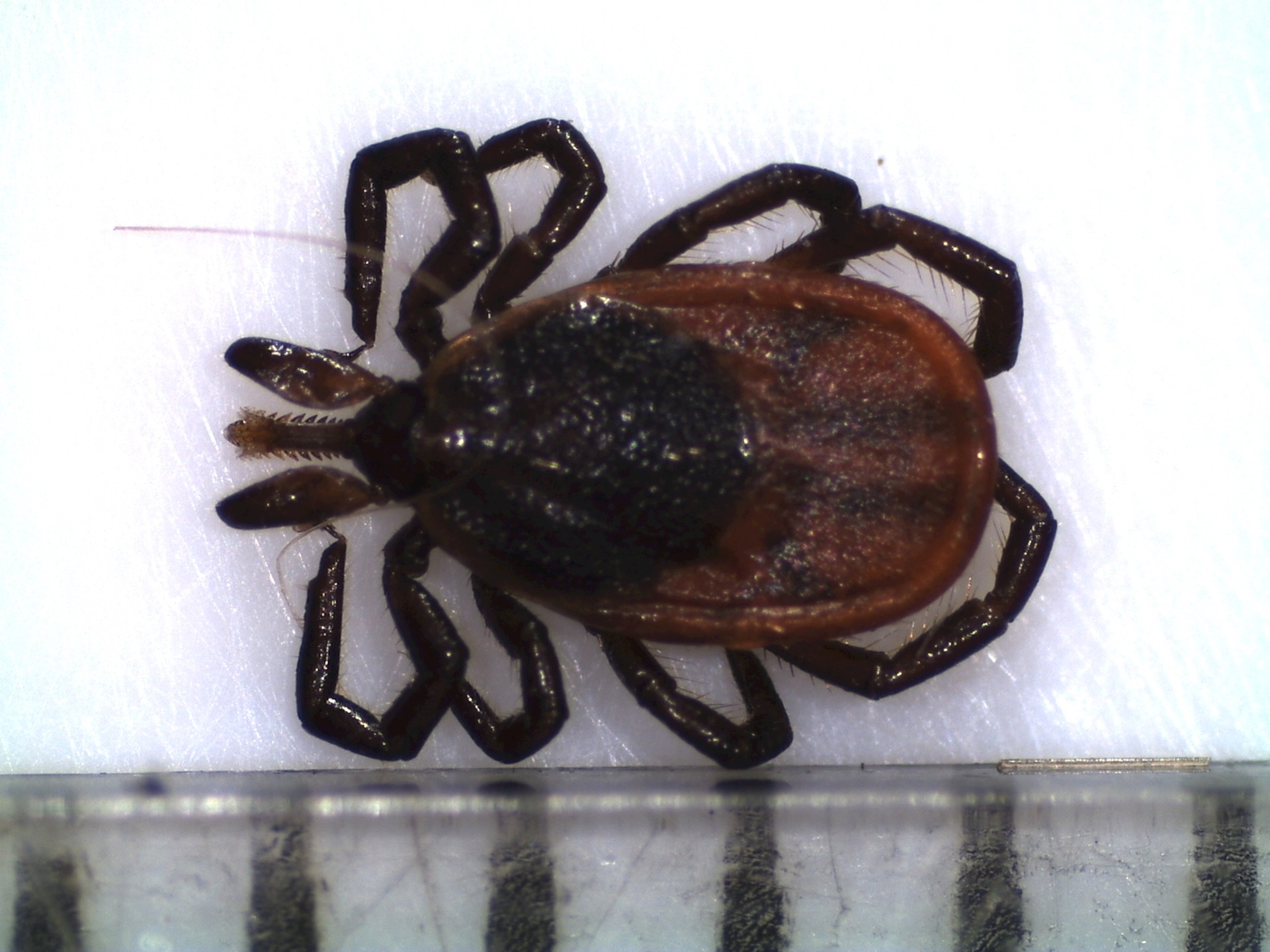
“You are looking for spots on your skin about a freckle size that were not there before. If those freckles have legs, that’s not good,” she said.
Ticks can be removed with tweezers or another tool. For those who work outdoors, permethrin-treated clothing can provide extra protection.
For pets, Lloyd recommends veterinary medication and Lyme disease vaccination.
“Nothing is 100 per cent, absolutely nothing, but the more things you do, the more protected your pets will be,” she said.
What to do if you are bitten by a tick
If you are bitten by a tick, Lloyd said the first step is to remove and kill it.
If there is concern about Lyme disease or other zoonotic illnesses, she said the tick can be identified by submitting a photo to eTick.ca.
Ticks can also be tested for diseases through Geneticks, a private Canadian company that offers testing for a fee.
Lloyd said the Research and Productivity Council lab in Fredericton also provides testing, though at a higher cost.
Pharmacists can also provide a preventive dose of antibiotics after high-risk bites, a service publicly funded since 2023.
People can bring the tick or a photo to a pharmacist, who may prescribe doxycycline depending on the risk.
Lloyd said the likelihood of infection increases the longer a tick remains attached.
“The sooner you get the tick off you, the less chance you have of getting that particular infection, because it can take time for the tick to give you the disease-causing microbe,” she said.
If a tick has been feeding for several days, a longer course of antibiotics may be required, but Lloyd added that early treatment is always beneficial.
Despite the risks, she said people should continue to enjoy the outdoors.
“We live in a beautiful place, so don’t let it stop you from going outside,” she said. “The ticks are not going anywhere. It’s up to us to get use to them, so spray bug spray and do your tick checks when you come in.”