N.B. farmers alliance ‘deeply dissatisfied’ with consultation on veterinary service changes
A group representing New Brunswick livestock farmers says it is “deeply dissatisfied” with how the provincial government consulted it on plans to end provincial veterinary services.
Following a May 1 meeting with Agriculture, Aquaculture and Fisheries Minister Pat Finnigan and Premier Susan Holt, the Agricultural Alliance of New Brunswick said it did not receive clear or transparent reasoning for the decision to phase out the services.
In a news release on May 6, the alliance said the department failed to seek “meaningful input” from its veterinary response committee and raised concerns about a feasibility study being conducted to determine the future of the services by a third party rather than through an internal review. It said the findings should be shared transparently with the committee and other stakeholders.
Since March, the alliance has called on the province to reverse its decision to phase out provincial veterinary and laboratory services and transition them to the private sector. The move was announced in the Holt government’s budget.
In a March 18 statement, Finnigan said New Brunswick is one of only two provinces still operating government-funded veterinary services. The statement said 54 per cent of services go to horses, 19 per cent to hobby farms and companion animals, and 27 per cent to commercial livestock, including dairy, beef and poultry.
The department said the services are costly to taxpayers and that shifting them to the private sector would allow clinics to provide more “responsive and flexible services,” while creating a “significant” opportunity for private-sector innovation.
After the meeting, the alliance said the province agreed to extend equine services to at least March 31, 2027 — three months longer than initially announced — and described the talks as “productive,” according to a Global News report.
RELATED: Local farmer disgusted by provincial vet services decision
RELATED: National farming organization denounces veterinary cuts
RELATED: SPCA concerned about cuts to N.B. veterinary services
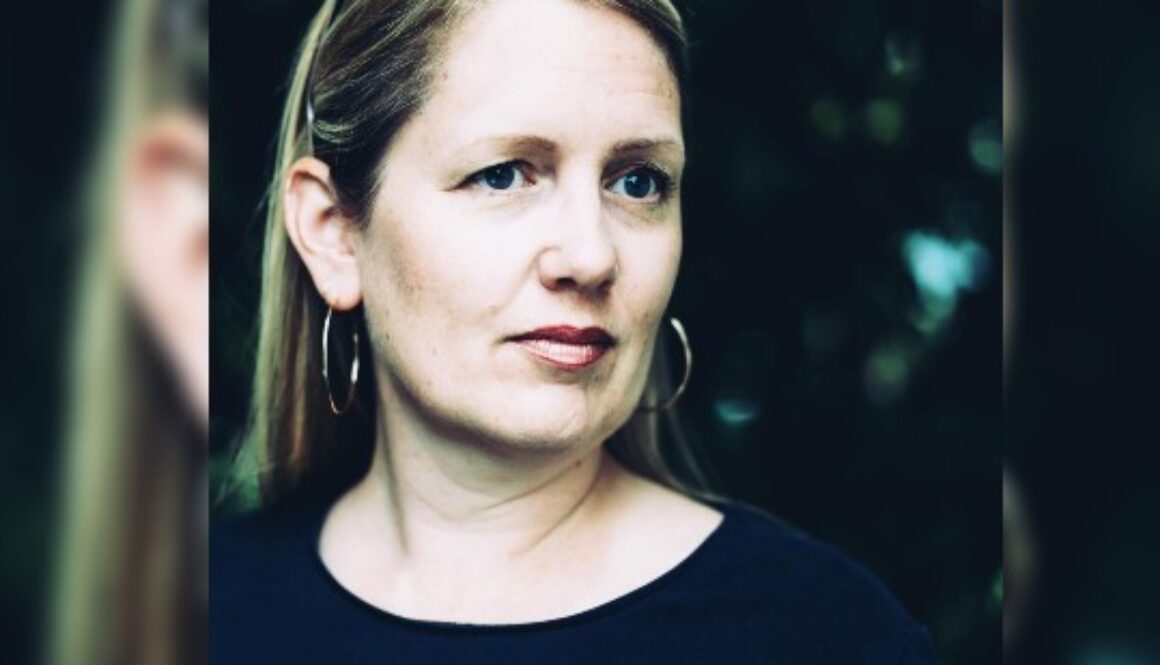
However, alliance president and sheep farmer Danielle Connell said the group later decided to change course after consulting with committee members and farmers in their communities.
“We feel is completely inappropriate for the department to look at the Agricultural Alliance and the veterinarians to develop the plan,” Connell said.
“This is not our mess to fix, so it’s very unfortunate to see government take such a major decision, with no plan in place, no contingency funds set aside to support the work that’s necessary.”
Connell said the government has told the alliance it has a plan, but the group has yet to see it. She warned that without one, New Brunswick could lose large-animal veterinarians to other provinces and compromise food and disease testing needed to ensure products are safe for consumption.
“There are check and balances to keep people safe,” she said. “This decision removes a lot of the check and balances and puts a lot of our safety in jeopardy.”
Connell said the alliance will not take part in proposed monthly meetings until the Department of Agriculture, Aquaculture and Fisheries answers its questions “honestly” and demonstrates it has a defined support plan for veterinarians transitioning to the private sector.
In an email to Acadia Broadcasting on Friday, Finnigan said he understands industry concerns and that the intent of the meetings was to provide updates and work with stakeholders to address them.
“Even though this group is withdrawing, as minister my door remains open during this transition,” he said.
The province said the transition to the private sector will take place over three years. It has outlined a three-phase plan, beginning with a feasibility study to inform future steps.
Phase two will determine the future of the provincial veterinary and foreign animal disease laboratories and will depend on maintaining services and all current accreditations, certifications and regulatory requirements.
Phase three includes ongoing support for underserved areas through a private veterinarian registry, livestock client support and monitoring to assess the program’s impact.
Connell said the alliance is not opposed to changes in the system. She said modernization would be good for the industry but said that the organization would have liked to be consulted before the province made any decisions.
“Just coming down with a fist and saying ‘this is how is going to be, it’s a done deal,’ that’s not the way to collaborate,” she said. “We need to feel like we are being actually consulted and need to feel that the department is doing the work.”