Clocks in Atikokan to remain unchanged
There appears to be little appetite in Atikokan to pursue a time change.
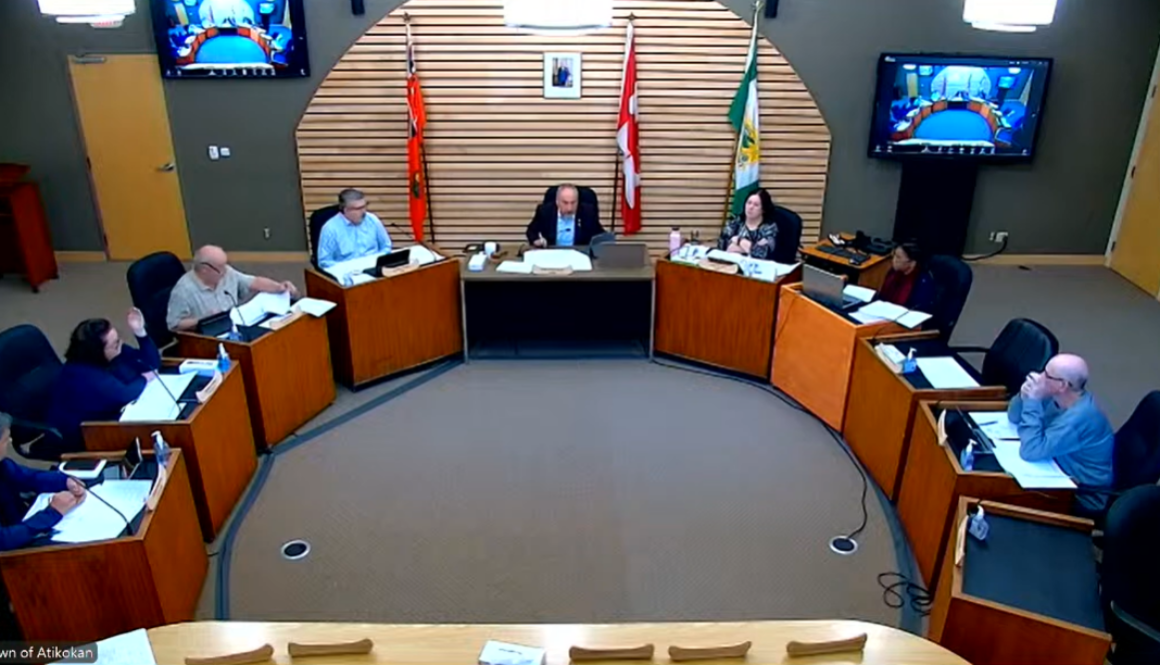
Councillor George Martin proposed earlier this year that Atikokan follow the same time as Thunder Bay year-round, instead of bouncing between the Eastern and Central time zones by the community not changing its clocks each spring and fall.
Administration looked into the steps necessary, which include public consultation and advocacy with the province.
It recommended council drop the matter because of the other issues impacting the town that were more pressing.
Mayor Rob Ferguson agrees.
He says it could have created confusion for residents who live just outside Atikokan’s boundaries.
“Are we going to be a different time than Sapawe half the year?, asks Ferguson.
“Are we going to be a different time than Perch Lake? There’s more to it. We’re Atikokan, and we don’t dictate what happens outside our municipalities. It’s a nice thing to throw out there, and it’s nice to get some publicity and talk about things. Let’s just move on to some more pressing.”
Atikokan council decided in 1954 to follow the same time as then-Port Arthur and Fort William to avoid confusion of mine and train operations in the shipping of ore.
When the mines closed, the community opted against having clocks changed in the spring and fall, leading to Atikokan being on Eastern time during the winter and Central time in the summer.
The Ontario Legislature supported legislation to do away with time changes a few years ago, but it was contingent upon Quebec and New York doing the same.
Atikokan is one of several communities in Canada that follows Daylight Saving Time year-round.
British Columbia recently enacted legislation to do the same.
Saskatchewan has not changed its clocks since 1966, when the province passed legislation to eliminate a patchwork of time zones caused by decisions that were previously left to the municipalities.