The provincial government says they are confident NSCC can still deliver quality classes despite recent cuts.
In the college’s latest budget, they revealed 91 jobs were cut, including about 45 layoffs, but no faculty jobs were hit.
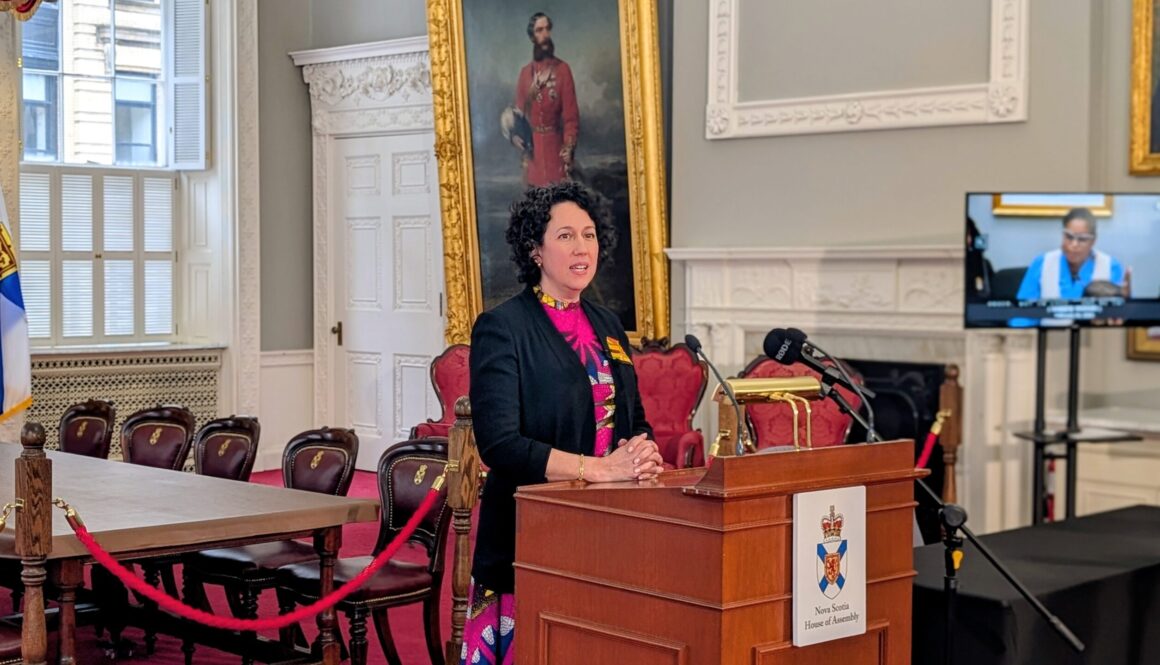
Speaking to reporters Thursday, Minister Nolan Young said it is a difficult time.
“Anytime there’s difficult staffing decisions, it’s a difficult time. My thoughts are with the employees. But when you look at the overall picture and stuff, there was zero reductions in the frontline delivery. We’re still investing in the things that we need. We’re still investing in the skills that Nova Scotia needs to continue to grow,” said Young.
The school’s funding was cut in the province’s recent budget.
When asked if the school would get hit with another funding cut next year, Young said he would not speculate.
Our newsroom has reached out to the college for specifics on what jobs are affected. So far, they said about 45 positions in management were laid off, most of those in the central Dartmouth location.
The budgets for the Municipality of Barrington have been approved.
In a news release, the municipality says total operating expenses landed at $12,226,088 including $2.4 million for policing and other protective services, $1.87 million for education and $1.66 million for solid waste collection and disposal.
The capital budget totals $3,156,000 with investments in recreation, wastewater, infrastructure and maintenance equipment.
Property tax rates have remained the same at $1.10 per $100 of assessment and the commercial rate at $2.61 per $100 of assessment.
Warden Shaun Hatfield says it’s important to maintain balance.
“Council remains mindful of the financial pressures facing our residents. Holding the tax rate steady provides stability, even as costs continue to rise,” says Hatfield. “At the same time, we are continuing to invest int he infrastructure and services that support our community now in and into the future.”
Strategic priorities and a “wide range” of projects, initiatives and funding requests were considered.
CAO Chris Frotten noted the significance of the document saying the budget is one of the most “important tools” they have as a municipality.
“Council and staff have worked hard to ensure we continue delivering the services residents depend on, while also making strategic investments to support the evolving needs of our community,” says Frotten.
Key projects ahead include completing the second phase of upgrades to the Brass Hill Treatment Plant, improvements at Stoney Island Beach and ongoing work at a Community Health Centre.
Additional investments include extending the sidewalk in Barrington Passage and upgrades to recreation facilities such as the curling rink and arena.
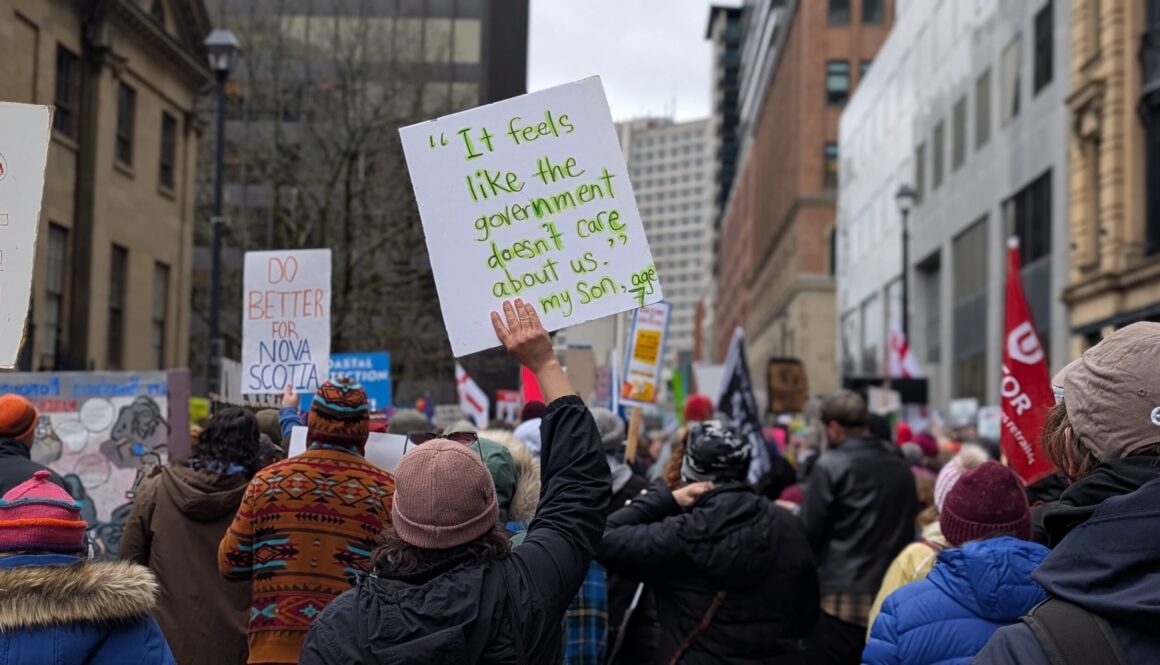
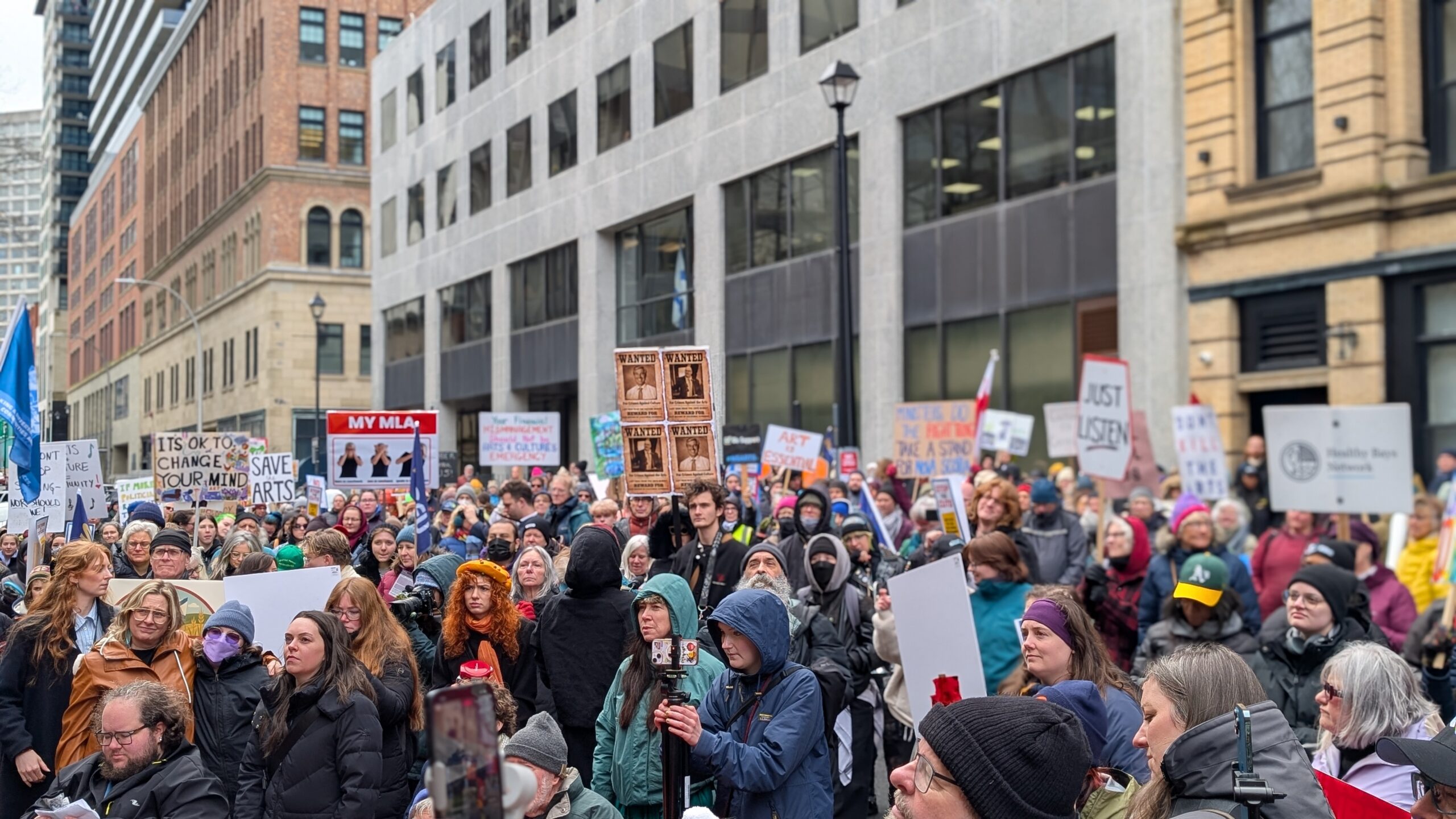
Another huge crowd gathered at a rally in Halifax on Friday afternoon.
It is in response to the spring budget that was tabled one month ago with $300 million worth of cuts to sectors such as arts and culture, tourism and disabilities.
There was singing, chanting and a slew of speakers including writer and activist Angela Bowden who said we need to stick together.
“We have so much work to do and we will do it together because the people united will never be divided,” said Bowden as the crowd started to chant with her.
Writer and activist Angela Bowden speaks to a crowd in Halifax. PHOTO: NATALIE CHAISSON/ACADIA BROADCASTING
The spring budget originally had $300 million worth of cuts.
Chris O’Neil with the Nova Scotia Arts Coalition said although they had wind of the cuts a few days before, when the budget got tabled, it was really shocking.
“It literally took all of us about a week to really go through everything and figure out all of the impacts,” said O’Neil.
She said she met with Finance Minister John Lohr a few days later on the matter.
“We said, ‘John, what were you thinking? And he couldn’t really give us an answer. Which is what we’ve seen over and over again with all of the MLA’s,'” explained O’Neil.
Protestors gathered outside Province House in Halifax. PHOTO: NATALIE CHAISSON/ACADIA BROADCASTING
However, O’Neil said there are still issues that affect the Mi’kmaw and African Nova Scotian communities.
“It’s an unprecedented number of people who have actually spoken. Not just people who actually live and work this stuff all the time, but ordinary Nova Scotians who come from all walks of life,” added O’Neil.
It was Tuesday evening when MLA’s were finishing the debate when the public observing, broke out into song to urge the government to change its mind. This caused legislature to be delayed until the next day and banned the public from the House.
O’Neil said this created a bizarre narrative.
“I mean literally people were singing, ‘it’s okay to change your mind’, and part of the reason they did that is because the politicians are not meeting with us,” says O’Neil. “At a certain point, we exhaust our options.”
She says there is a big difference between safety and comfort, and she feels the singing just made them uncomfortable.
“[It] was not threatening at all. It was super joyful.”
O’Neil said they are tired though.
“We are exhausted. We have been fighting this using every tool we can possibly find,” explains O’Neil. “There’s such a profound lack of interest in the government right now to hear our voices. So, our voices have to get a little louder. And we’re going to just keep going.”
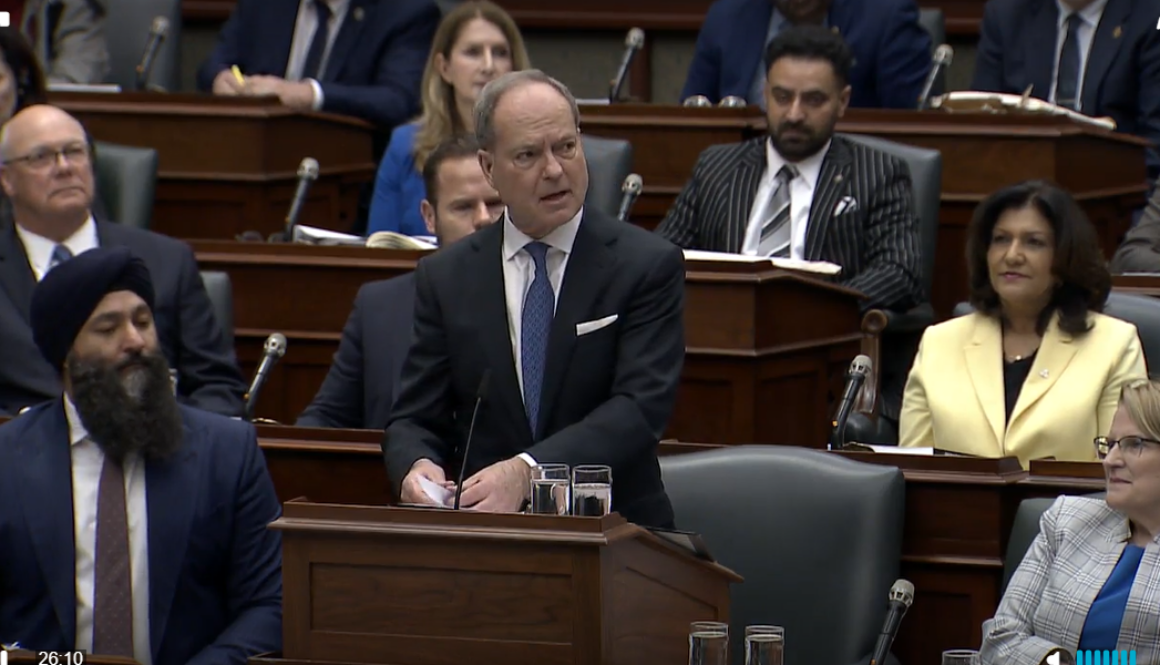
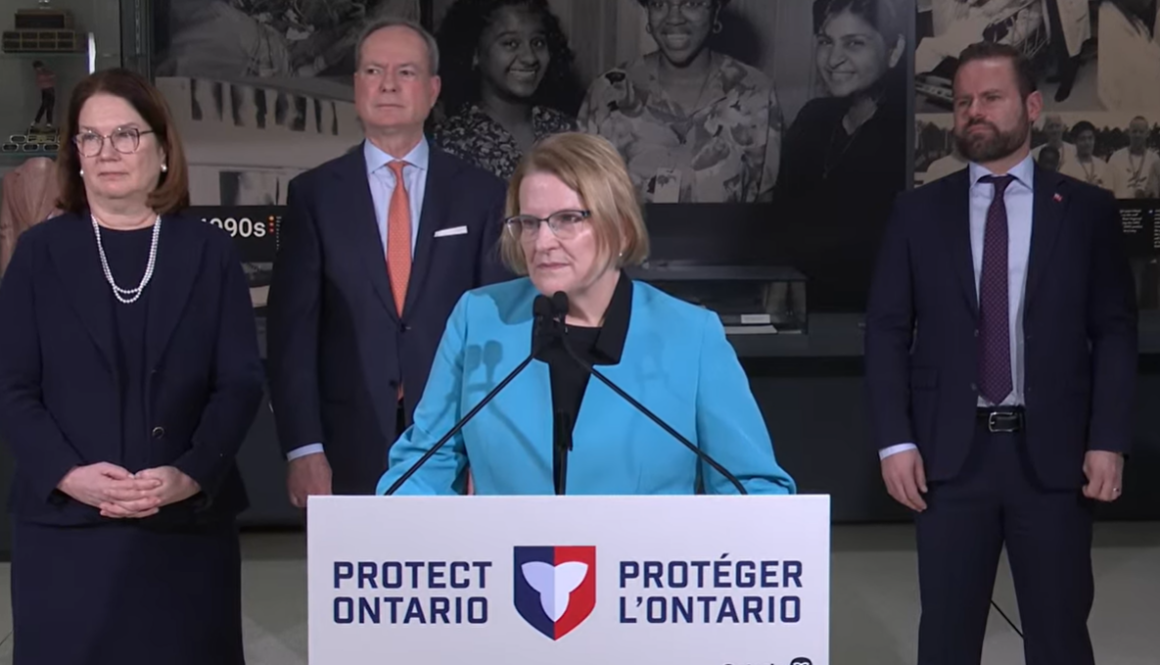
Finance Minister Peter Bethlenfalvy tabled the 2026 budget at Queen’s Park on Thursday afternoon, which calls for $244 billion in spending over the next year.
“Ontario is navigating economic challenges with a pragmatic and prudent fiscal plan,” says Bethlenfalvy.
“To help the province navigate these times and come out stronger, we are investing in strategic priorities such as energy, critical minerals, key infrastructure and critical technologies that will make our economy stronger, while cutting red tape and creating the conditions for businesses to grow, supporting workers and strengthening Ontario’s economy.”
The budget includes a new investment fund to attract investment from pension funds and other private capital.
The province is giving the fund a $4 billion kick-start.
To spur investment among the business community, the province intends to allow businesses to accelerate the income tax deduction for the cost of depreciable assets, keeping in line with changes announced at the federal level.
Small businesses will get a tax break, starting on July 1st.
The small business corporate income tax rate is being lowered by a full percent to 2.2%.
This is an additional $1.1 billion for home and community care, with a similar amount for hospitals.
Education also sees a slight increase in funding from the previous year.
The province is also prepared to increase funding for autism services to nearly $1 billion, which it says will allow more children and youth to access core clinical services.
The increased spending will result in the deficit reaching $13.8 billion over the next year.
Last year’s budget forecast a surplus by 2028.
This budget pushes that outlook ahead another year, with a modest surplus of about $600 million.
Bethlenfalvy says while other provinces and the federal government have opted for funding cuts, reduced the civil service or increased taxes, Ontario has opted for a plan that increases competitiveness and spurs investment and job creation.
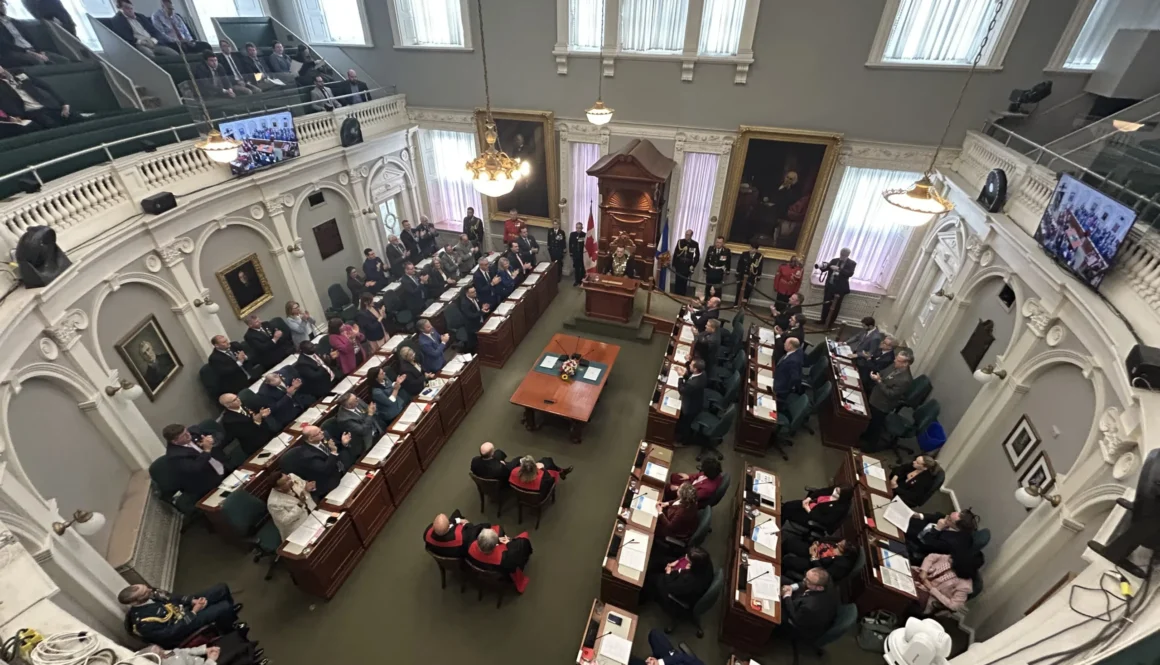
The province tried to vote on their budget in the legislature, but they were stopped by some protesters singing in the gallery near midnight on Tuesday.
House speaker Danielle Barkhouse tried calling for order several times as they sang.
The protesters repeated the phrase, “It’s okay to change your mind, show us your courage, leave this behind.”
“It’s okay to change your mind. You can join us, join us any time.”
In the initial proposed budget, they slashed $300 million in funding from several sectors, including arts, culture, tourism, secondary education, and disability and senior supports. But they promised to reinstate $53.6 million of those cuts to help African Nova Scotian and Indigenous students, as well as disabled people and seniors.
After several minutes of singing, Barkhouse adjourned the house until 1 p.m. Wednesday.
The NDP says the province needs to pause the whole budget process and go back to the drawing board.
After backlash from the public, the government brought some funding back for seniors, people with disabilities, African Nova Scotians and Indigenous students, but they kept a lot of the cuts to the arts, culture and tourism sectors.
NDP leader Claudia Chender says it is clear they did not do any economic analysis.
“But instead of a kind of piecemeal save our political skin approach, what we’re asking this government to do is to actually do the work to understand the impact,” says Chender.
The budget has not passed yet, and she says the government has made amendments to bills at the legislature before.
But she does not want them to make a quick change. The government should take time to properly understand what impact the cuts will have.
Chender voiced similar concerns to an economics professor and political science professor told our newsroom recently, including that it seems like many government cabinet ministers were not sure why certain cuts were made. For more on that story, click here.
She says tourism is a very important industry in Nova Scotia, and those cuts threaten jobs without replacing them.
One of her other proposed solutions would be to create a new Legislative Budget Officer, who would “assess all risks of government spending,” according to a news release from the party. They tabled a bill in the house for that, as well.
They also have a bill that would force the province to table at the legislature any spending that falls outside of the budget. Chender says that would bring more accountability to what the government does with public money.
The provincial government is pre-releasing some of the items to be announced in next week’s budget.
It includes a new electronic medical record’s system.
Health Minister Sylvia Jones says it will integrate patient records, reduce paperwork for doctors and improve the quality of care for patients.
“The proposed primary care medical record system will be an interoperable, secure system accessible from across Ontario that will provide clinicians with a more complete view of a patient’s health history, improving coordination across the healthcare system,” says Jones.
Jones says they are now reaching out to vendors to determine the exact cost of implementation.
The province is also revealing an increase in funding for the government’s primary care strategy.
Finance Minister Peter Bethlenfalvy says an extra $325 million will be committed this year to expanding primary care.
“Through the 2026 budget, our government is also increasing overall funding for the primary care action plan by more than $1 billion to a total of $3.4 billion between 2025 and 2029,” says Bethlenfalvy.
“We will continue to support a care system that is comprehensive, convenient and connected for every single person in Ontario to close the gap for people in need of primary care.”
Jones says the funding allows them to approve another 124 proposals for new or expanded family health teams.
Jone says they have also exceeded the goal of connecting at least 300,000 patients to a primary care provider over the past 12 months.
“Since the launch of our primary care action plan, we have reduced the healthcare connect wait list as it stood on January 1st, 2025, by over 87%. And in 2026-27, our government will connect 500,000 patients to primary care across Ontario,” says Jones.
The province aims to connect every Ontario resident to a primary care provider by 2029.
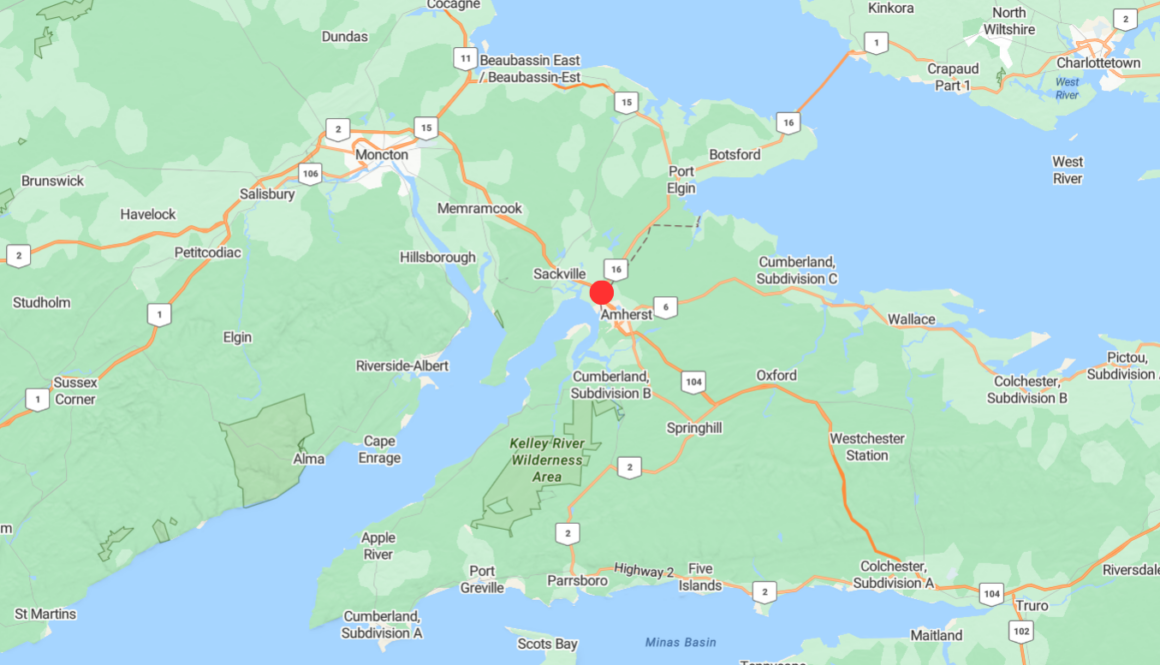
Mayor Roy Gilroy of Cumberland County is raising concerns about New Brunswick’s plan to introduce tolls for out-of-province vehicles traveling on the Trans Canada Highway.
The proposal, announced earlier this week as part of the province’s 2026 budget, has left many questions unanswered. Key details, including how much drivers would be charged, have yet to be released.
Gilroy is calling on Premier Susan Holt to reconsider the plan, warning it could have significant impacts on northern Nova Scotia.
He points to the Aulac corridor as a critical issue, noting it’s the province’s only land connection to the rest of Canada and a vital route for residents, businesses, and trade.
The provincial NDP is ready to give a grade to the Ford government’s budget.
MPPs return to Queen’s Park on Monday with Finance Minister Peter Bethlenfalvy prepared to bring down a new budget on March 26th.
The NDP want it to address several key areas, including affordability, healthcare, education and jobs.
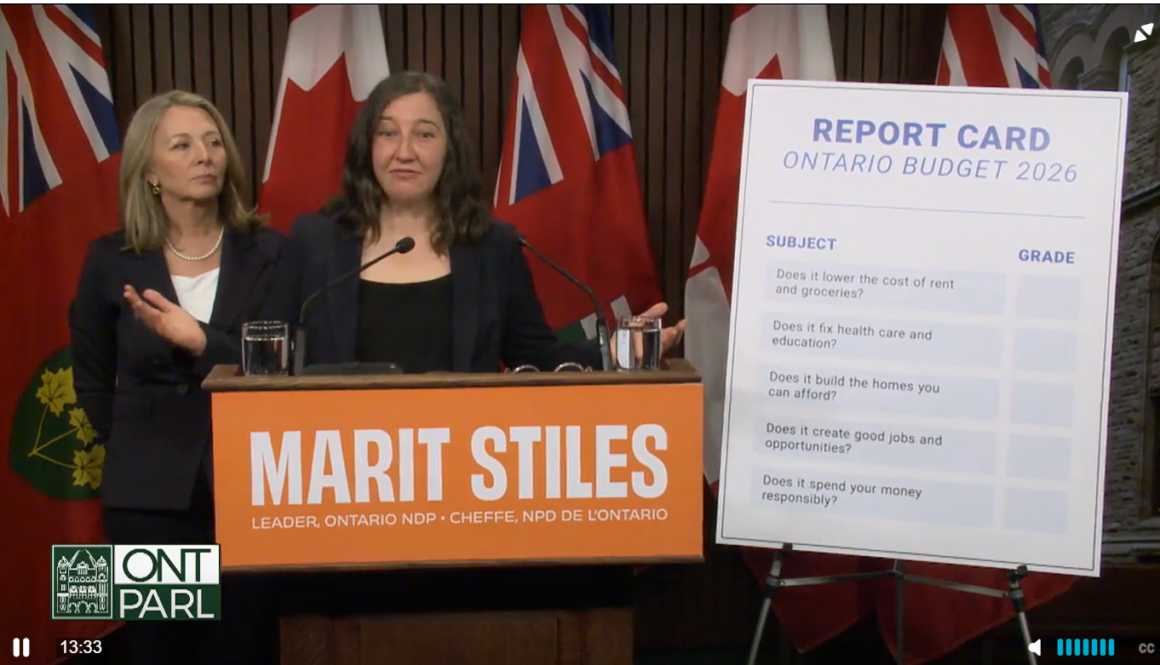
The party’s Finance Critic Jessica Bell says it is why they have decided to launch a budget report card to test the government’s priorities.
“We’re going to be grading Doug Ford’s budget, and we have released a pre-budget report card with five tests we are going to use to grade his budget to determine if this budget helps or hurts Ontarians,” says Bell.
“Our report card looks at whether the Ford government’s latest budget makes life more affordable, whether they’re investing in health care and education, and whether they actually stop wasting people’s hard-earned tax dollars,” says NDP leader Marit Stiles.
The NDP wants to see stronger rent control measures, measures that lead to more affordable and non-profit housing, and initiatives that address unemployment, especially among youth.
“We understand that we have a Trump tariff war and global economic uncertainty, but we do know that there are more practical steps the Conservative government can take to protect jobs and stabilize the economy,” says Bell.
New Brunswick’s 2026-27 budget forecasted the $1.39 billion deficit as a result of a gap in revenue to expenses.
The projected expenses amount to $15.6 billion, while revenues are only projected to be $14.2 billion. This increases the province’s debt-to-gross domestic product (GDP) ratio.
Finance Minister René Legacy says the budget reflects a changing economic reality and uncertainty in the global economy. He says the challenge of making significant investments in what is important to New Brunswickers and bolstering the economy while working to reduce the province’s debt remains.
Concern surrounding province’s debt
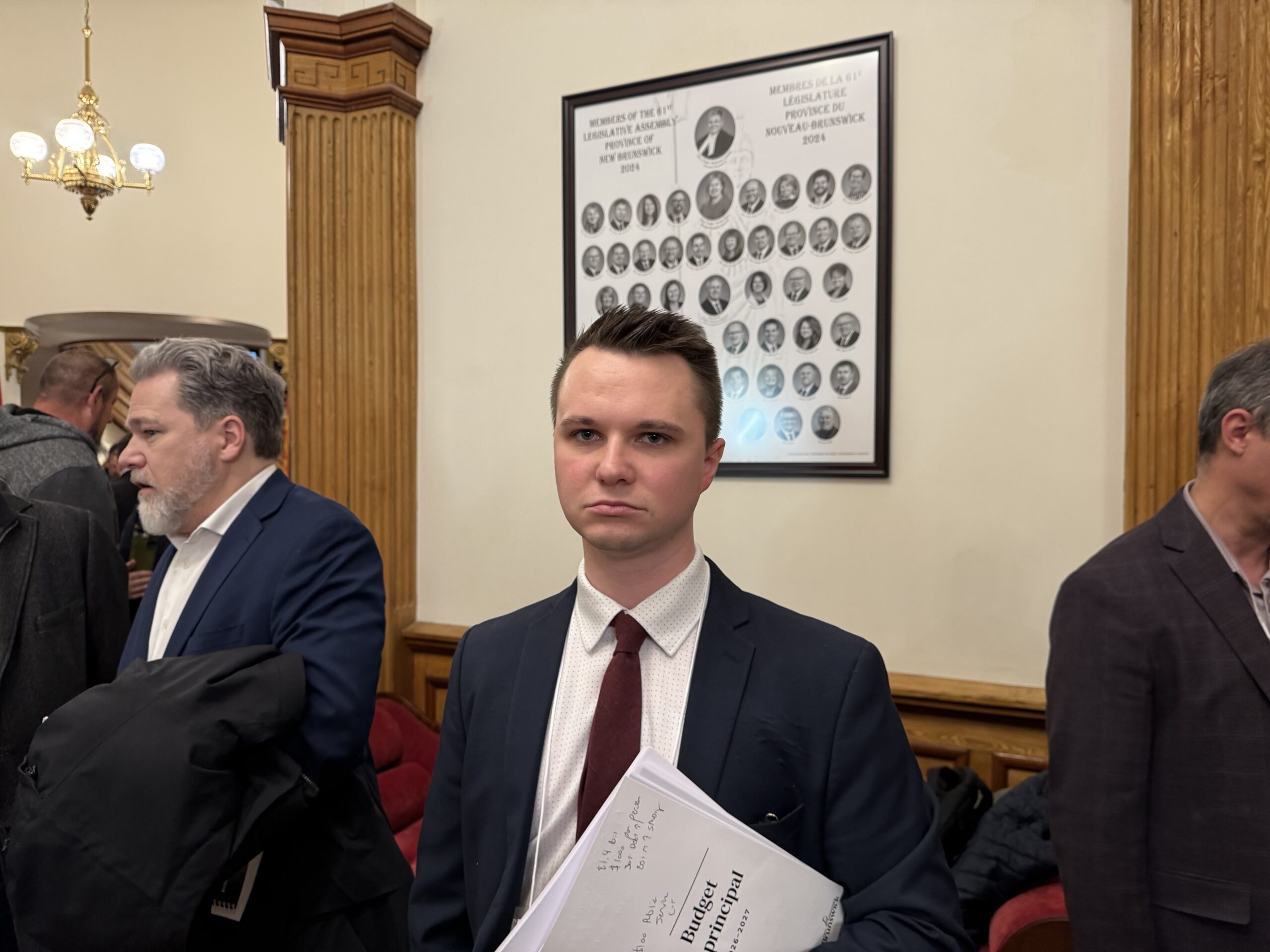
Devin Drover, Atlantic Director and General Counsel of the Canadian Taxpayers Federation, says New Brunswickers’ biggest concern should be that the government is redirecting tax dollars to service government debt.
Devin Drover, Atlantic Director and General Counsel of the Canadian Taxpayers Federation (Image: Wilfred Fraser)
“Right now, about $1000 that a New Brunswicker pays in taxes just goes towards servicing existing government debt as a result of this budget; we’re seeing a lot of borrowing,” said Drover. “As a result of that, a lot of money is being siphoned away servicing government debt rather than money that can be used towards healthcare or other investments or money that could be used to return to taxpayers in the form of tax cuts.”
Legacy referenced during the tabling of the budget that the province’s net debt-to-GDP ratio remains one of the best in the country.
Drover says that if the government continues to increase spending, New Brunswickers will see increased expenses in the form of interest debt charges going up annually, which will result in a worse debt-to-GDP ratio.
“I think the province is certainly heading in the wrong direction when it comes to government debt,” said Drover.
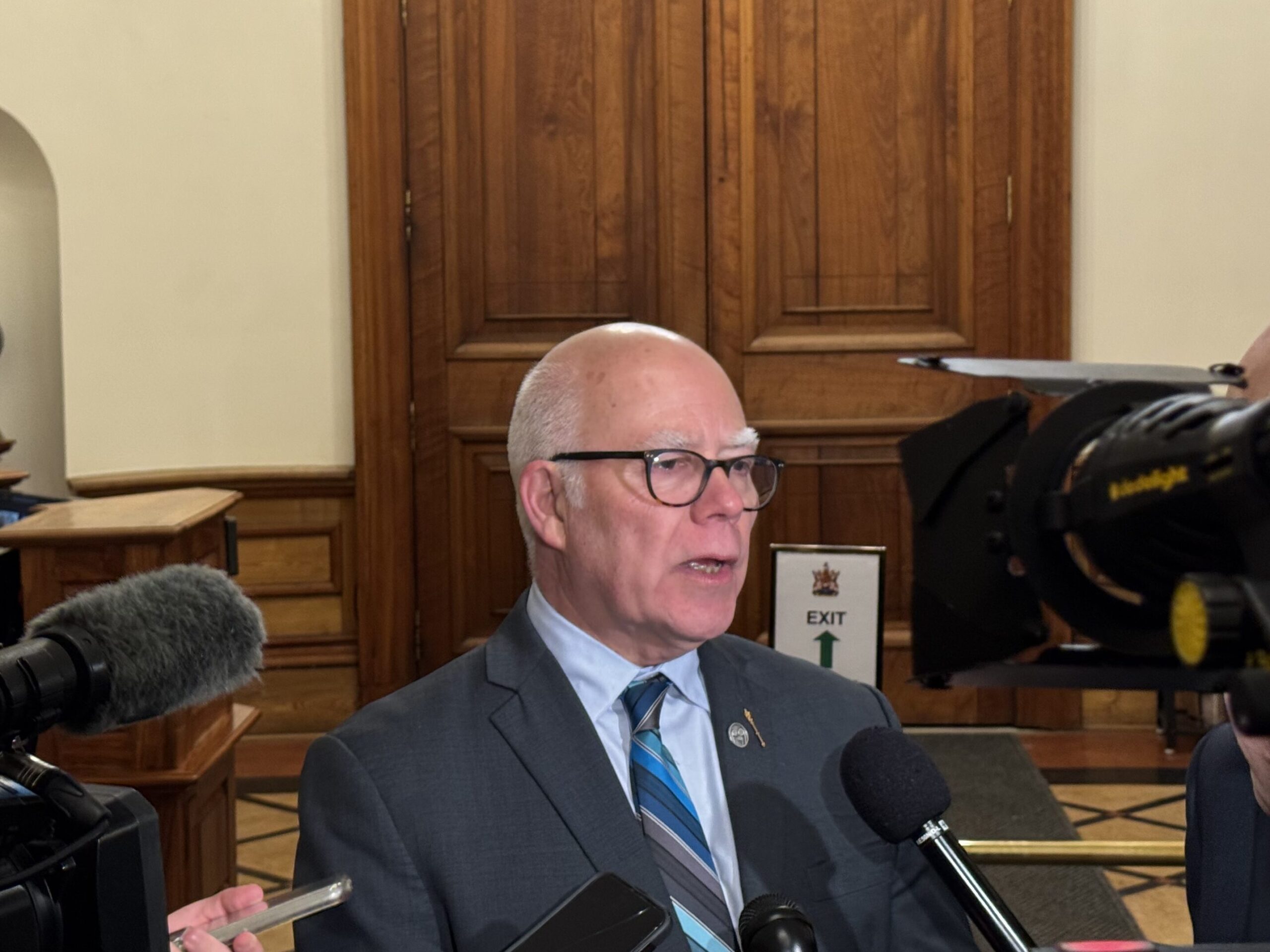
Green Party Leader David Coon says the deficit is manageable in the short term.
Green Party Leader David Coon (Image: Wilfred Fraser)
“This deficit is not something anyone should light their hair on fire for. Given our fiscal situation, we can manage,” said Coon, “but when you look at the trajectory that they are proposing, that’s a concern.”
The province’s current net debt-to-GDP ratio sits at 27.9 percent following the revised 2025-26 budget that was initially tabled last year.
The projected net-to-GDP ratio for 2026-27 is 30.8 percent as a result of the continued deficit. The trajectory that Coon mentioned points to the years to follow, that would see 2027-28 and 2028-29 plans reaching net-to-GDP ratios of 33.6 percent and 36 percent, respectively.
“Right now, given our needs in healthcare, long-term care, social services and education, as we have been saying all along, this budget and New Brunswickers could not sustain significant cuts.”
This goal of debt reduction was initially expected to have assistance from spending cuts. Premier Susan Holt wanted all government departments to look for savings of 10 to 15 percent, but the budget tabled only sees a reduction in spending from three departments, and none of them reach close to 10 percent.
What happened to the cuts?
Legacy says they are choosing to invest in health care, education, social programs, and economic opportunities as opposed to making cuts. He says the province’s strategic position means they do not have to act rashly.
“We could have chosen to respond to the pressure by slashing programs and services across government to reduce the deficit faster, but New Brunswickers told us clearly that is not what they want, and we agree.”
Don Monahan, the Progressive Conservative finance critic, says there were not major difficult decisions made despite the talk around it.
“$1.39 billion is definitely a big number. They were talking about a lot of difficult decisions and what it’s going to mean for New Brunswickers, and at the end of the day there’s a lot of fear around that,” said Monahan. “In the end, there weren’t difficult decisions made.”
Monahan mentioned cuts identified by the Office of the New Brunswick Advocate when it released a review of the 2025-26 budget, in which a $47.1 million cut to child welfare services in the Department of Social Development was identified. There was also an identified budget redirection that resulted in librarian layoffs in 2025, according to Monahan.
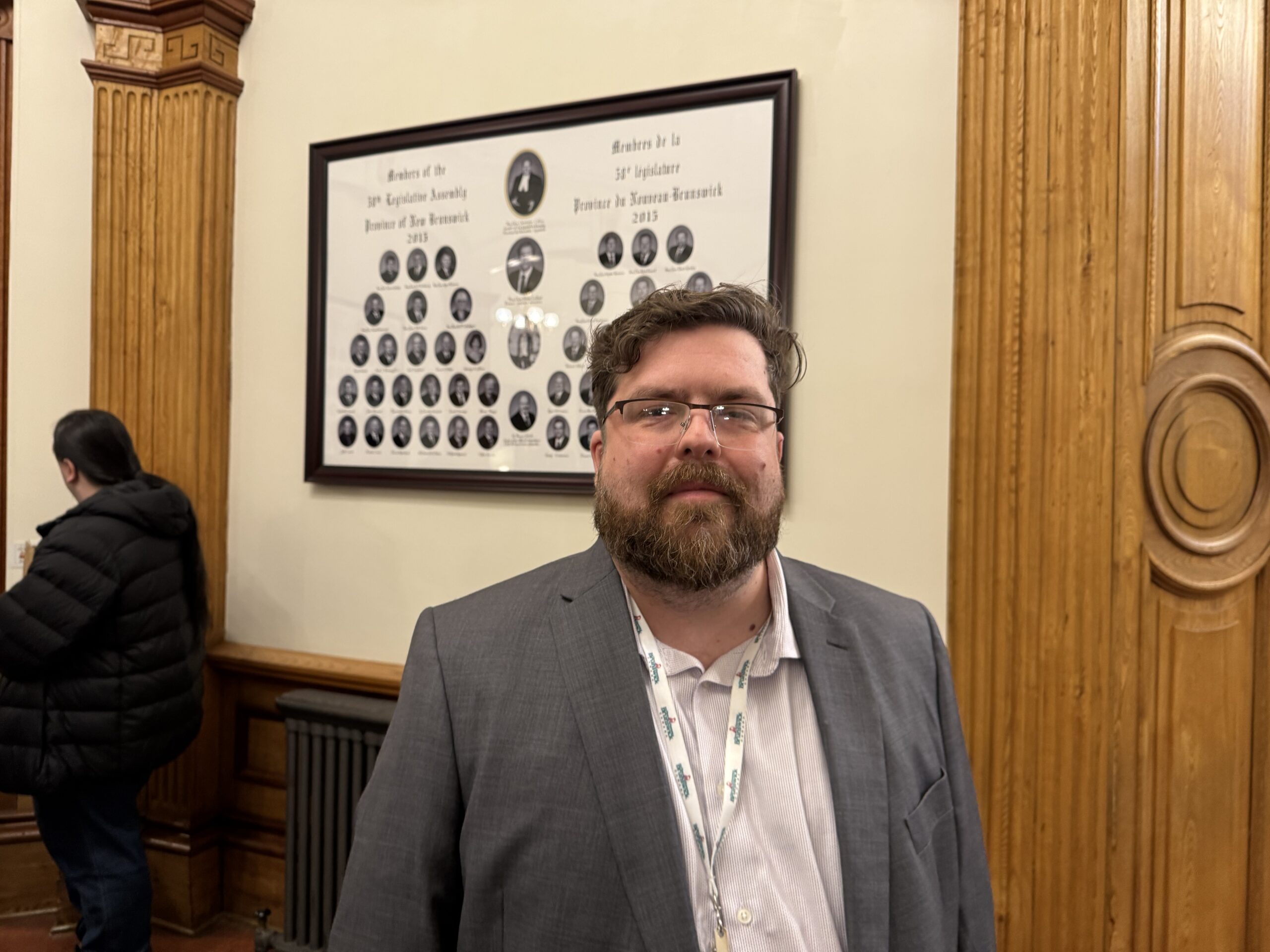
Alex White, N.B. New Democratic Party leader, says the budget tabled is a backtrack from massive cuts that were proposed in the pre-budget consultation.
New Democratic Party Leader Alex White (Image: Wilfred Fraser)
“Now they’re coming out and saying it’ll be $100 million in cuts over three years. That’s not what we will get out of this … I am waiting for the other shoe to drop.”
The $100 million in cuts White referenced relates to the government’s announcement that they will be reducing the size of Part 1 of the civil service by 12 percent through attrition, or the gradual reduction of a workforce by voluntary departure.
As of Dec. 31, 2024, 11,801 employees made up Part 1 and represented 22 percent of GNB’s workforce. According to the math, the Holt government would be cutting roughly 1400 positions, which represent only a small fraction of the total GNB workforce: just above 2.5 percent.
White suspects there will be more changes announced in the next six months.