Remembering our Past: Early municipal elections in Fort Frances
Voters in Fort Frances head to the polls in October to elect a new mayor and council.
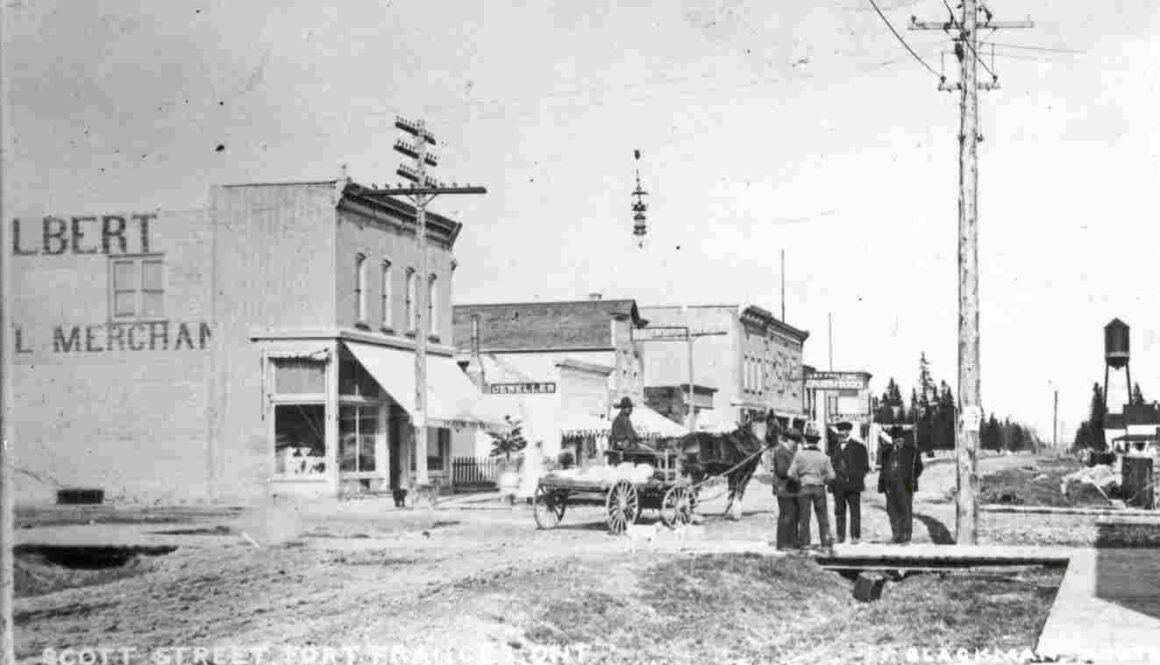
Municipal elections in the community date back to 1891 when the Municipality of Alberton incorporated and extended into the townships of Roddick, McIrvine and Crozier, and the village of Fort Frances.
In 1898, McIrvine and Fort Frances broke away to form their own government that February, with J. C. Barr serving as reeve.
Elections traditionally were held each January, and when 1903 rolled around, J. A. Breckon defeated Louis Christie to become reeve.
Not long after the election, a petition was presented, requesting Fort Frances incorporate to manage its own affairs.
About 650 residents were now living in the area, with most taking up residency within the village that experienced growth.
On April 6th, the Ontario government formally accepted the request, with the town of Fort Frances officially born on April 11th, 1903.
With it, new elections were required.
Nominations were accepted until April 18th for the vote on April 24th.
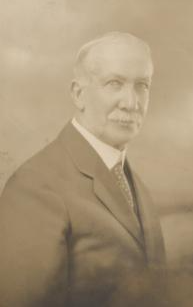
Walter Keating, a lawyer, became the town’s first mayor by acclamation.
R. F. J. Marsh was the lone councillor from the previous council to win a seat on the new one and was joined at the council table by Christie, William Floyd, E.A. Frederick, Cyrus Howey, and A. H. Watson.
One of their first duties was to approve plans to annex McIrvine, a move that was not completed until 1948.
Keating won a second term as mayor in 1904, with Christie, Marsh, Watson and Frederick returning to council.
Albert Young and John Reid filled the other two seats.
At the inaugural meeting, Watson, Frederick and Reid refused to take the oath of office, putting them at risk of having to resign.
Watson and Frederick reconsidered, but Reid stood firm on his decision and was replaced by Barr.
Keating decided not to seek a third term and made an unsuccessful run for councillor in the January 1905 election.
He was later appointed by the province to serve as Master of Titles and registrar, a position he held until his death on February 28th, 1934.
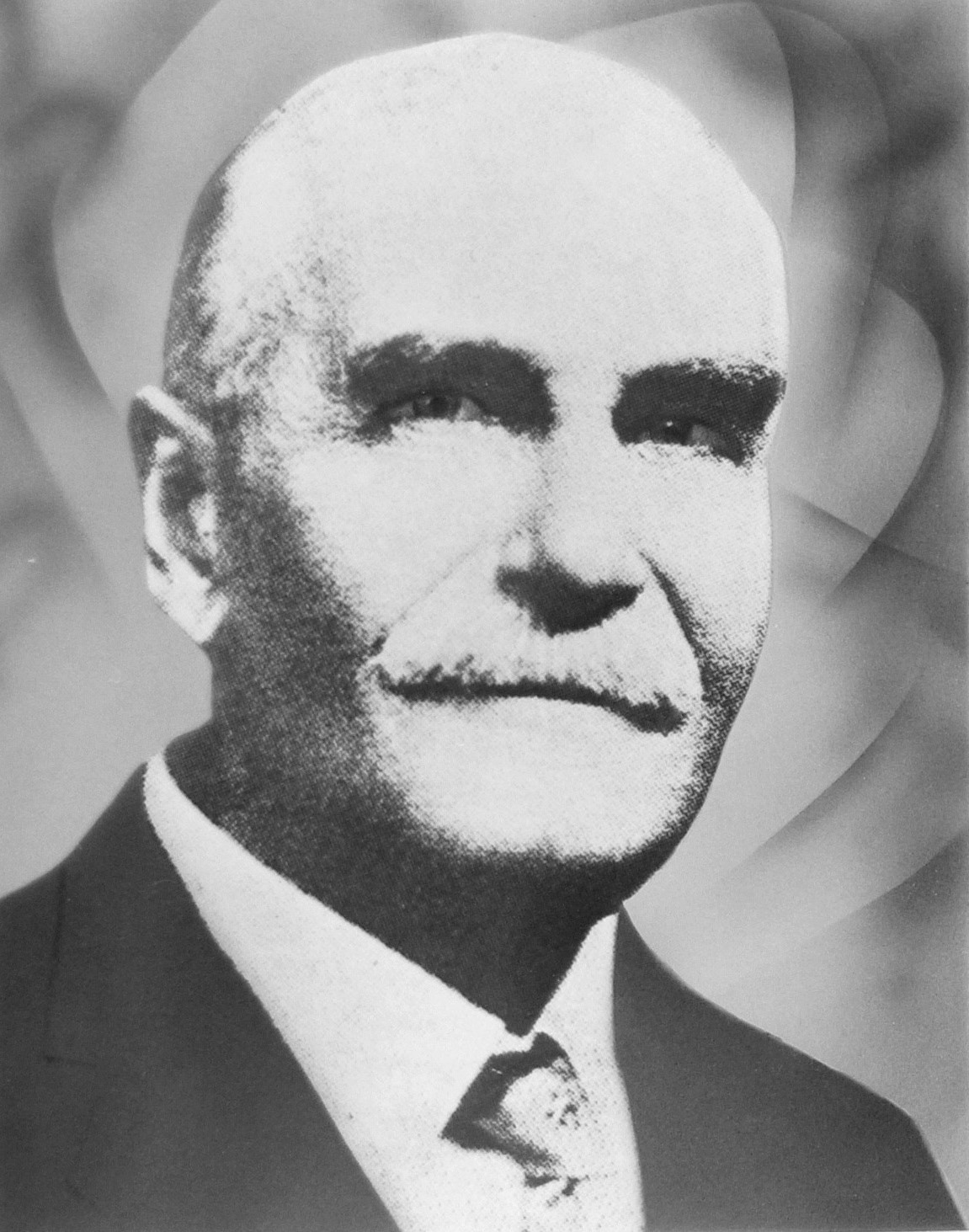
Joseph Osborne, the founder and editor of the Fort Frances Times and dentist Dr. Benjamin Arthur Reeves challenged for the mayor’s chair in 1905, with Osborne winning by 11 votes.
A new slate of councillors was also elected with A.E. Carter, James Harty, William Sloan, G. A. Stetham, James Tierney and Sam Noden topping the polls.
Osborne was very civic-minded and took great interest in the development of the community.
He was also one of the founders of the Fort Frances Board of Trade, the forerunner to the Chamber of Commerce.
Osborne assisted in the federal campaigns, most notably that of James Conmee, but declined repeated offers to run federally or provincially, citing it would take away from his responsibilities at the newspaper.
Osborne only served as mayor for one year, but returned to serve as a councillor from 1907 until 1910, and again in 1912 and 1913.
Osborne lost a bid for a second term as mayor in 1906 to Dr. David McKenzie.
The same election saw voters replace all but one of the incumbents.
Within days of his win, McKenzie’s eligibility was questioned, resulting in a formal complaint.
Before the issue could be dealt with in court, McKenzie resigned at the end of January.
Several councillors, seen as supporters of McKenzie, also resigned, leading to the appointments of J.C. Barr, Herb Williams and Thomas Wilson to fill vacancies.
Barr was later appointed mayor for the rest of the year.
During the year, council approved having two polling subdivisions, with the middle of Church Street serving as the dividing line.
All members of council would continue to be elected at large.
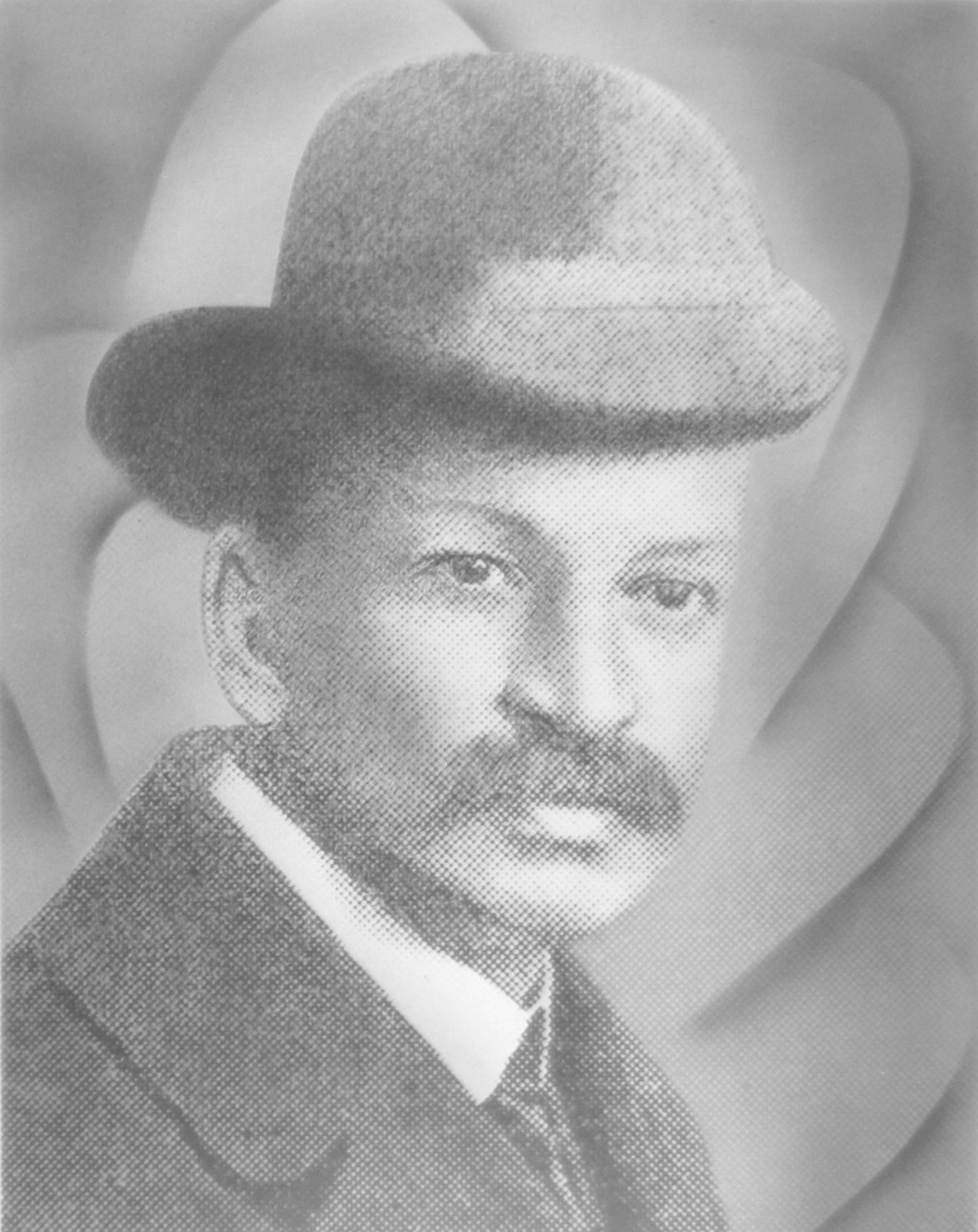
The mayor race in 1907 came down to Councillor Herb Williams and local lawyer H. F. J. Sissons, with Williams coming out on top.
Originally born in England, Williams came to Fort Frances in 1894 to work with the Hudson’s Bay Company.
He left the company two years later to start his own business, which was among those destroyed in the 1905 fire on Front Street.
The business was rebuilt but reorganized as Watson and Lloyd, with Williams opting for retirement.
Williams remained mayor until the end of 1910.
He defeated William Phair in the 1908 election, earned the seat in 1909 by acclamation and enjoyed strong voter support in his final term.
Voters in 1909 also supported a municipal telephone service, though fewer than 100 people cast ballots owing to poor weather on election day.
In a bid for a fifth term, Williams was challenged by Christie, a wholesale meat and produce dealer and Dr. McKenzie who returned to local politics. McKenzie won the race by 61 votes.
Voters also unanimously supported a by-law setting the assessment of the Shevlin Clarke Lumber Company at $25,000.
Within months, some members of council and administration were found to be illegally benefiting financially from town contracts.
This led to five councillors being replaced and the town clerk and treasurer stepping down. J.W. Walker resigned his seat to assume administration duties, which he held until 1914.
McKenzie successfully retained the mayor’s chair in 1912 and again in 1913, defeating Christie and Phair.
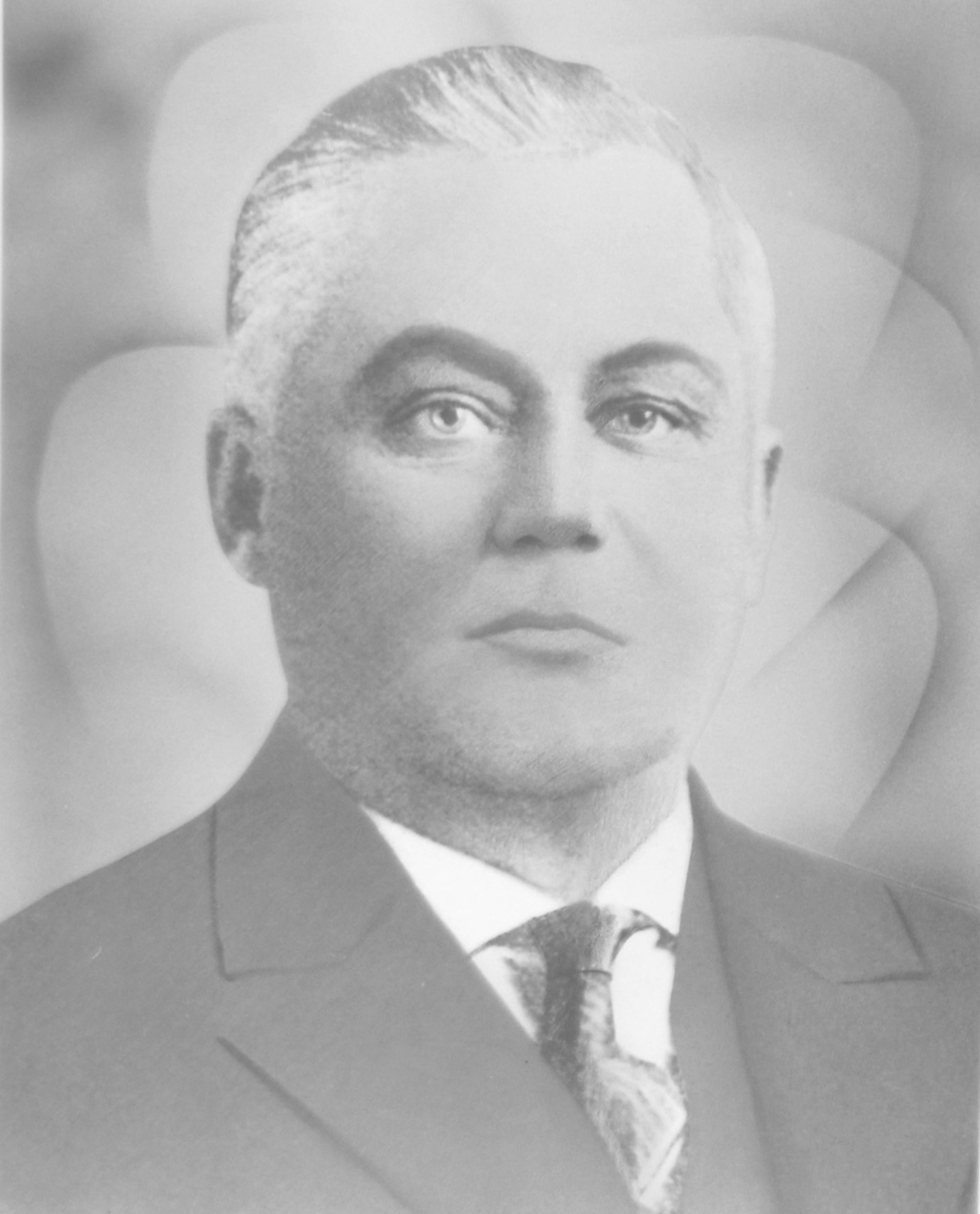
Christie threw his name back into the ring in 1914, and defeated Herb Williams for the head of council by 71 votes.
Christie was a long-time businessman, moving from Rat Portage (Kenora) in 1894 to finance the construction of a sawmill in partnership with H. F. J. Sissons, while operating a meat store.
Christie’s Pioneer Meat Market was located at the corner of Church Street and Mowat Avenue, with a branch store in Mine Centre.
A by-law to establish a public library was also supported in the 1914 vote almost unanimously.
Christie’s run as mayor lasted just a single year, losing to McKenzie in 1915 by 16 votes in what the Fort Frances Times described as one of the largest turnouts at the polls the town had seen.
In 1916, Dr. Robert Moore was acclaimed as mayor, as were all six incumbent councillors.
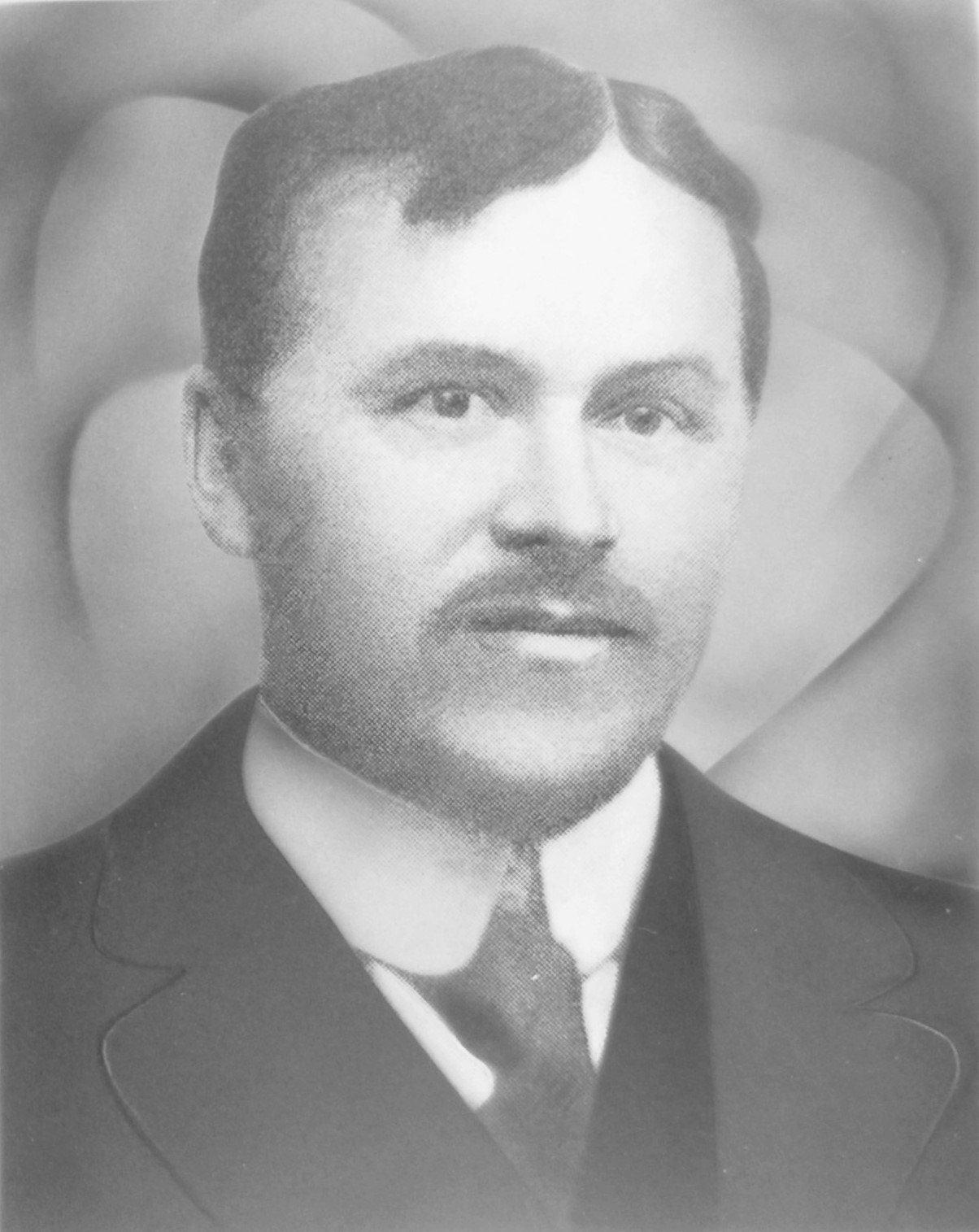
It was the first time since incorporation that a public vote was not required.
Moore came to the Rainy River district in 1897 after graduating from the University of Toronto and provided medical support to the area’s First Nations.
He was also known as an authority on horticulture, famous for his experiments into the growing of fruit.
In a bid for re-election in 1917, Moore faced challenges from Williams and William Bishop.
Williams topped the polls and continued to serve as mayor until 1919.
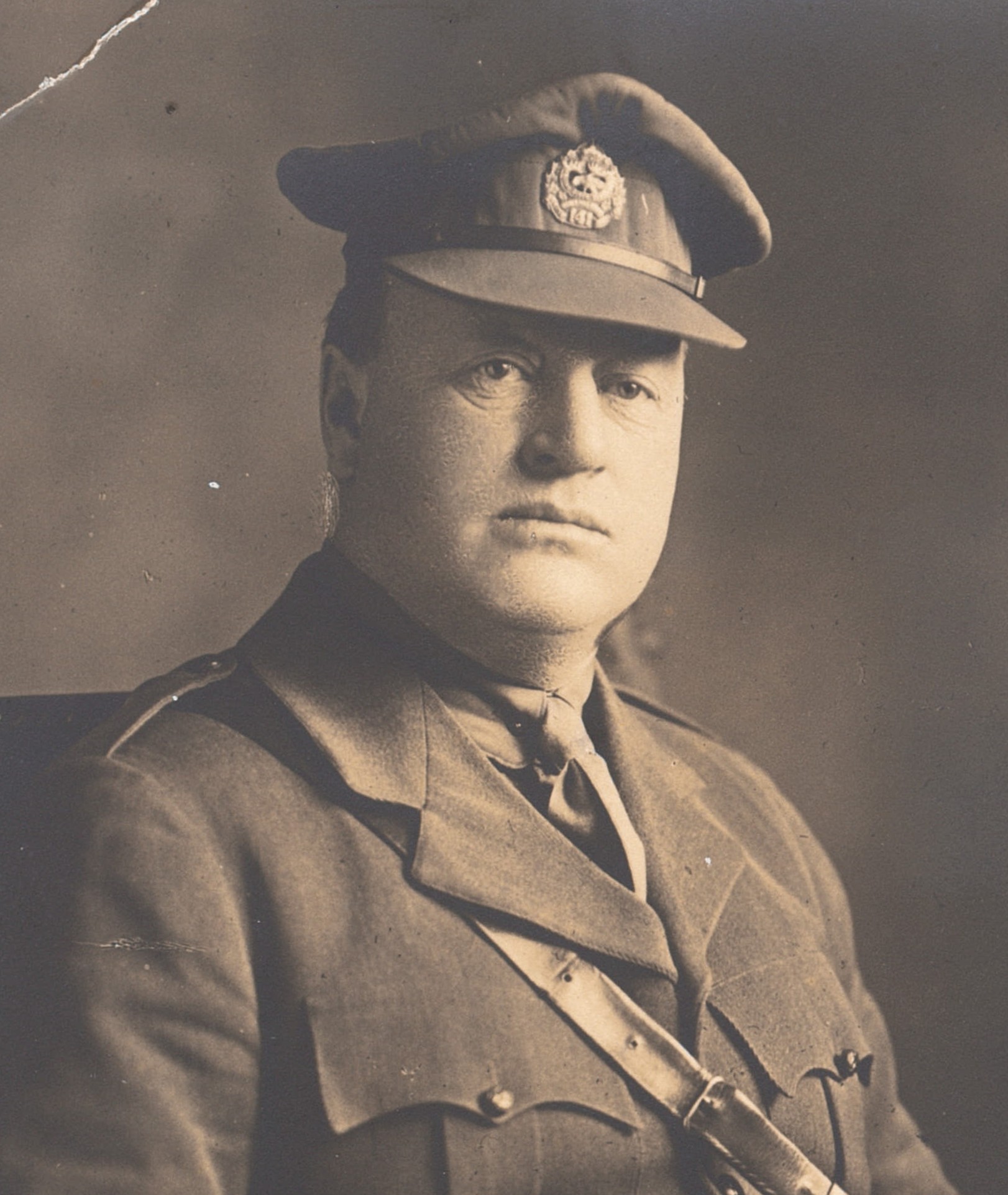
Dr. McKenzie, who returned from World War I where he moved through the military ranks to serve as Colonel, defeated lawyer C.R. Fitch by a 2-to-1 margin in the vote that year.
Four newcomers to council were also elected, most being young men, a move the Times reported as being in the right direction for the community.
“Not that we deny the ability of some of our older men the ability to manage the affairs of the town, but these younger men should bring into a council room a snap and enthusiasm that so often is wanting in those who have for years been sitting on the council,” wrote the Times.
McKenzie was born in Durham, Ontario and relocated to the Rainy River District in 1897 when he opened a medical practice in Mine Centre.
He moved to Fort Frances in the early 1900s, opening one of the region’s first private hospitals on Third Street.
At the start of the World War I, McKenzie organized the 141st Bull Moose Battalion which trained in the Fort Frances area and was later absorbed into the 18th Reserve Battalion.
McKenize is also considered the ‘father’ of local branch of the then Canadian Legion, becoming one of its officers.
He also is credited with organizing a Town Band that exist for several years.
McKenize was also a close friend and college classmate of Prime Minister Mackenzie King, an association that would lead him to several on the executives of local and district Liberal riding associations until his death in 1939.
In the next article, a look at the men elected to council who guided the town through the 1920s.