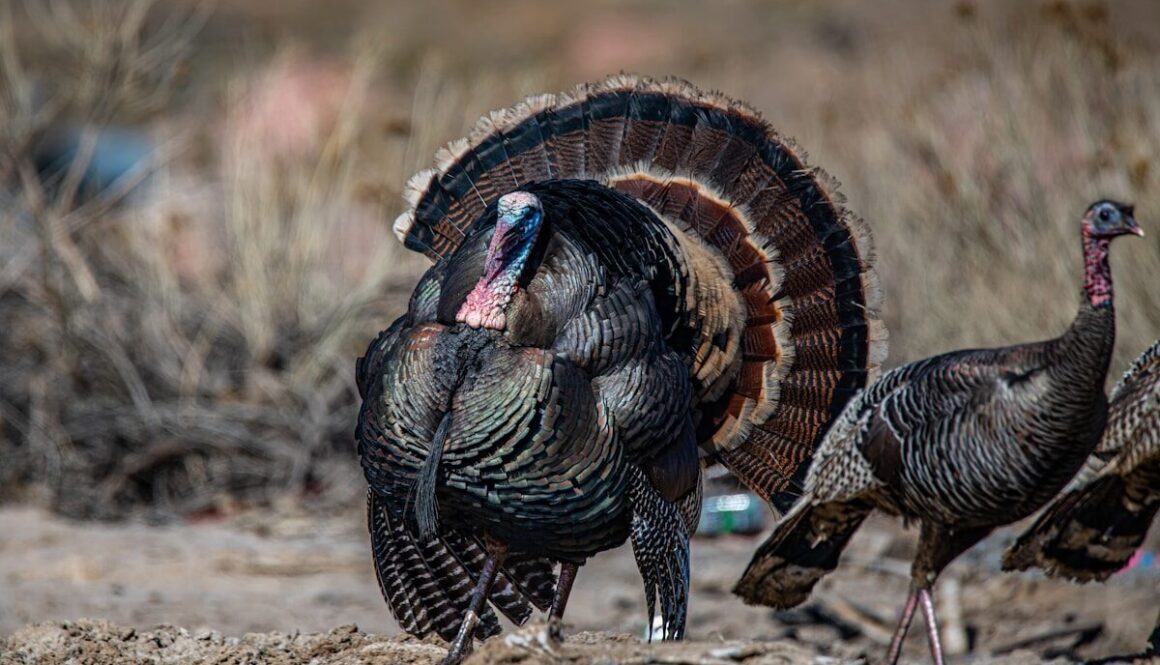
New Brunswick is making changes to this year’s wild turkey hunting season in an effort to boost the economy and attract more non-resident hunters.
In a press release on Thursday, the province announced is adding an extra week to the season and allowing Canadian Forces and RCMP members born in New Brunswick but living elsewhere to apply for the resident wild turkey draw.
The season will now begin the first Monday of May and run for three weeks
John Herron, Natural Resources Minister, said the press release the expansion of the season will “contribute to local econonomies” through tourism, licence sales, and outfitting and guiding services.
The non-resident licence draw deadline will also move to the last Friday of November in the year prior to the hunting season to support earlier promotion efforts at hunting and fishing trade shows.
According to the release, the annual hunt began in 2021 to manage the growing population.
It was expanded in 2023 to include non-resident licences and expanded again in 2024 to include youth aged 12 and older.
Two hunting-related investigations in the Thunder Bay area have led to fines.
On October 16, 2023, an individual from Bowmanville was hunting moose along Marline Lake Road in Hippel Township, approximately 100 kilometres north of Nipigon.
An investigation revealed that the hunter shot their high-powered rifle across and down a roadway toward a pair of moose.
He later fired toward a moose on top of a hill without a safe backstop, posing a risk to public safety.
Justice of the Peace Nancy Tulloch heard the case remotely in the Ontario Court of Justice of Thunder Bay, on February 24.
As a result, Nickolas Caravan has been fined $7,000 and has been issued a five-year hunting ban.
He is also required to successfully complete both the Ontario Hunter Education Course and the Canadian Firearms Safety Course before reapplying for any hunting licences.
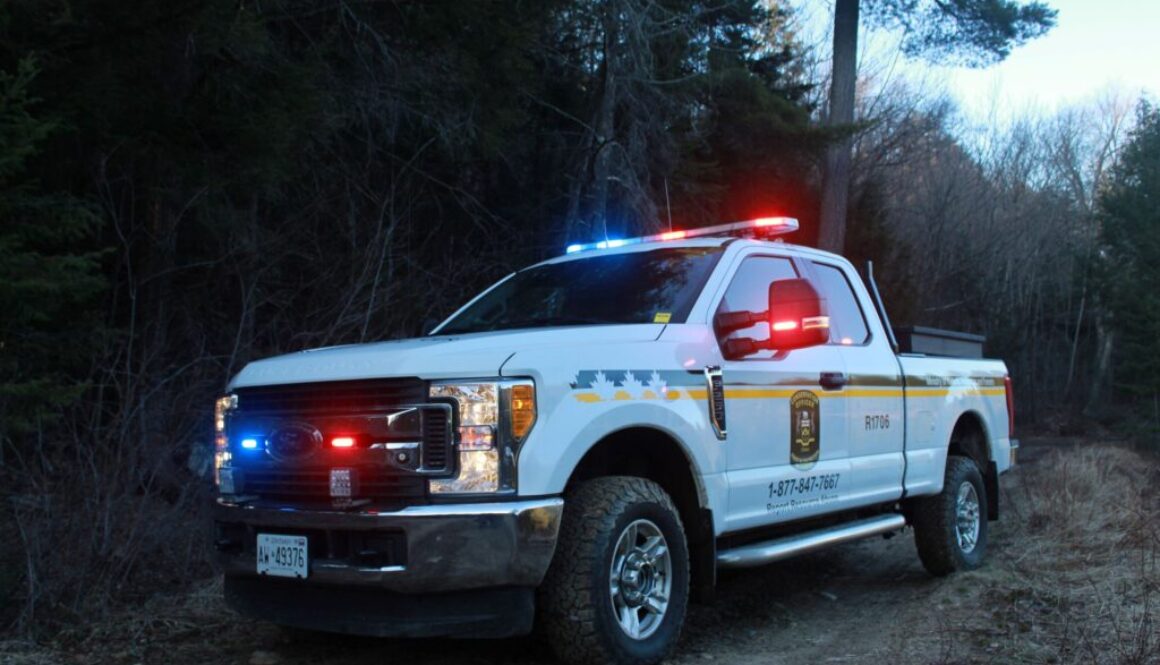
On October 17, 2023, conservation officers with the Thunder Bay Enforcement Unit conducted a traffic stop on Highway 11/17 near Kakabeka Falls.
Officers inspected a cow moose that was harvested in Wildlife Management Unit 15B.
Officers conducted interviews and determined that the moose was harvested without following party hunting rules.
Through an investigation, officers confirmed one of the hunters lacked immediate and reliable communication with the other hunters when the moose was harvested.
Justice of the Peace Jerry M. Woods Jr. heard the case in the Ontario Court of Justice in Thunder Bay, on May 7.
As a result, the following individuals are facing fines:
Carlos DeSousa from Toronto has pleaded guilty to unlawfully hunting cow moose without a licence and was fined $5,000
Calvin Fors of Thunder Bay has pleaded guilty to possessing illegally killed wildlife and was fined $1,500
Larry Moore of Thunder Bay has pleaded guilty to possessing illegally killed wildlife and was fined $1,000
Ben Nurmela of Thunder Bay has pleaded guilty to unlawfully invalidating a tag on a killed animal and was fined $500
The Ontario Courts have fined two hunters and a tourist business in northwestern Ontario following an illegal moose hunt.
Before the moose hunting season opened in 2022, Joshua Mychalyshyn from Kenora and Daniel Riege from Winnipeg, and a third person, participated in an illegal hunt near Maynard Lake between October 13 and 14.
Riege was issued an outfitter moose tag from Maynard Lake Lodge 2015 Inc., and was a guest there.
Mychalyshyn and Riege shot a calf and a cow moose during the closed season, which were brought to the lodge and processed.
Riege then exported moose meat to Manitoba.
During the course of the investigation, it was determined that Mychalyshyn falsely reported on his moose hunter report and had also been angling without a licence in the year 2023.
As a result, Mychalyshyn has pleaded guilty to hunting moose without a licence, possessing wildlife unlawfully, making a false statement in a document and fishing without a licence.
He has been fined $4,000 and is prohibited from hunting in the province for a year.
Riege has pleaded guilty to hunting moose without a licence, possessing wildlife unlawfully and exporting wildlife without a permit.
He was fined $3,500 and is prohibited from hunting in Ontario for one year.
Justice of the Peace Geordie B. McEwen heard the case in the Ontario Court of Justice, Kenora, on June 18, 2025.
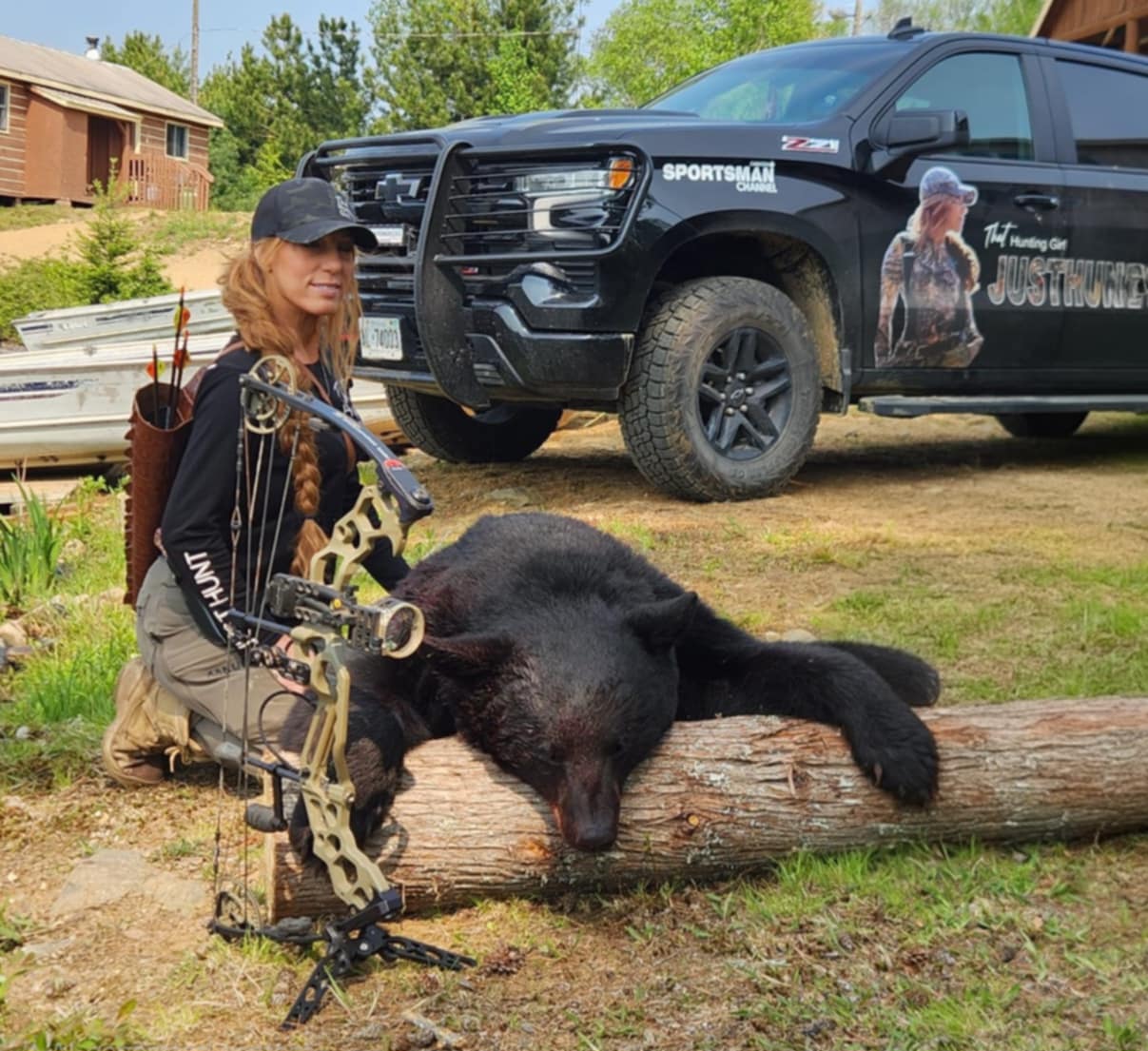
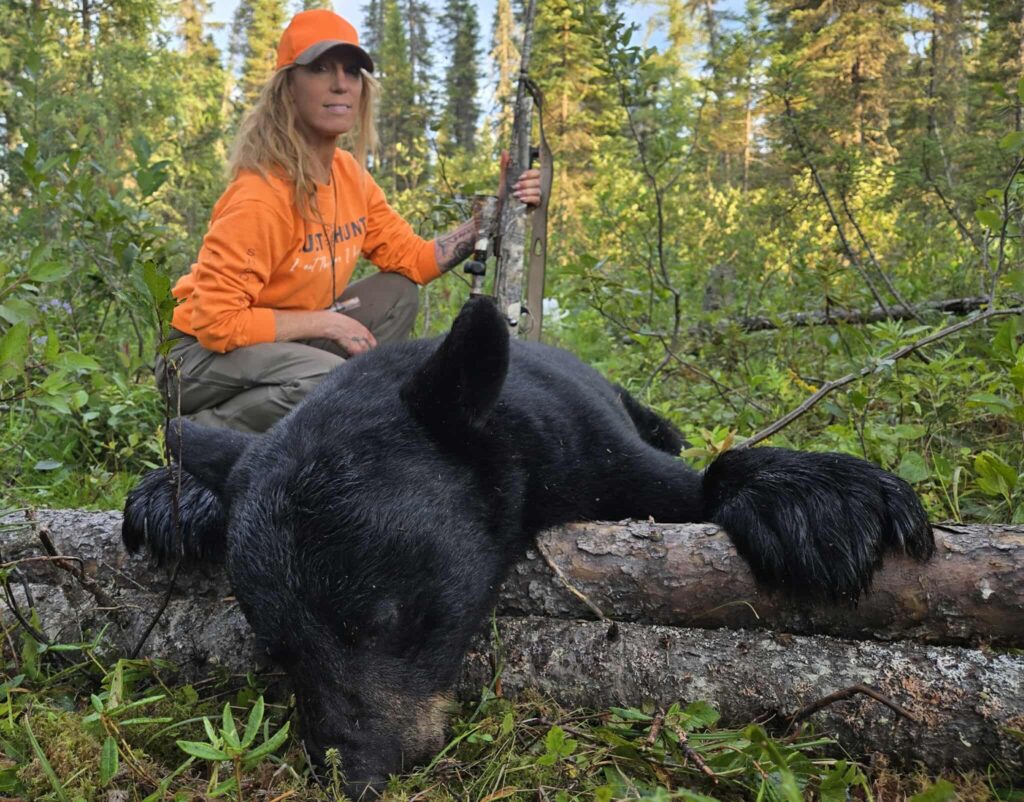
Embarking on a bear hunt in Northern Ontario was an adventure I will never forget.
As someone who has spent countless seasons chasing game across this vast and diverse landscape, I can confidently say that bear hunting holds a special place in my heart. It was my very first game animal that I successfully harvested, making it all the more memorable. The experience not only marked a milestone in my hunting journey but also introduced me to the incredible abundance and versatility of this magnificent creature.
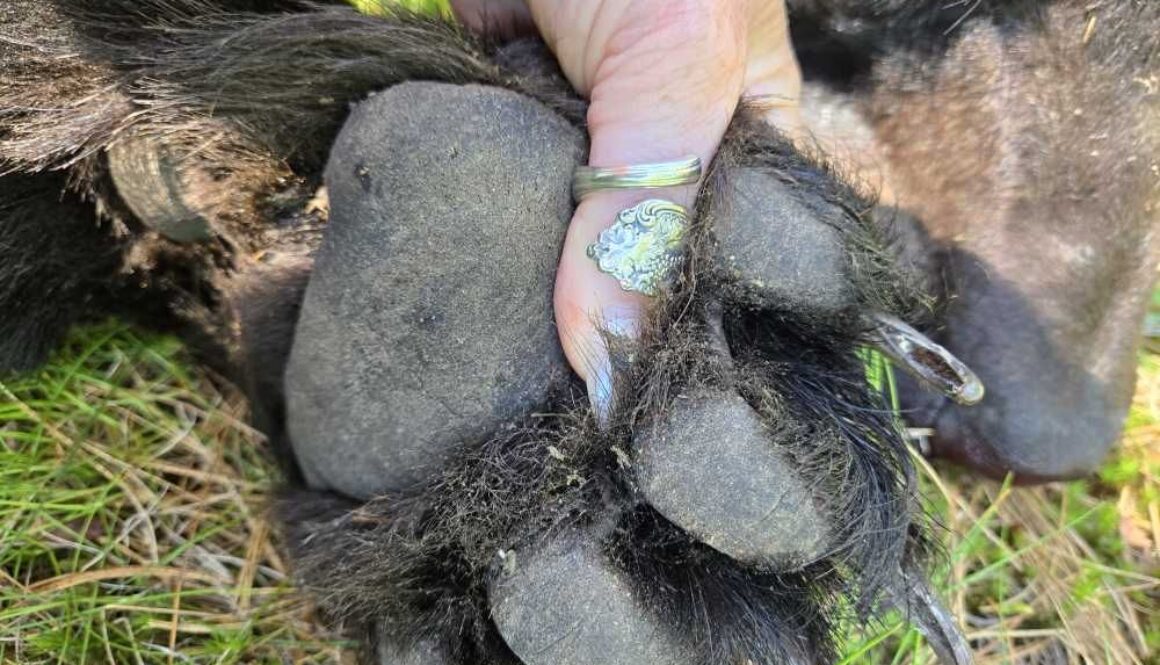
Northern Ontario is renowned for its plentiful black bears. The region’s dense forests, mixed woodlands, and sprawling wilderness provide an ideal habitat for these large predators.
Over the years, I’ve had the privilege of hunting in some of the most beautiful and remote areas, where bears roam freely and are often visible for hours at a time. This abundance makes bear hunting not only feasible but also incredibly fun and engaging. Whether you’re a seasoned hunter or new to the sport, northern Ontario offers an excellent environment to learn and enjoy the hunt.
For those new to hunting, bear hunting can be an excellent introduction—it’s an exciting challenge that combines patience, skill, and a deep respect for wildlife. Watching bears coming into a stand or bait site for hours on end is a story in itself. The patience required to sit quietly and observe these intelligent animals is a rewarding experience.
Alternatively, those who prefer a more active approach can enjoy spot-and-stalk techniques or calling, especially in spring when bears are more vocal and easier to attract. Calling in bears requires a good understanding of their behavior and a respectful approach, as bears are predators with sharp senses. Always exercise caution when using calling techniques, as bears can be unpredictable and dangerous.
My first bear harvest was a culmination of years of hunting in this region, and I recall the excitement and anticipation leading up to that moment. I had been watching bears visiting a bait station for several days, and on that particular morning, I was fortunate enough to be in the right place at the right time.
The thrill of seeing that massive black bear emerge from the woods and approach me was unforgettable. When I finally took the shot, a rush of adrenaline and gratitude washed over me. That bear was a valuable resource—my first harvest in the world of big game hunting.
One of the most appealing aspects of bear hunting is the incredible meat it provides.
Bear meat is fabulous—rich, flavorful, and surprisingly versatile. It can be prepared in countless ways: roasts, steaks, sausages, jerky, or ground meat for burgers and pastas. The taste is often described as a mix between beef and pork, with a unique depth of flavor that makes it a prized addition to any game freezer. Not only is it delicious, but it also offers a sustainable source of high-quality protein.
Beyond the meat, every part of the bear can be utilized, ensuring that nothing goes to waste.
The fat from the bear can be rendered into tallow, which is excellent for use in cooking or for personal care products like soap and moisturizer. Tallow is also valuable for making candles and lubricants—an age-old tradition among hunters and wilderness enthusiasts. The hide can be tanned and used for blankets, clothing, or other craft projects. Even the bones can be used for tools or decorative purposes.
This holistic approach to harvesting a bear aligns with the respect hunters have for the animal and the wilderness, emphasizing sustainability and conservation.
The experience of watching bears is a story on its own. Observing these creatures in their natural environment reveals their intelligence, curiosity, and adaptability. Sometimes, bears will come into the bait site for hours, digging and scavenging, seemingly oblivious to the surrounding wilderness. Other times, I’ve watched bears travel through the forest, searching for food or simply passing through.
Each encounter offers a new perspective on their behavior and habits, enriching my understanding of these remarkable animals.
Hunting in Northern Ontario for bears is an adventure that combines patience, skill, and respect for nature. Whether you choose to sit quietly in a stand, call in a bear, or stalk through the woods, the experience is always rewarding. Spring is an excellent time for calling, as bears are more vocal and active, making it easier to attract them.
However, regardless of the season or technique, safety must always come first. Bears are predators with keen senses, and it’s crucial to use caution, carry proper equipment, and be prepared for any situation.
Having hunted bears in Northern Ontario for many years, I can attest to the abundance and diversity of this region’s bear population. Over the years, I have harvested numerous bears, each one adding to my appreciation for these animals and the wilderness they inhabit. The joy of the hunt, the connection to nature, and the knowledge that I am utilizing the animal responsibly make bear hunting a deeply fulfilling experience.
In conclusion, bear hunting in Northern Ontario is more than just pursuing a game animal—it’s an immersive experience that connects hunters with nature, tradition, and sustainability. My first bear harvest was a defining moment in my hunting career, and I cherish the memories and lessons it provided.
The region’s plentiful bears, combined with the fun and challenge of the hunt, make it an ideal activity for seasoned hunters and newcomers alike. Plus, the meat and other parts of the bear can be used in many ways, ensuring that nothing goes to waste.
Watching bears in their natural environment is a story on its own, and every encounter brings a new appreciation for these incredible animals. Whether you’re calling them in, spotting them in the woods, or simply enjoying the wilderness, bear hunting in Northern Ontario is an adventure worth experiencing.