In Nova Scotia, maximum regular self-serve prices range from about $1.77 to $1.82 per litre, while diesel is selling for between $2.06 and $2.10 per litre.
On Prince Edward Island, the maximum prices are $1.79 a litre for regular self-serve, more than $2.17 per litre for diesel and about $1.61 per litre for home heating oil.
The interrupter clause was invoked again overnight. This time, it impacted regular self-serve, diesel and furnace oil.
The maximum cost for regular self-serve fuel fell 6.9 cents a litre at 12:01 am on Sunday, to around $1.83.
Diesel dipped 10.3 cents a litre to a maximum of around $2.14.
The maximum for furnace oil now sits at around $2.08, also down 10.3 cents a litre.
Fuel prices have been adjusted seven times in the last ten days.
The federal fuel excise tax is set to be temporarily removed on Monday, which is expected to lower gas prices by around 10 cents a litre and diesel prices by around four cents a litre.
Prime Minister Mark Carney announced the temporary relief last week, stating it will be reduced until Labour Day to help cut costs for Canadians.
This comes as the current Global conflict and ongoing supply disruptions in the Middle East are driving up fuel prices worldwide.
Get ready to fork out more for fuel if you need to fill up.
The interrupter clause was invoked again overnight, causing a huge spike in the cost for regular self-serve fuel.
The New Brunswick Energy and Utilities Board put up prices by 10 cents overnight, to a maximum of around $1.90.
This comes just two days before the federal government temporarily suspends the fuel excise tax by 10 cents to lower costs for consumers. The reduction will be in place until Labour Day.
There was no change to diesel or furnace oil prices overnight.
In Nova Scotia, maximum regular self-serve prices range from about $1.78 to $1.82 per litre, while diesel is selling for between $2.11 and $2.15 per litre.
On Prince Edward Island, the maximum prices are $1.86 a litre for regular self-serve, more than $2.24 per litre for diesel and above $1.63 per litre for home heating oil.
In Nova Scotia, maximum regular self-serve prices range from about $1.85 to $1.89 per litre, while diesel is selling for between $2.37 and $2.41 per litre.
On Prince Edward Island, the maximum prices are $1.98 a litre for regular self-serve, more than $2.56 per litre for diesel and above $1.93 per litre for home heating oil.
In Nova Scotia, regular self-serve ranges from about $1.75 to $1.80 per litre while diesel is selling for between $2.35 and $2.40 per litre.
On Prince Edward Island, the maximum prices are almost $1.86 a litre for regular self-serve, more than $2.42 per litre for diesel and $1.80 per litre for home heating oil.
Human Development Council researchers wrapped up NB Power’s evidence period, urging more support for low-income households.
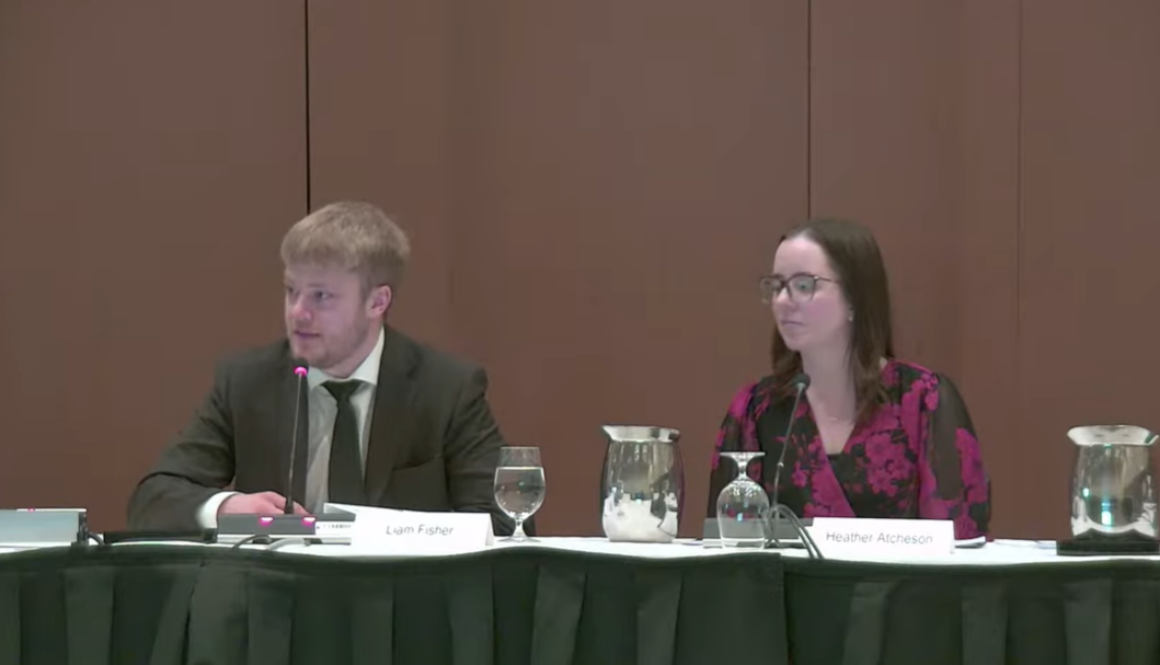
HDC researchers Liam Fisher and Heather Atcheson were the final witnesses in the utility’s two-week-long rate hearings.
The poverty research team authored HDC’s 2025 Energy Report, which the organization submitted as evidence in NB Power’s hearings before the Energy and Utilities Board.
During these hearings, NB Power is seeking approval to raise energy rates by 4.75 per cent for the coming year.
According to various media reports, this is part of a long-range financial plan that, if approved, would see power rates increase by 50 per cent over six years, by March 2028.
During their testimony last Wednesday, the researchers told the hearing that rising electricity prices are creating a serious affordability challenge for low-income households — groups that, according to the report, include seniors, newcomers, people with disabilities and others. They also warned that without targeted protections, future rate increases will continue to disproportionately impact these residents.
“There are projects and programs in place that are addressing other areas of energy poverty,” Atcheson said. “But the low-income affordability piece is something we would recommend be looked at.”
During cross-examination, the researchers suggested that either the province or NB Power consider adopting a low-income affordability program similar to those used elsewhere in Canada.
They pointed specifically to Ontario’s Electricity Support Program, which provides monthly credits to help reduce electricity bills for qualifying low-income households.
During the hearings, NB Power executives agreed that rising electricity prices would create affordability issues for some of their customers. But in last week’s final arguments, NB Power said the EUB can’t consider affordability when deciding on a proposed rate hike.
In Friday’s final-arguments hearing, EUB chair Christopher Stewart asked the utility’s lawyer, John Furey, what the board could do if the proposed rates were deemed unaffordable for some residents. Furey said the board didn’t have jurisdiction over those issues.
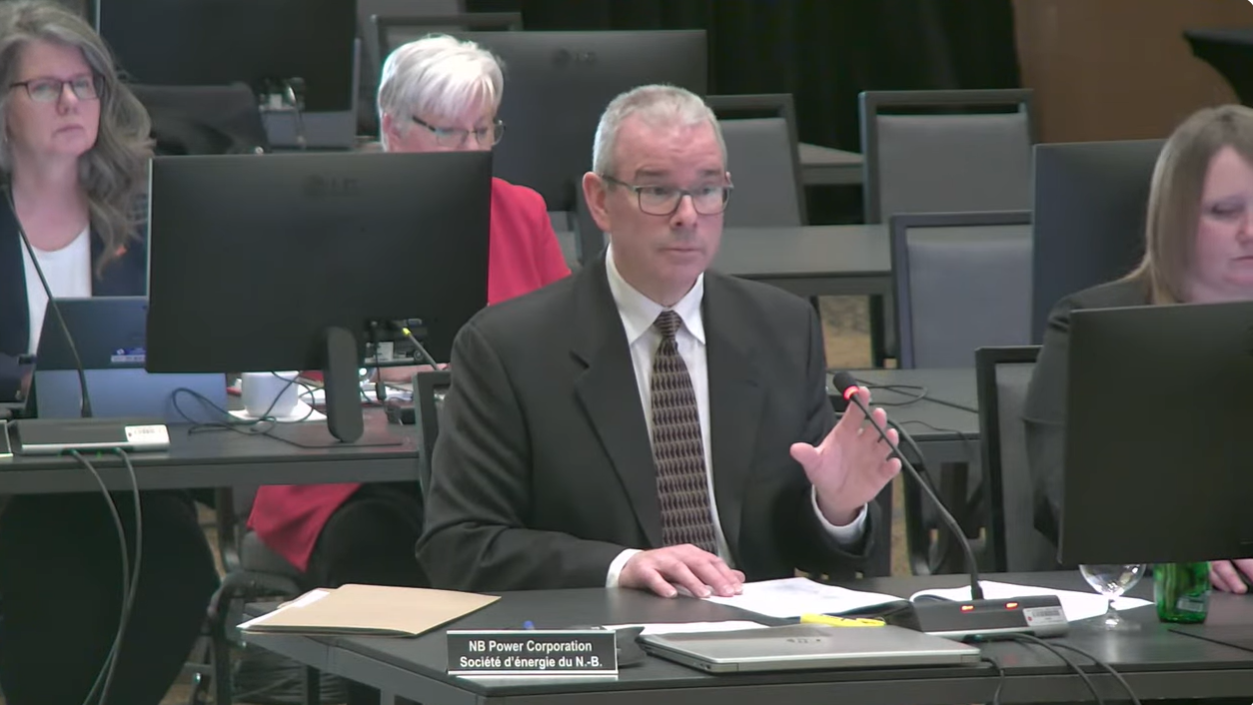
John Furey is NB Power’s lawyer. PHOTO: EUB/YOUTUBE
“That is a matter of social policy that each of the courts of appeal I referenced have said is best left to government,” he said.
Furey said NB Power acknowledges that rate changes in the recent years have created challenges for some, but argued the utility needs the rate hike to invest in infrastructure, maintenance, and major projects like the Matacquac Dam and Point Lepreau.
A decision on any rate increase is reserved by the board and is expected in the coming months. However, since NB Power’s hearings were delayed by several weeks, the board has suggested any decision will not affect rates until June.