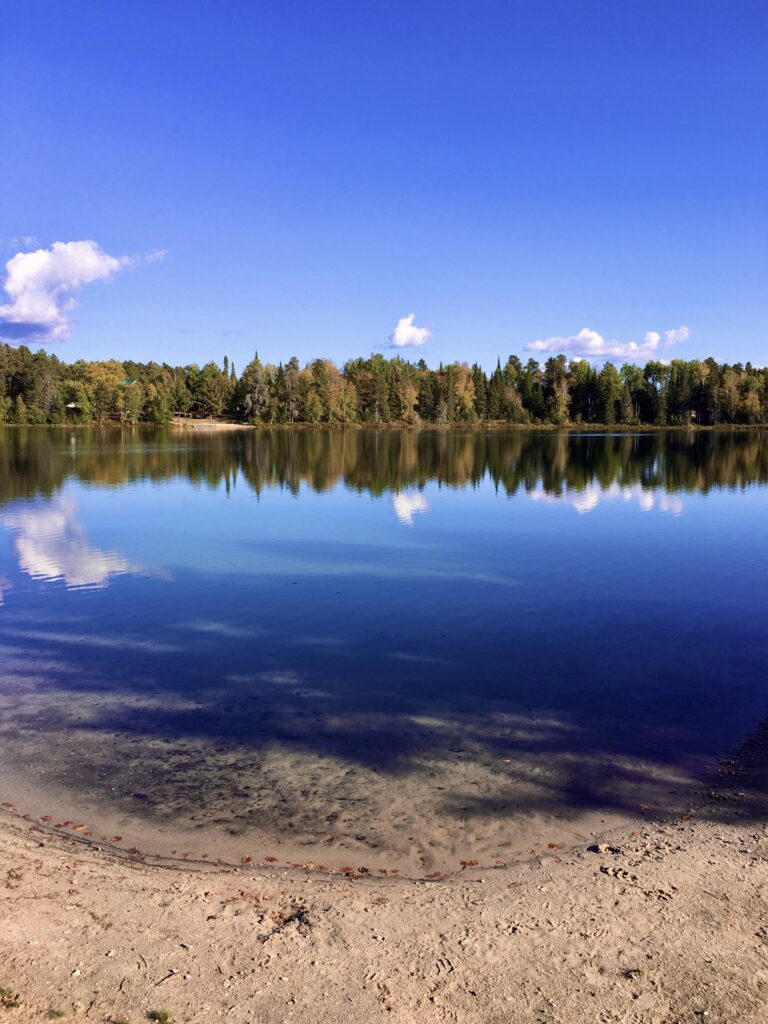
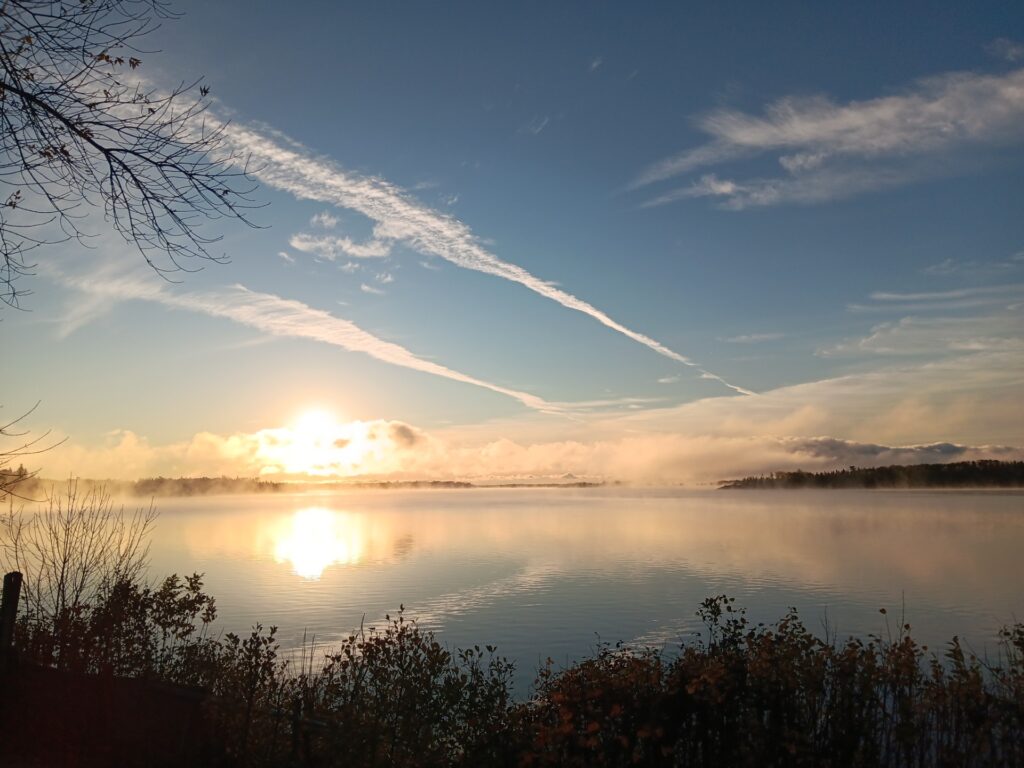
Thank you to everyone who submitted their stunning fall photos! We’ve been lucky with some beautiful weather lately, and it’s given us the perfect opportunity to capture the vibrant colors and peaceful moments that make this season so special.
Your submissions truly highlight what life is like in the communities we call home. From quiet lakeside mornings to our fur babies on the boat, each photo tells a story of why North-Western Ontario is such an incredible place to live.
Let’s keep showing the world what makes NWO awesome: the people, the places, and the spirit of our region.
(Scroll down to enjoy a gallery of this season’s submissions, and keep them coming!)
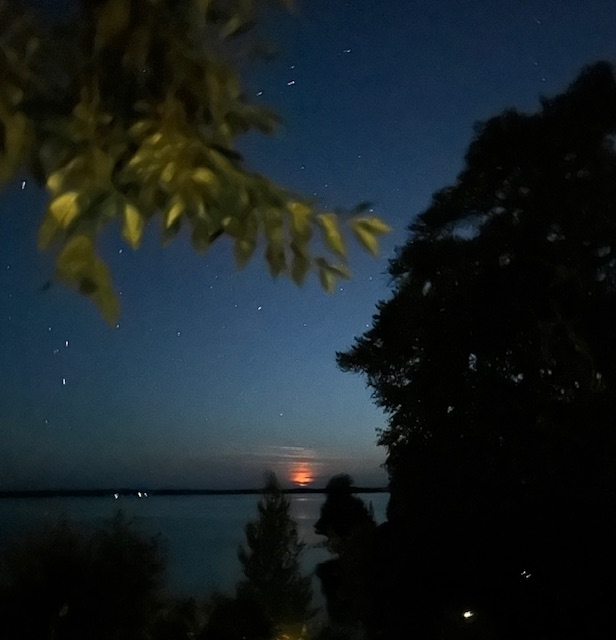
Beautiful Lake and Northern Lights photos by William George
Sunday afternoon fishing with Solomon on Wabigoon lake, Dryden by Lynne Slack
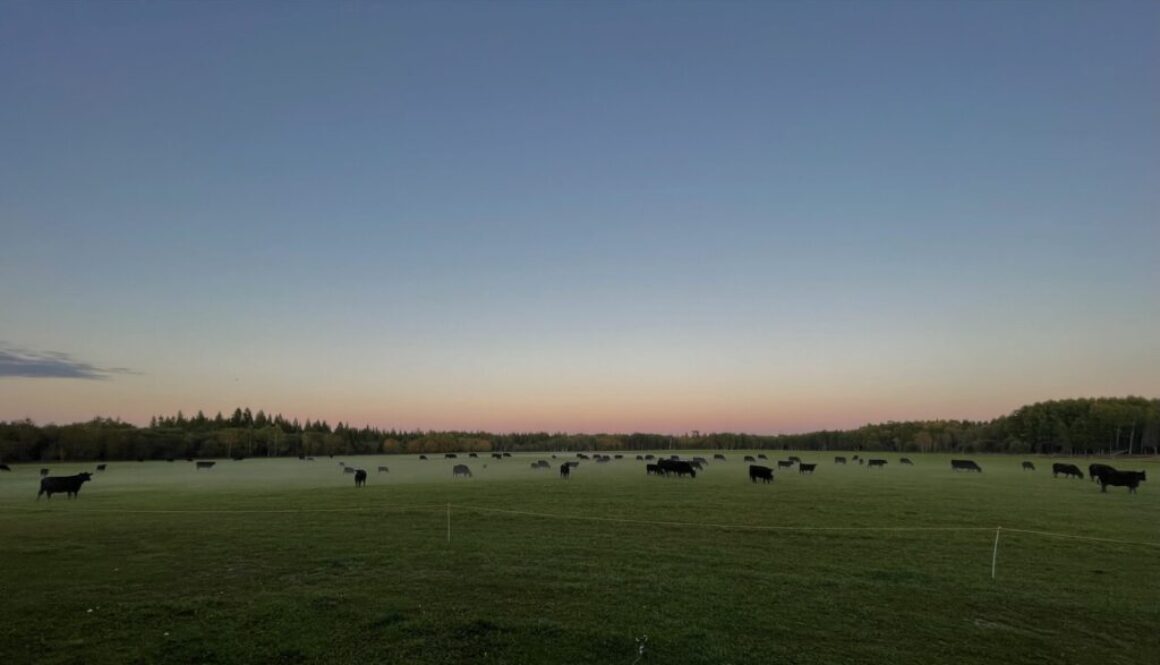
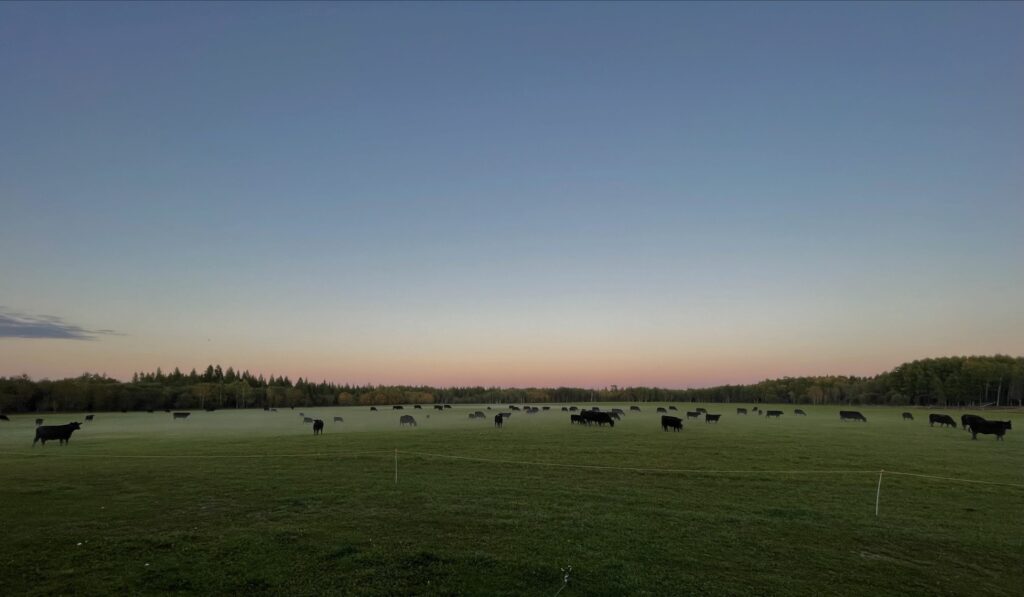
Image of Rocking K Ranch by Lisa Koshel (Oxdrift, ON)
Foggy Lone Fisherman by Kayla Pitchenese
The Beautiful Autumn Dance of Color has Begun, Elisabeth Anne West
Woodland Refreshment by Darcy Danielson
In Memory of Val Durocher by Cyndey Cumming
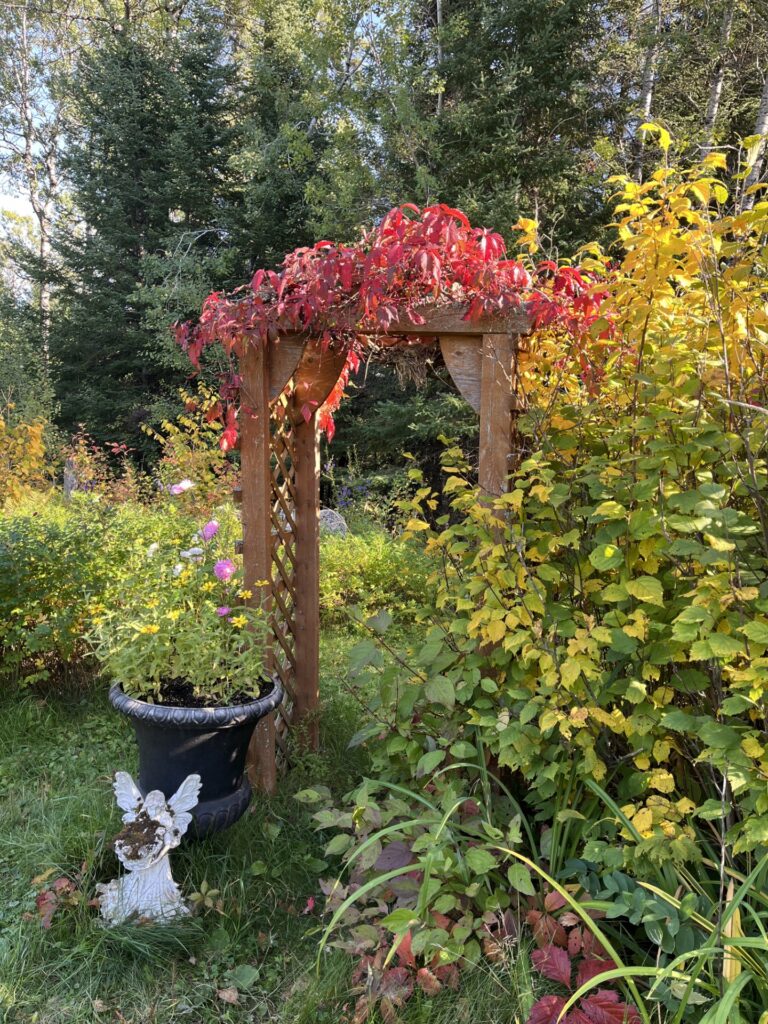
Garden Symphony: A Celebration of Color and Life by Cydney Cumming
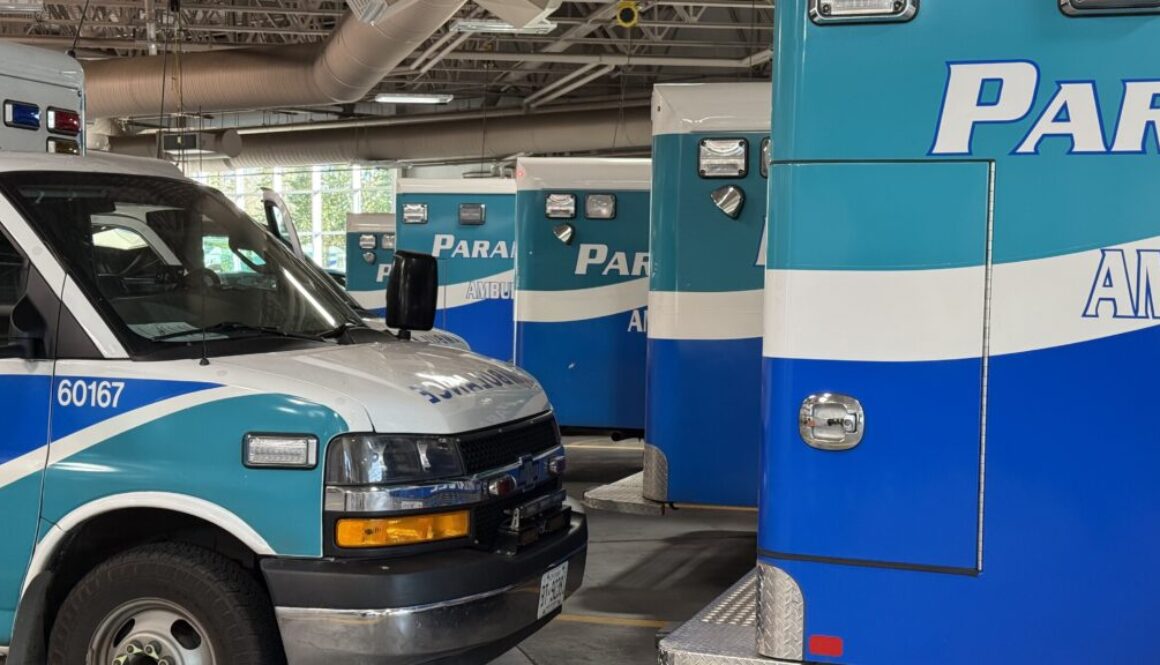
The Ontario Government announced on Thursday that it would be increasing the province’s investment in the Superior North Emergency Medical Service (EMS) by 4%, bringing the provincial investment this year to almost $20 million.
The province says that since 2022, when ambulance offloading times were at their slowest, wait times have been reduced by 65%.
“We’re recognizing that costs are increasing for ambulance services. We want to keep pace with those costs, with the wages for the paramedics, and really the call volume as it increases over time,” Thunder Bay-Atikokan MPP Kevin Holland explains.
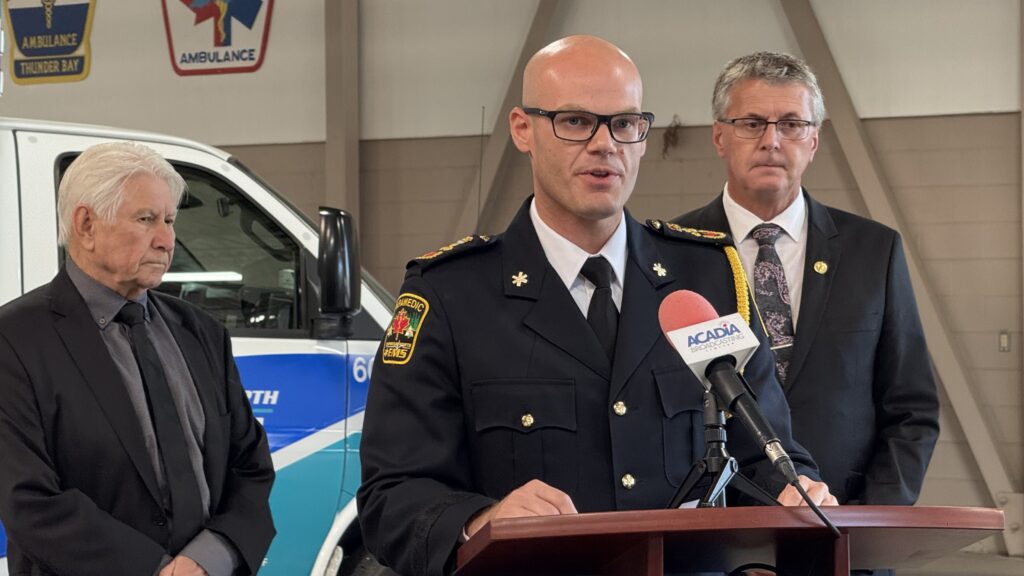
“Right now, the district is under some strain,” says Chief of Superior North EMS Shane Muir. “We have many stations spread throughout the district, and each one of those requires ambulance replacements, stretcher replacements, defibrillator replacements… Medical pieces of equipment are exponentially rising in cost.”
Chief of Superior North EMS Shane Muir, centre, speaks at the funding announcement, flanked by Mayor Ken Boshcoff, left, and Thunder Bay-Atikokan MPP Kevin Holland, right. (Sam Goldstein/October 9, 2025)
The $20 million invested by the province is simply meant to cover the base costs of running emergency medical services. Issues relating to staff burnout and other nuances are covered by separate, more specific funding programs.
One example is a $226,076 provincial investment into the Dedicated Offload Nurses program, which will help Thunder Bay hire more nurses for offloading patients from ambulances, overall reducing ambulance wait times.
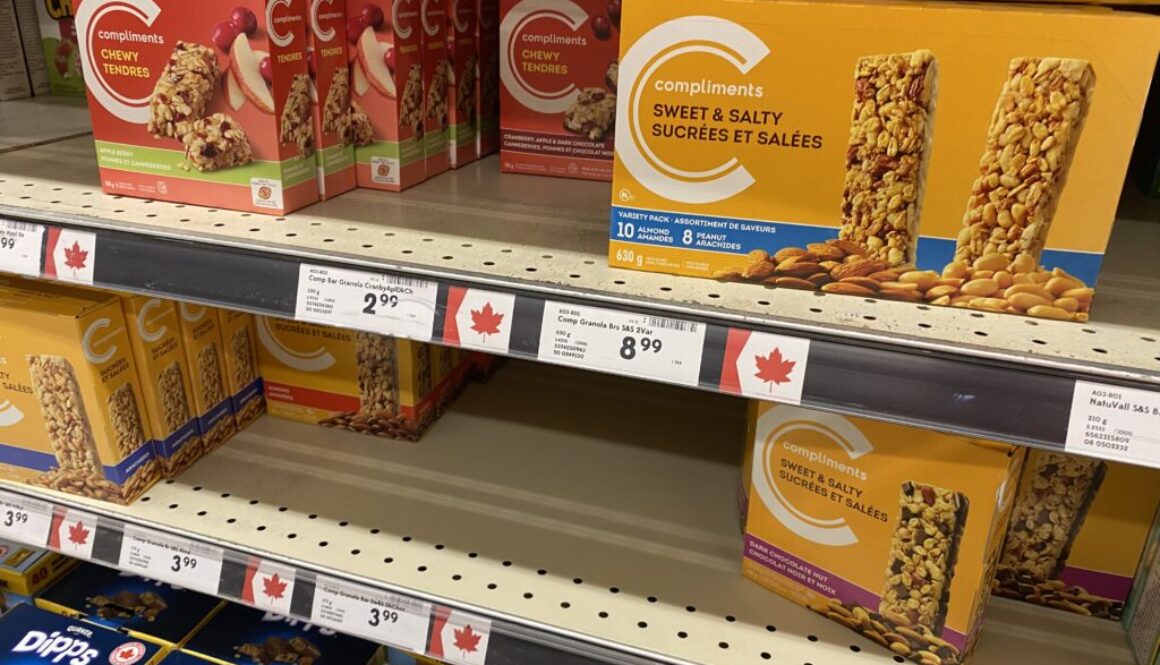
Buy Ontario legislation is being proposed by the Ford government.
The goal is to encourage municipalities and others to choose an Ontario company over out-of-province companies where possible.
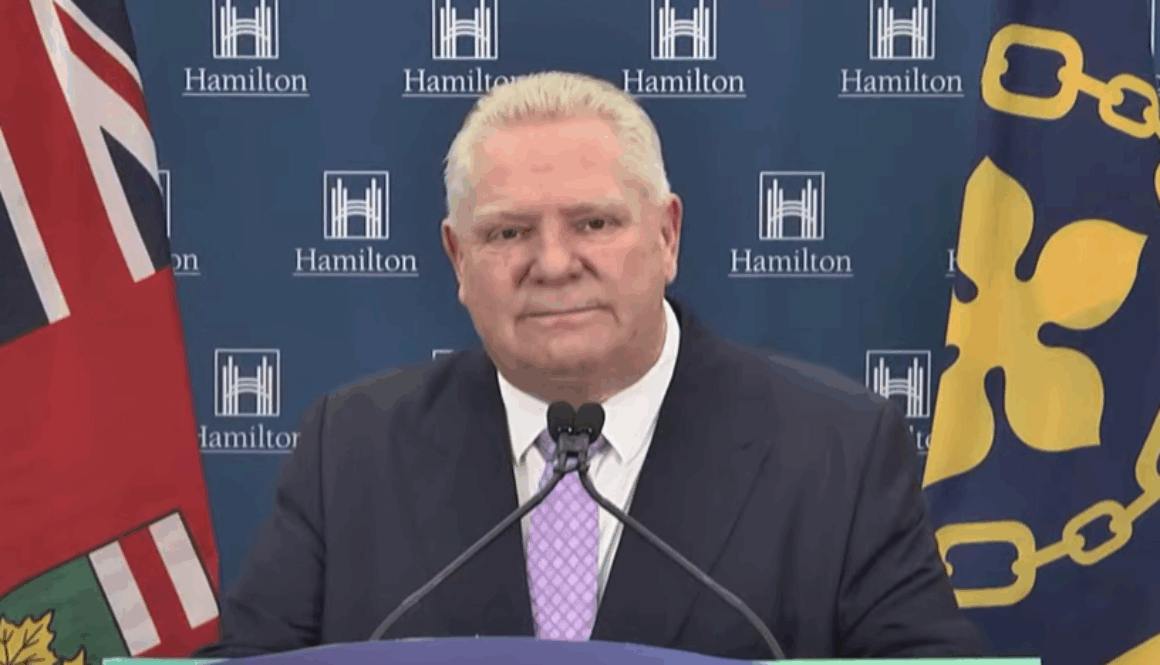
Premier Doug Ford has been encouraging people to buy products made in Ontario and Canada over those from other countries.
He acknowledges that not everything is made in the province.
“We don’t make every widget in the world, but one we can,” says Ford.
“I’m not dictating to every single person. It’s not realistic to go out and buy everything Canadian. I get it. People have their favourite cars, but when you can, please buy Ontario, buy Canadian. It helps out.”
Ford says he also would like other provinces to consider vehicles made in Ontario when planning to replace their fleets.
The Premier is also holding firm on retaliatory measures against U.S. trade tariffs, even as the Canadian government negotiates for a better trade deal.
American booze remains off LCBO store shelves.
Ford is also not afraid to put another halt to energy exports to the states if necessary, and send the excess power elsewhere.
“We can take the cheap energy we’re shipping off-peak hours and start giving it to large manufacturing companies to make themselves more competitive,” says Ford.
“I’ll do whatever it takes to protect the people of Ontario, protect their jobs and protect businesses.”
Ford halted exports earlier this year, which led to a meeting with U.S Secretary of State Howard Lutnick days later.
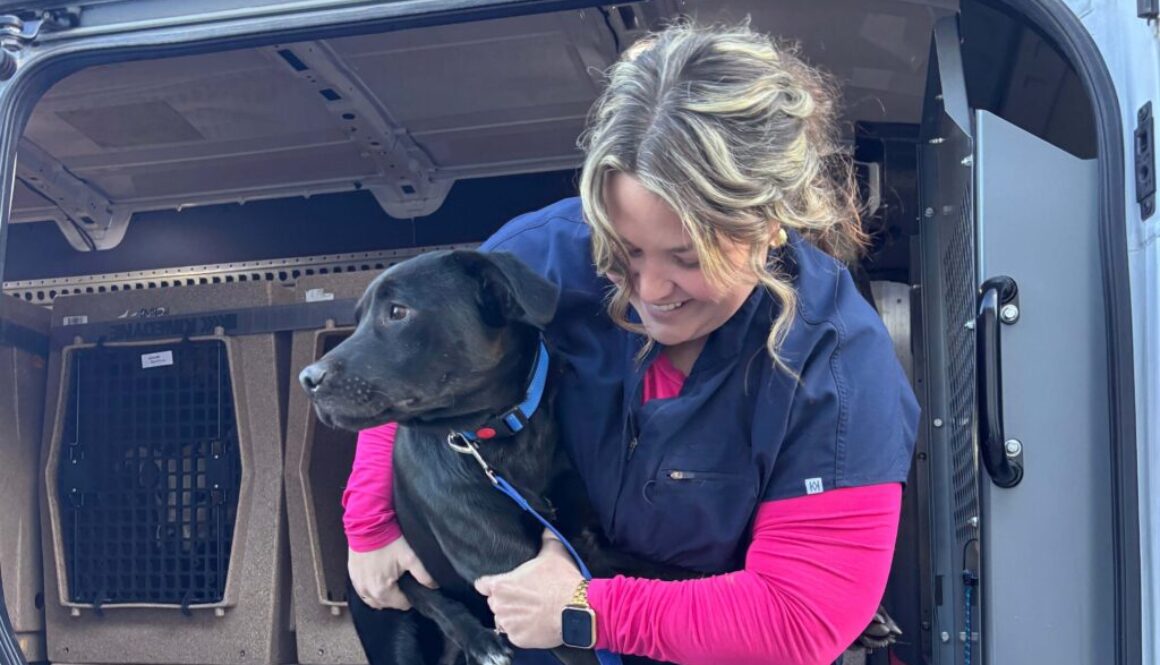
According to the Ontario SPCA, the organization has transported nearly 230 animals from Northern regions to other centres in Ontario.
One of the reasons for the rise in surrenders is the economic hardship many are facing today.
“Things like inflation, cost of living, rising costs of veterinary care and even housing insecurity,” explains Bluhm. “We’re also seeing veterinary care shortages so people simply can’t find veterinarians (so) there’s unplanned litters as well.”
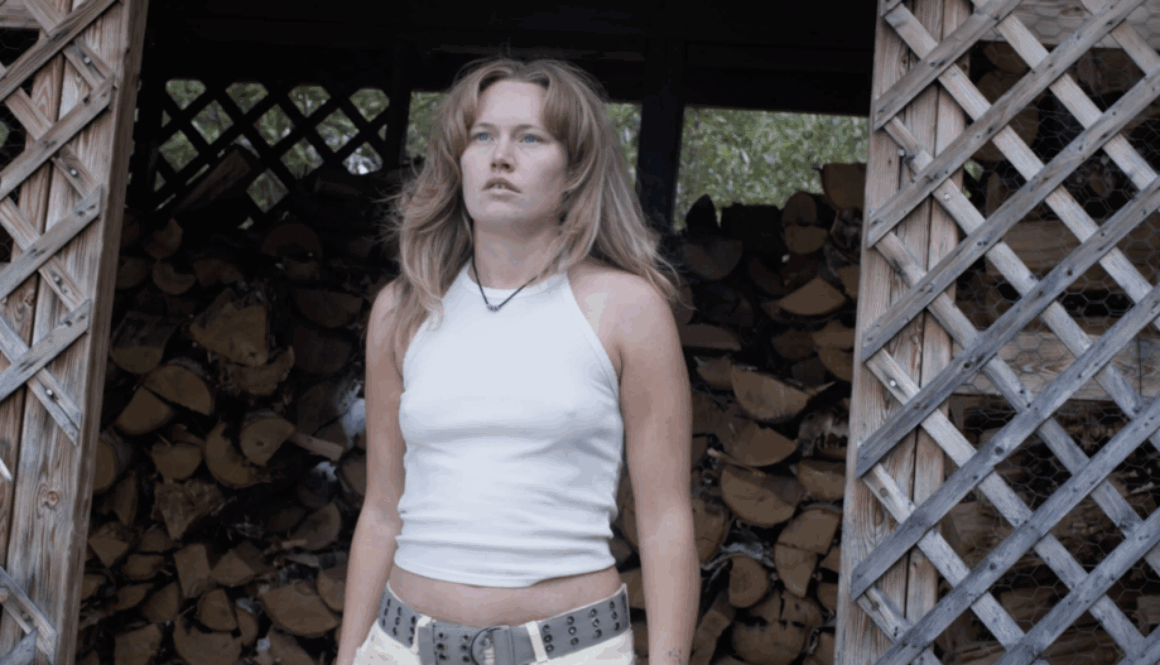
A made-in-Thunder Bay horror film is set to spook local audiences, starting Thursday night.
Written by Tina Petrick and directed by her filmmaking sibling Laura Lynn Petrick, Lempo is a Nordic-style folk horror film based on Finnish mythology, but set on the outskirts of Thunder Bay.
“Lempo started as the God of fertility and love and then when Christianity took over the country, he was transformed into the Devil himself,” says Tina about the real Finnish mythology that inspired the film. “I thought that served as such a beautiful metaphor for relationships and love. Sometimes a relationship can start in a really beautiful place and then end up turning out to be quite haunting.”
Filmed around the Thunder Bay area with the help of local cast and crew that Tina describes as “heavensent,” Lempo will screen for free Thursday through Sunday at the Co. Lab Gallery in Goods and Company Market on Red River Road as part of Culture Days, the three week-long series of free, or pay-what-you-can, activities and performances hosted by artists, cultural organizations and Thunder Bay.
For the Petrick sisters, it was a great opportunity to showcase not only their homegrown short-film to local audiences, but it was also a chance to present the filmmaking duo’s calling card.
“I think that’s always the dream for filmmakers who make a short, that it becomes a calling card and leads to bigger productions with bigger budgets,” says Tina. “It would be amazing to turn it into a feature or work on another feature-length production together and ideally, set it again in Thunder Bay.”
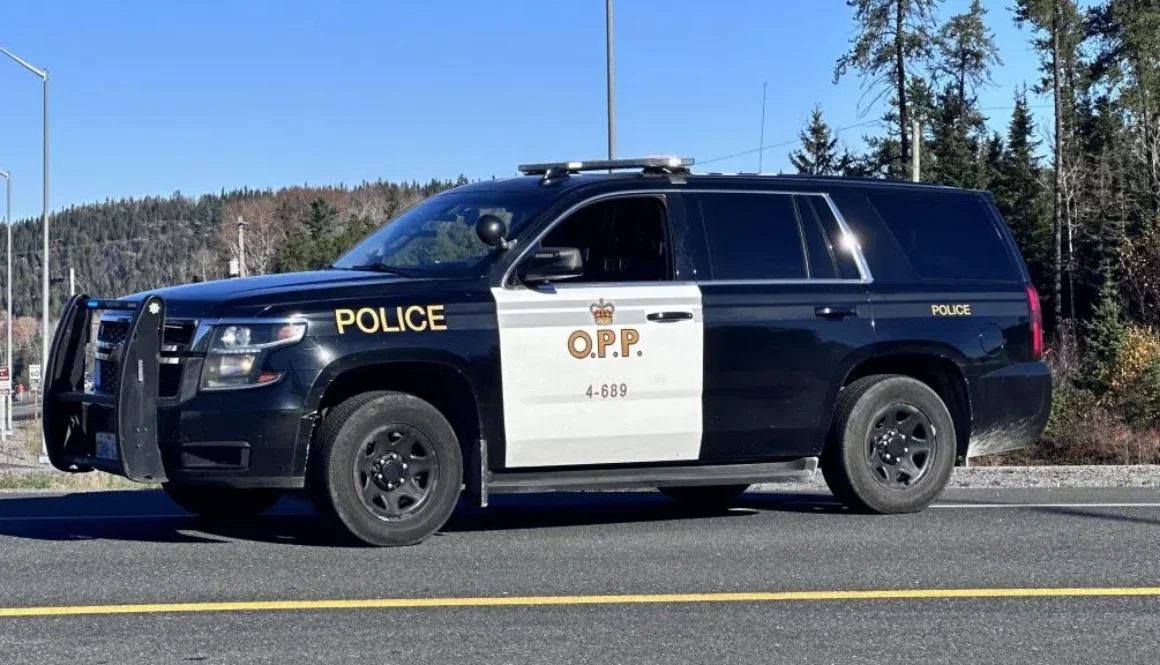
After an increased number of complaints about underage youth operating off-road vehicles, the OPP has issued reminders about the laws concerning those vehicles.
The Superior East and Sault Ste. Marie detachments issued a release Monday advising the public that driving an off-road vehicle without a licence on public roads is not only dangerous, but illegal.
Off-road vehicles include single-rider and two-up ATVs, utility terrain vehicles, recreational off-highway vehicles, extreme-terrain vehicles and off-road motorcycles.
Unless the vehicle is driven on property or under direct supervision of an adult, the OPP reminded the public the following rules apply:
For off-road riding, the driver must be at least 12 years old. For on-road riding, the driver must be at least 16 years old and have a G2/M2 licence.
Drivers must wear an approved helmet that is securely fastened under the chin.
Vehicles must be registered, plated and insured.
If the posted speed limit is 50km/h or less, the maximum off-road vehicle speed is 20km/h. If the posted speed limit is over 50km/h, the maximum off-road vehicle speed is 50km/h.
When on-road, drivers must travel the same direction as traffic, on the shoulder when possible.
Drivers must never drink alcohol while operating an off-road vehicle on or off the road. It carries the same penalties as impaired driving in a motor vehicle.
For on-road riding, a passenger must be at least eight years old.
The OPP also reminded drivers that off-road vehicles aren’t always permitted on public roads and said it’s important to review any local bylaws your community may have.
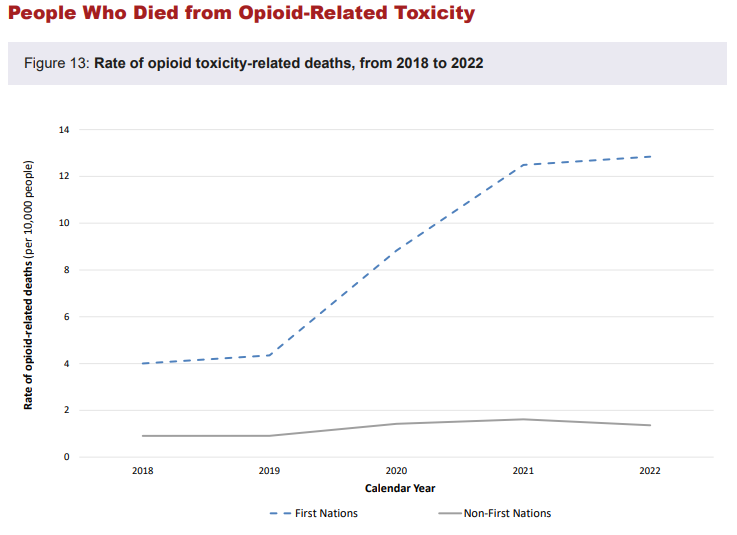
A report released on Monday morning has found that in 2022, First Nations people in Ontario were killed by opioids at nine times the rate of non-First Nations people. In First Nations, opioids caused 12.8 deaths per 10,000 people, while the rate for non-First Nations was 1.4 per 10,000.
The report also found that First Nations people living outside of their communities suffered higher rates of opioid use. First Nations individuals living outside their communities are also twice as likely to be hospitalized for opiate-related issues as those living within their communities.
Abram Benedict is the Regional Chief for the Chiefs of Ontario. He says individuals from northern First Nation communities experience a shock when coming into larger city centres for health and education, and find greater access to substances once in those larger cities.
The Chiefs of Ontario report determined that the rate of opioid use for First Nations people in Ontario tripled between 2019 and 2022. But in 2023, the death rate stabilized, and the hospitalization rate decreased.
Data gathered by the Chiefs of Ontario finds a tripling in the rate of opioid deaths for Ontario First Nations. (Via screen capture from Monday’s report released by the Chiefs of Ontario. October 6, 2025.)
Benedict feels that the COVID-19 pandemic played a significant role in the rising rate of opioid use. He believes the stabilization of the opioid rates for 2023 comes from a few factors: “Following COVID, there have been some more investments made, there has been more awareness around addictions, more supports have become available… but considering all of that, it’s still high numbers. Still very alarming.”
The report calls for an end to a war-on-drugs approach to the drug crisis, and instead advocates for culturally-based healing programs.
Benedict acknowledges that policing is effective at shutting down large drug operations and disrupting organized crime. “But that’s only one element of it,” he says.
On the policing front, Benedict also argues for the self-policing of First Nations – he wants to see First Nation policing legislated as an essential service rather than a program.
“When it comes to enforcement surveillance, stopping organized crime, stopping the exploitation of our First Nation members and our women and children, our police have to be at the forefront of that,” Benedict says. “We know that bringing non-Indigenous agencies in the community is not as effective as First Nation policing.”
Policing can prevent the supply of illegal substances to prevent new users, but it does not cure those already at the mercy of an addiction, nor does it address the root causes that lead vulnerable people to become addicted to begin with.
To address those already suffering from opiate addictions, Benedict supports land-based healing. The practice involves helping a person reconnect with the land, with nature, and with traditional cultural practices and ceremonies.
But when it comes to root causes, Benedict points out that mental health issues and rising homelessness aren’t self-contained problems. A solution to the opioid crisis requires addressing the other social determinants that contribute to substance abuse.
“It really is about ensuring that part of bringing persons back to rehabilitative states and being back in balance,” Benedict states. “This really is about ensuring those other factors that have impacted them to get to that point where they are in their life are also addressed as well.”
Benedict says publicly-funded programs to handle the opioid crisis are insufficient. “Ontario and the federal government have a really long way to go to address this issue.”
The federal government has signed a bilateral agreement with the province to support minority language education and second-language instruction.
Today, Liberal MP Marie-France Lalonde announced the signing of the Canada-Ontario Agreement on Minority-Language Education and Second Official-Language Instruction 2024-2025 to 2027-2028.
Under the agreement, an investment of more than $523 million has been made in Ontario to help the province offer French as a minority language and second-language instruction for students from preschool to post-secondary.
“Franco-Ontarians know how essential education is in preserving our language and passing on our culture to future generations,” said Minister Lalonde in a statement. “Thanks to this agreement, we are strengthening bilingualism and giving young people the tools they need to develop fully in French and in English.”
An investment by the Ontario government is also planned to support the aims of the agreement.
The bilateral agreement stems from the Protocol for Agreements for Minority-Language Education and Second-Language Instruction for the period from 2024 to 2028, ratified in February.
Minister Lalonde made the announcement on behalf of Steven Guilbeault, Minister of Canadian Identity and Culture and Minister responsible for Official Languages.
More First Nations libraries in Ontario will soon be able to provide free internet access to the public.
The Ontario government announced it is making a $78,000 increase to the Internet Connectivity Grant program, which helps reimburse rural, northern and First Nations Public Libraries for their connectivity costs.
The province says that additional amount of funds will allow 30 public libraries in Ontario the ability to join the program.
“Accessible and reliable internet elevates education, economic opportunities, and community connection,” said Greg Rickford, Minister of Indigenous Affairs and First Nations Economic Reconciliation in a news release.
“In expanding the Internet Connectivity Grant, we are ensuring that all First Nation public libraries can continue providing this critical service at no cost to their communities.”
Since 2018, the Internet Connectivity Grant program has provided the province’s public libraries with more than $4.3 million to ensure communities have reliable internet access.
According to a recent report, nearly one in three northern Ontarians without home internet rely on public libraries for online access to remote education, job searches and other services.
The province has released its draft criteria for designating special economic zones that will fast-track approvals of major projects.
First introduced under Premier Doug Ford’s Bill 5, also known as the Protect Ontario by Unleashing Our Economy Act, in response to economic threats from U.S. tariffs, the Special Economic Zones Act is aimed at supporting the advancement of job-creating investments and projects that are deemed critical to the province’s economic stability.
According to a release from the Ontario government, the draft regulation was created after consultations with Indigenous communities in the province, which are ongoing.
“Our government continues to facilitate hearty political participation and engagement with Indigenous communities across the province, with increasingly positive feedback, as we build out the regulations for Special Economic Zones,” said Greg Rickford, Minister of Indigenous Affairs and First Nations Economic Reconciliation and Minister Responsible for Ring of Fire Economic and Community Partnerships in a statement.
As part of its consultations, Ontario has engaged with more than 130 Indigenous communities regarding the proposed draft regulation and the development of a new regulatory framework.
That includes five regional sessions carried out across Ontario, including in Thunder Bay with the province saying it will continue to consult with Indigenous communities to support and advance economic stability through development and ensure proposed regulation incorporates ongoing feedback.
However, Bill 5 and the proposal of special economic zones has not been met without its critics.
“The Bill’s ‘special economic zones’ are just a cheat code for this government to do whatever they want, wherever they want,” Marit Stiles, Leader of the Official Opposition NDP previously stated.
“No consent. No consultations. No laws – this is the playbook that this government is selling.”