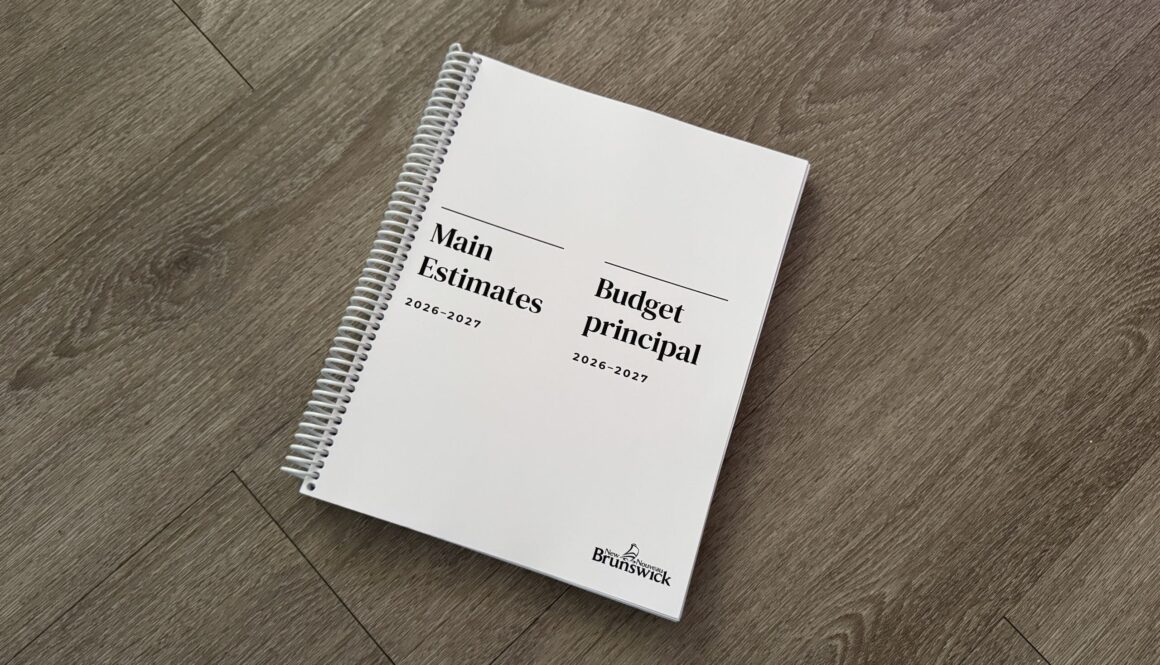
Critics question what happened to budget cuts
New Brunswick’s 2026-27 budget forecasted the $1.39 billion deficit as a result of a gap in revenue to expenses.
The projected expenses amount to $15.6 billion, while revenues are only projected to be $14.2 billion. This increases the province’s debt-to-gross domestic product (GDP) ratio.
Finance Minister René Legacy says the budget reflects a changing economic reality and uncertainty in the global economy. He says the challenge of making significant investments in what is important to New Brunswickers and bolstering the economy while working to reduce the province’s debt remains.
Concern surrounding province’s debt
Devin Drover, Atlantic Director and General Counsel of the Canadian Taxpayers Federation, says New Brunswickers’ biggest concern should be that the government is redirecting tax dollars to service government debt.
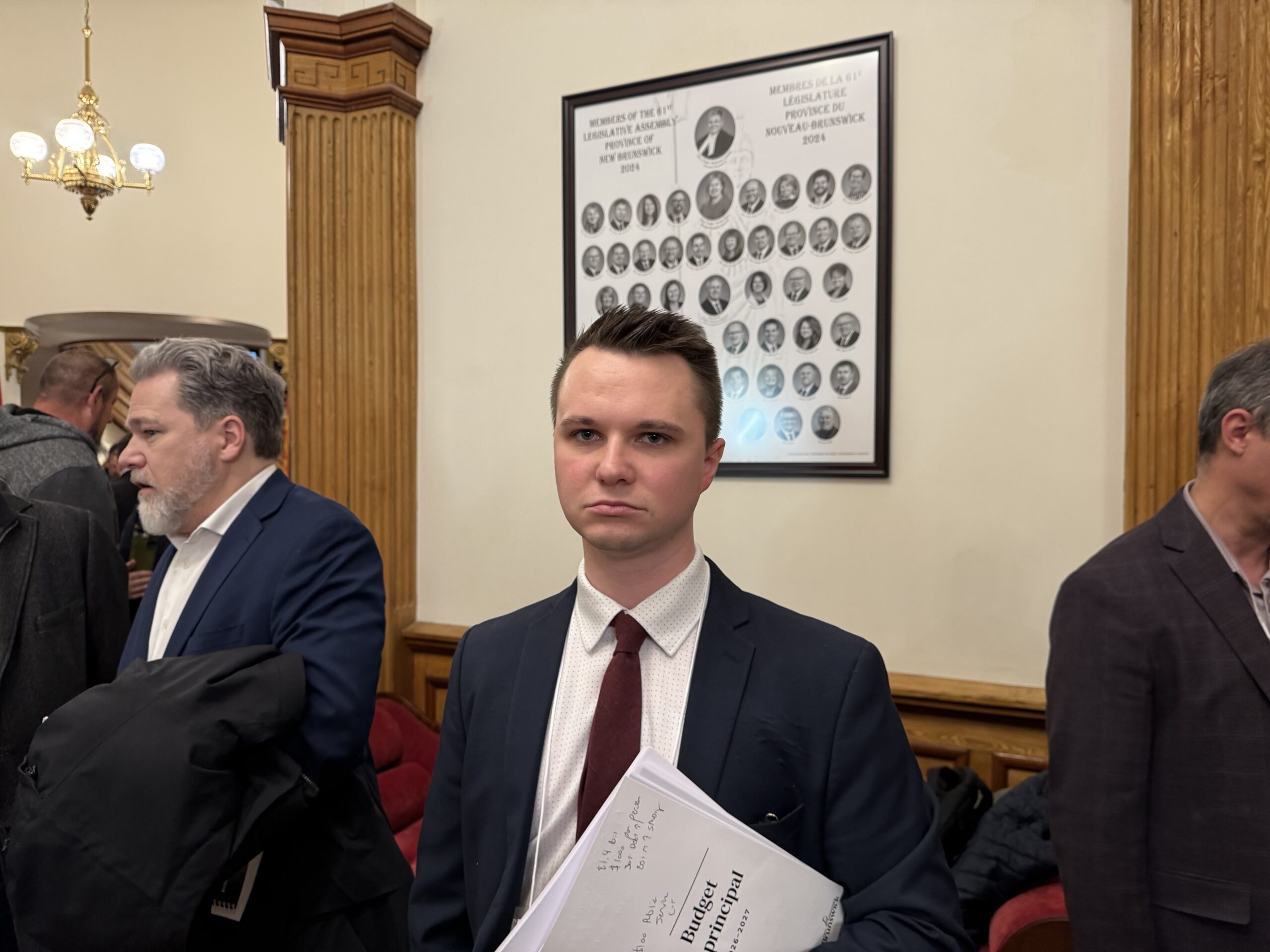
“Right now, about $1000 that a New Brunswicker pays in taxes just goes towards servicing existing government debt as a result of this budget; we’re seeing a lot of borrowing,” said Drover. “As a result of that, a lot of money is being siphoned away servicing government debt rather than money that can be used towards healthcare or other investments or money that could be used to return to taxpayers in the form of tax cuts.”
Legacy referenced during the tabling of the budget that the province’s net debt-to-GDP ratio remains one of the best in the country.
Drover says that if the government continues to increase spending, New Brunswickers will see increased expenses in the form of interest debt charges going up annually, which will result in a worse debt-to-GDP ratio.
“I think the province is certainly heading in the wrong direction when it comes to government debt,” said Drover.
Green Party Leader David Coon says the deficit is manageable in the short term.
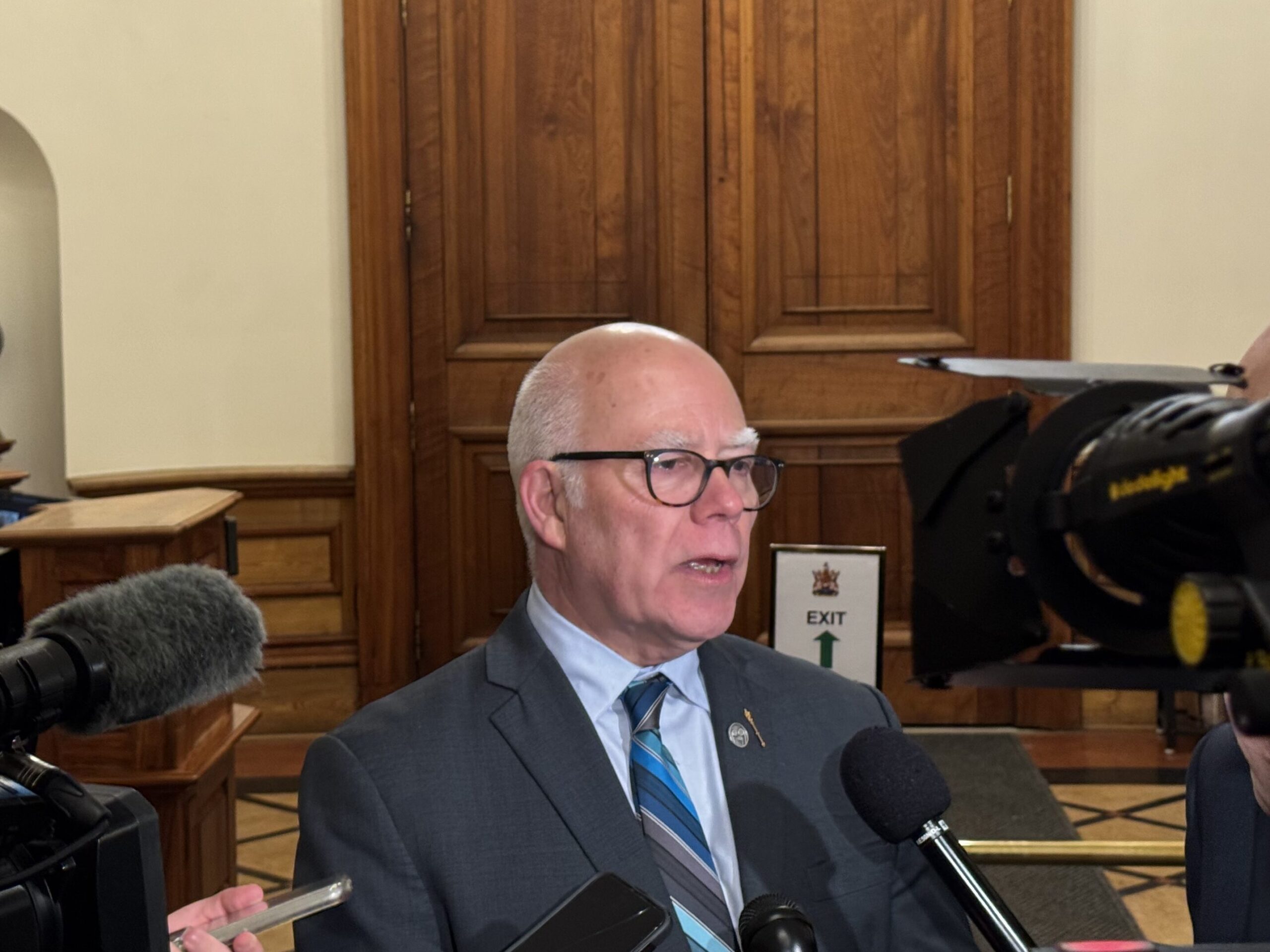
“This deficit is not something anyone should light their hair on fire for. Given our fiscal situation, we can manage,” said Coon, “but when you look at the trajectory that they are proposing, that’s a concern.”
The province’s current net debt-to-GDP ratio sits at 27.9 percent following the revised 2025-26 budget that was initially tabled last year.
The projected net-to-GDP ratio for 2026-27 is 30.8 percent as a result of the continued deficit. The trajectory that Coon mentioned points to the years to follow, that would see 2027-28 and 2028-29 plans reaching net-to-GDP ratios of 33.6 percent and 36 percent, respectively.
“Right now, given our needs in healthcare, long-term care, social services and education, as we have been saying all along, this budget and New Brunswickers could not sustain significant cuts.”
This goal of debt reduction was initially expected to have assistance from spending cuts. Premier Susan Holt wanted all government departments to look for savings of 10 to 15 percent, but the budget tabled only sees a reduction in spending from three departments, and none of them reach close to 10 percent.
What happened to the cuts?
Legacy says they are choosing to invest in health care, education, social programs, and economic opportunities as opposed to making cuts. He says the province’s strategic position means they do not have to act rashly.
“We could have chosen to respond to the pressure by slashing programs and services across government to reduce the deficit faster, but New Brunswickers told us clearly that is not what they want, and we agree.”
Don Monahan, the Progressive Conservative finance critic, says there were not major difficult decisions made despite the talk around it.
“$1.39 billion is definitely a big number. They were talking about a lot of difficult decisions and what it’s going to mean for New Brunswickers, and at the end of the day there’s a lot of fear around that,” said Monahan. “In the end, there weren’t difficult decisions made.”
Monahan mentioned cuts identified by the Office of the New Brunswick Advocate when it released a review of the 2025-26 budget, in which a $47.1 million cut to child welfare services in the Department of Social Development was identified. There was also an identified budget redirection that resulted in librarian layoffs in 2025, according to Monahan.
Alex White, N.B. New Democratic Party leader, says the budget tabled is a backtrack from massive cuts that were proposed in the pre-budget consultation.
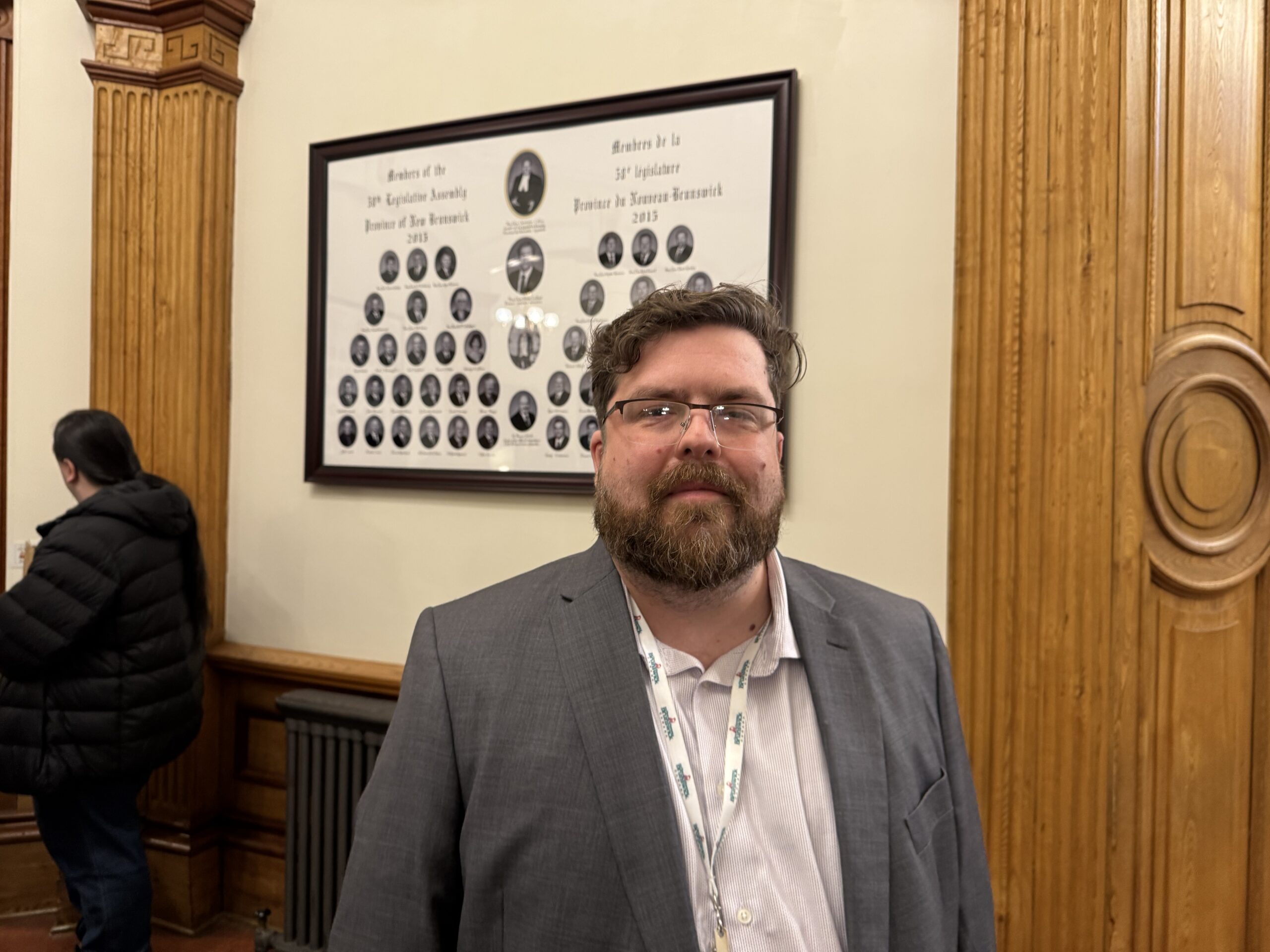
“Now they’re coming out and saying it’ll be $100 million in cuts over three years. That’s not what we will get out of this … I am waiting for the other shoe to drop.”
The $100 million in cuts White referenced relates to the government’s announcement that they will be reducing the size of Part 1 of the civil service by 12 percent through attrition, or the gradual reduction of a workforce by voluntary departure.
As of Dec. 31, 2024, 11,801 employees made up Part 1 and represented 22 percent of GNB’s workforce. According to the math, the Holt government would be cutting roughly 1400 positions, which represent only a small fraction of the total GNB workforce: just above 2.5 percent.
White suspects there will be more changes announced in the next six months.