UNB professor says new research could connect social isolation to dementia onset
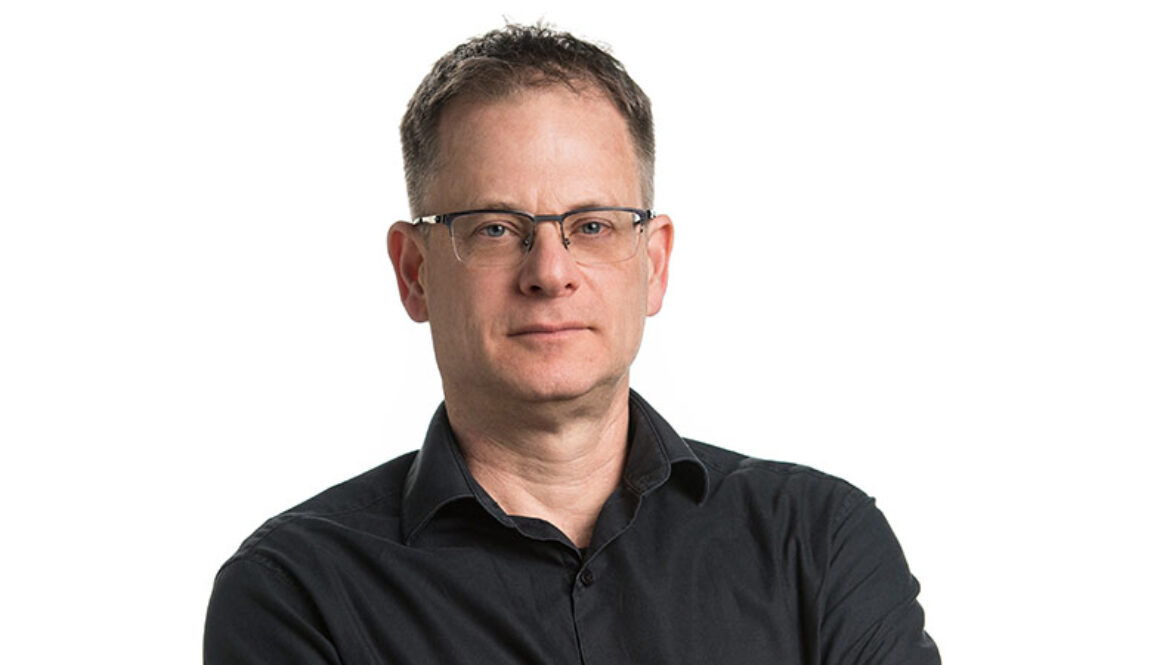
Ted McDonald, political science professor and DataNB director, has been a part of new research surrounding the relationship between hearing loss, social isolation, and dementia.
McDonald is a health economist and has worked with clinicians for years on a variety of different health issues. He says that in each case, already existing large data sets are used to find correlation.
“In particular, dementia and Alzheimer’s disease in particular, it’s a growing issue,” said McDonald. “We know we are kind of heading towards what could be a crisis in terms of healthcare support for people who are going to develop dementia as our population ages and the implications and burden on the health system and caregivers.”
Research shows that there are ways individuals can decrease their risk of dementia, such as staying active, eating well, weight training, and other things generally associated with being in good health. However, social factors can also have an effect.
“The literature pointed out that hearing loss is associated with dementia and social isolation is also associated with dementia. What we wanted to do is, ‘could we unpack all that, what could we learn to give us some guidance about what is really going on in terms of what is important for reducing the chance of developing dementia?'” McDonald stated.
McDonald said that initial research finds a correlation.
“Speculation is that social isolation on it’s own can contribute to dementia because it reduces stimulation, that social interaction that keeps the brain active. That’s kind of what is hypothesized,” he said. “Hearing loss, if it’s not something biological, could also be contributing to dementia because it creates that kind of isolation, that feeling of isolation.”
The research expert said not participating in social activities or ongoing discussions with friends and family can create a form of social isolation, regardless of circumstances.
“The belief is that it’s that kind of reducing your social interaction that’s affecting the way that we interact along with physical exercise,” said McDonald.
Researchers wanted to know if these two factors interacted with each other, which is why further research was and is still being conducted.
Hearing loss can be essentially fixed with hearing aids, depending on severity. Researchers were interested to see if having good quality hearing aids would reduce the social barriers to hearing loss, and what that could mean for the relationship to dementia.
“What we found is that, although the risk [of developing dementia] is still there, the connection between hearing loss and dementia is much less if you’ve got a hearing aid. That suggests to us that it’s actually addressing the social part of hearing loss rather than the biological part that seems to be important,” said McDonald.
Further research investigated what occurs when one factor or the other is not present, such as having no social isolation but having hearing loss, and vice versa. McDonald said findings indicated that those already existing with social isolation will not be affected additionally by hearing loss, because the social isolation is what matters in this instance.
However, those who have hearing loss but are not socially isolated can still feel a level of social isolation due to not having auditory senses.
“If you aren’t socially isolated, if you have family and friends around and lots of social activities, hearing loss still increases your likelihood of developing dementia,” he said.
“The fact that the connection between hearing loss and your probability of developing dementia is less if you manage to treat the hearing loss effectively, that suggests to us that it’s the isolation part of hearing, not a biological connection, that seems to be important,” said McDonald.
The UNB professor says that more tools are available to try and reduce the risk of developing dementia, such as the potential of effective mitigation for hearing loss and decreasing cost of high-quality hearing aids for lower income individuals.
McDonald says additional research is planned and will get closer to understanding what the real relationships are.