Hunger, hearts, and fire: Noondeskade and Anishinaabemowin
Long ago (in the Rainy River region and beyond), the worst thing that could befall an individual, a family, or a community was starvation.
This profound fear of the time can be discovered in relationships with the Oceti Sakowin (the Dakota) where ceasefires during war were undertaken and hunting parties from both groups assisted one another during the harshest winters – called Biindigodaadiwin. “They are entering each other’s lodges” is a way this term can be understood. During these ceasefires, the exchange of ceremonial knowledge, relationships, marriages, and hunting parties were established.
When the spring would arrive, the ceasefires would cease.
Hunger was a massive concern in more traditional times.
The use of a very specific tansy flower by the Anishinaabe made into a traditional medicine to prevent births when food resources ran short and a rising population among villages could put communities in harm’s way.
In the shadow of such a fear of hunger, many cautionary stories of spirits linked to cannibalism and hunger were spoken about with caution, reverence, and mindful respect.
Long ago, it was a very different world. Thought not perfect today, before the stable food systems, health systems, and supply lines many enjoy today, villages and communities walked a very fine line.
One of the main observations that defines being nourished with nutrients and calories is the ability to move, be active, and sustain health and organ systems within the bodily vessel.
Conversely, one observation was that (among many others) when hunger (or in a prolonged way – starvation) undertook someone, the eventual slowing of the heartbeat would take place and in turn, shortness of breath and the failure of organ systems within.
The focus of today’s term in Anishinaabemowin is centered on the heart.
What would eventually be discovered as the calorie burn within the body and (more directly related to the heart) the small spark or pulse that keeps the heart beating are reflected in this term.
In time, it has been discovered that in order for the heart to squeeze and pump blood, an electrical impulse takes place within. It is like how a spark plug works. Moving from the right side of the upper chamber in the sinus node, it is a natural pacemaker in the human body.
During starvation, this slows and eventually tapers out leading to bodily system failure.
Noondeskade captures this observation.
Noondeskade is a way of saying “He/she is hungry.”
Ninoondeeskade conveys “I am hungry.”
Let’s dive deep.
Noonde contains the expression of a need or a requirement (noonde) which flows and blends into the term for one’s heart (ode).
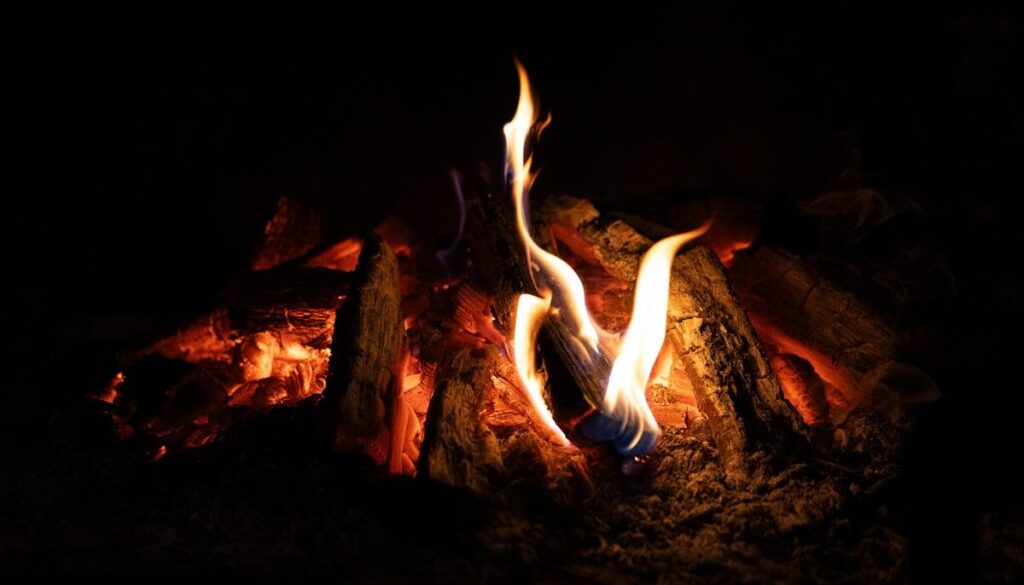
The following portion skade is a derivative of ishkode meaning a fire.
Taking all into consideration, it describes needing fire for one’s heart.
A way of expressing being hungry is Ninoondeskade.
Nih-NOON-DAY-skuh-DAY
“I’m hungry” or quite literally, “I require/am in need of fire for my heart.”
Next time you’re hungry and craving your favourite meal (whether a Top Sirloin at a summer barbecue, French fries with a side of barbecue sauce, a delicious chicken Caesar salad wrap, or a plain Wendy’s triple with extra cheese), express “Ninoondeskade!” as you need fire for your heart.
But be sure, everything in moderation.
Let the fire burn clean and bright for a lifetime.