Diesel prices in Nova Scotia are climbing again overnight, less than a day after the province’s regular weekly adjustment.
The Nova Scotia Energy Board says it is invoking its interrupter clause, allowing it to adjust prices outside the usual weekly schedule due to rapid changes in global fuel markets.
At midnight, diesel will increase by 10.5 cents per litre, bringing the price to 240.3 cents per litre.
That comes after Friday’s weekly adjustment, which had already raised diesel by 9.8 cents per litre to 229.8 cents.
Gas prices also went up in the weekly setting, rising 5.7 cents per litre, but are not impacted by the interrupter clause change.
The interrupter clause is used when fuel prices shift quickly, giving the regulator the ability to make additional adjustments between its regular weekly changes.
The Energy Board says the increases are tied in part to rising global oil prices, linked to ongoing conflict in Iran.
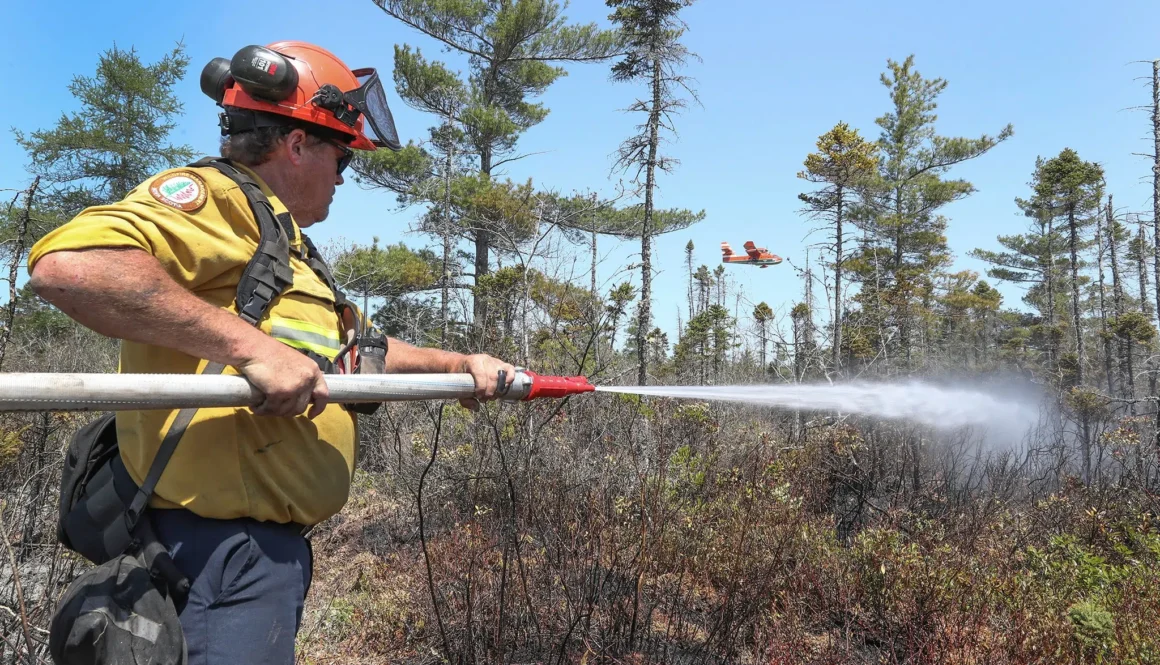
Nova Scotia is heading into wildfire season with improved moisture levels compared to last fall — but officials say the weeks ahead remain a critical period for fire risk.
Scott Tingley, manager of Forest Protection with the Department of Natural Resources, says winter snow and rain helped offset dry conditions that developed late last year.
“The snow and rain were certainly welcome over the winter — we needed it,” Tingley said. “We went through the fall in a significant rainfall deficit.”
However, he says that benefit begins to fade as temperatures rise and snow cover disappears.
“As that snow starts to disappear, the risk does start to increase,” he said. “One of our biggest risk periods is this time of year before things green up.”
That “spring risk period” typically lasts until late May or early June, when vegetation begins to green up and moisture levels improve.
In the meantime, open areas across the province are already drying out, with brown grass and snow-free ground increasing the potential for fires.
The wildfire season officially began March 15, and daily burn restrictions are now in place. Residents are required to check conditions each day before burning, with updates posted at 2 p.m.
Tingley says what happens over the next several weeks will play a major role in how severe the season becomes.
“What happens over the next six to eight weeks with rainfall really affects what our risk profile is going to be,” he said.
Alongside the seasonal outlook, the province is also expanding its firefighting capacity.
A new contract will see fixed-wing water bombers stationed in Nova Scotia from May through September, supplementing the province’s existing helicopter fleet.
“Having them pre-positioned in Nova Scotia certainly helps our readiness,” Tingley said. “It’s an enhancement to our program.”
The aircraft were previously available through mutual aid agreements, but having them based in-province is expected to improve response times.
The province has also expanded training and equipment following recent wildfire seasons, including additional tools for structure protection.
Despite those improvements, officials continue to stress that most wildfires in Nova Scotia are caused by human activity.
“The vast majority of fires in Nova Scotia are caused by people,” Tingley said. “Everyone has a role to play.”
Residents are being reminded to follow burn restrictions and take steps to reduce fire risk around their homes as the season ramps up.
Coeur Mining is now in charge of New Gold’s Rainy River Mine.
The U.S.-based mining company reports its acquisition of New Gold, announced last November, is now complete, with the issuance of shares to New Gold shareholders.
As part of the $7-billion deal, Coeur will also take over New Gold’s New Afton mine in British Columbia.
Coeur says it will share more information next week about the expected benefits of the transaction.
It also intends to outline plans it has for the two mines.
Coeur officials have previously stated an interest in expanding exploration activities at the Rainy River mine to extend its life.
One of two respiratory outbreaks at Rainycrest Long Term Care in Fort Frances has been declared over.
Riverside Health Care reports that visitor restrictions impacting residents in the West Wing have been lifted.
They remain in place in the East Wing.
Enhanced masking protocols remain in place.
Riverside is also reminding visitors to stay away if they are unwell or experiencing any flu-like symptoms.
“We continue to remind visitors that infection prevention remains a shared responsibility,” a statement reads.
“Individuals are asked not to visit if they are feeling unwell, particularly if experiencing cold or flu-like symptoms, and to practice good hand hygiene when entering and leaving the building.”
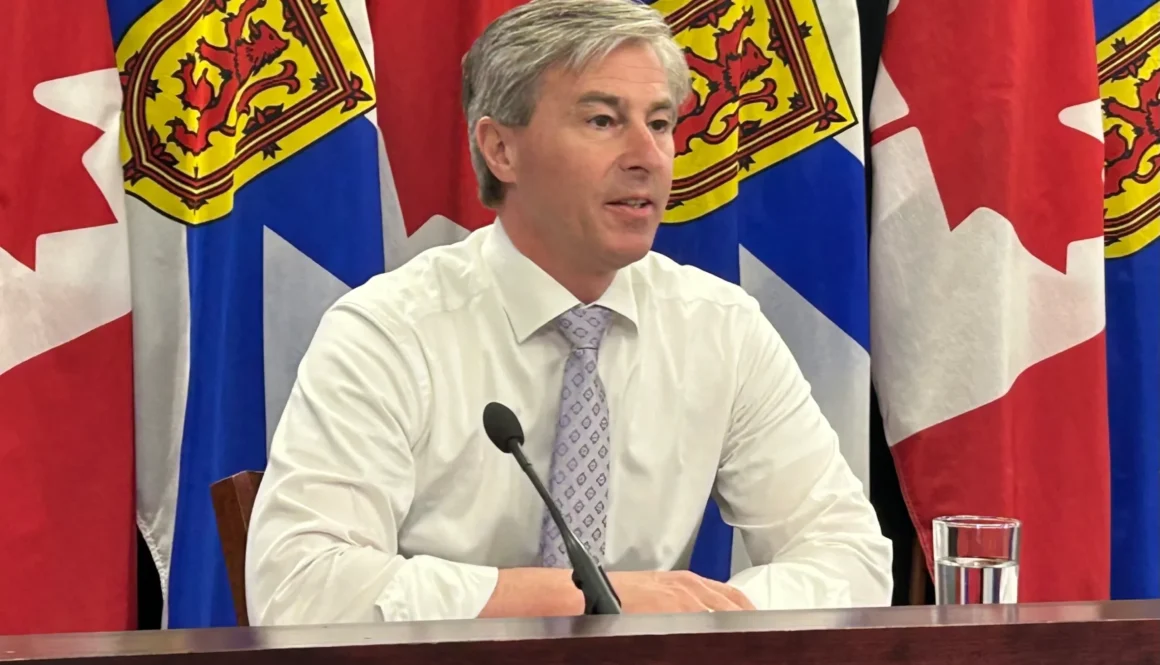
“Nova Scotia has a wealth of natural resources that are in high demand, and it’s incredibly important that we take full advantage of them in safe and responsible ways to boost Nova Scotia’s economic and energy security,” he said.
“World events continue to demonstrate the importance of making sure Nova Scotia’s economy is more resilient and ready to play a part in Canada’s energy future by further developing our energy capacity and attracting new investments.”
The province says they are working responsibly to develop offshore resources including oil, natural gas, offshore wind and permanent carbon storage.
“Nova Scotia has attracted some of the largest oil and gas companies from around the world and hosted safe exploration and development for more than 25 years,” says the province in a news release.
Houston will return from the conference on Thursday, March 26.
The provincial government is committing to a number of measures to improve road safety in northern Ontario.
The action follows several lengthy closures and fatal collisions on Highways 11 and 17 this winter.
NDP MPPs from northern Ontario also recently travelled by vehicle across northern Ontario, documenting safety concerns they and others from the region have long expressed.
The province says it plans to increase the number of transportation enforcement officers in the region and conduct more enforcement blitzes, focusing on large commercial vehicles.
It also plans to deploy two mobile inspection units this spring as part of that enforcement.
The province is also looking to improve and upgrade highway signage to make it more visible to motorists.
New portable electronic messaging signs that provide motorists with safety information, weather conditions and road closures will also be installed.
“Our government is keenly aware how important safe roads, bridges and highways are to the residents, visitors and businesses in the north who rely on them daily,” states George Pirie, Minister of Northern Economic Development and Growth, in a release.
“That is why we are taking action to improve safety, increase enforcement and make targeted investments that will keep people safe and goods moving, while strengthening connections between northern and remote communities.”
The province also intends to advance the preliminary design work on a four-lane highway between Thunder Bay and Shabaqua.
Public meetings will be held this spring.
Work is also proposed on upgrading the provincial rest areas in northern Ontario to provide more year-round truck parking.
“Highways 11 and 17 are lifelines for northern Ontario, and we’re making them safer and more reliable by cracking down on dangerous driving, strengthening enforcement and investing in new safety measures that keep people and goods moving,” states Prabmeet Sarkaria, Minister of Transportation.
A second person has now been charged in connection with the murder of Melissa Price.
A 36-year-old man appeared in court on Friday. He is facing several charges of being an accessory after the fact of murder and indignity to a human body. He remains in custody with a future court date on March 24.
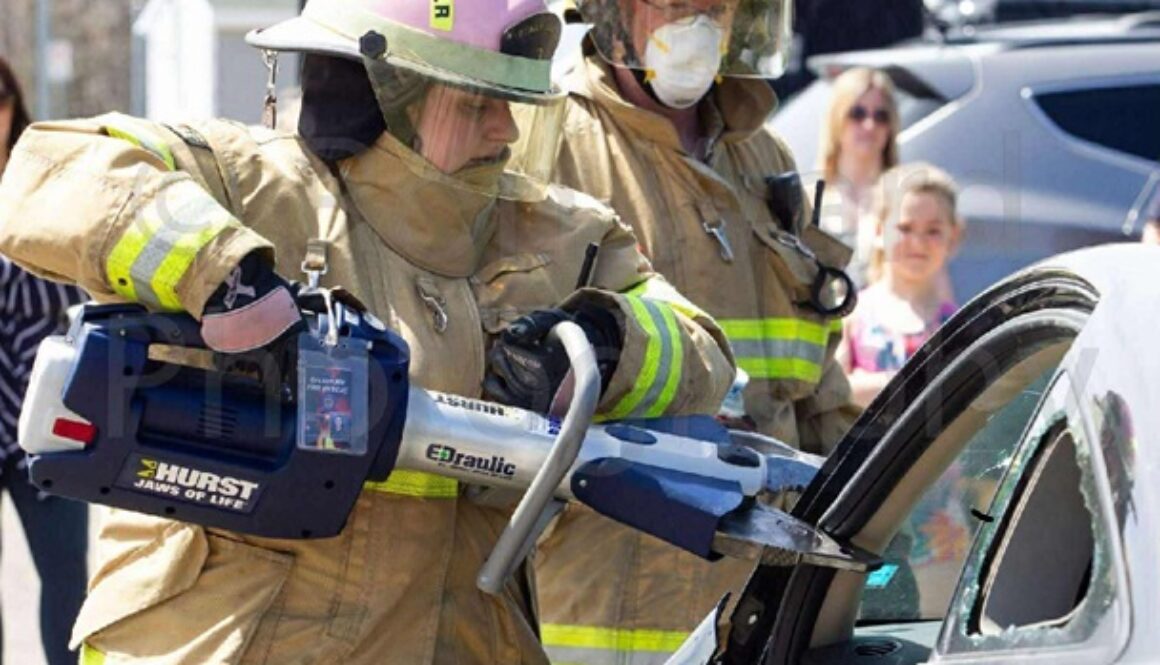
Recruitment efforts for firefighters are getting more difficult, and a 16-year volunteer firefighting veteran in Hillsborough hopes to inspire more youth for the future.
“We have seen a lot of decline in recruitments in and across the province, and all across Canada, we’re not getting a lot of the younger generation,” Maritime Ignite Fire Academy President Jessica O’Dell told us.
She started as a volunteer firefighter when she was 18 years old. As she moved up, more training was offered, and she decided this year she was ready to start the Academy.
We asked if the Maritime Ignite Fire Academy resembles one on the television program Chicago Fire called ‘Girls on Fire.’ O’Dell told us she gets asked that a lot, “That’s kind of where it stemmed from, because we don’t have programs like that a lot down here.”
Participants will learn everything from firefighter drills, ladders, hoses, and advancements. O’Dell also plans to do a smoke simulation instead of exposing the youth to live fire.
Jessica O’Dell (March 2026) IMAGE: SUBMITTED WITH PERMISSION
“I have a fog machine that we’re going to use to kind of smoke up like a training prop. So they’ll be able to get their experience with that. We’re hoping to be able to do like an auto extrication demonstration, then they’ll be able to utilize all of the tools, get a feeling for things,” O’Dell explained.
Each participant will have their own set of bunker gear to use for the week. O’Dell is also hoping for them to walk out with their first aid CPR certification as well.
Applications are expected to come out on March 31, but O’Dell says she has already had a lot of interest and many questions about the program. “I’ve been receiving messages in the inbox. I have been receiving messages on my personal Facebook asking for more information on it. So I think it’ll be really good.”
The first camp is expected in August. They’ll do a max of 20 participants per week
“If things go well this year, maybe we’ll look at increasing the numbers next year by putting in an extra week or two, depending on how things go. But right now, just to keep the numbers suitable for instructors to participant ratio, we would like to keep it at 20 participants each week,” O’Dell stressed.
Members of the Hillsborough Fire Department will be involved, but O’Dell says she has others coming from as far away as Ontario to help with the academy.
There is one other program similar to the Maritime Ignite Fire Academy in New Brunswick. O’Dell said there is one called Camp Courage, based in Saint John.
“When I went to Ontario in October for Fire Service Women Ontario Symposium, there were firefighters who were there who actually went through these camps and are now full-time firefighters today,” O’Dell stated.
The academy is open to youth between 14 and 18 years old.
Applications are expected to be available by the end of March, with a deadline at the end of June.
Brunswick Nurseries closed its doors for good in 2025.
Now, the Town of Quispamsis is considering rezoning the properties that made up the garden centre.
The site, on Model Farm Road in the eastern part of the town, had previously been zoned Neighbourhood Commercial in recognition of the commercial use of the land.
But according to a report from municipal staff, that designation does not list a nursery as “a permitted or secondary use under Neighbourhood Commercial Zones.”
The rezoning process, started by the Town, would rezone the area to Rural.
That process was started before the new owner of the land registered an approved subdivision to create three lots.
The new owner wants the rezoning to Rural to support residential development.
But there are some concerns from neighbours in the area.
Kathryn Jankowski lives across the road with her husband.
She came to council to express concerns about water runoff, an issue she said already causes some problems on her property.
“In the last year we’ve noticed a lot more water coming down our driveway instead of in the intended waterways on either side of the property,” she said.
“We’ve also noticed that water not only seeps over the driveway but under the driveway and it’s causing some erosion in our asphalt. Our driveway is really long and steep, so I can’t imagine it’s going to cost us to fix that.”
She also expressed some concerns about well water in the area, particularly after the dry summer in 2025, and whether existing wells on the property may be tapped for any development.
Jankowski said she wanted to be sure council was aware of these issues before any development proceeds.
Planning and Development Services Manager Dwight Colbourne said the town’s engineering department is looking into the concerns.
He said the overall development plan for these properties is simply residential development.
“So single-family residential development that would require obviously submissions of building permits to the municipality,” he said.
“At this stage in terms of when those developments will happen, basically it comes to a point of when they’re purchased and then obviously the timeline for development. So at this stage there have been no formal applications come forward in terms of specific developments of these properties.”
Colbourne said the concerns Jankowski raised would be considered in any development.
The NDP says the province needs to pause the whole budget process and go back to the drawing board.
After backlash from the public, the government brought some funding back for seniors, people with disabilities, African Nova Scotians and Indigenous students, but they kept a lot of the cuts to the arts, culture and tourism sectors.
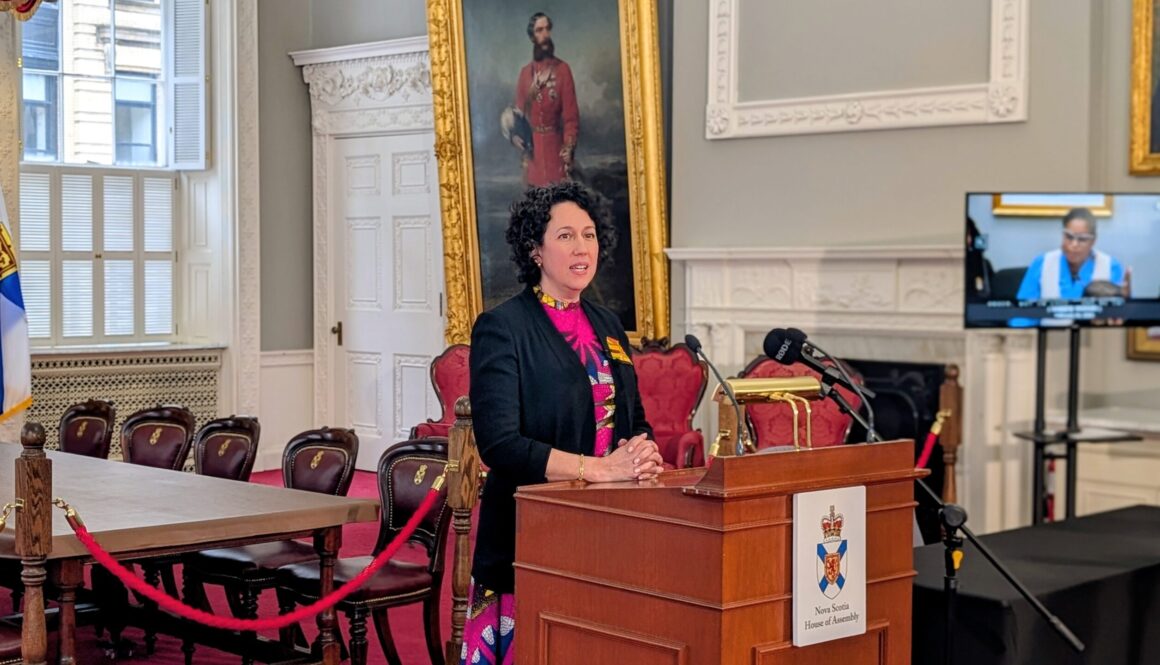
NDP leader Claudia Chender says it is clear they did not do any economic analysis.
“But instead of a kind of piecemeal save our political skin approach, what we’re asking this government to do is to actually do the work to understand the impact,” says Chender.
The budget has not passed yet, and she says the government has made amendments to bills at the legislature before.
But she does not want them to make a quick change. The government should take time to properly understand what impact the cuts will have.
Chender voiced similar concerns to an economics professor and political science professor told our newsroom recently, including that it seems like many government cabinet ministers were not sure why certain cuts were made. For more on that story, click here.
She says tourism is a very important industry in Nova Scotia, and those cuts threaten jobs without replacing them.
One of her other proposed solutions would be to create a new Legislative Budget Officer, who would “assess all risks of government spending,” according to a news release from the party. They tabled a bill in the house for that, as well.
They also have a bill that would force the province to table at the legislature any spending that falls outside of the budget. Chender says that would bring more accountability to what the government does with public money.